
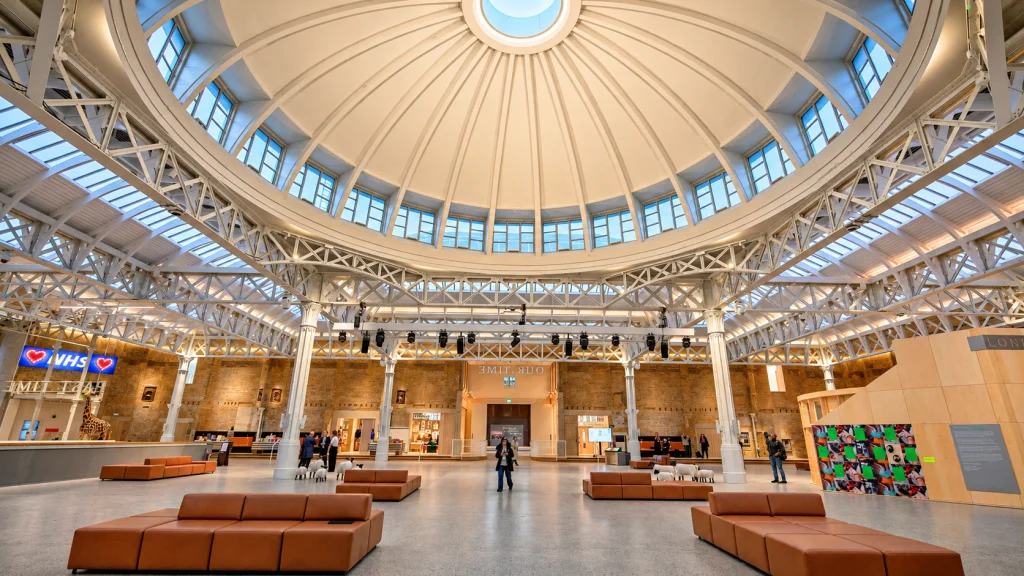
London has welcomed a major new cultural landmark with the opening of the world’s largest city museum on Saturday, November 28, following a decade of redevelopment costing approximately $570 million (£437 million).
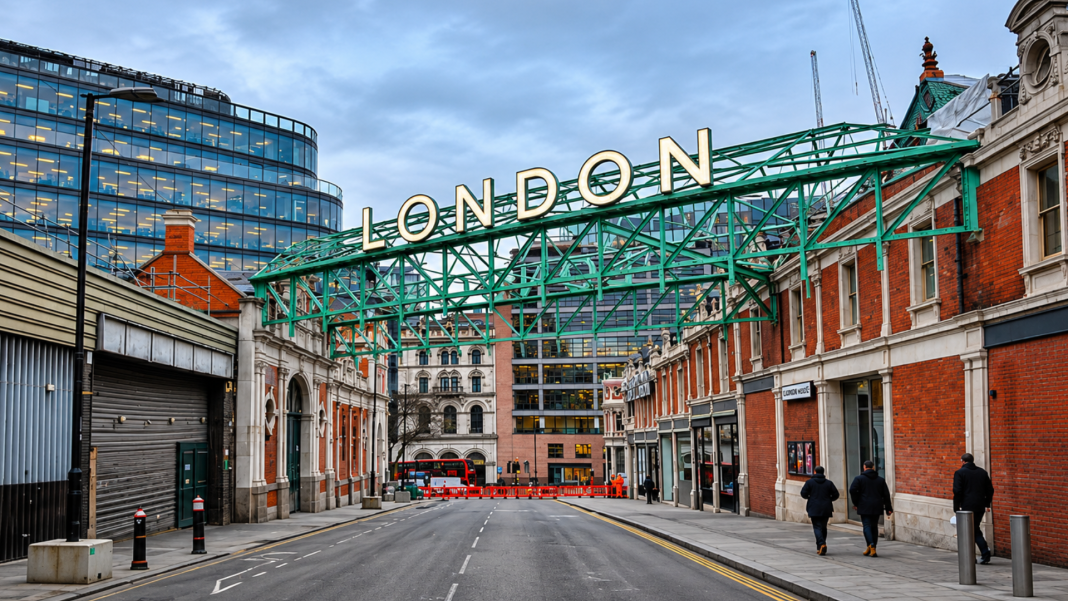
Located in the historic Smithfield district, London Museum occupies a restored Victorian market building that had been closed to the public for more than 30 years.
Previously known as the Museum of London, the institution is celebrating its 50th anniversary with a new name, expanded exhibition spaces and thousands of artifacts documenting the British capital’s history.
According to the museum, more than 100,000 people helped shape the project, including artists, craftspeople, writers and schoolchildren.
A historic Victorian market gets a new life
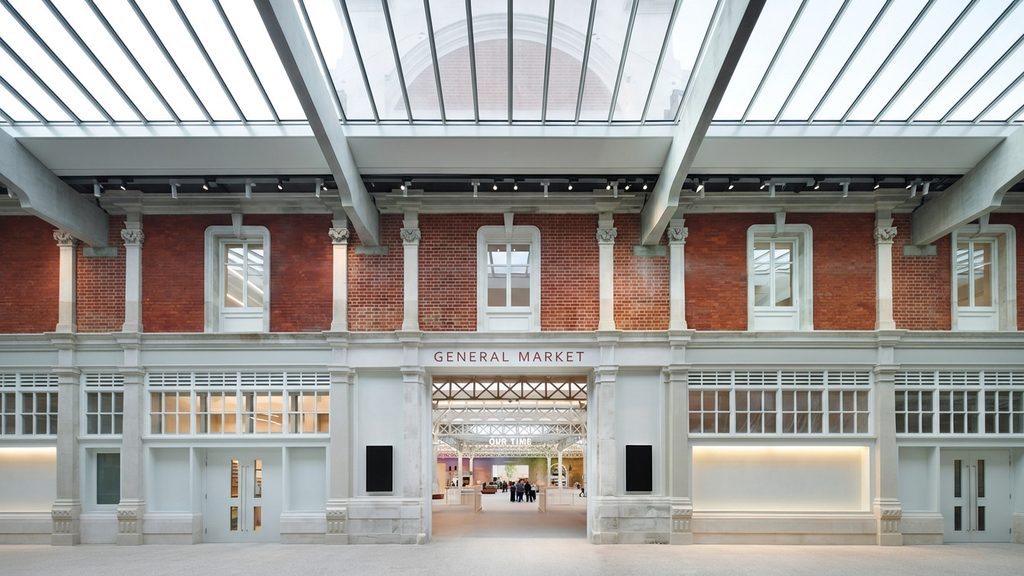
The museum occupies the former General Market, which opened in 1883 and operated for more than a century before closing in the 1990s.
Architects Stanton Williams and Asif Khan worked alongside conservation specialists Julian Harrap to restore the historic building.
The redevelopment involved more than 70 different trades, including stonemasons, blacksmiths and metalworkers.
The museum is divided into three main areas: Real Time, Our Time and Past Time. Together, they explore London’s contemporary identity, recent history and development from prehistoric settlements into a global capital.
One of its distinctive architectural features is a large glass window overlooking an active railway line, allowing visitors to watch trains pass through the site.
From royal treasures to London’s unusual sewer discovery
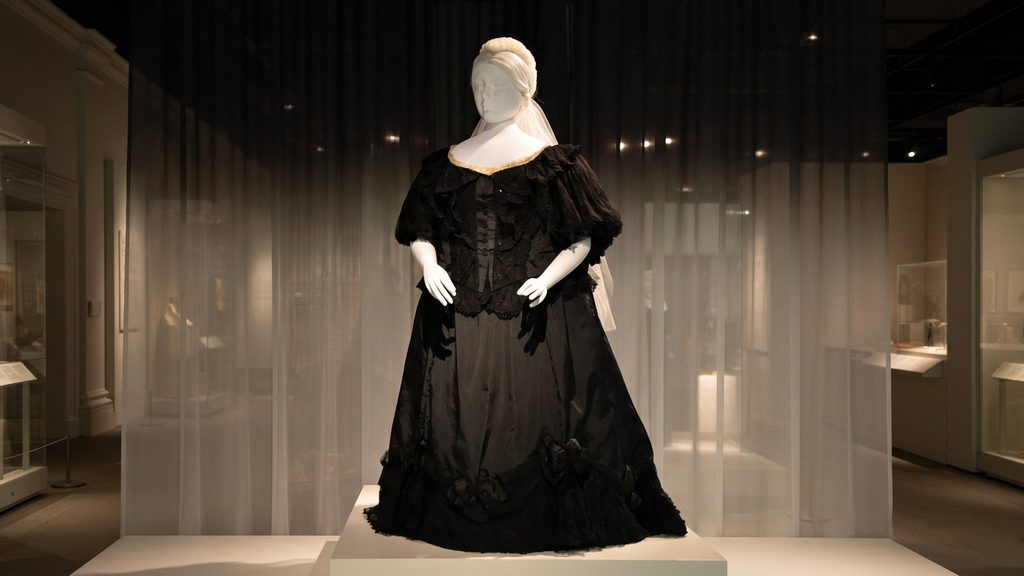
The museum’s collection brings together objects representing different aspects of London’s history and everyday life.
Among its notable exhibits are Queen Victoria’s black mourning dress, a telephone switchboard from Buckingham Palace and a chair believed to have been used by Charles Dickens while writing his novels.
Visitors can also discover the Cheapside Hoard, an extraordinary collection of centuries-old jewelry uncovered by construction workers in 1912.
One of the museum’s more unusual exhibits is a preserved fragment of the Whitechapel fatberg, a massive accumulation of oil, grease and wet wipes discovered blocking London’s sewer system in 2017.
Other highlights include a restored Roman mosaic, artwork by Banksy, memorabilia from the 2012 Olympic Games and a costume worn by renowned ballerina Anna Pavlova.
Free admission and further expansion planned
Admission to the museum’s permanent galleries is free, with digital audio tours also available to visitors.
The museum features restaurants, cafes, shops and event spaces, with extended opening hours on Fridays and Saturdays until 11 p.m.
A free exhibition exploring London’s Roman history is scheduled to open in the restored underground vaults in spring 2027.
The next phase of redevelopment will follow in 2028, when the neighboring Poultry Market opens with temporary exhibition galleries, educational facilities and collection storage spaces.
The project aims to make London’s history more accessible while creating a cultural destination that extends beyond traditional museum exhibitions.