

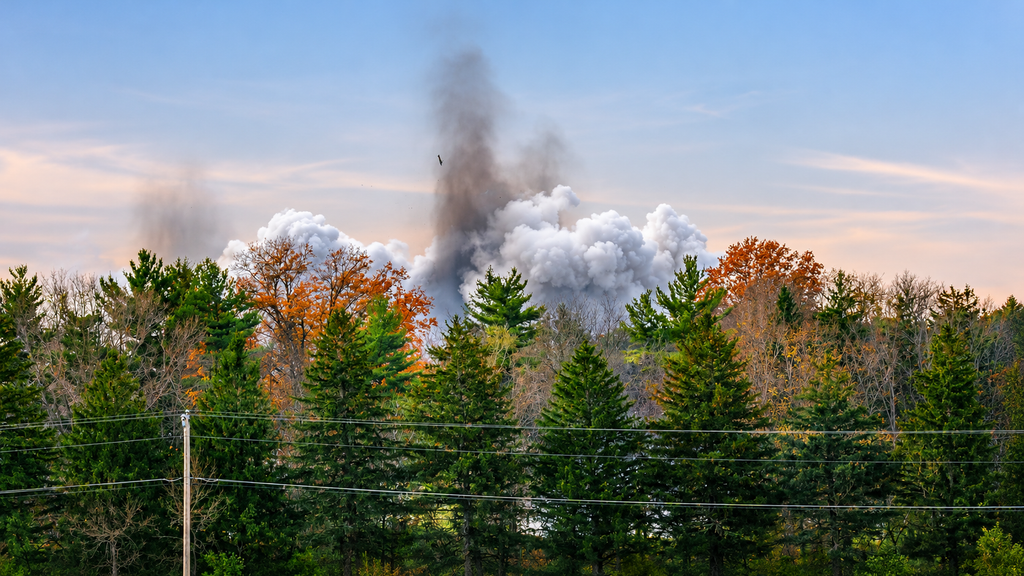
Residents in southeastern Iowa are seeking answers about the safety of their homes and farmland following the US Army’s controlled detonation at the Iowa Army Ammunition Plant in Middletown.
On November 28, 2026, the US Environmental Protection Agency (EPA) announced that no lead was detected in 38 water samples collected after the November 25 explosion.
Despite the encouraging findings, some residents are planning independent environmental tests and questioning why the hazardous material was allowed to reach such a dangerous condition.
The material, known as lead azide, is a chemical used in military explosives. The Army said it discovered that the material had become unstable in March 2026.
EPA releases new environmental test results
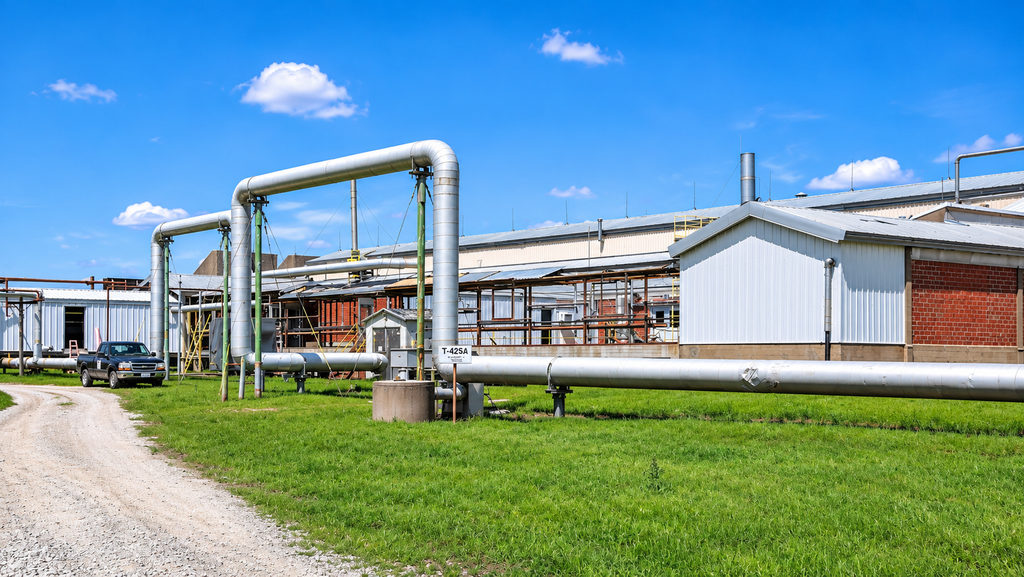
The EPA reported collecting more than 3,200 environmental samples, including 1,632 before the explosion and 1,607 afterward.
Teams collected samples of air, water, soil and dust from surrounding communities and farmland.
The agency returned to 187 previously tested buildings and collected samples at 27 public locations, including schools, churches, daycare centers and parks with playgrounds.
Follow-up sampling was completed at 88% of previously tested homes. Some properties remained inaccessible because residents were away.
Air monitoring equipment detected no airborne lead for 30 consecutive hours after the explosion. The equipment was switched off on November 26 following readings that remained below its detection limit.
Before the explosion, the EPA tested 35 water sources across Iowa, Illinois and Missouri. None were within the area where the dust cloud eventually traveled.
Four sources contained small amounts of lead before the explosion.
Further laboratory results covering soil, household tap water, dust and additional air samples remain pending.
Residents and lawmakers demand accountability
Melanie Knedler, a resident of Burlington, Iowa, told Reuters that she and her husband had taken precautions at home before the explosion.
She plans to send soil samples collected before and after the detonation to the University of Nebraska for independent testing.
Her experience reflects the uncertainty some residents continue to face despite the encouraging initial findings.
Iowa Governor-elect Rob Sand and US Senator-elect Josh Turek have called for an investigation into why the military stockpile was allowed to deteriorate.
US Senator Joni Ernst also called for greater transparency, saying early discussions with communities did not include important details about how far lead dust could travel.
The Army said it began communicating with local residents in March after discovering the unstable material. However, the planned detonation date was not announced until November 15.
Military officials maintained that a controlled explosion presented less risk to the public than an accidental explosion.
Iowa Governor Kim Reynolds welcomed the initial air monitoring results and promised that state agencies would continue monitoring environmental conditions.
While residents wait for further laboratory results, questions about the Army’s handling of the aging material and the long-term condition of nearby properties remain unanswered.