
Democrats have secured at least 259 seats in the US House of Representatives following the November 3 midterm elections, giving the party its largest House majority since 1990 and leaving President Donald Trump facing a divided government for the remainder of his presidency.
The latest election results also give Democrats control of the Senate with 56 seats, including two independents who caucus with the party, compared with 44 Republican seats.
The party gained a net total of 45 House seats and nine Senate seats, recording victories in several states traditionally dominated by Republicans.
Three House races remained unresolved as of November 24, including two Louisiana districts heading to runoff elections.
Mamdani points to progressive victories ahead of 2028 election
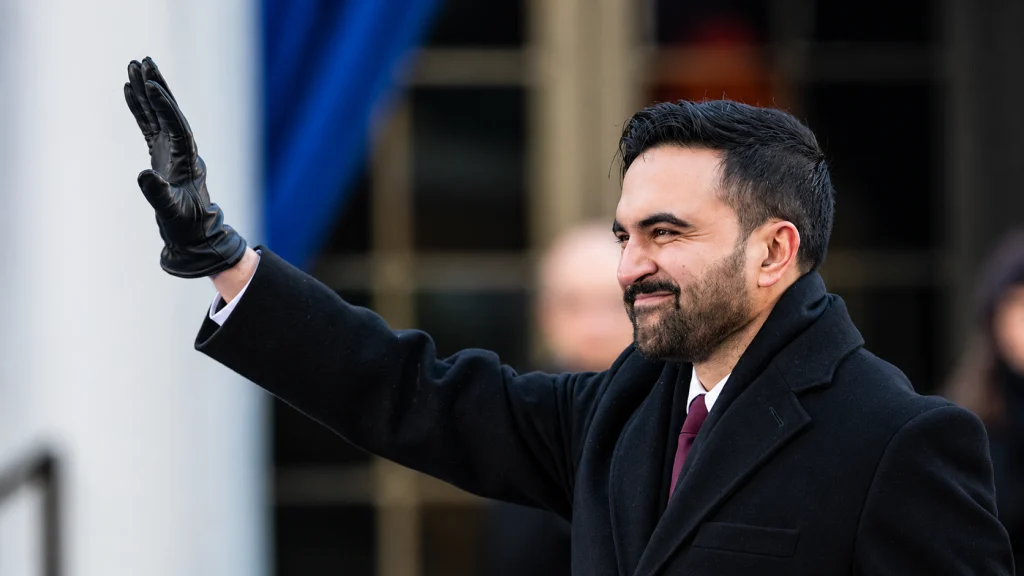
New York City Mayor Zohran Mamdani said on November 4 that the Democratic victories could create opportunities for a progressive presidential candidate in the 2028 election.
Mamdani pointed to the victories of James Talarico in Texas, Annie Andrews in South Carolina and Keisha Lance Bottoms in Georgia as examples of campaigns that reflected progressive political priorities.
Talarico defeated Republican Ken Paxton in the Texas Senate race, while Andrews secured a Senate seat in South Carolina and Bottoms won Georgia’s gubernatorial election.
Despite his party’s victory, Talarico expressed willingness to cooperate with Trump on issues including border security, housing affordability and reducing gasoline and diesel prices.
He also called for congressional oversight of the administration, illustrating how incoming Democratic lawmakers are approaching both cooperation with the president and scrutiny of his policies.
Democrats prepare affordability agenda and Trump investigations

House Democratic leader Hakeem Jeffries has identified affordability, government accountability and protecting constitutional rights as priorities for the incoming Congress.
His proposed agenda includes addressing housing and healthcare costs, restoring food assistance funding, reversing Medicaid cuts and extending healthcare tax credits.
Democratic lawmakers have also outlined plans to investigate the Trump administration, including federal spending, immigration enforcement and potential conflicts of interest involving the president’s family.
However, Democrats will still face limitations on their legislative authority because Trump retains the power to veto legislation.
Republican leaders have offered differing explanations for their election losses. Vice President JD Vance pointed to public frustration over the war with Iran and its impact on fuel prices.
Texas Republican Sen. Ted Cruz also acknowledged economic dissatisfaction among voters, citing high food, fuel and insurance costs while calling on his party to deliver on its economic commitments.
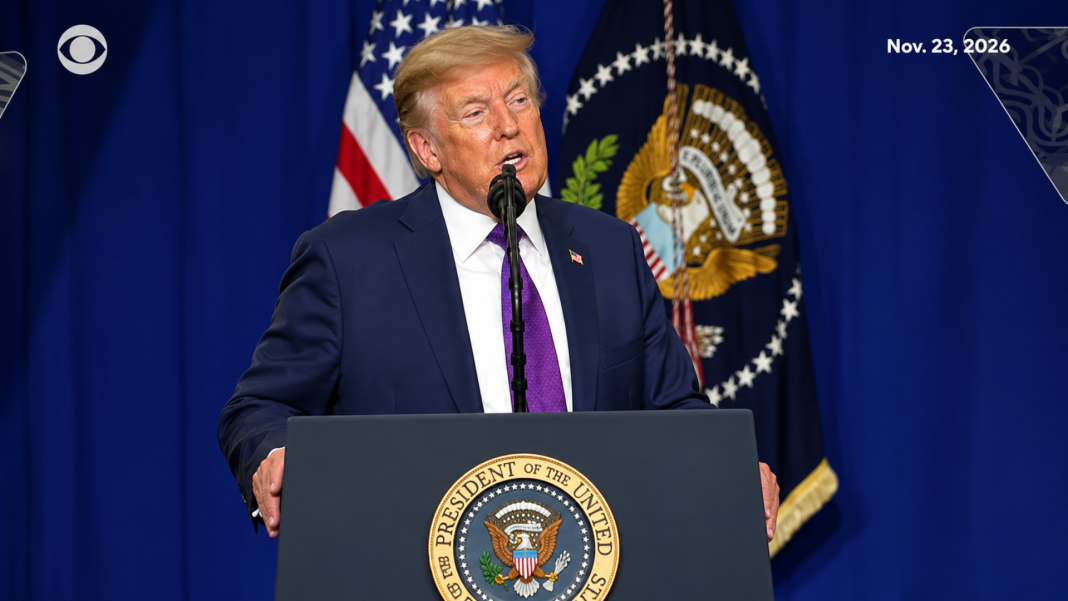
Following the election, Trump said he did not regard the results as a personal defeat because he was not on the ballot.
Democrats will assume control of both chambers in January 2027, when the new Congress convenes. Their ability to advance legislation while negotiating with a Republican president will be a central challenge during the final two years of Trump’s term.