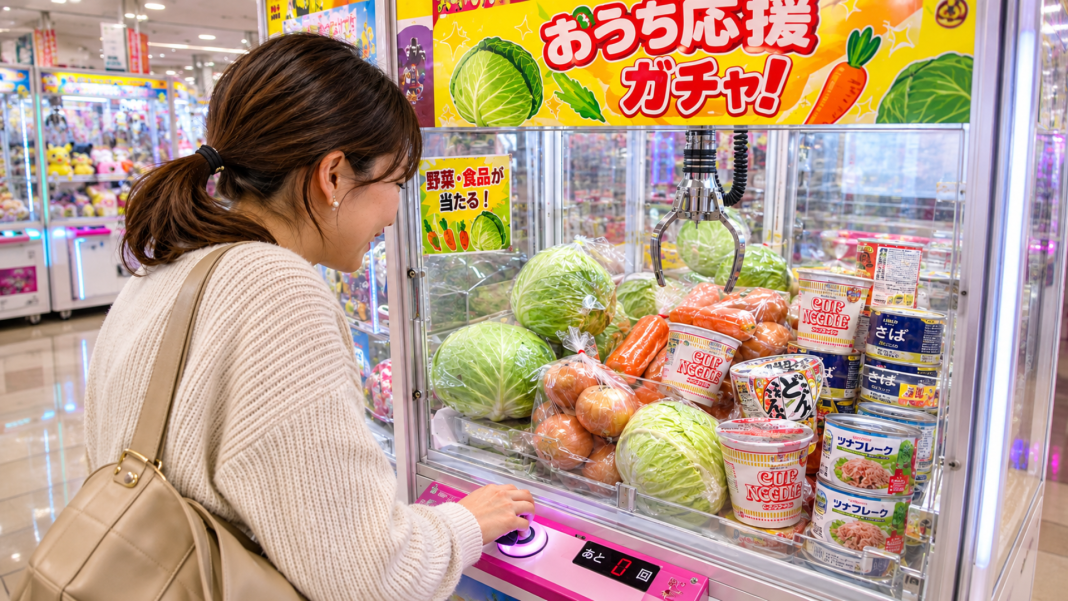

Claw machines in Japan are becoming more than a source of entertainment as rising living costs put pressure on household budgets. Some amusement centers are now offering groceries and everyday household products alongside traditional prizes such as stuffed animals and toys.
Customers can try to win eggs, bags of rice, toilet paper and laundry detergent. For some families, these games offer a chance to bring home useful products while enjoying a day out.
The trend comes as Japan continues to face rising consumer prices. According to the Statistics Bureau of Japan, consumer prices increased by 2.3% in October 2026 compared with the same month last year.
From stuffed toys to everyday essentials
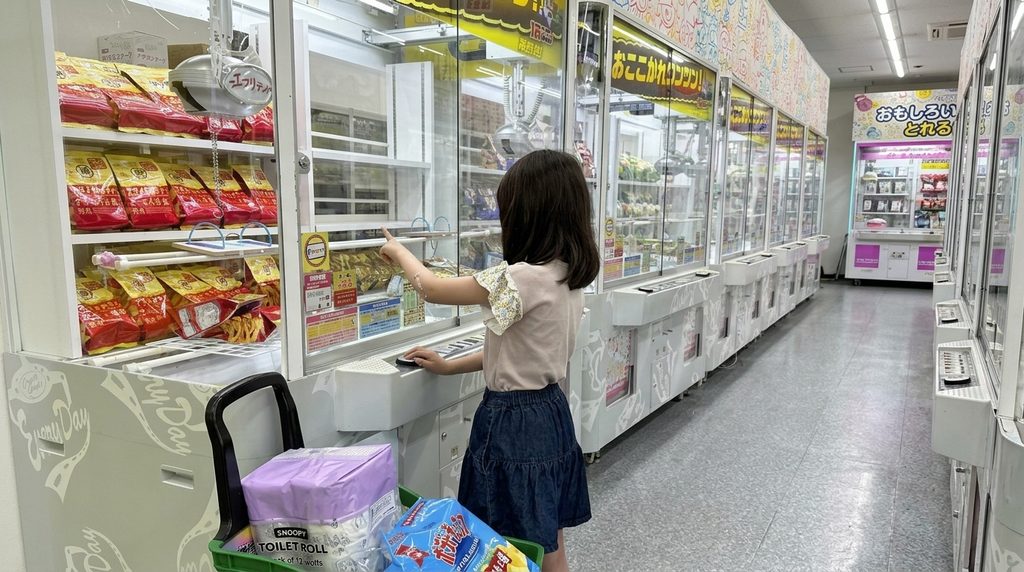
Everyday Tama no Kuni, a former amusement center in Tokyo, offered visitors more than 400 claw machines. The center permanently closed on November 3, 2026, because its aging building was set to be demolished, according to its operator.
Before its closure, prizes included packaged curry, snacks, potatoes, onions and oranges. The center also had an eating area where visitors could enjoy food they had won.
Some machines offered snacks for as little as five or 10 yen per attempt. Others contained food products approaching their expiration dates, which the center said were easier to win.
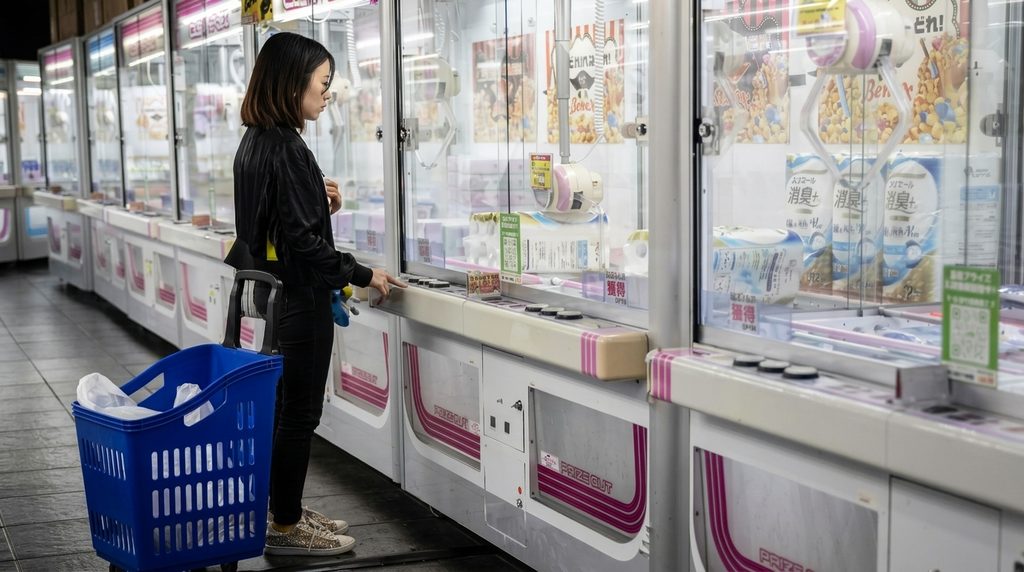
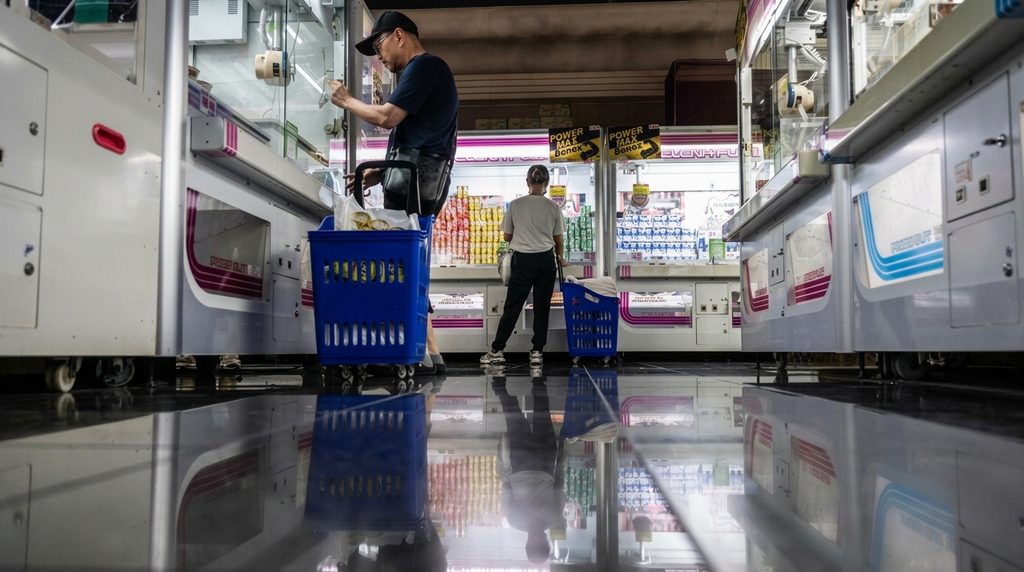
Benex, another Japanese arcade chain, stopped offering video games and token machines in 2025 to focus on claw machines. Its November prize listings include coffee, packaged soup and rice.
The company operates amusement centers in Saitama and Kanagawa and welcomes around one million visitors annually. Its operator reported that revenue from household products had grown to 2.6 times its previous level over two years.
While customers may occasionally win products for less than their supermarket price, success is not guaranteed. Repeated attempts can quickly cost more than buying the same item directly from a store.
A growing business for Japanese arcades
Japan’s claw machine industry was already growing before household products became more popular as prizes.
According to the Japan Amusement Industry Association, games that offer prizes generated around 417.7 billion yen in sales during the 2024 financial year.
That figure was more than double the amount recorded a decade earlier. Prize games accounted for approximately 68% of Japan’s total arcade sales in 2024.
Businesses are attracting more customers by offering products that appeal to entire families rather than focusing mainly on toys and collectibles.
Aeon Fantasy, an entertainment company belonging to the Aeon retail group, introduced its first dedicated area for food and household prizes in October 2025.
By October 2026, the company had established seven such areas. It also plans to open around 60 new locations using this format between the 2026 and 2030 financial years.
Traditional toys remain an important part of Japan’s arcade culture, but the growing range of practical prizes shows how these businesses are responding to changing customer needs.
For families facing higher living costs, the appeal of winning something useful adds a new dimension to a familiar form of entertainment.