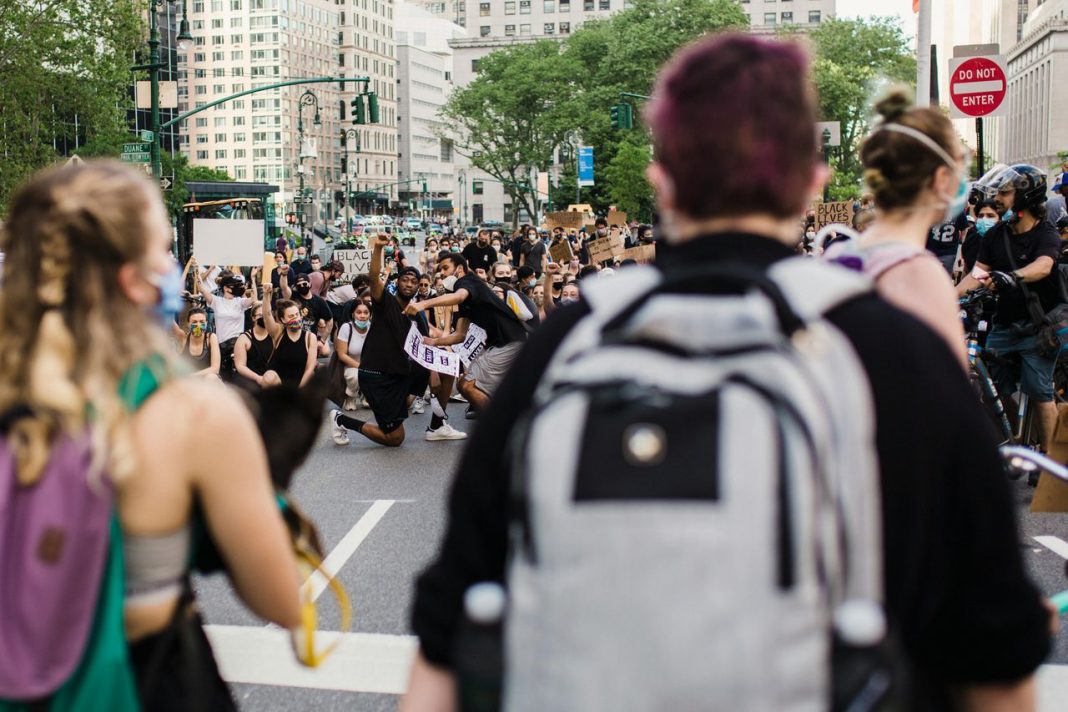

Minneapolis is moving ahead with a long-debated reconstruction of George Floyd Square, six years after the intersection became a global symbol of protest and remembrance. For some of the businesses that have endured years of uncertainty around 38th Street and Chicago Avenue, the start of construction now brings a new worry: whether they can stay open long enough to see the project finished.
A major rebuild begins at a place of grief, memory and daily commerce
City officials say work at George Floyd Square starts on June 8, 2026, launching street and infrastructure improvements expected to continue through 2027. According to the City of Minneapolis, the project follows years of engagement with neighbors, artists, caretakers, businesses and community groups, and is intended to balance remembrance with transportation, safety and economic needs. The city says the reconstruction will cover about 0.5 miles of Chicago Avenue and 38th Street, extending along 38th Street from Park Avenue to 10th Avenue and along Chicago Avenue from 37th Street to 39th Street.
The adopted design includes flexible gathering space, art and memorial features, pedestrian safety measures, traffic calming, green space, stormwater improvements, restored transit service, new bikeways, access to homes and businesses, and on-street parking. Minneapolis officials have described the work as part of a broader effort to honor George Floyd’s legacy while making the area safer and more functional for residents, visitors and merchants. The city has repeatedly said George Floyd Square will remain a place for remembrance, healing, protest and community connection even as construction moves forward.
The project has been shaped by years of public debate over how to preserve a sacred site while reopening and rebuilding a key commercial corridor. George Floyd was murdered by a Minneapolis police officer at 38th and Chicago on May 25, 2020, and the intersection quickly became a memorial and organizing center for racial justice activism. Since then, city leaders have faced pressure from competing constituencies: some urging stronger preservation of the memorial landscape, others calling for basic infrastructure improvements, access and business recovery.
In a March update, the city said substantial completion is targeted for 2027. A city communications plan shows the work will be carried out in two phases. Phase 1 runs from June 2026 into March 2027 and excludes the central intersection itself, focusing instead on adjacent stretches of 38th Street and Chicago Avenue. Phase 2, planned for March through December 2027, includes the intersection and nearby blocks. Officials say community gathering space will remain available during construction, even if locations shift, and artists and residents are being involved in plans to maintain access to memorials.
Business owners say construction could deepen years of hardship
For merchants near the square, the city’s promises have done little to erase anxiety about what the next two years could mean for already fragile storefronts. Some owners say they have spent years navigating reduced traffic, periodic street closures, public safety concerns and uneven customer patterns since 2020. Now they fear a prolonged construction schedule could be the blow that pushes some shops over the edge.
FOX 9 reported that nearby business owners worry the project will sharply reduce foot traffic and make it harder for customers to reach them. KingDemetrius Pendleton, owner of Listen to Us Studio, told the station the reconstruction is “going to impact all the business abysmally,” adding that many in the community are still coping with the legacy of what happened there six years ago. His comments captured a broader frustration among business operators who say the area has carried an outsized burden of grief, political conflict and economic uncertainty.
The city’s own construction communications plan shows officials anticipated those concerns. The document lists business support, business access, mitigation measures and parking among the central issues for stakeholders around the square. It also notes that those living or working within two blocks of 38th and Chicago will be affected daily and identifies transit delays, visitor access and communication about construction impacts as major concerns. That language underscores the extent to which the city sees the rebuild not simply as a public works job, but as a sensitive intervention in a neighborhood still trying to stabilize.
Even so, uncertainty remains about how effectively city outreach can offset the financial hit. Minneapolis has said it will provide regular construction updates, direct mail, meetings with affected property owners, signage and media outreach. But for small businesses operating on thin margins, access disruptions can have immediate consequences. Owners have argued for years that survival depends not only on long-term investment in the square, but also on near-term help with visibility, parking, deliveries and customer confidence while the work is underway.
The reconstruction is only one part of a larger fight over the square’s future
The street project is unfolding alongside separate decisions about the future of Peoples’ Way, the former gas station property at the heart of George Floyd Square. In May, Minneapolis staff recommended awarding the Minnesota Agape Movement exclusive development rights for the site, calling it another major step in the square’s long-term redevelopment. Mayor Jacob Frey said at the time that George Floyd Square carries significance not only for Minneapolis but for people around the world, and city officials said the development process would continue with community engagement.
Under that recommendation, the group would have two years, with a possible one-year extension, to prepare a development plan in collaboration with the city and the community. Officials have said the property would remain city-owned until funding, permits and final approvals are secured. The proposal reflects the city’s effort to pair physical reconstruction of the streets with a broader plan for land use, public space and memorial stewardship. But it has also shown how unsettled the future of the square remains, even as bulldozers and crews begin their work nearby.
Debate has continued at City Hall and in the neighborhood over who gets to shape that future and what trade-offs are acceptable. Public documents show the City Council approved the street concept layout on December 11, 2025, while also directing staff to evaluate parts of an alternative community street plan. Local reporting this spring described continued dissonance among caretakers, neighbors and business leaders over whether the city’s adopted vision goes far enough in preserving the square’s existing character or in supporting commerce and mobility.
That tension helps explain why the start of construction is being received with both relief and dread. For city officials, June 8 marks progress after years of planning and delay. For some community members, it is a chance to build safer streets and a more durable future around a site of international importance. For nearby businesses, however, the rebuild is also a test of whether Minneapolis can protect a place of memory without sacrificing the merchants who remained through its hardest years. Their survival may determine whether George Floyd Square emerges from reconstruction not only as a memorial space, but as a functioning neighborhood business district as well.