
1. Toyota MR2
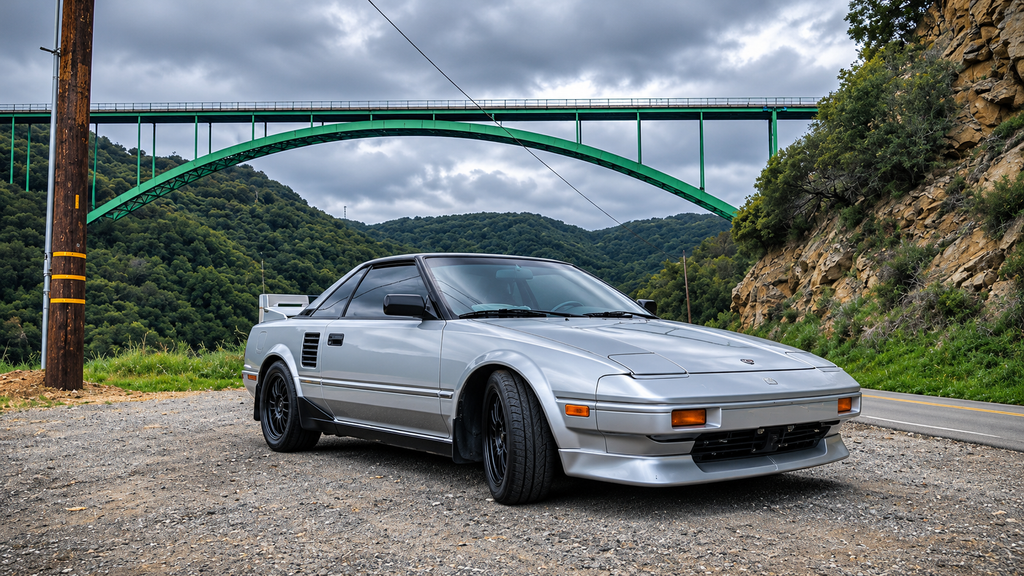
The Toyota MR2 offers the excitement of a small sports car without the price of an exotic vehicle. Its compact design and engine placement make it particularly interesting to driving enthusiasts.
Some early third-generation MR2 models have experienced excessive oil use. The condition of the engine and how well it has been looked after can make a big difference to the driving experience.
2. Mazda RX-7
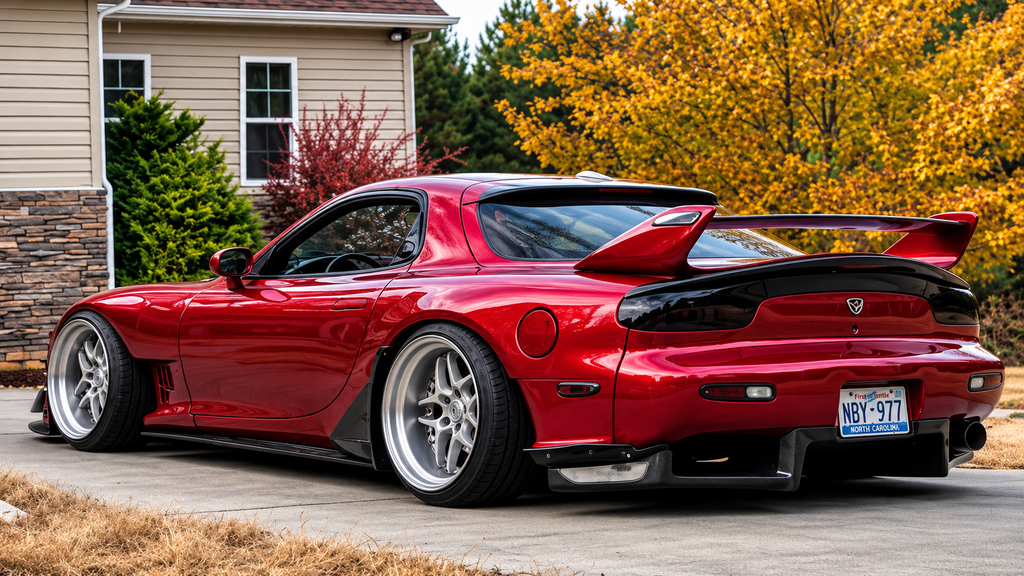
The Mazda RX-7 stands out because of its unusual rotary engine and sporty design. It remains a favorite among Japanese sports car enthusiasts.
Its engine works differently from a traditional car engine and requires particular attention. Finding a mechanic who understands rotary engines can also be challenging in some areas.
3. DMC DeLorean
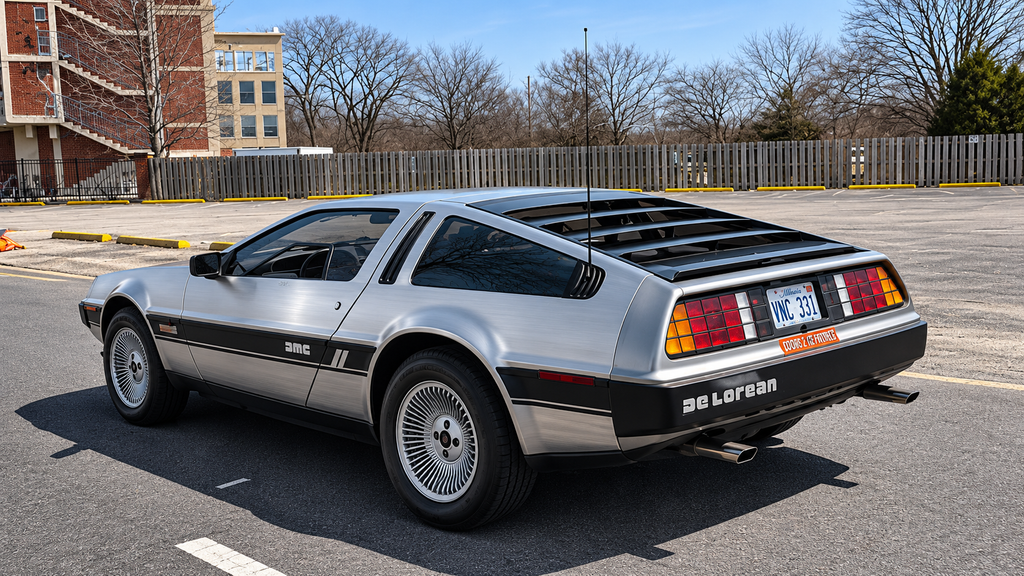
The DeLorean became famous after appearing in the 1985 movie Back to the Future. Its stainless steel body and upward-opening doors still make it instantly recognizable.
Despite its sporty appearance, the American-market version produced around 130 horsepower. Drivers expecting modern sports car performance may find the experience quite different from what they imagined.
4. Porsche 911
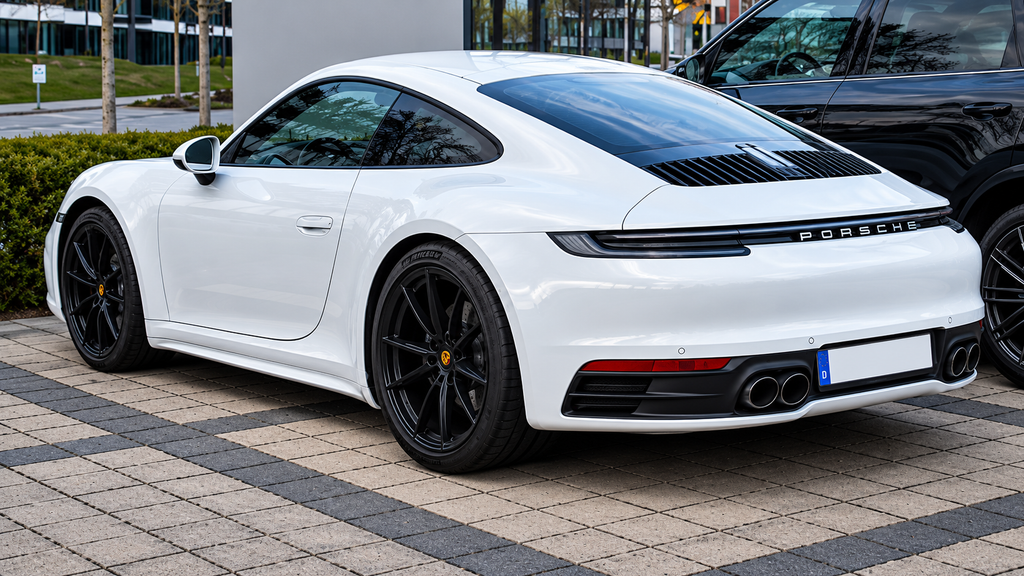
Few sports cars have remained popular for as long as the Porsche 911. Its familiar shape and driving experience have attracted generations of car enthusiasts.
The cost of keeping one on the road varies greatly between models. Replacement tires, brakes and repairs can be more expensive than those of an ordinary family car.
5. Porsche 996 Carrera
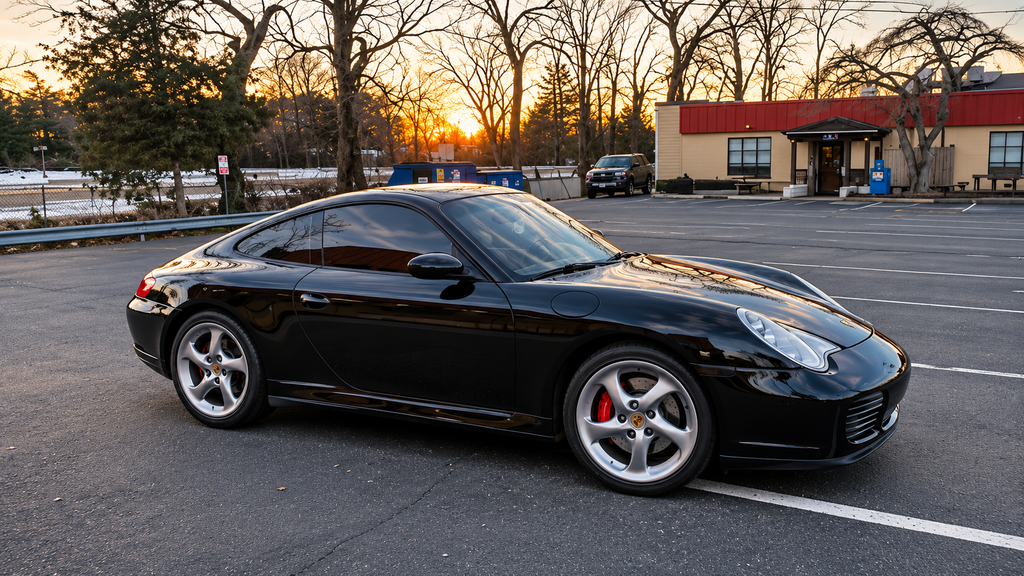
Introduced in 1997, the 996 was the fifth generation of the Porsche 911. It also marked the model’s move from air-cooled to water-cooled engines.
Some Carrera engines from this generation have experienced problems with a part known as the intermediate shaft bearing. If this part fails, it can cause serious engine damage. A detailed repair history is especially valuable for these cars.
6. Ferrari Testarossa
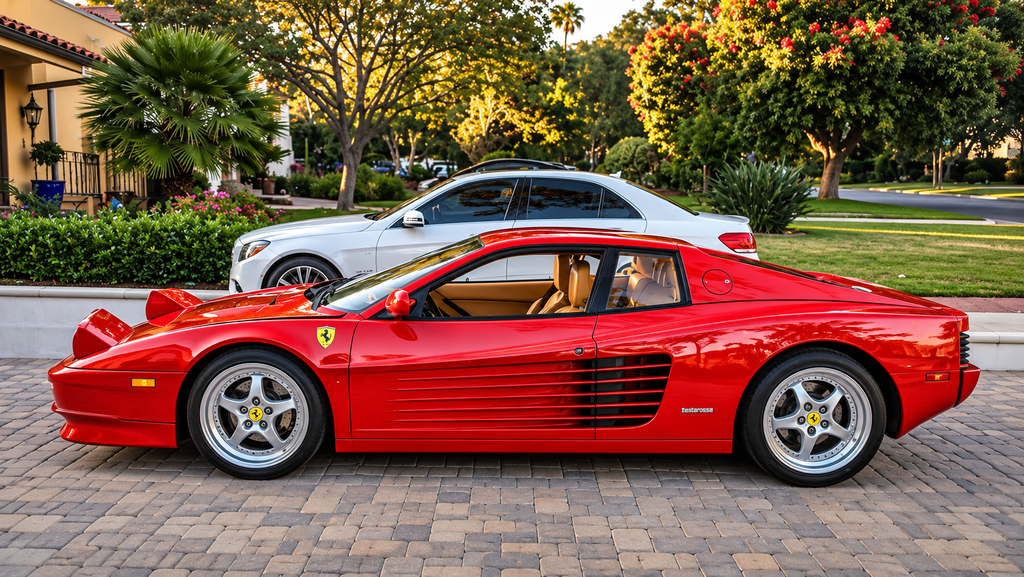
The Ferrari Testarossa became one of the most recognizable sports cars of the 1980s. Its wide body and distinctive side panels helped make it a childhood favorite.
Keeping a Testarossa in good condition can involve expensive work. Certain major services, including timing belt replacements, require removing the engine, which adds considerably to labor costs.
7. Ferrari F355
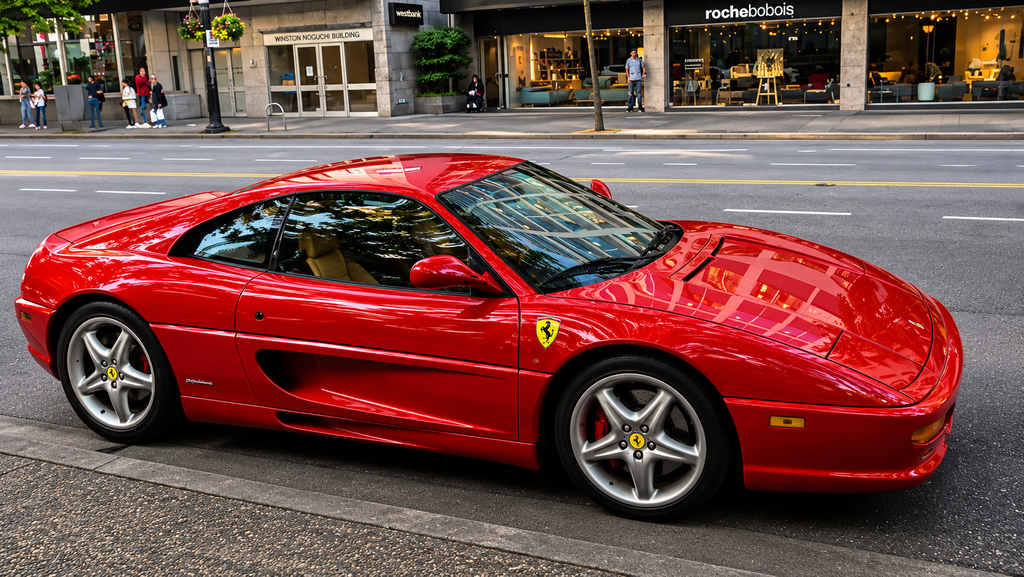
The Ferrari F355 arrived in 1994 and became known for its attractive styling and powerful V8 engine.
Regular timing belt replacements are among the expenses associated with this model. As the car gets older, its interior materials and electrical equipment may also need repairs.
8. Lamborghini Gallardo
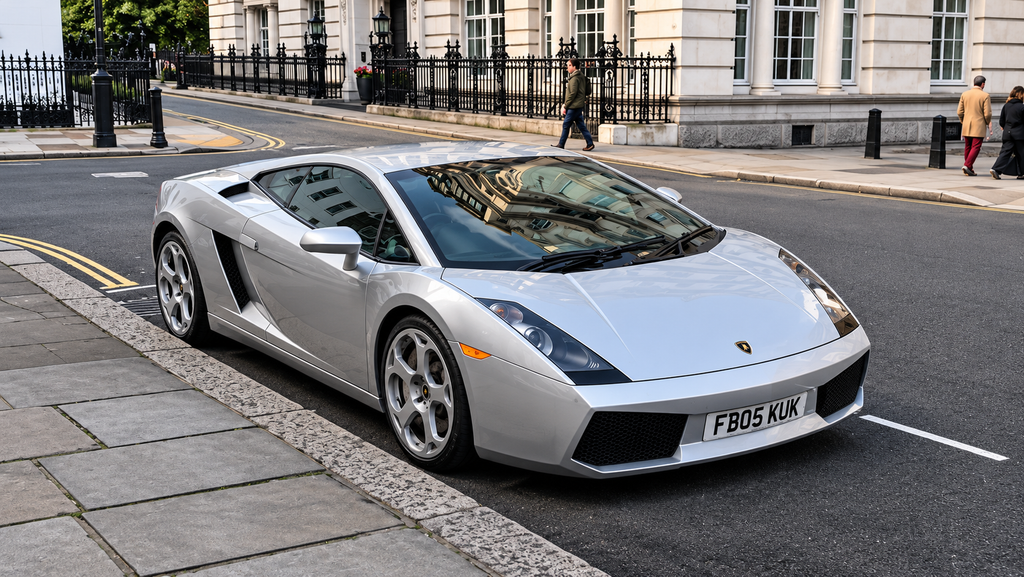
Lamborghini introduced the Gallardo in 2003 and continued producing it until 2013. Its V10 engine and sharp design made it one of the company’s most recognizable modern cars.
Versions fitted with the automated E-gear transmission require particular attention to clutch condition. A worn clutch can lead to a costly repair, even if the rest of the car appears to be in excellent shape.
9. BMW E21
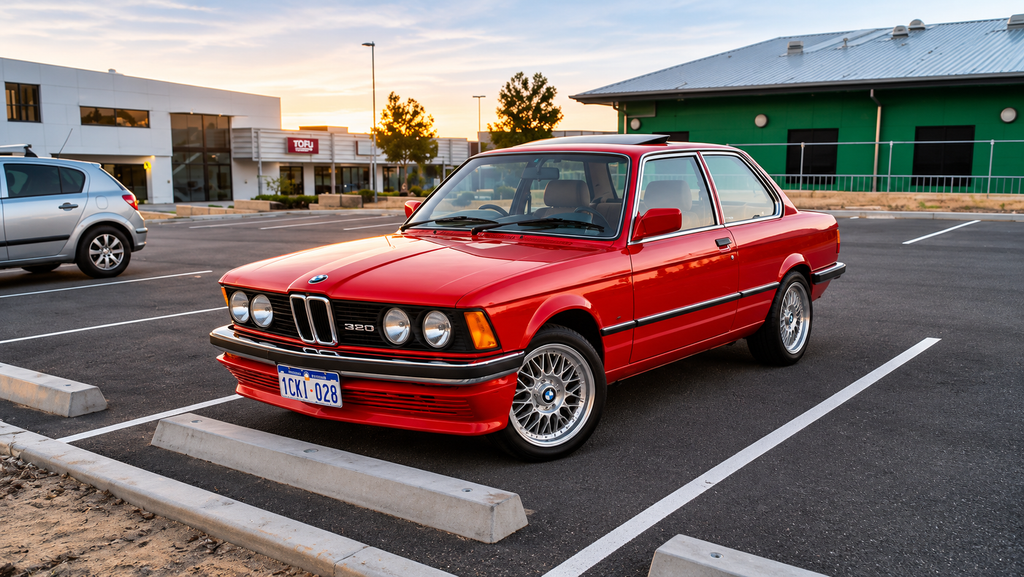
The BMW E21 introduced the world to the BMW 3 Series in 1975. Its simple design and sporty character helped establish a successful family of cars.
Today, even the newest examples are several decades old. Rust, worn parts and the quality of earlier repairs can have a greater effect on the car than its original reputation.
10. BMW E31
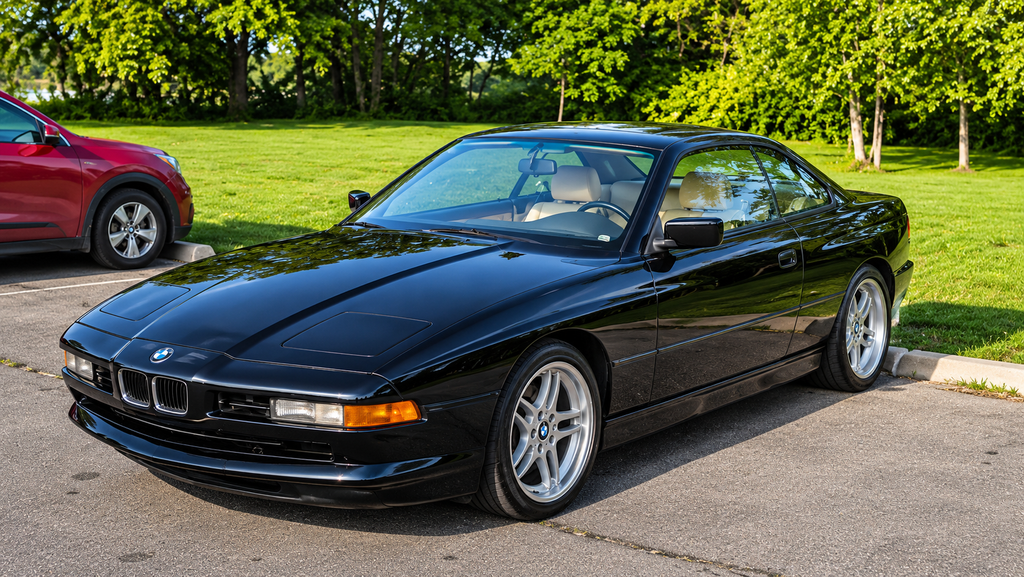
BMW introduced its first 8 Series at the Frankfurt Motor Show in 1989. The E31 offered advanced technology, luxury and, in some versions, a V12 engine.
Much of that technology was impressive when the car was new. Decades later, keeping its electrical equipment and cooling systems working properly can require considerable time and mechanical knowledge.
11. Aston Martin DB7
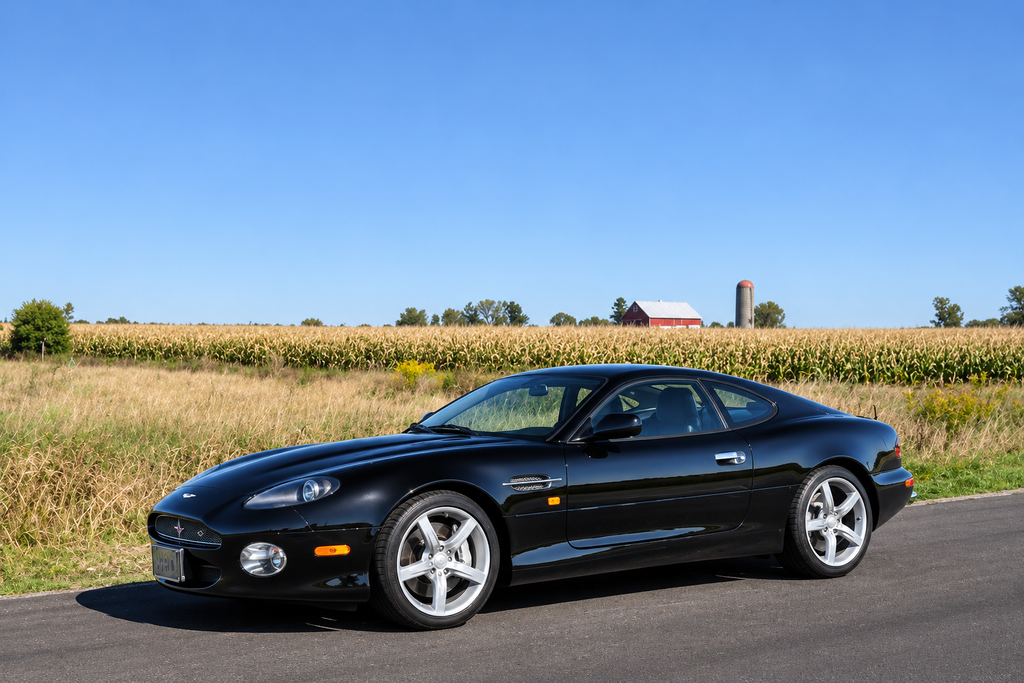
The Aston Martin DB7 combines elegant British styling with the appeal of a luxury sports car. Both six-cylinder and V12 versions were available during its production years.
Rust and aging cooling systems can lead to expensive repairs. Two cars that look equally attractive from the outside may be in very different mechanical condition.
12. Jaguar E-Type
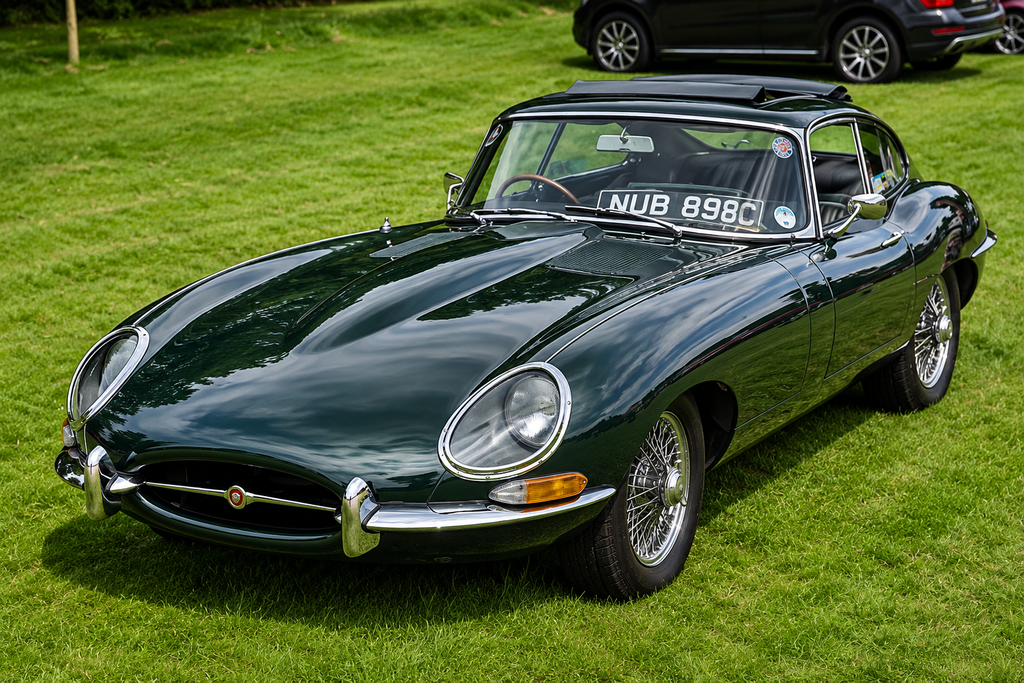
The Jaguar E-Type helped define British sports car design during the 1960s. Its long hood and curved body remain popular with collectors.
Restoring one can involve much more than improving its appearance. Rust underneath the car and damage to its supporting structure can lead to extensive repair work.
13. Jaguar XJS
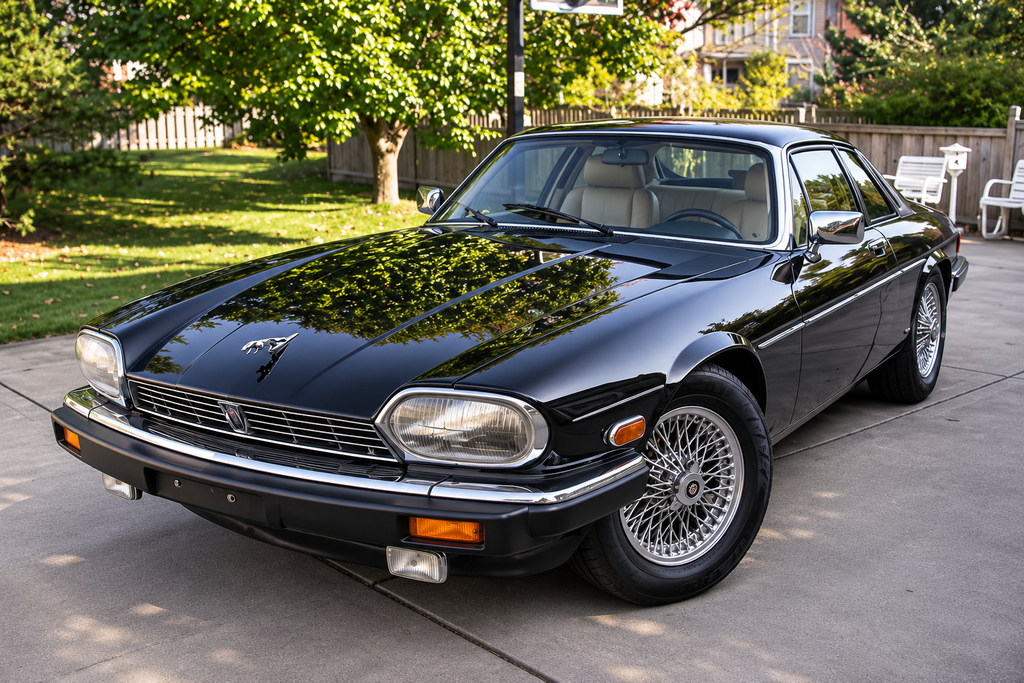
The Jaguar XJS offers a comfortable approach to luxury sports car ownership. Its long body and available V12 engine helped it stand out.
Older examples may develop rust or cooling system problems. Working on the more complex V12 engine can also require a mechanic with experience in older Jaguars.
14. Lotus Elan
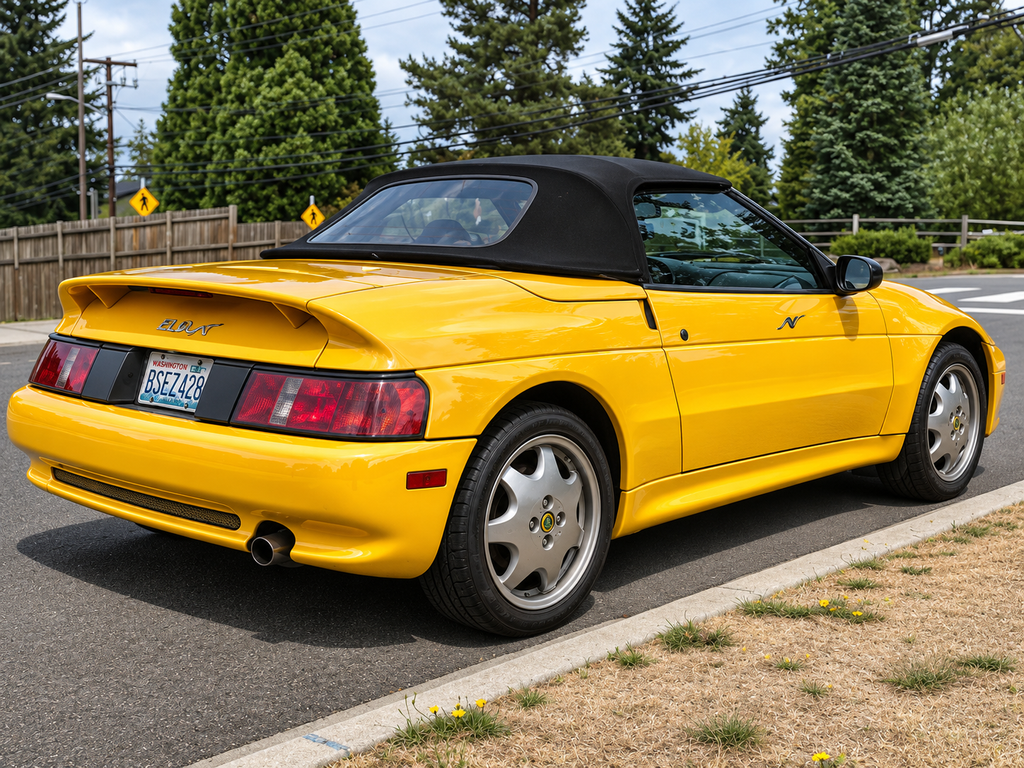
The classic Lotus Elan was designed around light weight and enjoyable handling rather than large amounts of engine power.
Its fiberglass body does not rust like a steel body, but the metal frame underneath can still develop rust. Cracks in the fiberglass and worn mechanical parts may also need attention.
15. Triumph Spitfire
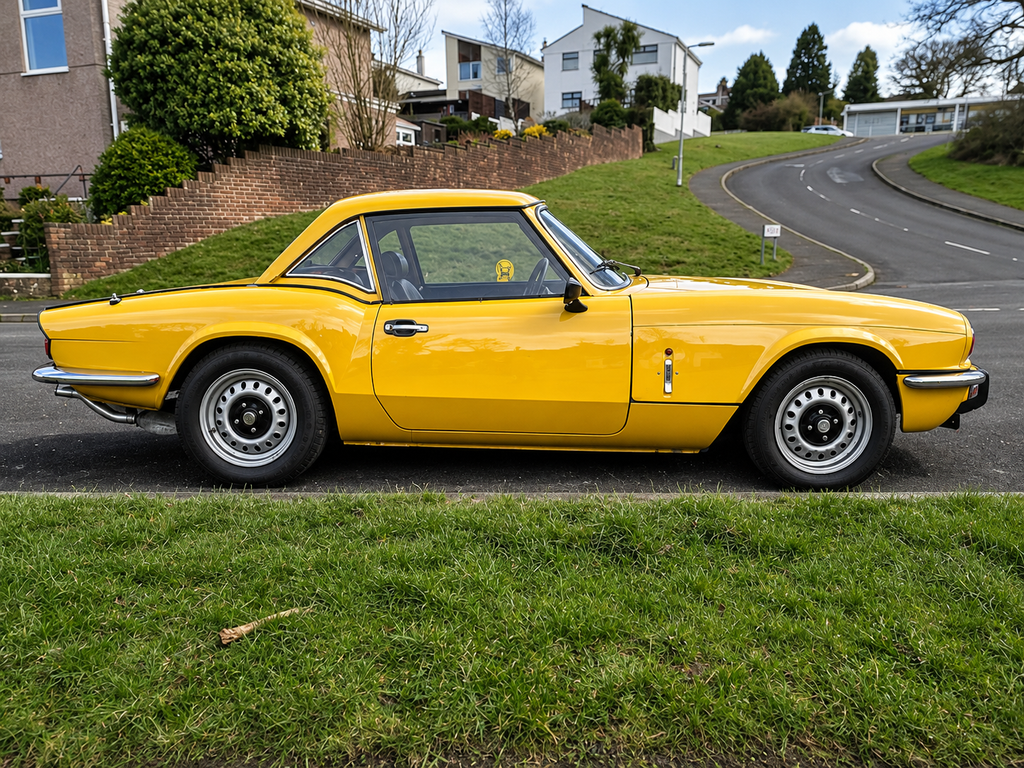
The Triumph Spitfire brings together many features associated with traditional British sports cars. It is small, light and offers the experience of driving with the roof down.
Its modest engine power may feel limited compared with modern sports cars. Rust and worn engine parts can also affect surviving examples, particularly those that have spent years without proper care.
16. Austin-Healey 3000
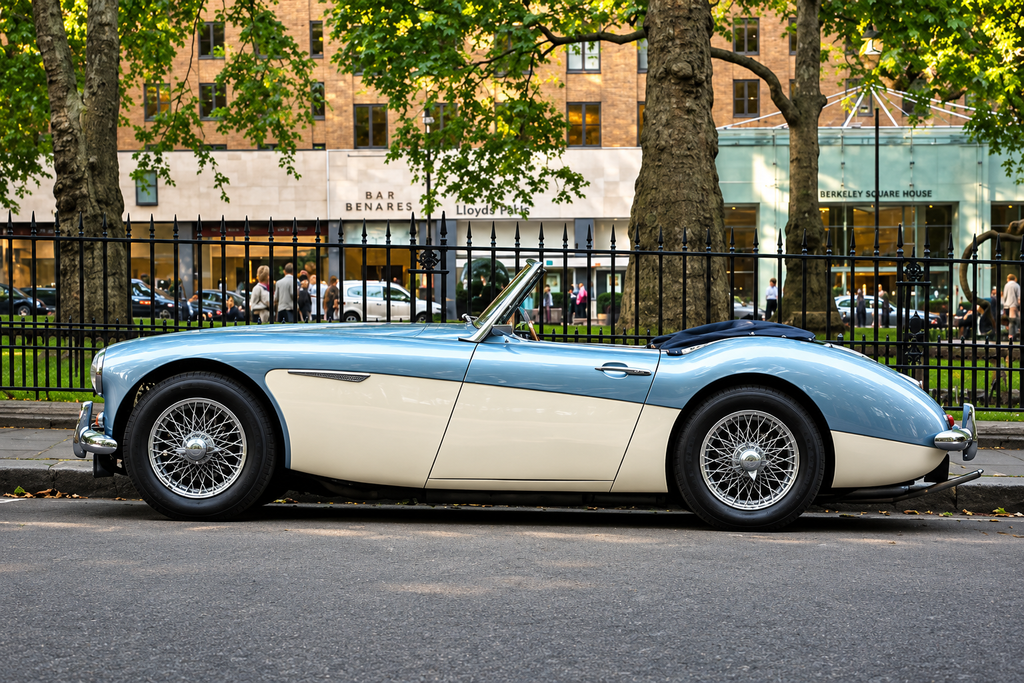
The Austin-Healey 3000 remains a popular classic because of its traditional appearance and six-cylinder engine.
Many surviving examples have undergone repairs or restoration over the years. Damage caused by rust in the supporting frame can be particularly expensive to fix, even when the paint and interior look excellent.
17. Jensen Interceptor
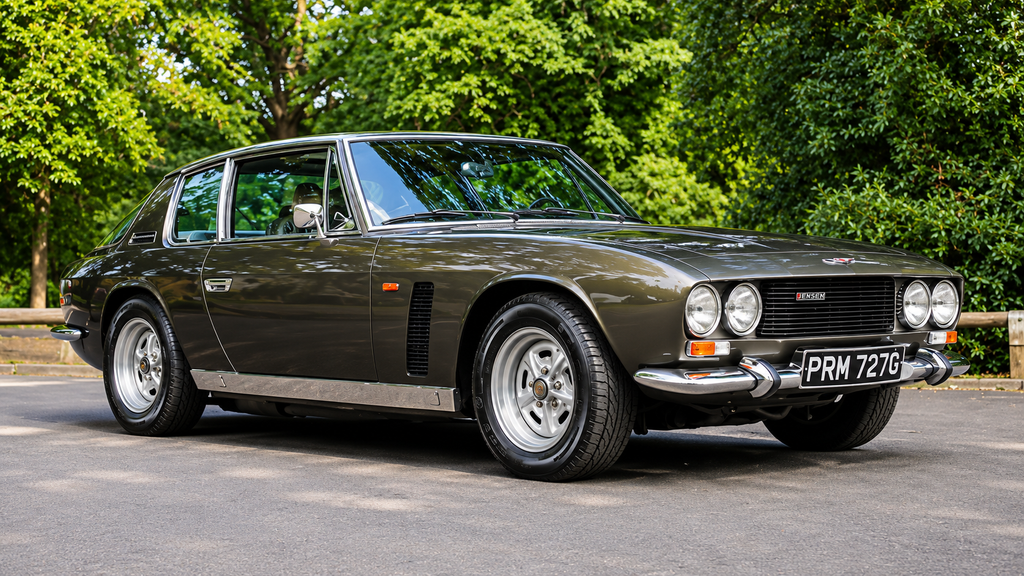
TheJensenInterceptor combines British craftsmanship with a large American V8 engine. Its distinctive body and comfortable interior give it a character of its own.
The large engine can use considerable amounts of fuel. Rust is another concern, especially when damaged metal is hidden beneath layers of paint or earlier repair work.
18. Citroën SM
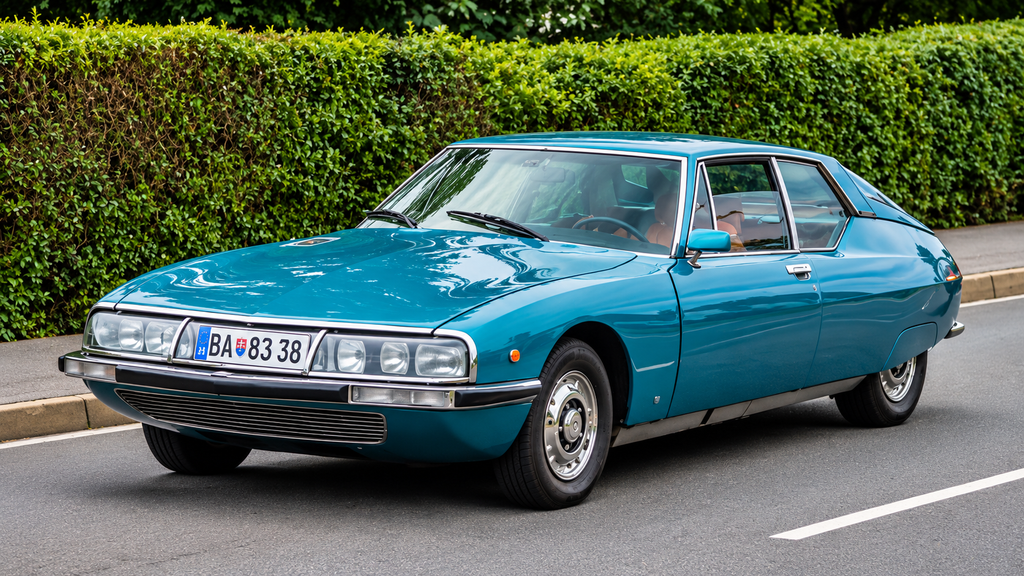
Introduced in 1970, the Citroën SM combined French engineering with a Maserati V6 engine. It also featured an advanced suspension system that used pressurized fluid.
These features helped the car stand out when it was new. Finding someone who understands both its engine and unusual suspension can be one of the biggest challenges of keeping it running today.
19. Alfa Romeo Giulietta Spider
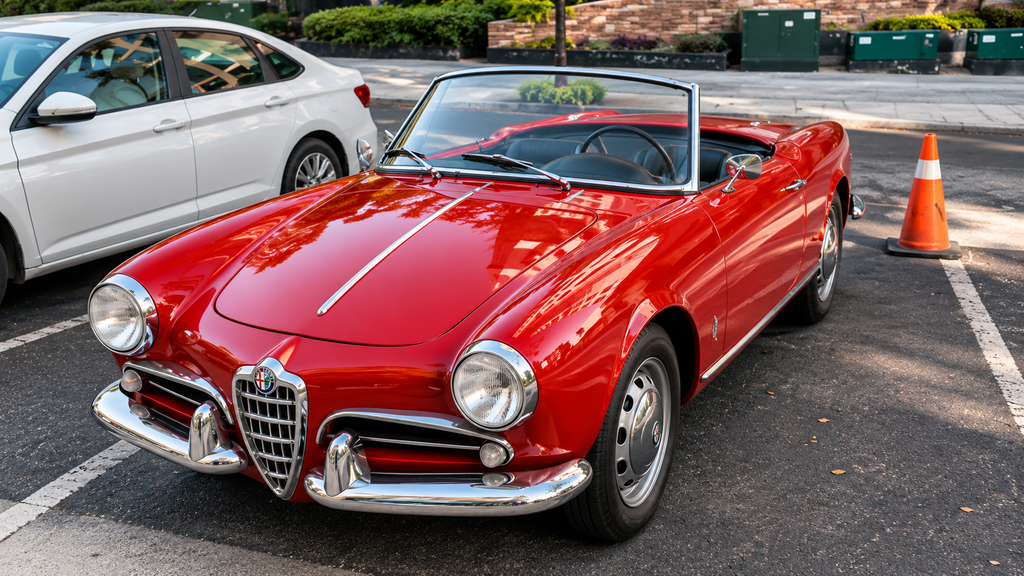
The classic Alfa Romeo Giulietta Spider captures the appeal of Italian open-top sports cars. Its small size and attractive body make it a favorite among collectors.
Rust is an important concern on surviving examples. Damage hidden beneath carpets, paint or older repairs can turn a seemingly simple restoration into a much larger project.
20. Lancia Montecarlo
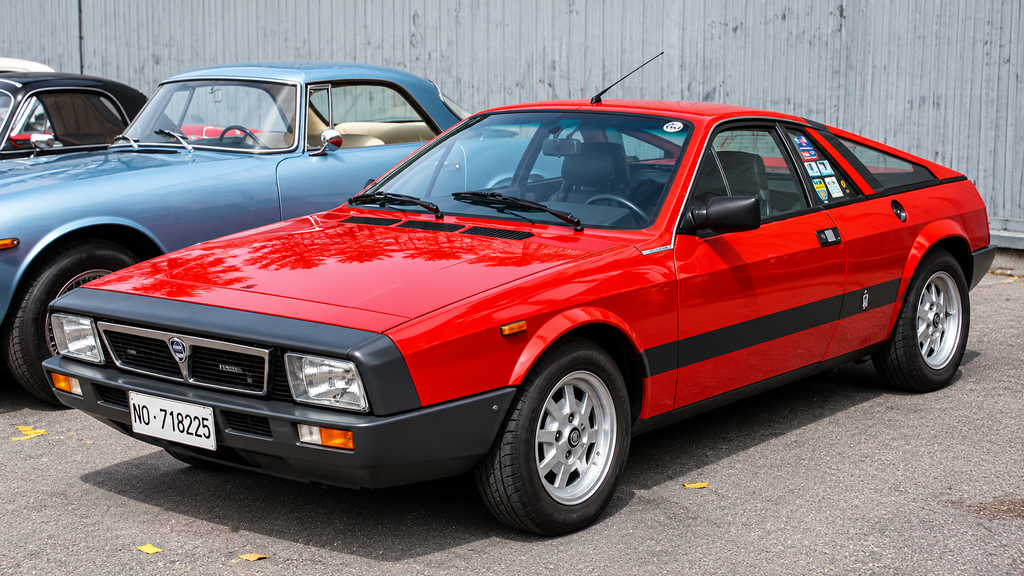
The Lancia Montecarlo offers the appearance and layout of a compact Italian sports car.
Early versions experienced problems with the front brakes locking. Lancia changed the braking system when the second series arrived in 1980.
Today, finding certain replacement parts may present another challenge because of the car’s age.
21. Maserati Quattroporte
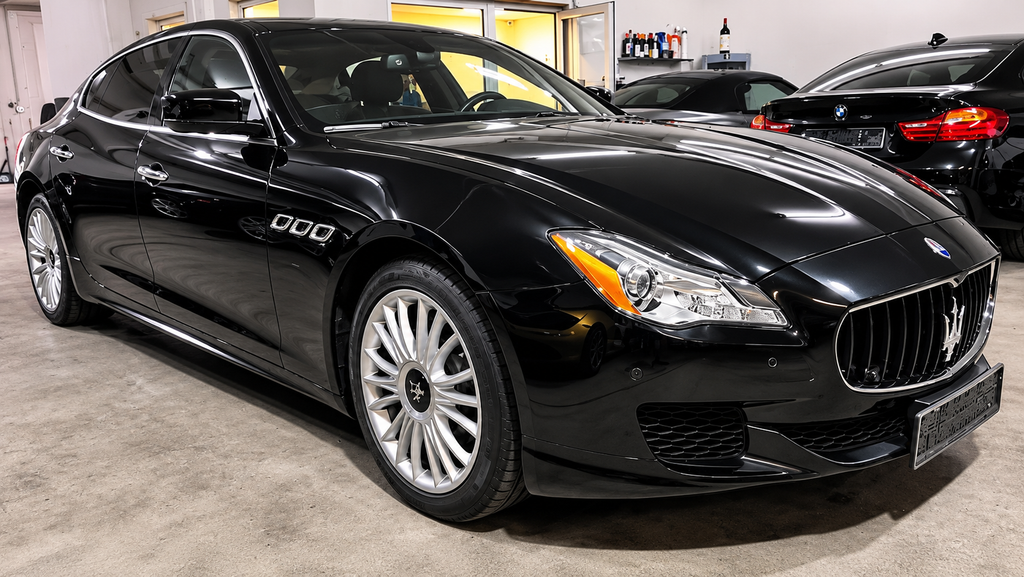
The Maserati Quattroporte brings sports car performance to a large luxury sedan. It offers more passenger space than a traditional two-seat sports car.
Keeping a Quattroporte in good condition involves more than regular oil changes. Brakes, suspension parts and other services can add to the overall cost. Maserati provides maintenance plans for eligible models.
22. Maserati Ghibli
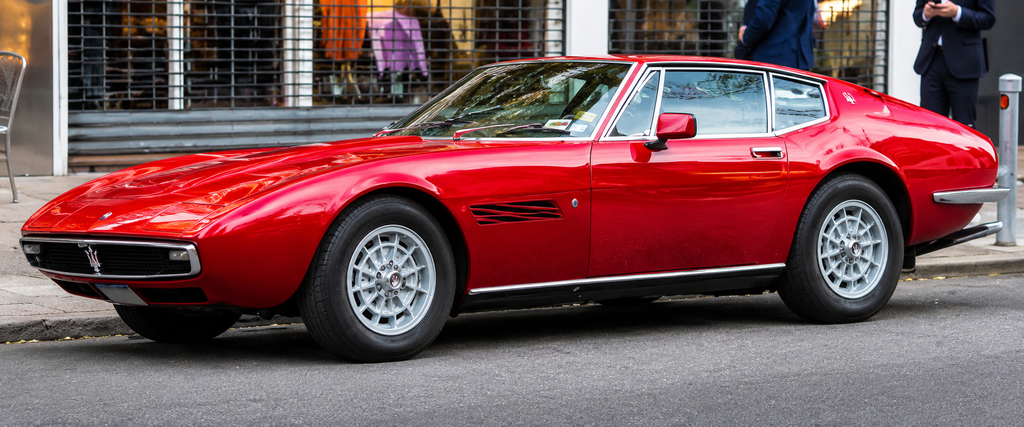
The modern Maserati Ghibli offers Italian styling in a smaller luxury sedan.
Used examples may cost considerably less than new ones, but a lower purchase price does not necessarily mean lower repair bills. Worn suspension parts, damaged interior features and missed services can add unexpected expenses.
23. Bentley Turbo R
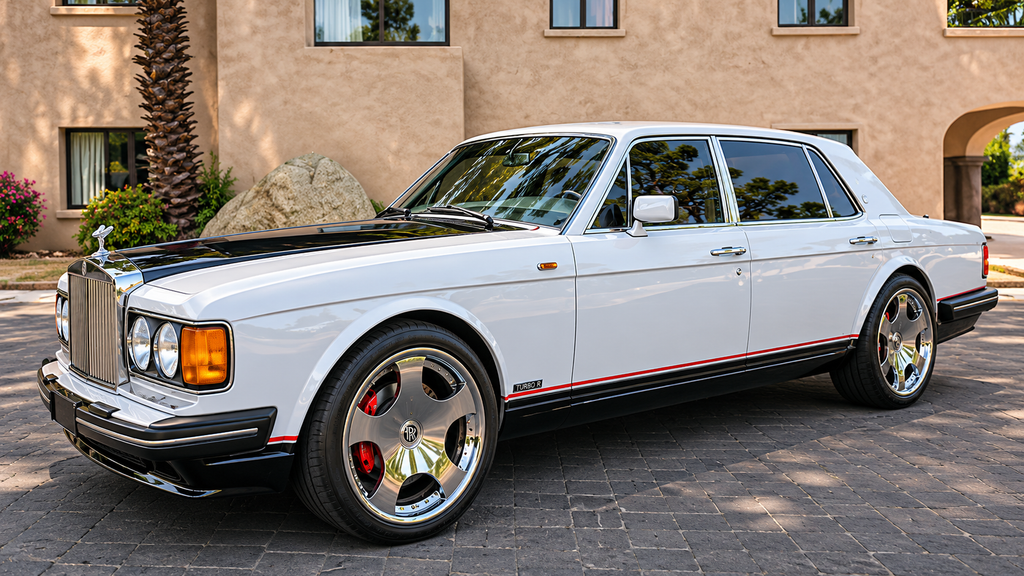
The Bentley Turbo R combines traditional luxury with a powerful turbocharged engine. Its comfortable seats and large interior reflect a different era of luxury motoring.
Its suspension and other mechanical systems can become expensive to repair as they age. Problems with engine cooling or the fluid-powered suspension may require someone familiar with older Bentleys.
24. Cadillac Eldorado
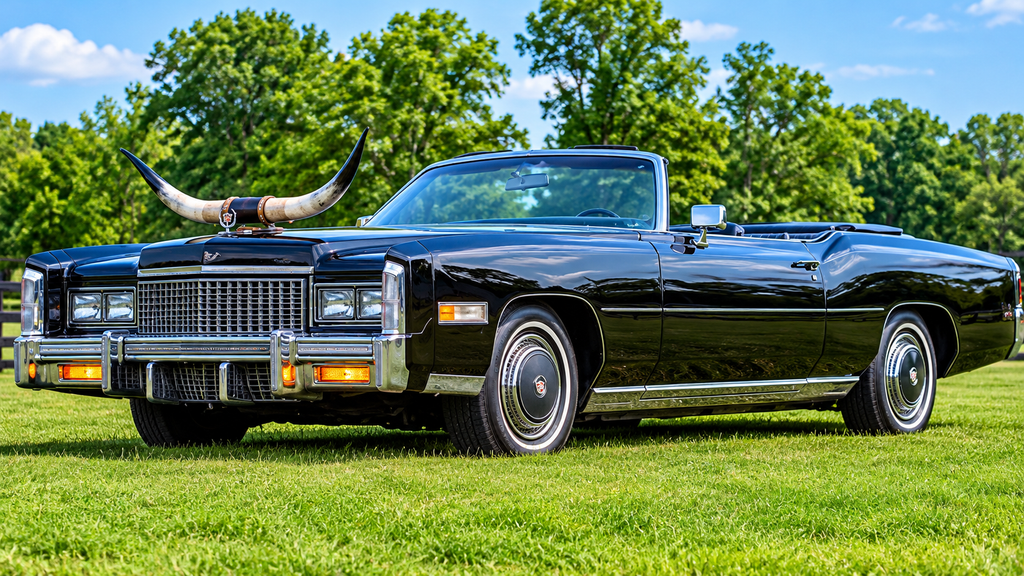
The Cadillac Eldorado represents an important period in American luxury car history. Different generations offered distinctive styling, large interiors and a wide range of comfort features.
The driving experience varies considerably between model years. Older versions may consume more fuel and lack the handling and convenience of modern cars, although their comfortable ride remains part of their appeal.
25. Cadillac Fleetwood Brougham
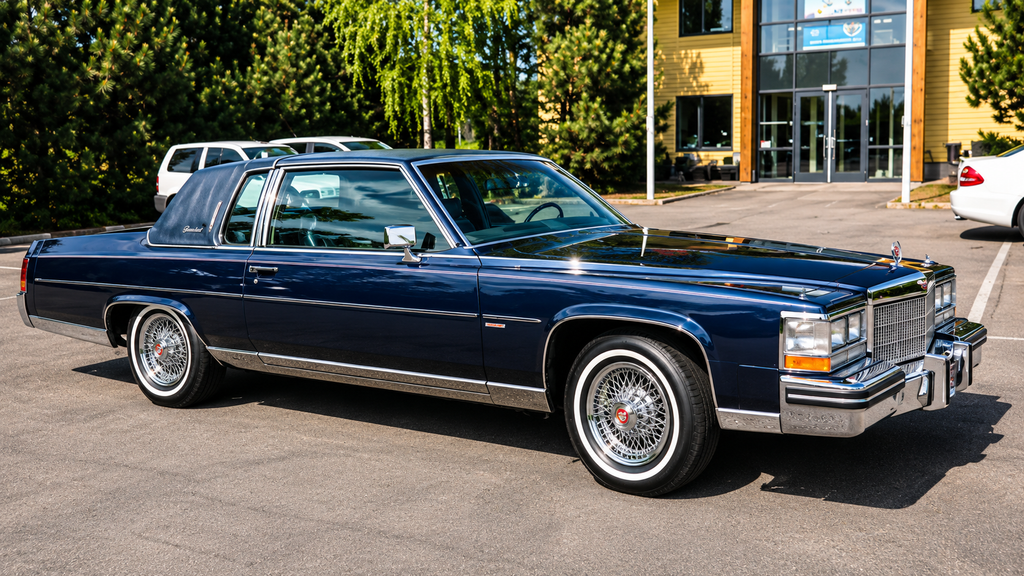
The Cadillac Fleetwood Brougham is remembered for its generous passenger space and traditional American luxury.
Its large size can make parking and driving through narrow streets more challenging. Fuel bills and repairs to aging comfort features can also affect the cost of enjoying this classic American sedan.
26. Pontiac Catalina
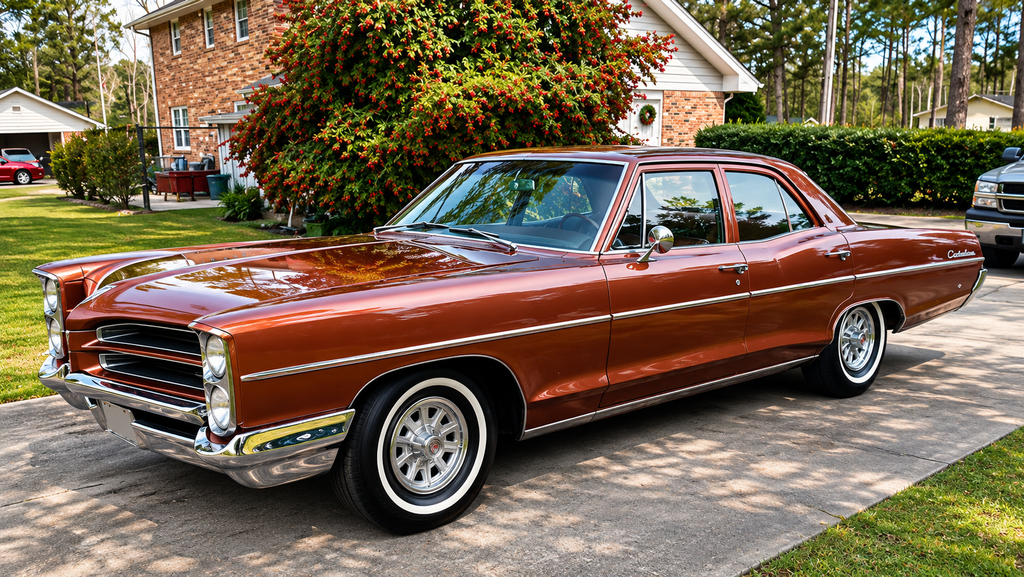
The Pontiac Catalina became a familiar name during the golden years of large American cars.
Its appeal today comes largely from its classic design and available V8 engines. A shiny exterior does not always tell the full story, especially when the engine, body and original parts may have decades of wear.
27. Chevrolet Corvair
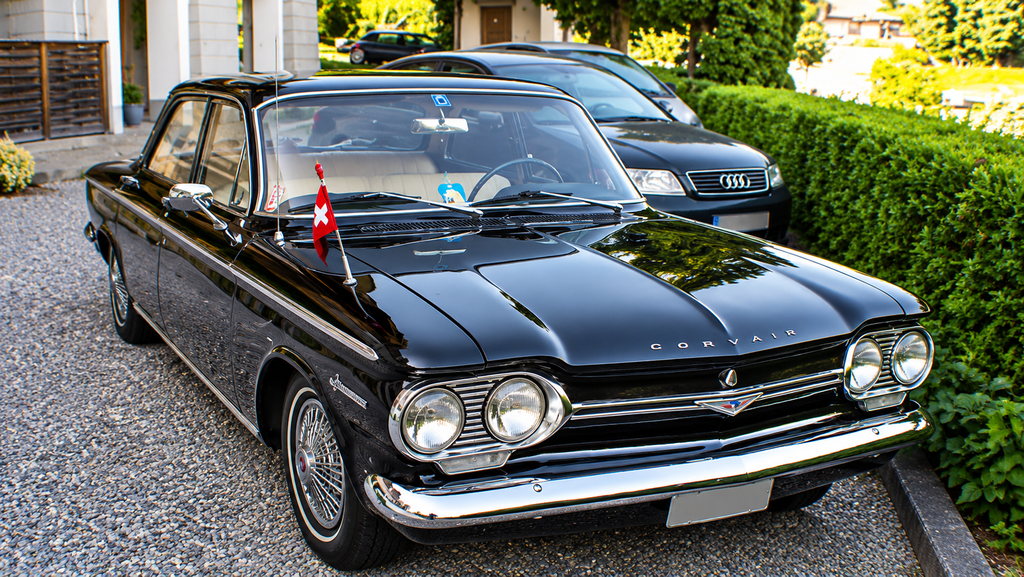
The Chevrolet Corvair stood apart from many American cars because its engine was placed at the rear.
Its handling became the subject of a major safety debate. A federal investigation completed in 1972 found that the 1960–1963 Corvair did not present an unusually high risk of losing control or rolling over compared with vehicles of the same era.
Driving one today can still feel unfamiliar to someone accustomed to modern cars. Its age and mechanical condition also play an important role in how it performs.
28. Chrysler E-Class
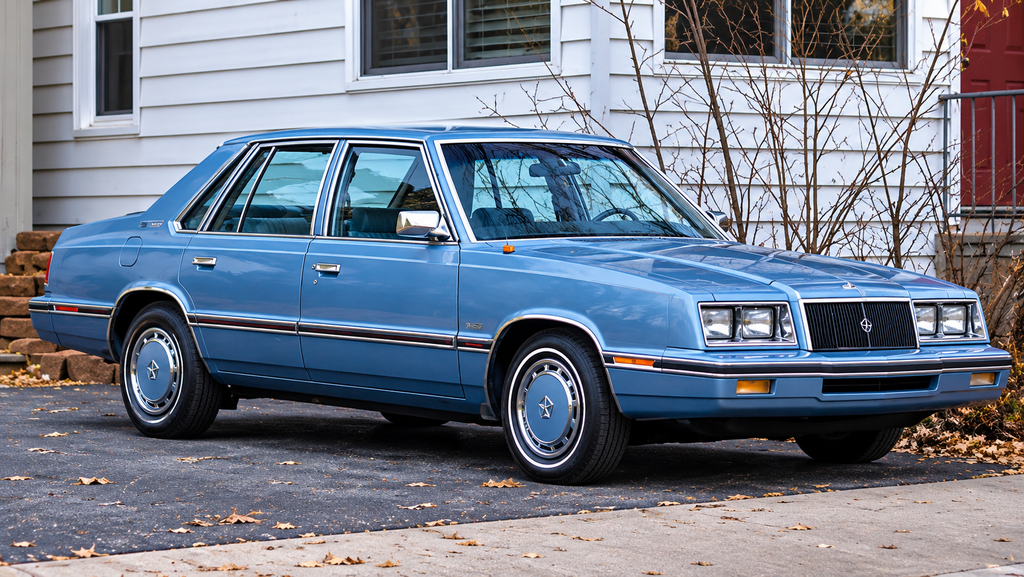
The Chrysler E-Class was produced for the 1983 and 1984 model years. Its traditional sedan design reflects an interesting period in American automotive history.
Its short production run may make certain model-specific parts harder to find. Aging wiring, damaged interior pieces and worn mechanical parts can make keeping one on the road more difficult.
29. Audi S6
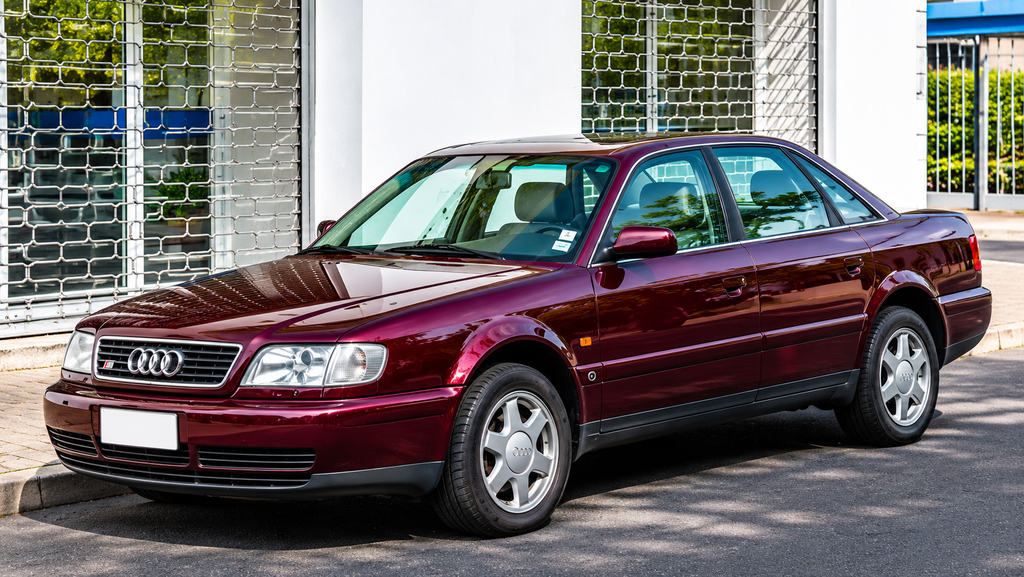
The Audi S6 combines the comfort of a luxury sedan with strong engine performance. It appeals to drivers who want speed without giving up passenger space.
In 2022, Audi recalled certain 2013–2017 S6 sedans because a small oil filter screen could become blocked. This could damage the turbochargers and potentially cause the engine to stall.
30. Volvo S60
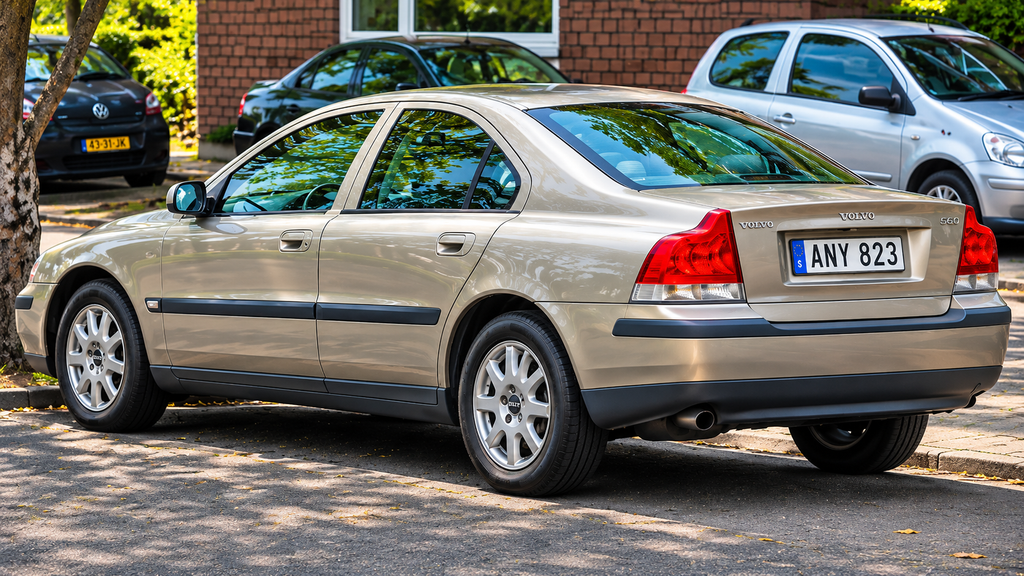
The Volvo S60 offers a comfortable interior and modern safety features, although its equipment varies by generation.
In 2020, certain 2019 and 2020 models were recalled because a software problem could prevent automatic emergency braking from working as intended. The recall affected specific vehicles rather than every S60 ever produced.
31. Lexus RX
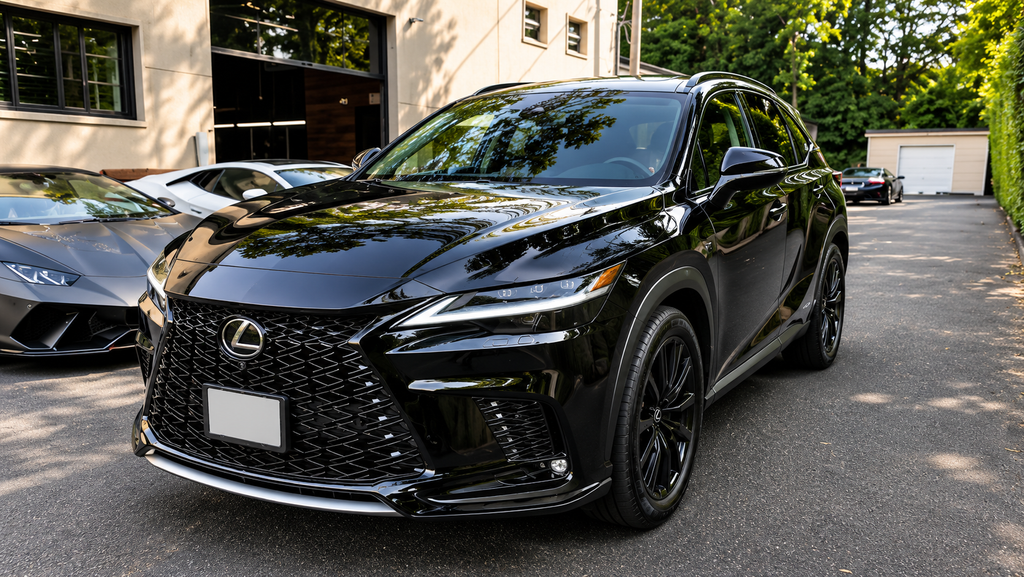
The Lexus RX helped popularize luxury crossover SUVs after its introduction in the late 1990s.
Certain 2024 Lexus RX 350 and RX 350h models were recalled in June 2024 because of a problem with the front-seat head restraints. The faulty parts could allow the restraints to be removed accidentally without pressing the release button.
According to the National Highway Traffic Safety Administration, the risk of injury in a rear-end crash could increase if a head restraint was removed and not put back. Dealers were instructed to replace the affected parts free of charge.
The recall involved specific vehicles and does not establish that the entire RX range is unreliable.
32. Ford Escape
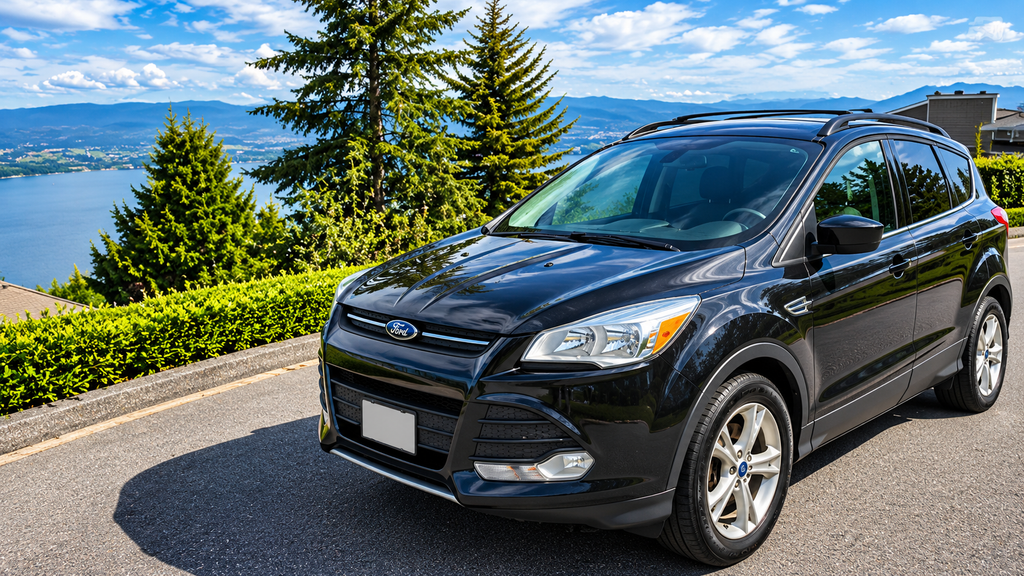
The Ford Escape became a familiar choice for families looking for a compact SUV.
Certain 2013 models fitted with the 1.6-liter engine were recalled over a problem that could cause part of the engine to overheat and allow oil to leak. This created a potential fire risk.
Since the Escape has been produced in several generations, its repair needs can differ greatly depending on the model year and engine.
33. Land Rover Discovery
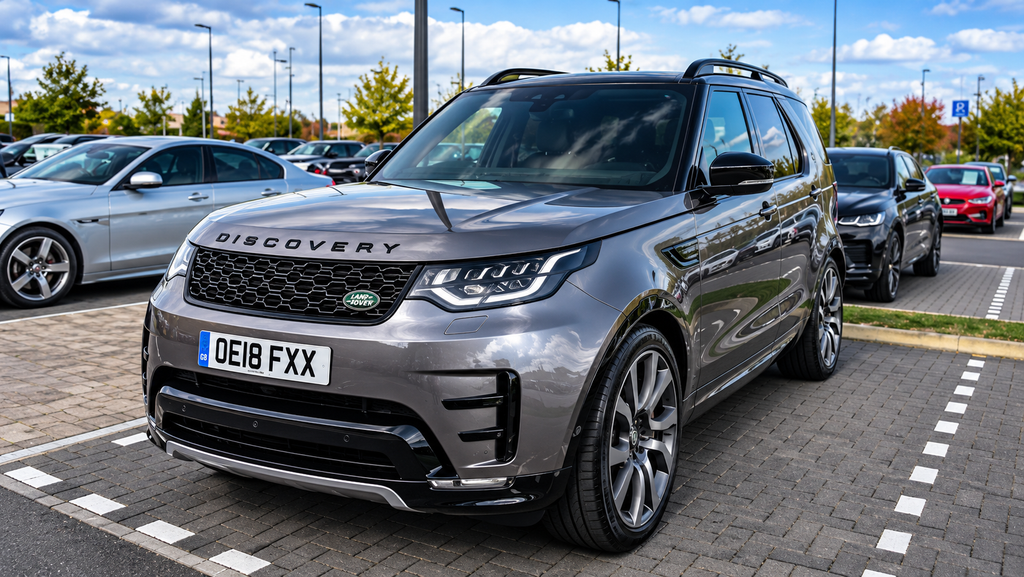
The Land Rover Discovery offers passenger space and the ability to travel across difficult terrain.
Many Discovery 3 and Discovery 4 models use an air suspension system that helps control the vehicle’s height. As these vehicles get older, worn air springs, pumps and other suspension parts may need replacement.
These repairs can add to the cost of keeping the vehicle in good working order.
34. Range Rover Evoque
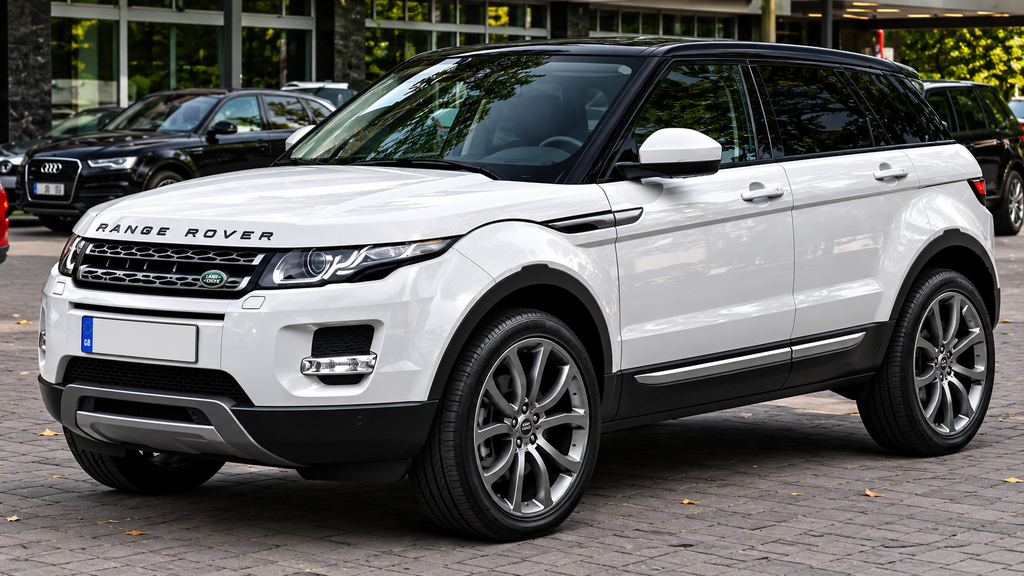
The Range Rover Evoque brings luxury SUV styling to a smaller vehicle.
Vehicle theft and insurance costs have become concerns for some Range Rover owners, particularly in the United Kingdom. Jaguar Land Rover has introduced security improvements for eligible older vehicles and launched its own UK insurance services.
Insurance prices can vary depending on where the vehicle is kept, the driver’s circumstances and the model involved.
35. Tesla Model X
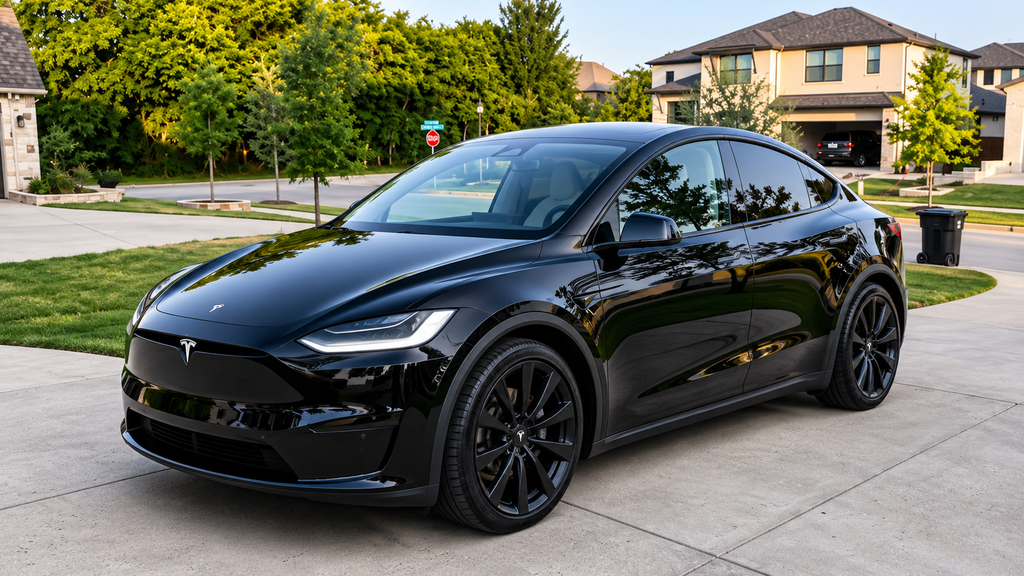
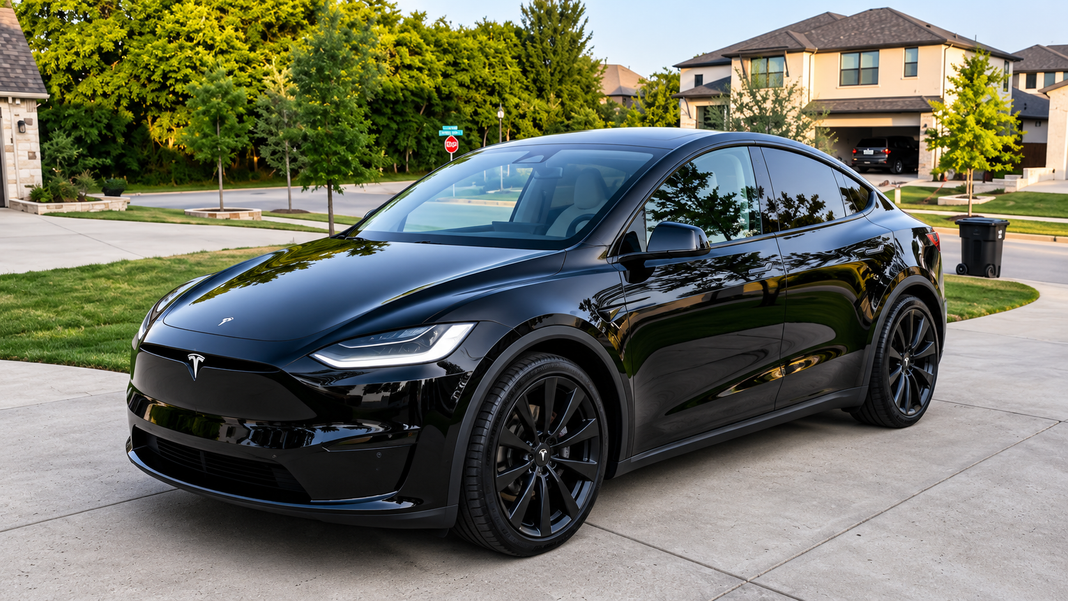
Tesla introduced the Model X in 2015. Its electric power system, large touchscreen and upward-opening rear doors helped it stand out from other SUVs.
Tesla issued a power steering recall affecting most Model X vehicles builtbefore mid-October 2016. The company found that bolts connecting a power steering component to the steering gear could weaken due to corrosion and eventually break.
Drivers could still steer the vehicle if this happened, but turning the steering wheel would require more effort. The problem would be especially noticeable at low speeds, such as when parking.
Tesla offered to replace the affected bolts and carry out any necessary related steering repairs under the recall free of charge.
A childhood dream car can still provide years of enjoyment. Its purchase price, though, tells only part of the story. Fuel bills, replacement parts, repair costs and the condition of the vehicle all influence what it is like to own one.
For some people, those extra expenses may be a small price to pay for owning a car they have admired for years. For others, the experience may be quite different from the dream they had growing up.