
Memorial Day in Minnesota this year was shaped by remembrance, local politics and the practical realities of a holiday weekend. For Minneapolis readers, May 25, 2026 was not only a federal holiday but also a date loaded with civic meaning, as the city marked six years since the killing of George Floyd.
George Floyd remembrance again made May 25 a defining date in Minneapolis
For Minneapolis, May 25 carries a significance that reaches far beyond the national Memorial Day calendar. On May 25, 2026, community members again gathered around 38th Street and Chicago Avenue to mark six years since George Floyd was killed by former Minneapolis police officer Derek Chauvin, revisiting a moment that reshaped the city’s politics, policing debate and national identity. Coverage from the Minnesota Star Tribune described dancers, speeches and crowds assembling near the former Cup Foods site, where Floyd’s death in 2020 triggered worldwide protests and a long-running reexamination of policing and racial justice. The Associated Press, in its May 25 historical note, again underscored that Floyd’s murder in Minneapolis became one of the defining U.S. events of the decade.
The anniversary came at a moment when the city is still wrestling with what lasting change should look like. Star Tribune reporting noted that the commemoration unfolded even as contentious plans continued over how the intersection itself might change in the future, a reminder that memory in Minneapolis is not static. The area has evolved into both a place of mourning and a contested civic space, where neighborhood needs, tourism, activism and public policy all meet. For local residents, that means May 25 remains not just a date of remembrance but a live political question about public space, public safety and who gets to define the city’s story.
What happened on Monday also mattered because it reinforced that Floyd’s killing remains a central reference point in Minneapolis life six years later. Speakers at the gathering linked the anniversary not only to Floyd’s death but to broader questions about justice, equity and community accountability, according to local coverage. The significance for Minnesota readers is plain: even as new issues dominate daily headlines, the city’s response to May 25 continues to shape local elections, redevelopment fights and the public’s expectations of police reform.
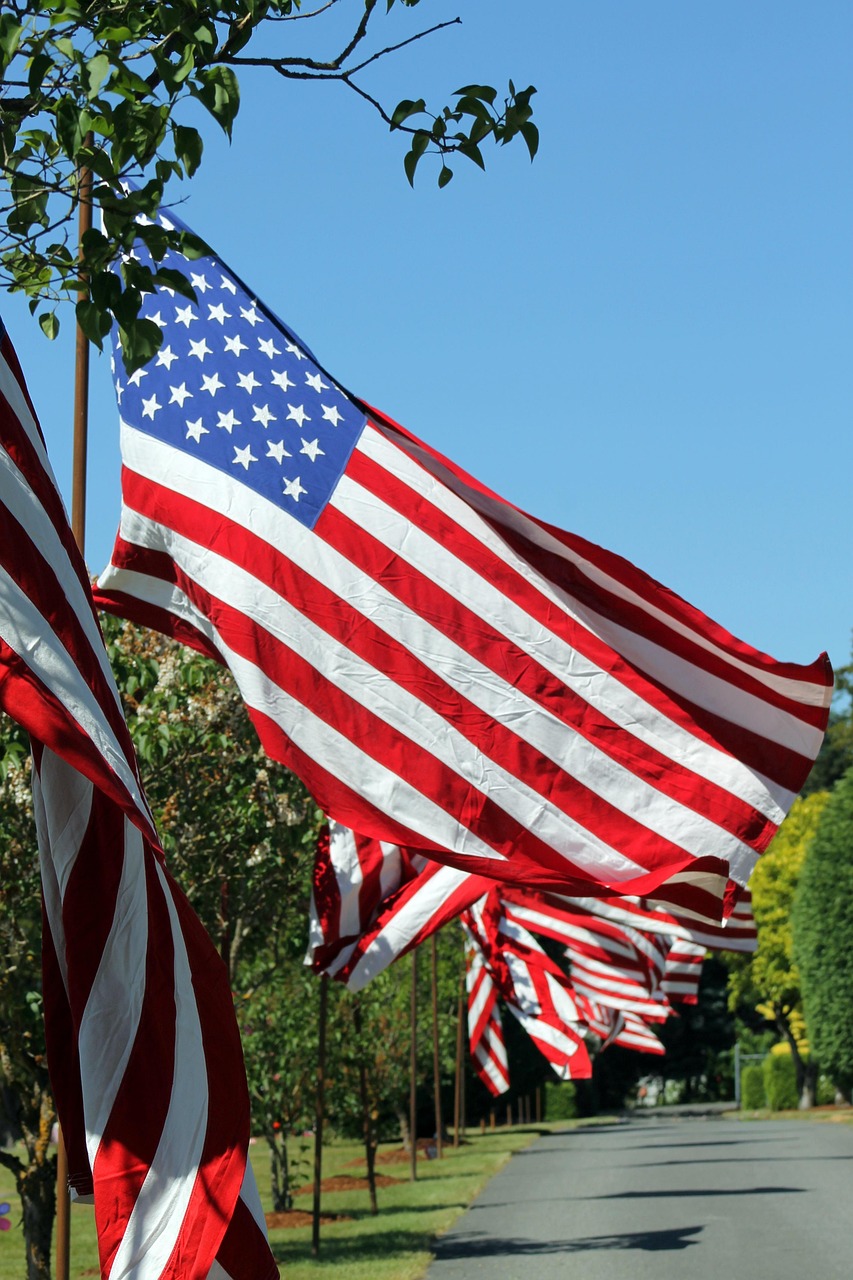
Memorial Day itself added another layer. Governor Tim Walz issued a formal proclamation declaring Monday, May 25, 2026 as Memorial Day in Minnesota and ordering flags at state buildings to fly at half-staff from sunrise until noon, in keeping with observances honoring Americans who died in military service. In Minneapolis, the overlap of the national day of remembrance with the Floyd anniversary once again made May 25 a uniquely resonant and emotionally complex date, blending personal grief, civic memory and official ceremony.
Memorial Day observances across Minnesota put veterans and public ritual at the center
While Minneapolis residents were also focused on the Floyd anniversary, May 25 remained first and foremost Memorial Day across Minnesota, with ceremonies large and small honoring service members who died in war. Walz’s proclamation emphasized the state’s duty to remember “those who have given their life for our nation’s freedom” and directed the customary half-staff observance before flags were raised to full-staff at noon. In communities across the state, including St. Peter and other cities, veterans’ groups and local officials scheduled wreath layings, public speeches and cemetery ceremonies that reflected the holiday’s traditional meaning.
That statewide observance matters locally because Memorial Day reliably changes the tempo of life in the Twin Cities. The holiday affects transit schedules, government operations, museums and retail traffic, and Star Tribune holiday guidance for the metro noted that many institutions either closed or shifted to weekend or Sunday service patterns. For Minneapolis and St. Paul residents, that meant a mix of commemorative events and practical disruptions, from altered bus schedules to closed cultural institutions. Memorial Day often functions both as a solemn observance and as the unofficial start of summer, but in 2026 the formal rituals remained highly visible.
The symbolism of the day also landed in a state where military service and veteran identity carry strong public weight. Minnesota’s official proclamation framed the observance not simply as tradition but as a call to collective memory, linking sacrifice, democracy and civic duty. Those themes are especially potent in a politically divided year, when public events can easily be pulled into broader arguments over patriotism, protest and national direction. On May 25, however, official messaging stayed closely focused on remembrance and service.
For local readers, the takeaway is that Memorial Day in Minnesota was not just a backdrop to other headlines. It was itself a major public story, expressed through flags, ceremonies, veterans’ posts and community gatherings. In Greater Minnesota and the Twin Cities alike, the day highlighted how public ritual still organizes civic life. Even in Minneapolis, where May 25 is inseparable from George Floyd’s death, the state’s formal Memorial Day observance remained a parallel and important thread in how the date was marked.
Minneapolis’ fight over data centers showed how AI-era development is becoming a neighborhood issue
Another key Minnesota development hanging over May 25 was Minneapolis’ intensifying debate over data centers, an issue that may sound technical but is quickly becoming a defining local growth question. Just days before Memorial Day, the Minneapolis City Council approved a six-month moratorium on new data centers, with an exemption for downtown projects smaller than 350,000 square feet, according to the Minnesota Star Tribune. The action took effect without requiring Mayor Jacob Frey’s approval and reflected deep divisions over whether the city should welcome AI-related infrastructure as an economic opportunity or slow it down over environmental and neighborhood concerns.
The local stakes are unusually high. Data centers promise investment at a time when downtown Minneapolis is still searching for a durable post-pandemic identity and struggling with weaker office demand and falling commercial property values. Supporters argue that new digital infrastructure could help revive underused real estate and support construction jobs. Opponents, however, say the facilities can consume extraordinary amounts of power and water while delivering fewer long-term neighborhood benefits than housing, mixed-use redevelopment or other job-producing projects.
That split has become one of the clearest examples of how global technology trends are landing in local zoning fights. Council Member Aurin Chowdhury called the pause a “common-sense” step in Star Tribune reporting, while other members warned that without restrictions the city could leave itself open to projects with outsized environmental costs. Critics of the moratorium, including construction interests, have said Minneapolis risks turning away investment while surrounding communities compete aggressively for similar projects. The result is a debate that blends climate concerns, tax-base anxiety and labor politics in a way that is especially familiar to Minnesota readers.
Why does this belong on a May 25 list? Because it is one of the most consequential local policy battles shaping Minneapolis right now, and it framed the civic conversation heading into the holiday. The issue also extends beyond city limits. Data center disputes are emerging elsewhere in Minnesota, from the metro to southeastern communities, showing that AI infrastructure is no longer an abstract national trend. For Minneapolis residents, the Memorial Day weekend arrived with a clear sign that the next chapter in city development may revolve as much around servers, substations and water use as around apartments, offices and retail.
Holiday costs, travel patterns and weather concerns shaped the weekend for Minnesota households
Memorial Day is also a practical story, and in 2026 that meant renewed attention to travel costs, fuel prices and weather risks affecting Minnesota households. AAA said on May 21 that Memorial Day weekend gas prices were the highest they had been in four years as travelers hit the road in record numbers. Federal Energy Information Administration data released in May showed Midwest regular gasoline prices hovering around $4.399 a gallon for the week of May 18, with reformulated gasoline higher, underscoring the pressure on drivers across the region heading into the holiday stretch.
For Minnesotans, those numbers mattered even if many local trips were relatively short. Higher pump prices can quickly change behavior, especially for families balancing cabin travel, metro outings and routine commuting. In a state where Memorial Day weekend often marks the first major burst of seasonal travel, fuel costs influence everything from day-trip planning to restaurant and recreation spending. The broader economic message is that inflation may feel abstract until it is visible on signs outside neighborhood gas stations.
Weather was another consideration. NOAA outlooks around the holiday did not signal a major national critical weather emergency for Minnesota, but forecast discussions pointed to the possibility of thunderstorms in parts of Minnesota and northwest Wisconsin by Memorial Day Monday afternoon and evening. That kind of setup is familiar to local residents: not necessarily a washout, but enough uncertainty to affect cemetery ceremonies, outdoor gatherings, grilling plans and heavy-return traffic. In Minnesota, weather rarely needs to be extreme to become a central holiday story.
The practical side of the day extended into closures and scheduling changes across the Twin Cities. Star Tribune’s Memorial Day service guide noted that several museums, including the Walker Art Center, the Minneapolis Institute of Art and the Bell Museum, were closed, while some transit providers shifted to weekend or Sunday schedules. Those details may seem small, but for local readers they are part of what defines a holiday: how the city moves, what is open, and how public life slows down. On May 25, 2026, the Minneapolis-area story was not just remembrance and politics, but the everyday logistics of navigating a holiday weekend in a changing economy.
Why May 25, 2026 mattered especially in Minnesota
Taken together, the biggest things to know from May 25, 2026 were unusually Minnesota-specific. The date combined the official observance of Memorial Day with the sixth anniversary of George Floyd’s killing, a pairing that no other major U.S. city experiences in quite the same way. It also arrived as Minneapolis confronted a consequential development fight over data centers and as households across the metro navigated high holiday travel costs, changing schedules and unsettled spring weather. That mix of symbolism and practicality made the day feel distinctly local even when some of the underlying issues were national.
For Minneapolis readers, the main lesson is that local context still determines how national dates are lived. Memorial Day can mean flags, veterans’ ceremonies and the unofficial beginning of summer. In Minneapolis, it also means returning to the moral and political aftershocks of May 25, 2020. Likewise, debates about artificial intelligence and infrastructure may sound global, but they are increasingly unfolding at City Hall and in neighborhood meetings, where residents weigh tax base concerns against environmental impact and land-use priorities.
This is why a Minnesota-focused reading of May 25 matters. The biggest developments were not simply isolated headlines; they intersected. Public memory shaped civic space. State ceremony shaped the tone of the day. Economic pressures shaped how families moved through the holiday. And city policy debates signaled what kind of Minneapolis may emerge next. Each thread tells part of the story, but together they show a state balancing remembrance, growth and daily life all at once.
As the week moved on from Memorial Day, those issues did not fade. The Floyd anniversary will continue to influence Minneapolis politics and redevelopment. The data center moratorium will head into further committee review and public debate. Costs and weather will remain immediate concerns for households entering summer. That is what made May 25, 2026 more than a holiday in Minnesota: it was a snapshot of where Minneapolis and the state stand now, and of the choices that will shape what comes next.