
Gunfire in the heart of downtown Minneapolis left two men wounded Friday morning, including a bystander who was working nearby. Police said the suspect was arrested within hours, underscoring both the speed of the response and persistent concerns about public safety on Nicollet Mall.
Shooting erupts during morning activity in downtown core
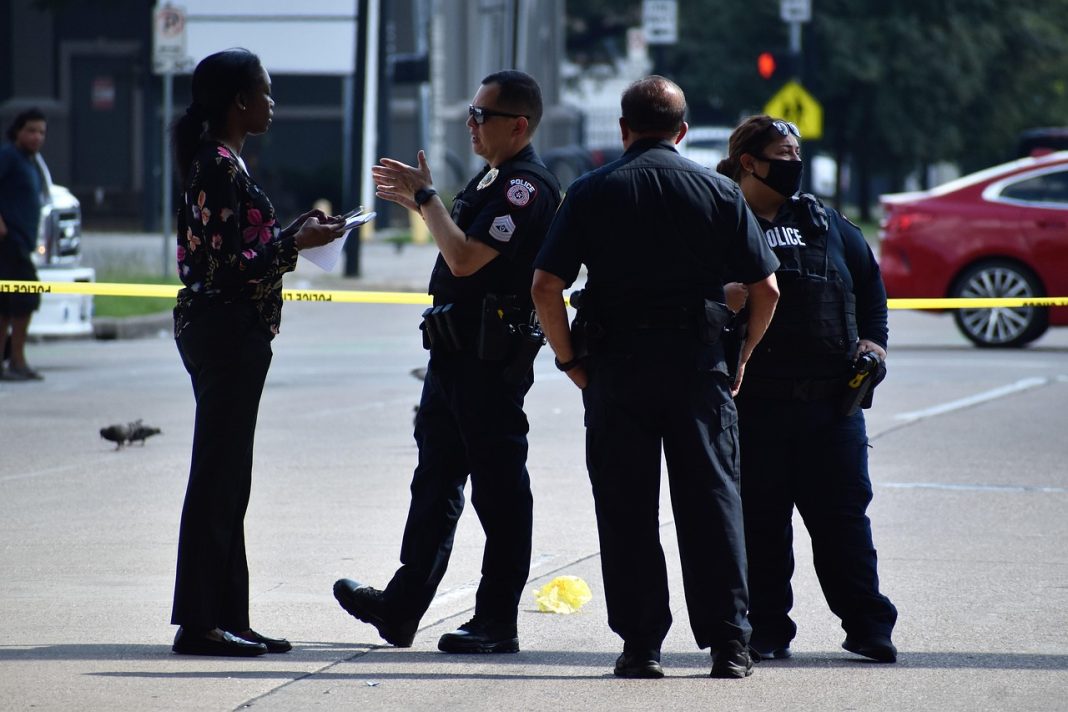
The shooting happened just before 8:30 a.m. on Friday, May 29, 2026, near the intersection of 9th Street South and Nicollet Mall, one of downtown Minneapolis’ busiest commercial corridors. According to Minneapolis police, officers were dispatched at about 8:24 a.m. after reports of gunfire in the area. The scene unfolded across from the downtown Target store, in a stretch of Nicollet Mall that typically sees commuters, retail workers and transit riders moving through the corridor in the morning rush.
When officers arrived, they found two adult men with gunshot wounds. Authorities said the victims were ages 25 and 44. Both were taken to Hennepin County Medical Center, and police later said both men were expected to survive. Early reports from police described the injuries as non-life-threatening, though local outlets also reported that one of the men was initially considered more seriously hurt as emergency crews treated victims at the scene.
Investigators said the younger victim had been meeting with the suspect shortly before the shooting. Minneapolis Police Department spokesperson Sgt. Garrett Parten said the encounter escalated and gunfire followed. The 44-year-old man, by contrast, was not believed to have been part of that meeting. Police said he was working in the area when he was struck, and Parten described him as an “innocent bystander.”
The broad-daylight shooting quickly drew attention because of where and when it occurred. Nicollet Mall is a signature downtown pedestrian and transit corridor, lined with offices, stores and restaurants, and city leaders have spent years trying to promote it as a safer and more welcoming center of business activity. A shooting there during working hours risked further damaging confidence among workers, visitors and business owners already sensitive to safety issues in the city center.
Police trace suspect to apartment and make arrest
Authorities said the suspected shooter fled before officers reached the scene, prompting a fast-moving search through nearby blocks of downtown. Witness accounts cited by local television outlets said the man ran south after the gunfire. Police did not immediately release the suspect’s identity on Friday, but said investigators were able to develop information quickly enough to narrow the search to a residential address not far from the shooting scene.
According to police, officers tracked the suspect to the 1600 block of 1st Avenue South, several blocks south of Nicollet Mall. There, they established a perimeter around an apartment building and called for the suspect to surrender. Media reports from the scene showed officers standing watch outside the building as investigators worked to contain the area and prevent the situation from escalating further.
Police said the suspect was arrested around 10 a.m., roughly 1 1/2 to 2 hours after the shooting. After taking him into custody, investigators obtained a warrant to search an apartment they believed was linked to him. During that search, officers recovered a gun that they believe may be connected to the attack, according to statements provided by police and reported by local outlets.
Even with the arrest, important questions remained unanswered late Friday. Police had not publicly identified the suspect, detailed any possible charges, or fully explained what led to the meeting between the suspect and the 25-year-old victim. Investigators also said they were still working to establish the full sequence of events. That left open whether the shooting stemmed from a personal dispute, a planned confrontation or another form of targeted encounter. For downtown businesses and commuters, however, the immediate fact was clear: a shooting in a crowded daytime setting had once again exposed how quickly violence can intrude into the city’s public spaces.
Bystander injury sharpens concerns for workers and businesses
The injury to the 44-year-old bystander became one of the most striking details in the case. Police said the man was employed by a private business in the area and was working when he was hit by gunfire. Another local report said he had been cleaning the sidewalk at the time. That detail underscored the randomness that often heightens public alarm after downtown shootings, especially when victims appear to have had no involvement in the dispute that triggered the violence.
For workers on Nicollet Mall, the timing of the shooting was especially unsettling. The incident occurred after the workday had begun, in a part of downtown meant to serve office staff, retail employees, tourists and transit users. Unlike violence that occurs late at night outside bars or clubs, this shooting took place in full daylight, in front of flagship stores and office towers, during hours when many people would ordinarily assume the area to be comparatively secure.
Business leaders and city officials in Minneapolis have spent years wrestling with how to revive downtown foot traffic after the pandemic, civil unrest and repeated bouts of street violence. Public safety has been central to that effort. Each new shooting in the core business district risks reinforcing fears among suburban commuters, visitors and employers weighing how often to bring workers back in person. Even incidents in which victims survive can carry an outsized impact if they suggest that ordinary activity — walking to work, waiting for transit, cleaning a storefront — can place bystanders in danger.
That dynamic may prove especially significant because Nicollet Mall has symbolic weight beyond the immediate crime scene. It is one of the city’s best-known public corridors and has been the focus of repeated redevelopment and safety efforts. When violence breaks out there, the effect is not confined to the direct victims; it becomes part of a larger civic debate over policing, downtown recovery and whether Minneapolis can persuade residents and visitors that its center city is stable and secure during everyday business hours.
Officials point to broader summer anti-violence strategy
As police briefed reporters Friday, they linked the arrest to a broader effort to address shootings and violent crime heading into the summer months. Sgt. Parten said Minneapolis would launch Operation Safe Summer the following week, on June 5, with teams positioned to respond to shootings and homicides. He said the initiative would also focus on identifying the people “who create the most harm in our communities” and removing them from the streets.
The timing of that message was notable. Summer has long been associated with higher rates of violent crime in many U.S. cities, and Minneapolis officials have repeatedly rolled out seasonal enforcement and violence-reduction efforts as temperatures rise and more activity shifts outdoors. By highlighting the program at the same news conference, police appeared eager to frame Friday’s shooting not only as an isolated case with a quick arrest, but also as part of a larger strategy to contain recurring gun violence.
Parten also said the department currently has more officers than it did at the same time last year, a point aimed at addressing questions about police staffing and response capacity. Staffing has remained a major political issue in Minneapolis since the upheaval that followed the murder of George Floyd in 2020, with city leaders, residents and businesses debating how best to balance policing levels, reform demands and alternative public safety responses.
Still, anti-violence strategies are often judged less by announcements than by whether they prevent incidents in visible, high-traffic areas. A daylight shooting on Nicollet Mall, near Target’s headquarters and flagship store, is exactly the kind of event that tests public confidence in those efforts. Even when police move quickly, critics often argue that enforcement alone does not address the root causes of recurring violence, while supporters of stronger policing contend that rapid arrests and visible presence are essential to deterring further incidents. Friday’s shooting is likely to deepen that debate as Minneapolis enters the summer season.
Latest incident adds to downtown safety debate in Minneapolis
Friday’s shooting did not occur in isolation. Downtown Minneapolis has seen other high-profile violent incidents in recent years, and Nicollet Mall itself has periodically been the site of shootings and other crimes. Local reporting noted another shooting on the mall in April 2026, when a woman was hospitalized after being wounded. Such incidents, even when relatively limited in casualties, can accumulate in the public mind and shape perceptions of whether disorder is improving or worsening.
That backdrop matters because the city is still trying to define its post-pandemic and post-2020 identity. Downtown Minneapolis remains a hub for major employers, government offices, entertainment venues and transit, but it also continues to face challenges tied to office vacancy, uneven foot traffic and public concern over crime. Each violent incident in a prominent location becomes more than a police matter; it becomes evidence in an ongoing argument about the city’s trajectory and the effectiveness of its leadership.
There was at least one reassuring point for officials by Friday afternoon: both victims were expected to survive, and police had made an arrest quickly. In many urban shooting cases, unresolved investigations or delayed arrests can fuel frustration and fear. The speed of this arrest may help reassure some residents and businesses that officers can respond effectively when violence breaks out in a heavily traveled area.
But the deeper issue is harder to resolve. A bystander struck while working on a downtown sidewalk is the kind of detail that resonates far beyond a single crime report. It suggests vulnerability in an everyday setting, and it raises the stakes for a city trying to convince workers, shoppers and visitors that its central corridor is safe. As investigators work to determine precisely why the suspect opened fire, Minneapolis officials will also face a broader question: whether the city can prevent the next shooting before it reaches another crowded block of downtown.