

A familiar Twin Cities road has a new name. On Thursday, Highway 610 was officially dedicated as the Hortman Memorial Highway. For drivers in the northwest metro, the change adds a layer of meaning to a route they already know well.
What happened at the Thursday dedication
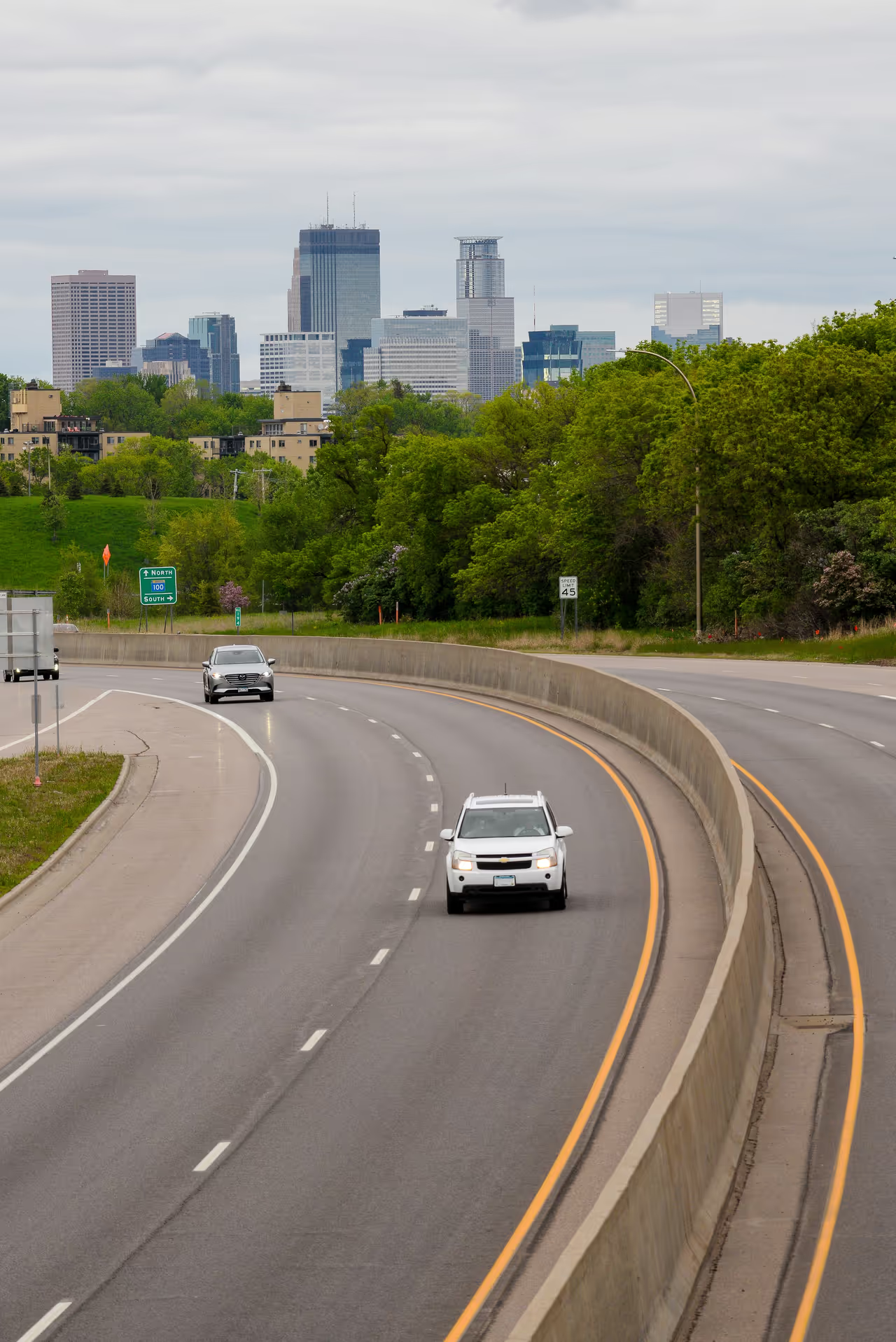
The dedication took place Thursday along Highway 610 in the northwest Twin Cities metro, where state and local leaders gathered to mark the new Hortman Memorial Highway designation. Minnesota transportation officials and elected representatives joined the event, turning what is usually a practical commuter corridor into a site of public remembrance. The highway serves communities including Brooklyn Park, Maple Grove, and Coon Rapids, so the new name will be seen by thousands of drivers each day.
The renaming follows formal action at the state level, which is how memorial highway designations are typically handled in Minnesota. Once approved, the Minnesota Department of Transportation oversees sign placement and installation, a process that often takes several months depending on fabrication schedules and field work. Thursday’s dedication made the name public in a ceremonial way, even as the road itself remains Highway 610 on maps and traffic reports.
That detail matters because memorial designations rarely replace the route number people use every day. Drivers will still look for 610 on signs, navigation apps, and traffic alerts from agencies such as MnDOT and the Minnesota State Patrol. What changes is the public identity attached to the corridor, much like other memorial highways around the state that honor military members, public servants, or local leaders.
Why the Hortman name carries weight in Minnesota

The Hortman name is widely recognized in Minnesota politics, especially at the Capitol in St. Paul, where legislative leaders often shape transportation, education, and budget decisions that affect millions of residents. A memorial highway carries symbolic weight because roads are among the most visible public assets a state maintains. In this case, naming Highway 610 after Hortman ties that visibility to a record of public service that Minnesotans associate with leadership and civic life.
Memorial designations are not just ceremonial gestures. According to transportation historians and state archives, they are meant to keep a person’s name in everyday public view long after a single news cycle ends. A commuter traveling Highway 610 five days a week may pass the memorial signs hundreds of times a year, which gives the dedication a lasting presence that a plaque inside one government building would not have.
There is also a practical reason Highway 610 fits this kind of recognition. The route functions as an important east-west connection in the northern part of the metro, linking major suburban communities and feeding traffic toward Interstate 94 and other key corridors. By attaching the Hortman name to a heavily used roadway, the state chose a place with daily relevance instead of a less traveled site with limited visibility.
What drivers and residents can expect next

For most motorists, the immediate change will be new roadside signs identifying the Hortman Memorial Highway. Those signs are usually installed without changing addresses, exit numbers, or route numbering, so day-to-day travel should stay the same for residents in Hennepin and Anoka counties. MnDOT commonly handles these updates as part of its regular sign program, which helps keep the transition straightforward and low-cost compared with major roadway reconstruction.
Residents will likely see the new name appear gradually in public conversation, local coverage, and community references before it becomes routine. That pattern is common after dedications across Minnesota, where memorial road names often begin as ceremonial language and then settle into everyday use over time. In practice, people may say both names together for months, calling it Highway 610 or the Hortman Memorial Highway depending on the context.
The dedication also shows how infrastructure can double as public memory. A highway built for traffic flow, freight movement, and suburban access now also carries a civic story tied to Minnesota government and local identity. For the general public, that means a Thursday ceremony did more than unveil a sign. It gave one of the metro’s better-known routes a lasting name that connects daily travel to the state’s broader public history.