
Summer concerts bring big crowds, but they can also bring big sound. That is now the issue around Mystic Lake Amphitheater in Prior Lake, Minnesota, where neighbor complaints have pushed officials toward a formal noise study.
The move matters because the venue has become a growing part of the local entertainment scene. It also puts a spotlight on a familiar question in many U.S. communities: how loud is too loud when homes sit near a busy event space?
Why the noise study is happening
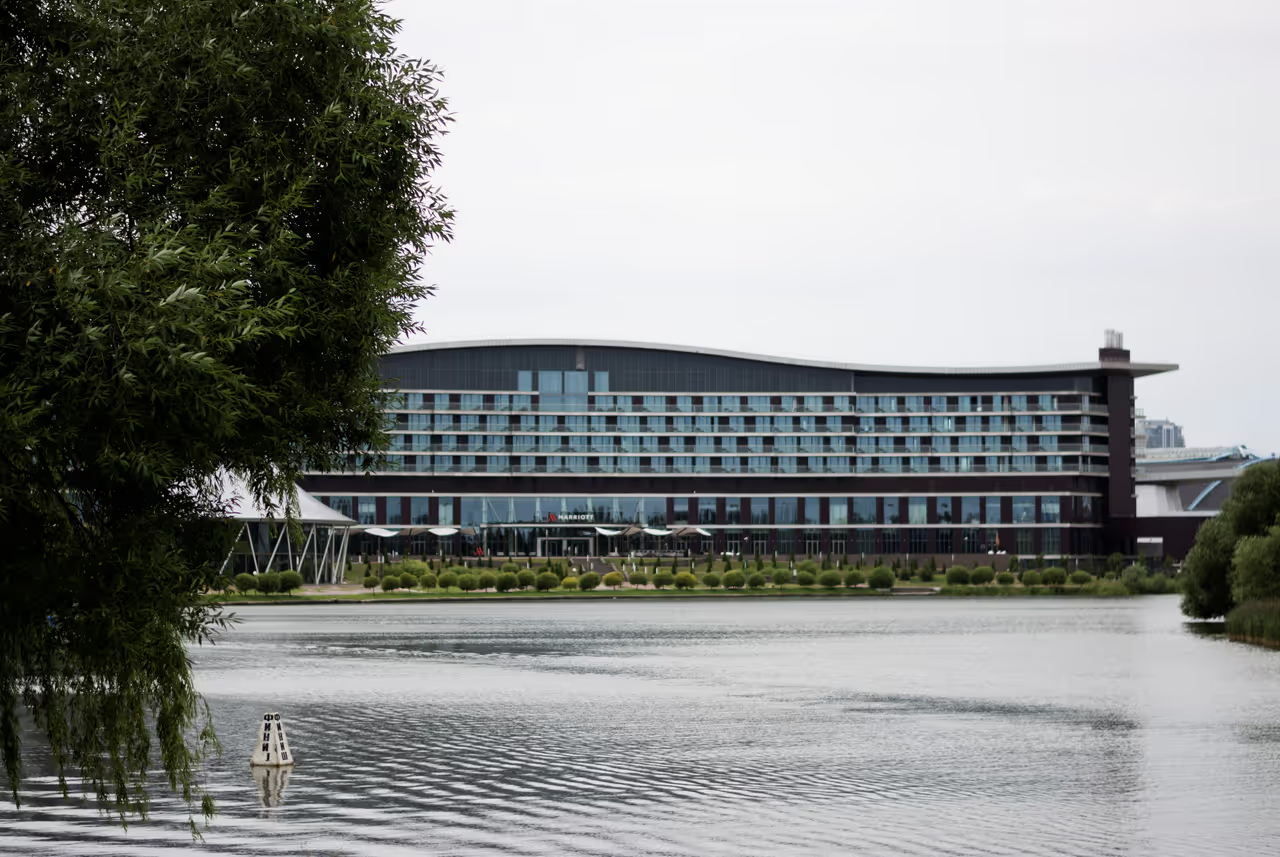
Mystic Lake Amphitheater, located at Mystic Lake Casino Hotel in Prior Lake, has drawn regional attention with large outdoor shows since opening in 2023. Residents living near the Shakopee Mdewakanton Sioux Community property have said bass and crowd noise have traveled beyond the venue during evening performances, especially on weekends.
According to local reporting and public comments shared in city discussions, some neighbors said they could hear concerts indoors with windows closed. That kind of complaint tends to carry weight because indoor audibility is often used by sound consultants as a sign that low-frequency sound may be traveling farther than expected.
A formal noise study typically measures decibel levels at several locations over multiple nights. In cases like this, acoustical engineers often compare readings at the venue edge and nearby homes, then review weather factors such as wind speed, humidity, and temperature inversions, all of which can affect how sound moves after sunset.
What a study will likely measure
The key issue will not just be volume at the stage. Most modern venue studies track low-frequency bass because those vibrations can carry over longer distances than higher-pitched sound, sometimes more than 1 mile depending on terrain, speaker direction, and atmospheric conditions.
Consultants usually collect baseline data on non-concert nights and compare it with readings during live events. They may place meters at property lines, residential streets, and other fixed points around Prior Lake, then document peak levels, average levels, and how long the sound remains above local standards.
If the results show repeated exceedances, operators often have several options. They can lower subwoofer output, adjust speaker angles, move stage orientation, add acoustic shielding, or impose earlier end times, with 10 p.m. or 11 p.m. limits being common at outdoor venues across the Midwest.
What it could mean for the venue and neighbors

For residents, the biggest question is whether the study leads to enforceable changes. In many U.S. cities, a consultant report becomes the basis for operating conditions, including maximum sound levels, monitoring requirements, and a process for handling complaints during future events.
For the amphitheater, the review does not automatically mean concerts will stop. More often, venues continue operating while managers work with engineers to reduce off-site impact, a process that has played out at outdoor music sites in states including Colorado, Illinois, and Wisconsin over the past decade.
What happens next will likely depend on the findings and on how local officials, tribal representatives, and venue leaders respond. If the data shows sound regularly reaching nearby homes in measurable ways, Mystic Lake Amphitheater may need to change how shows are produced while still protecting a venue that has quickly become a major draw in Scott County.