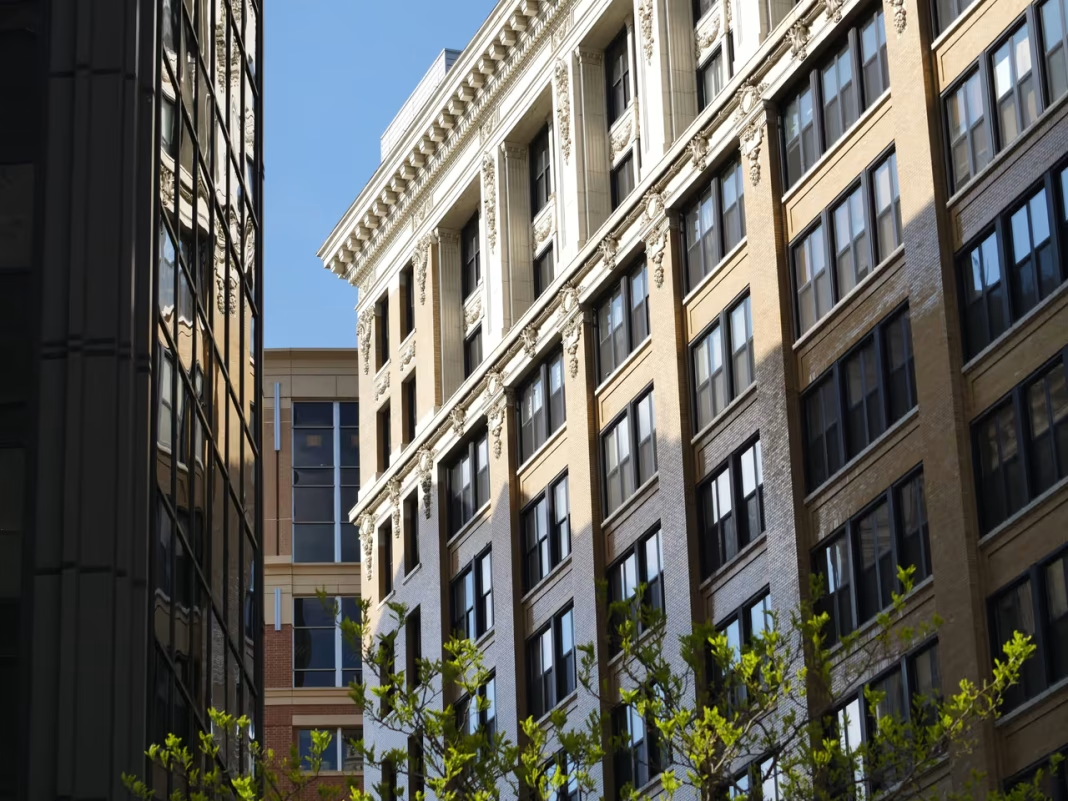

St. Paul renters just got a major new tool. After Tuesday’s vote, tenants in Minnesota’s capital will have a clearer path to deal with basic housing repairs when landlords do not respond.
The change is a big one for a city where nearly half of residents rent, and where much of the housing stock is more than 100 years old.
What voters approved
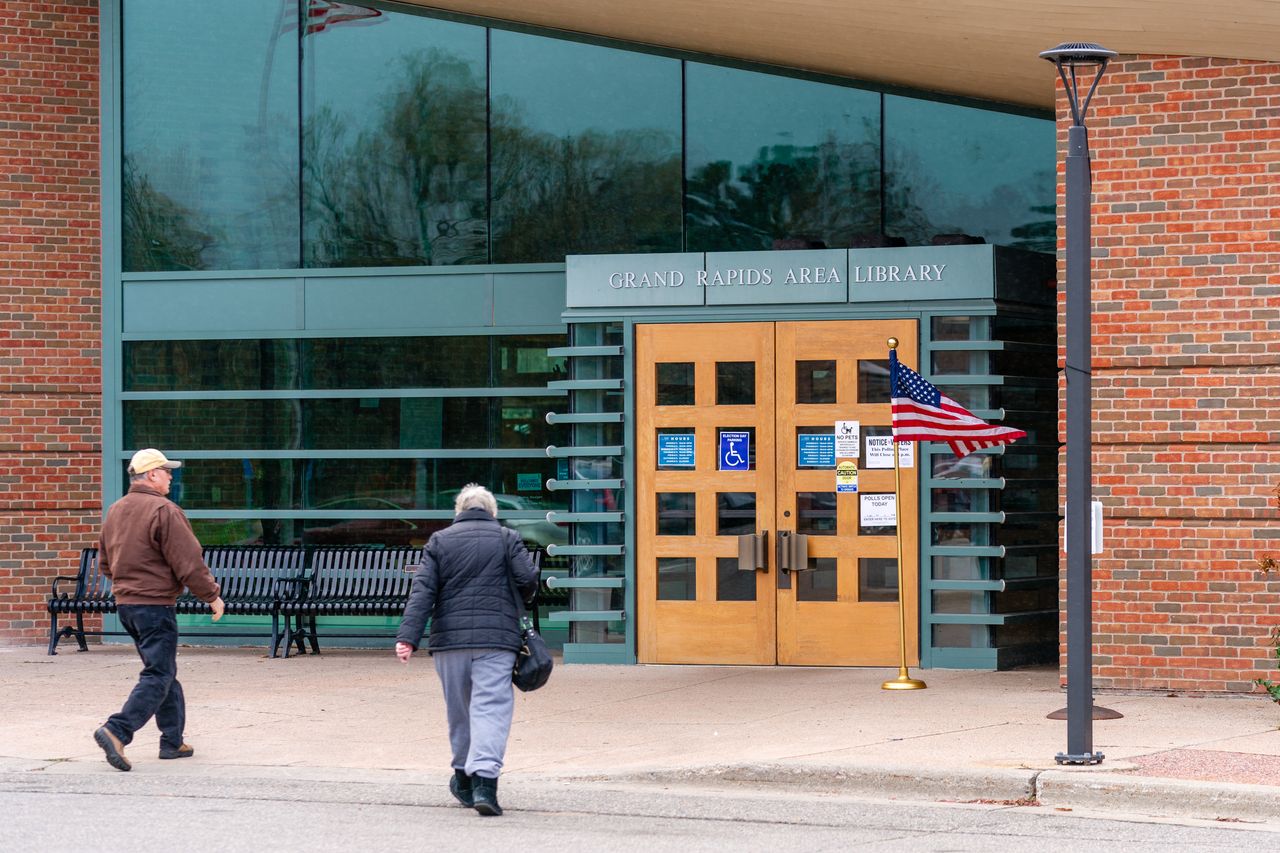
On Nov. 3, St. Paul voters approved a right-to-repair ordinance that allows tenants to deduct repair costs from rent if a landlord does not respond within 14 days. The measure passed easily, with nearly 80 percent support reported as 82 precincts were counted. That margin made clear the idea had broad backing across the city.
The ordinance applies after a renter gives the landlord written notice describing the needed repair and stating an intent to deduct the cost if no action is taken. Once that notice is delivered, the landlord has 14 days to schedule or complete the work. That timeline is the core of how the new rule will function in practice.
The reimbursement limit is set at $500 or 1/2 of the tenant’s monthly rent, whichever amount is greater. That means a renter paying $900 a month could potentially deduct up to $500, while a renter paying $1,400 could deduct up to $700. The structure is designed to cover modest but important fixes.
What kinds of repairs it covers

The ordinance allows renters to handle simple repairs themselves, but more technical or difficult jobs must be done by licensed professionals. That distinction matters because it limits the rule to practical, manageable fixes rather than major construction work. In other words, tenants are not being given a blank check to remodel a unit.
Supporters argued the change reflects the reality of St. Paul housing. Safe Homes St. Paul, the group behind the measure, said more than half of the city’s residential units are close to or over 100 years old. In a city with that much aging housing, repair delays can quickly turn into bigger health and safety issues.
The measure could affect a large share of the city. The most recent U.S. Census survey shows nearly half of St. Paul residents rent their homes. For those households, the ordinance creates a direct process for addressing unresolved maintenance problems without waiting indefinitely.
Why the rule faced a fight
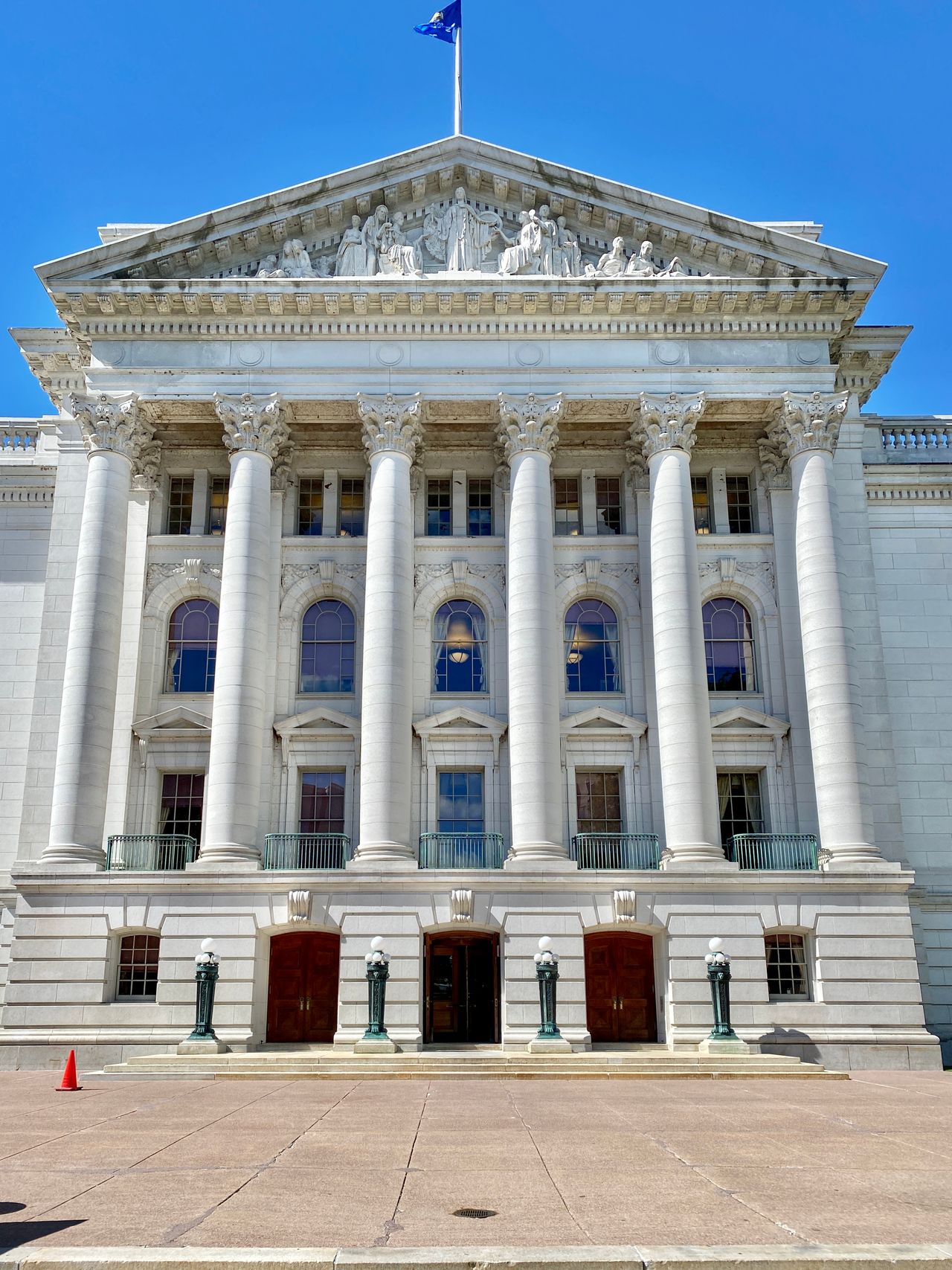
Even with strong voter support, the ordinance had to survive several political and legal hurdles before Election Day. Business groups including the St. Paul Area Chamber opposed it, and the St. Paul City Council voted in August to keep it off the ballot. That decision came despite Safe Homes St. Paul gathering enough signatures to force the question forward.
The fight then moved to the courts. The Minnesota Supreme Court allowed the question to remain on the ballot, and the Minnesota Court of Appeals upheld that ruling on Monday, just a day before voters made the final call. Only after those decisions was the ordinance’s fate fully in voters’ hands.
St. Paul is not the first Minnesota city to take this step. Duluth passed a similar measure in November 2025, making it the first in the state. With St. Paul now joining in, tenant repair rules are becoming a bigger part of the housing conversation in Minnesota’s two largest renter-heavy cities.