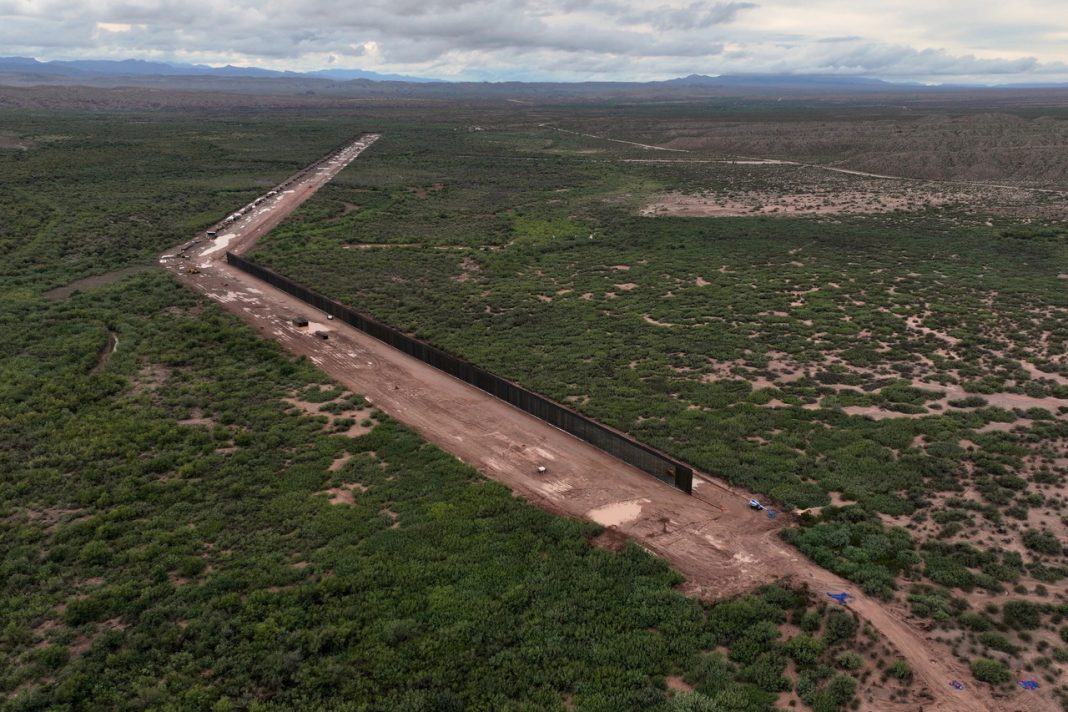

The Supreme Court has allowed the Trump administration to resume border-barrier construction in Texas’s Big Bend region while a legal challenge continues. The dispute centers on federal waivers of environmental laws, the project’s reach into and around Big Bend National Park, and whether the administration has authority to move ahead. Local residents and conservation groups oppose the work, while Justice Ketanji Brown Jackson dissented from the court’s temporary order.
Construction Can Resume While the Legal Challenge Continues
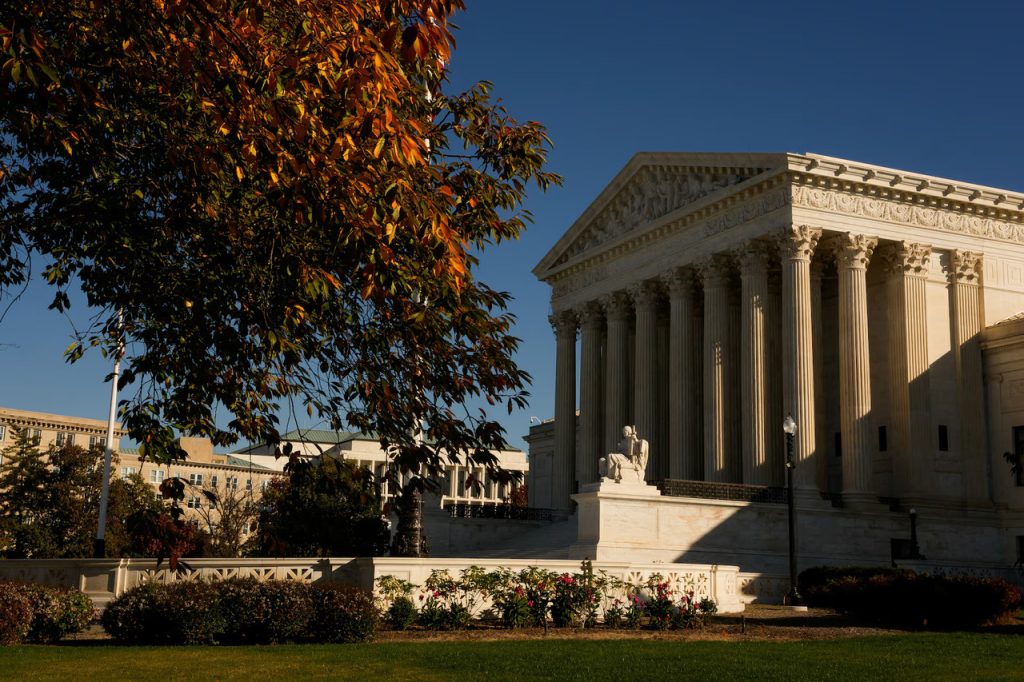
The Supreme Court’s November 9 order temporarily cleared the way for the Trump administration to restart border-barrier work in the Big Bend region. The justices paused a lower court’s halt while the lawsuit continues, so the order does not settle whether the project or the administration’s environmental waivers are lawful. The decision addresses what can happen during the case, while the underlying legal dispute remains unresolved.
The Plan Targets a Remote Stretch of the Texas-Mexico Border
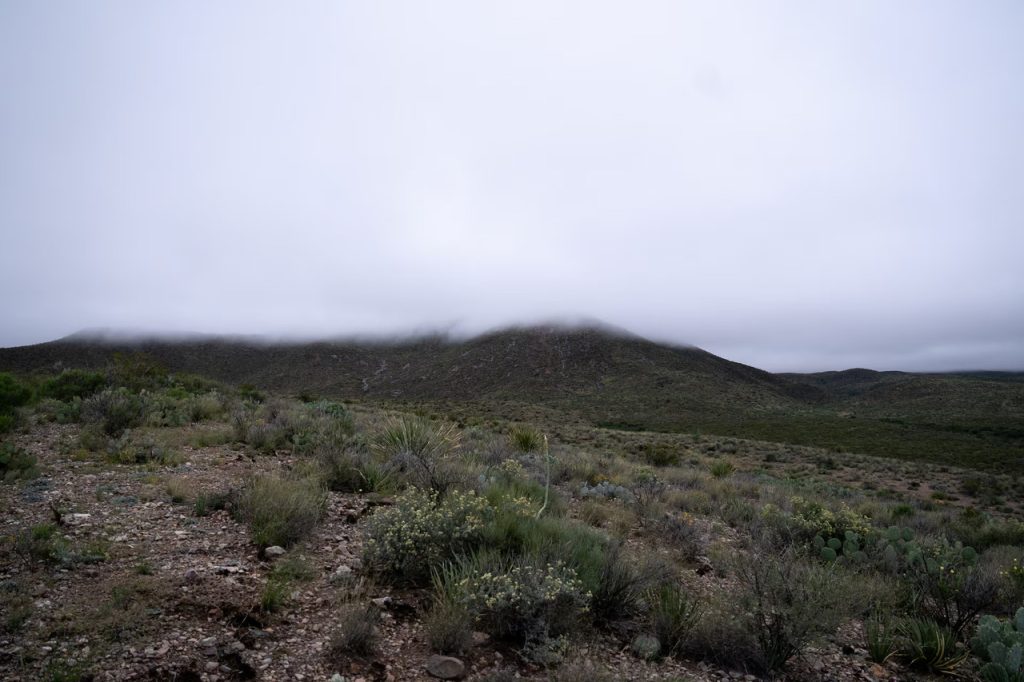
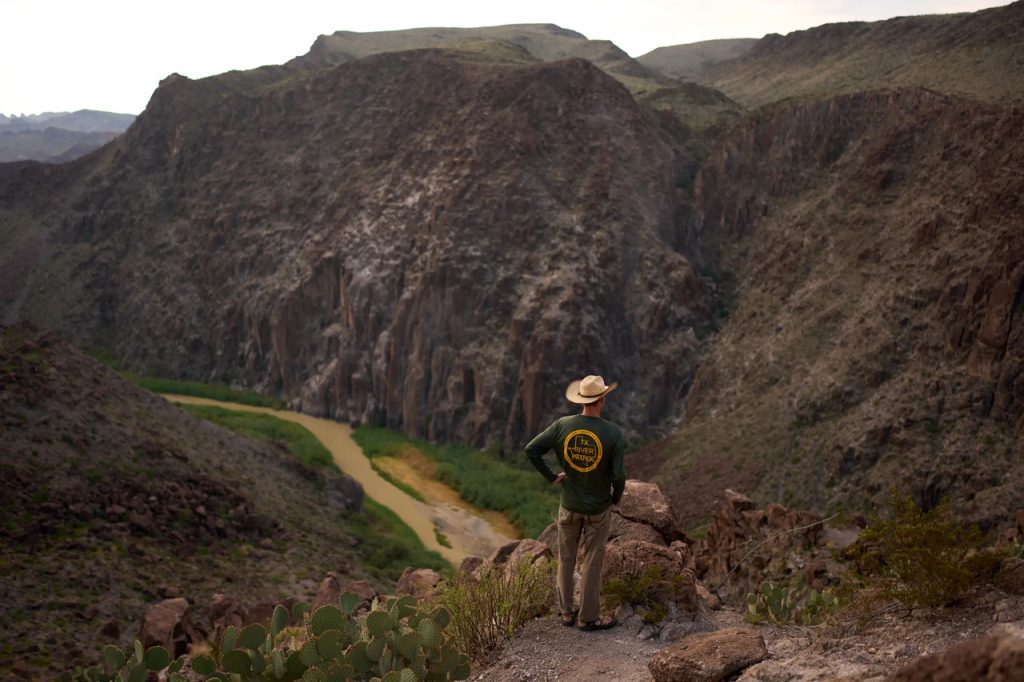
Big Bend is a vast, sparsely populated region in West Texas, and the border project covers a long stretch of the area. The administration argues that leaving gaps in border infrastructure could draw illegal crossings and drug smuggling toward less fortified sections. Opponents counter that the rugged terrain already makes the region difficult to cross and question whether a wall is needed there. The Supreme Court’s order allows construction to resume as those competing arguments are considered in court.
Environmental Waivers Are at the Center of the Lawsuit
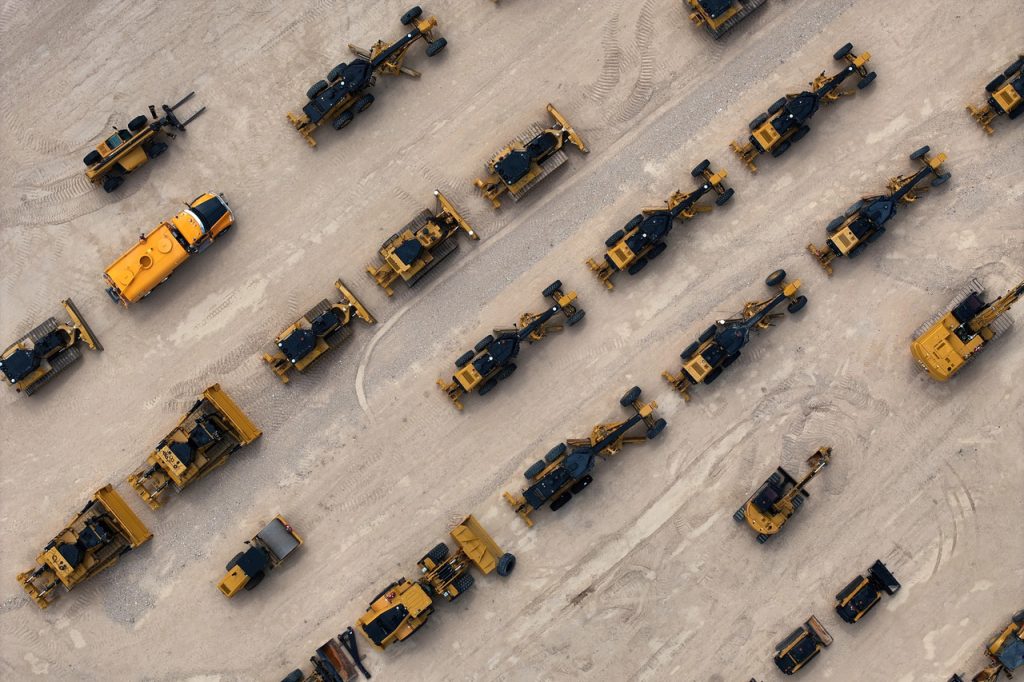
The administration relied on federal authority to waive laws that could otherwise slow border construction. The challengers argue that the waivers sweep too broadly and that Congress did not authorize their use across this region. They say the project risks harm to natural and historic resources. The government says the law gives federal officials broad power to build barriers quickly. The Supreme Court’s temporary order lets work proceed while the courts consider those legal arguments.
The Construction Zone Includes Big Bend National Park
The proposed work affects an area that includes Big Bend National Park, along with land beyond the park’s boundaries. That detail has intensified concern among conservation groups and people who depend on the region’s landscape for recreation and business. Opponents warn that construction could damage desert terrain and canyon walls. The administration says border barriers and related infrastructure are needed for security. With construction cleared to resume for now, the dispute concerns both the government’s authority to build and the potential effects on this distinctive landscape.
Local Residents and Conservation Groups Have Objected
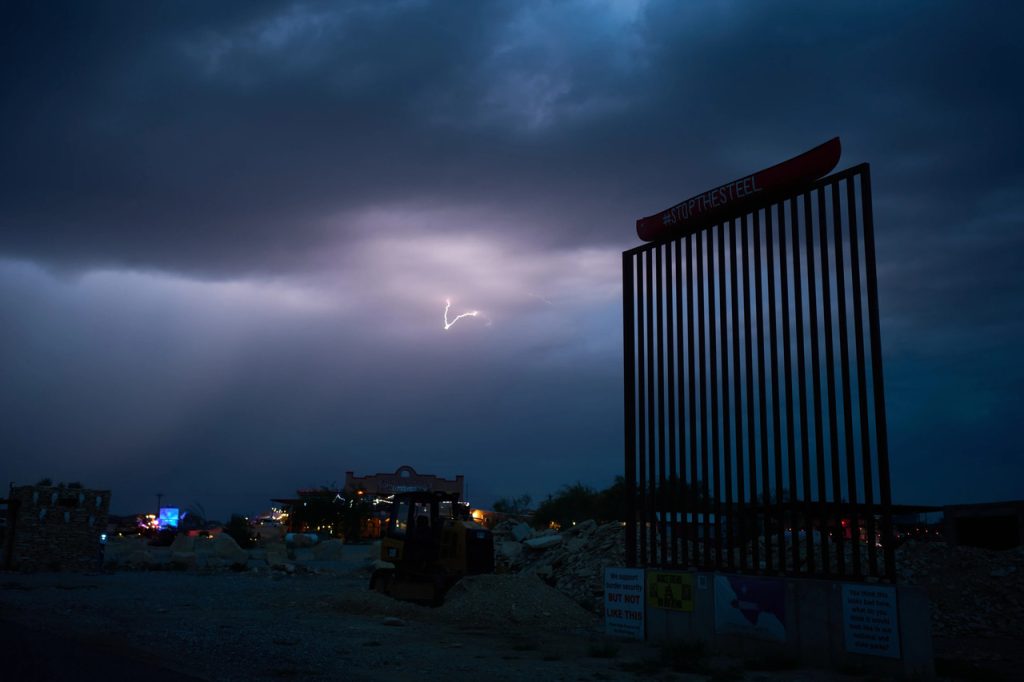
Opposition comes from people who live and work in the Big Bend area, landowners, environmental advocates and other local organizations. They argue the project is unnecessary in a region with historically low rates of migrant apprehensions and could damage scenic, environmental and recreational resources. Some landowners have also resisted federal efforts to access property for surveys and construction. The administration disputes the claim that the region needs no barrier, warning that gaps could become routes for illegal crossings and smuggling.
A Federal Judge Had Ordered Construction to Stop
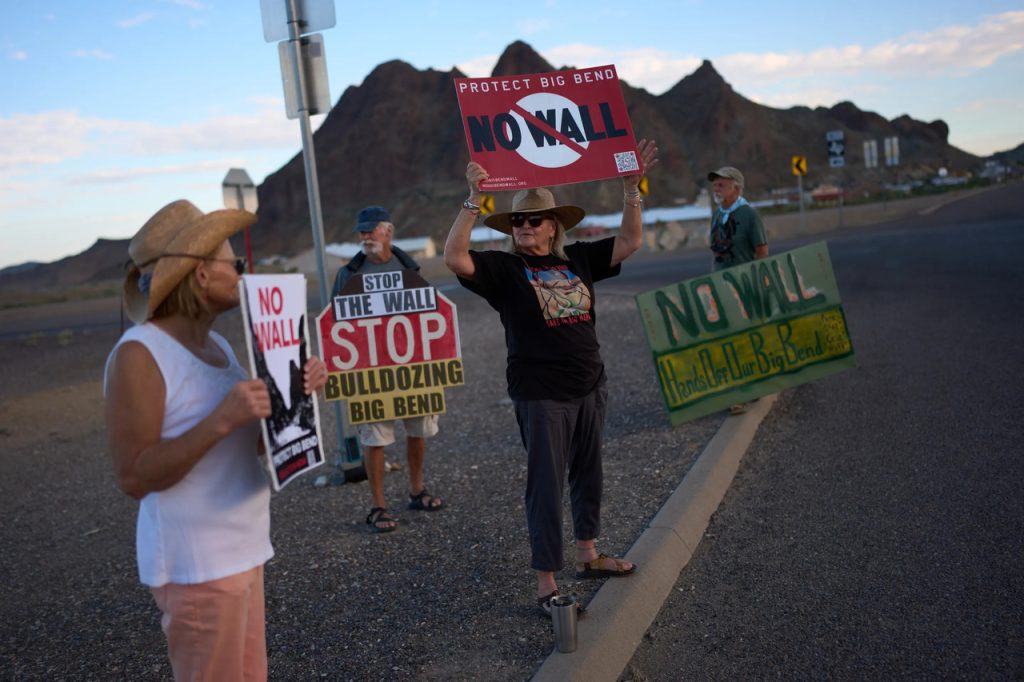
Before the Supreme Court acted, a federal judge sided with the challengers and ordered construction-related activity in the area to stop. The judge questioned whether Congress had clearly authorized such broad waivers, particularly in a region where apprehensions are comparatively low. The administration then asked the Supreme Court for emergency relief, arguing that the lower court’s order interfered with federal authority over border security. The high court paused that order, allowing work to resume while the challenge proceeds.