

Could Minnesota Help Change How America Elects Its President? The National Popular Vote Plan Explained

The fight over presidential elections is no longer just about swing states. Minnesota is already in the middle of it.

A growing interstate pact could change how the White House is won, but only if enough states sign on.

How the National Popular Vote plan actually works

Mikhail Nilov/Pexels

Minnesota law already includes the National Popular Vote Interstate Compact under section 208.051. The basic idea is simple: member states agree to award their presidential electors to the candidate who wins the most votes across all 50 states and Washington, D.C., not just the most votes inside their own borders.

But this does not happen right away. The law says the compact only takes effect when member states together hold a majority of Electoral College votes, which means 270. According to the latest figures in the source material, the agreement currently covers 222 electoral votes, so it is still 48 short.

The statute also lays out the mechanics in unusual detail. Each member state’s chief election official must total the nationwide vote from every state and the District of Columbia, then identify the national popular vote winner at least six days before electors meet. If there is a national tie, the law says each member state would award its electors to the slate that won that state’s own popular vote.

Why Minnesota matters, and what could happen next
Warren LeMay from Covington, KY, United States/Wikimedia Commons

Minnesota matters because it is already in the compact, which means it is one of the states helping keep the effort alive. A November 10 Associated Press report said Democratic gains in the 2026 midterms could open new paths for supporters who want more states to join.

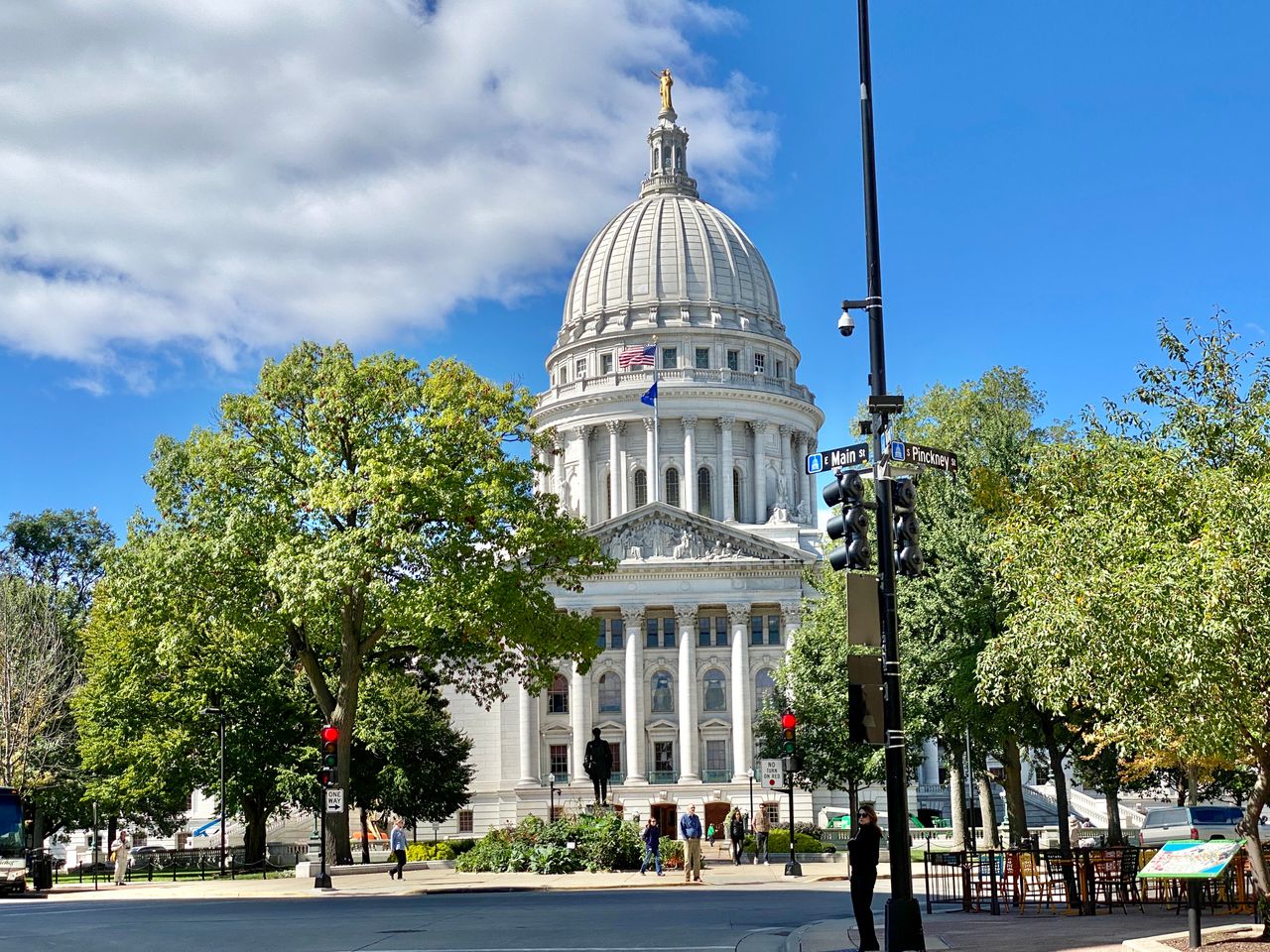
Two of the biggest names to watch are Pennsylvania and Wisconsin. Both are politically competitive, and either state could move the compact much closer to the 270-vote trigger if future legislatures and governors line up behind it. That is why every election cycle now doubles as a test of the compact’s future.

The timing rules are also important. Under Minnesota’s statute, a state can withdraw, but if that happens within six months of the end of a president’s term, the exit does not take effect until the next president or vice president has qualified. That provision is meant to prevent a late scramble in a close election year.

Why the plan is so controversial
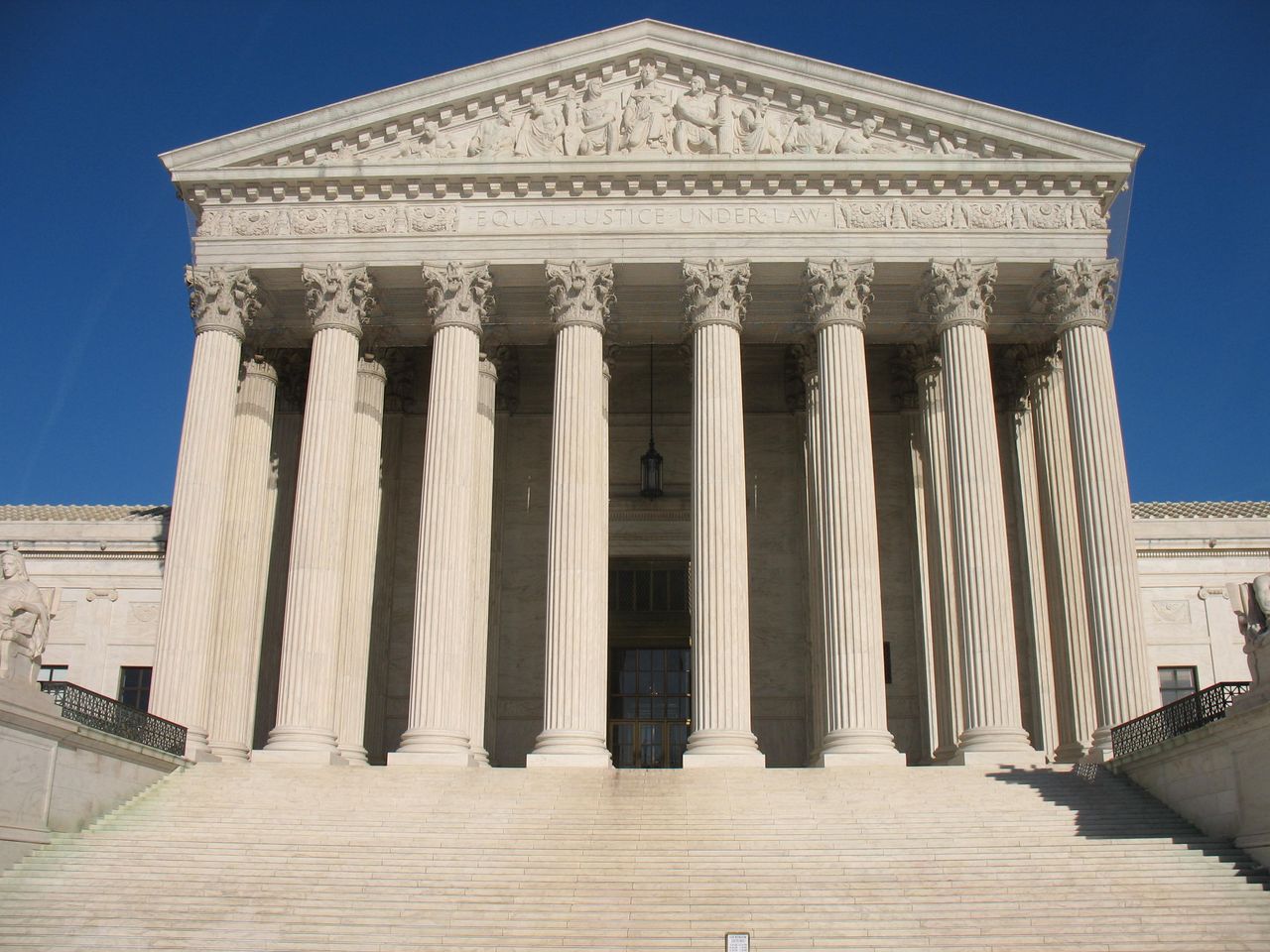
Photo by Mr. Kjetil Ree./Wikimedia Commons

Supporters argue the compact fits within the Constitution because states already control how electors are appointed. Article III of Minnesota’s law reflects that view by directing state officials to certify electors based on the national popular vote once the compact reaches 270 electoral votes.

Critics say the plan changes the practical meaning of the Electoral College without formally amending the Constitution. They argue that using an interstate agreement to create a de facto national election could invite court fights, especially if a razor-thin result or disputed state count decides the winner.

So what has to happen next? At least 48 more electoral votes’ worth of states must join before July 20 of an election year for the compact to govern that year’s electors. Until then, Minnesota is not changing the rules by itself, but it is already part of a serious national effort to do exactly that.


Ethan Mercer
Ethan Mercer
Ethan Mercer is an editor and writer who brings a clear, thoughtful approach to storytelling and content development. His work focuses on creating polished, reader-friendly pieces that are easy to follow and grounded in strong editorial judgment. He values accuracy, consistency, and a clean voice across every project. At the Minneapolis Bulletin, he contributes to coverage that is professional, engaging, and easy to trust.

Hot this week

Two New House Reports Offer Conflicting Accounts of Trump’s Relationship With Jeffrey Epstein

Two recent House reports reach opposite conclusions about Donald Trump's relationship with Jeffrey Epstein. Together, they show how the same public controversy can produce sharply different congressional narratives without resolving the underlying facts.

Appeals Court Tells Judge to Narrow Trump’s Request for Journalists’ LinkedIn Records

A federal appeals court said a judge must narrow a Trump administration request for journalists' LinkedIn records tied to a leak investigation. The ruling keeps the inquiry alive while signaling that broad demands risking unrelated confidential sources go too far.

Trump Replaces His 8th Circuit Court Nominee After Two Republican Senators Object

Trump withdrew Lee Rudofsky's nomination to the 8th Circuit on November 10 after objections from Arkansas Senators John Boozman and Tom Cotton. He replaced Rudofsky with Arkansas Supreme Court Justice J. Cody Hiland, a move that highlights how much home-state senators still matter in judicial fights.

Supreme Court Declines to Hear Appeal in the Ricky Cobb Shooting. What Happens Now?

The U.S. Supreme Court declined to hear an appeal tied to the 2023 shooting death of Ricky Cobb II in Minneapolis. That move leaves lower court decisions in place and effectively blocks the family’s civil case against two state troopers.

Western Minnesota’s Appleton Prison Starts Taking ICE Detainees as Protests Take Shape

A long-shuttered prison in Appleton, Minnesota, is being revived as a 1,600-bed ICE detention center, bringing both hopes for jobs and deep concern over detention practices. As the first detainees arrive, protests and a planned November 14 vigil are sharpening a debate that reaches far beyond one small town.

Topics

Two New House Reports Offer Conflicting Accounts of Trump’s Relationship With Jeffrey Epstein

Two recent House reports reach opposite conclusions about Donald Trump's relationship with Jeffrey Epstein. Together, they show how the same public controversy can produce sharply different congressional narratives without resolving the underlying facts.

Appeals Court Tells Judge to Narrow Trump’s Request for Journalists’ LinkedIn Records

A federal appeals court said a judge must narrow a Trump administration request for journalists' LinkedIn records tied to a leak investigation. The ruling keeps the inquiry alive while signaling that broad demands risking unrelated confidential sources go too far.

Trump Replaces His 8th Circuit Court Nominee After Two Republican Senators Object

Trump withdrew Lee Rudofsky's nomination to the 8th Circuit on November 10 after objections from Arkansas Senators John Boozman and Tom Cotton. He replaced Rudofsky with Arkansas Supreme Court Justice J. Cody Hiland, a move that highlights how much home-state senators still matter in judicial fights.

Supreme Court Declines to Hear Appeal in the Ricky Cobb Shooting. What Happens Now?

The U.S. Supreme Court declined to hear an appeal tied to the 2023 shooting death of Ricky Cobb II in Minneapolis. That move leaves lower court decisions in place and effectively blocks the family’s civil case against two state troopers.

Western Minnesota’s Appleton Prison Starts Taking ICE Detainees as Protests Take Shape

A long-shuttered prison in Appleton, Minnesota, is being revived as a 1,600-bed ICE detention center, bringing both hopes for jobs and deep concern over detention practices. As the first detainees arrive, protests and a planned November 14 vigil are sharpening a debate that reaches far beyond one small town.

Minnesota Democrats Want to Revisit Gun Violence and ICE Restrictions When the Legislature Returns

Minnesota House Democrats say gun violence prevention and new limits on federal immigration enforcement in schools and other safe spaces will be top priorities when the 2027 session opens. The push comes with a larger DFL majority and new leadership under speaker-designate Zack Stephenson.

A Minneapolis Woman Is Suing Over Her Viral ICE Arrest. 6 Details Behind Her Case

Videos of Rahman’s Jan. 13 arrest drew national attention. Her lawsuit now challenges why agents detained her and how they treated her, while the federal government prepares its response. Here are six details behind the case.

Jim Jordan Takes Over House GOP Leadership as Minnesota’s Tom Emmer Keeps the No. 2 Role

Jim Jordan, a co-founder of the conservative House Freedom Caucus, will lead House Republicans in the next Congress. Minnesota’s Tom Emmer will serve directly below him as minority whip
spot_img

Related Articles

Popular Categories

spot_imgspot_img