
Trump Replaces His 8th Circuit Court Nominee After Two Republican Senators Object

It was a fast switch with big consequences. On November 10, Trump pulled one judicial nominee and sent up another for one of the most important federal appeals courts in the country.

Why the nomination changed
United States Senate/Wikimedia Commons

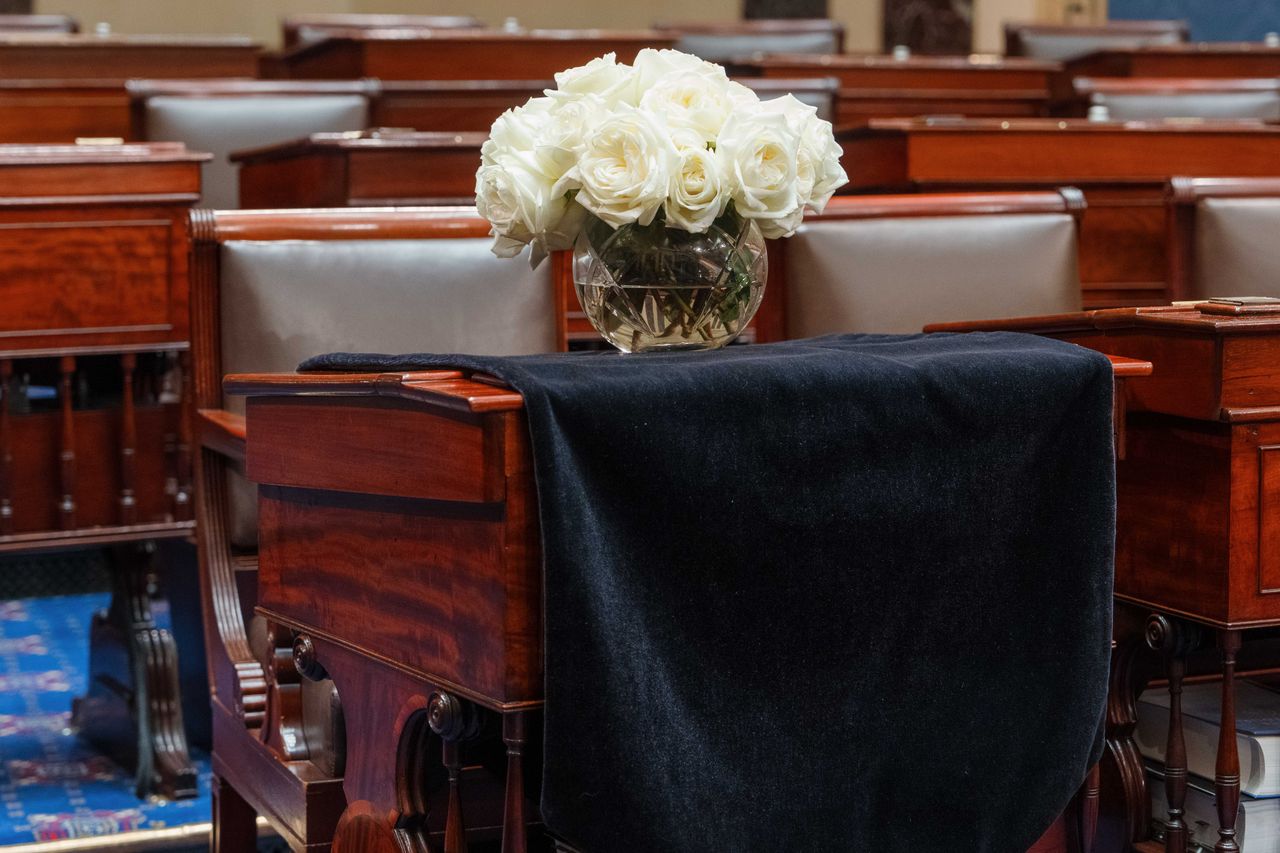
On November 10, Trump withdrew Lee Rudofsky’s nomination to the U.S. Court of Appeals for the Eighth Circuit. In the same move, he nominated Arkansas Supreme Court Justice J. Cody Hiland for the seat instead. That kind of same-day replacement is notable because appellate court nominations usually move slowly and are closely watched.

The immediate reason was opposition from Arkansas Republican Senators John Boozman and Tom Cotton. When two home-state senators from the president’s own party object, it becomes much harder for a nomination to move cleanly. In this case, their resistance was enough to force a reset before the process went any further.

That matters beyond Arkansas because the Eighth Circuit hears federal appeals from 7 states, including Minnesota. So while the switch began as a state-level political problem, the court’s reach makes it important to people across the Upper Midwest and Plains.

Who J. Cody Hiland is and why this matters

Lewis, George E/Wikimedia Commons

J. Cody Hiland now becomes the new name to watch. He currently serves on the Arkansas Supreme Court, giving Trump a replacement nominee who already holds a statewide judicial post in Arkansas. That fact alone can make a nomination easier to defend politically than one facing open resistance from both senators from the nominee’s home state.

The choice also reflects a practical reality in federal judicial appointments. Home-state senators often carry real influence, especially when a judgeship is closely tied to their state. Boozman and Cotton may not cast the final vote alone, but their objections clearly changed the outcome here.

For general readers, the simplest way to understand this is that Senate politics can shape the courts long before any full confirmation vote happens. In this case, 2 senators from Arkansas effectively redirected a nomination to a court that serves 7 states.

The timing and longer-term stakes
Tony Webster from Minneapolis, Minnesota, United States/Wikimedia Commons

The timing is a major part of the story. Trump made the switch before Democrats take control of the Senate, which raises the pressure on any judicial nomination still in the pipeline. A nomination that lacks support from key Republicans becomes even riskier when the political clock is already running down.

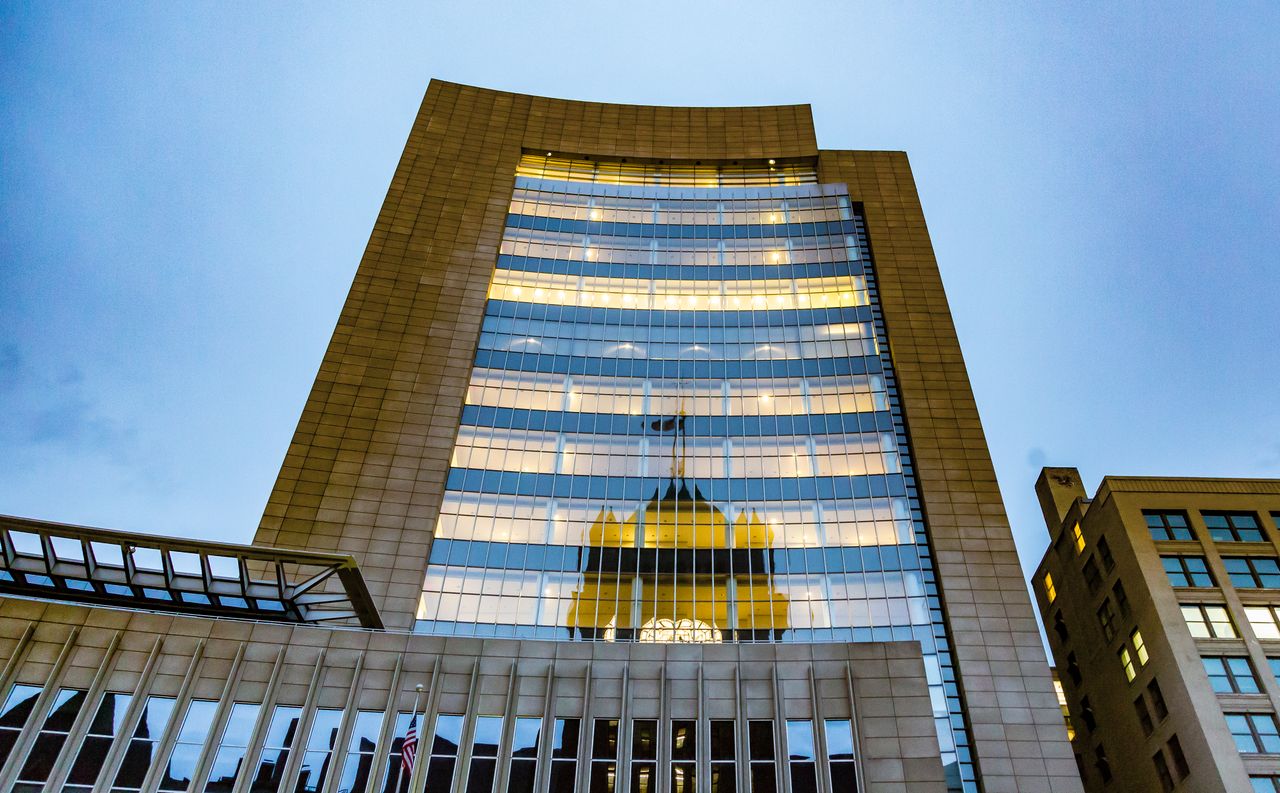
The Eighth Circuit’s jurisdiction gives the decision added weight. The court handles federal appeals from Minnesota and 6 other states, meaning its rulings can affect a wide stretch of the country. For Minnesota readers especially, this is not just a Washington personnel change. It is a development involving one of the courts that directly reviews cases from their state.

Longer term, the replacement shows how fragile judicial nominations can be, even within one party. It also suggests that future White House court picks may be shaped more carefully around senator support, especially when time is short and control of the Senate is about to change.


Sophie Bennett
Sophie Bennett
Sophie Bennett is an editor and writer with a strong interest in clear communication and engaging storytelling. She focuses on creating content that is informative, accessible, and relevant to a broad audience. Her editorial approach emphasizes accuracy, readability, and thoughtful presentation of ideas. At the Minneapolis Bulletin, she contributes to delivering well-crafted stories that keep readers informed and connected to the topics that matter most.

Hot this week

Two New House Reports Offer Conflicting Accounts of Trump’s Relationship With Jeffrey Epstein

Two recent House reports reach opposite conclusions about Donald Trump's relationship with Jeffrey Epstein. Together, they show how the same public controversy can produce sharply different congressional narratives without resolving the underlying facts.

Appeals Court Tells Judge to Narrow Trump’s Request for Journalists’ LinkedIn Records

A federal appeals court said a judge must narrow a Trump administration request for journalists' LinkedIn records tied to a leak investigation. The ruling keeps the inquiry alive while signaling that broad demands risking unrelated confidential sources go too far.

Supreme Court Declines to Hear Appeal in the Ricky Cobb Shooting. What Happens Now?

The U.S. Supreme Court declined to hear an appeal tied to the 2023 shooting death of Ricky Cobb II in Minneapolis. That move leaves lower court decisions in place and effectively blocks the family’s civil case against two state troopers.

Western Minnesota’s Appleton Prison Starts Taking ICE Detainees as Protests Take Shape

A long-shuttered prison in Appleton, Minnesota, is being revived as a 1,600-bed ICE detention center, bringing both hopes for jobs and deep concern over detention practices. As the first detainees arrive, protests and a planned November 14 vigil are sharpening a debate that reaches far beyond one small town.

Minnesota Democrats Want to Revisit Gun Violence and ICE Restrictions When the Legislature Returns

Minnesota House Democrats say gun violence prevention and new limits on federal immigration enforcement in schools and other safe spaces will be top priorities when the 2027 session opens. The push comes with a larger DFL majority and new leadership under speaker-designate Zack Stephenson.

Topics

Two New House Reports Offer Conflicting Accounts of Trump’s Relationship With Jeffrey Epstein

Two recent House reports reach opposite conclusions about Donald Trump's relationship with Jeffrey Epstein. Together, they show how the same public controversy can produce sharply different congressional narratives without resolving the underlying facts.

Appeals Court Tells Judge to Narrow Trump’s Request for Journalists’ LinkedIn Records

A federal appeals court said a judge must narrow a Trump administration request for journalists' LinkedIn records tied to a leak investigation. The ruling keeps the inquiry alive while signaling that broad demands risking unrelated confidential sources go too far.

Supreme Court Declines to Hear Appeal in the Ricky Cobb Shooting. What Happens Now?

The U.S. Supreme Court declined to hear an appeal tied to the 2023 shooting death of Ricky Cobb II in Minneapolis. That move leaves lower court decisions in place and effectively blocks the family’s civil case against two state troopers.

Western Minnesota’s Appleton Prison Starts Taking ICE Detainees as Protests Take Shape

A long-shuttered prison in Appleton, Minnesota, is being revived as a 1,600-bed ICE detention center, bringing both hopes for jobs and deep concern over detention practices. As the first detainees arrive, protests and a planned November 14 vigil are sharpening a debate that reaches far beyond one small town.

Minnesota Democrats Want to Revisit Gun Violence and ICE Restrictions When the Legislature Returns

Minnesota House Democrats say gun violence prevention and new limits on federal immigration enforcement in schools and other safe spaces will be top priorities when the 2027 session opens. The push comes with a larger DFL majority and new leadership under speaker-designate Zack Stephenson.

A Minneapolis Woman Is Suing Over Her Viral ICE Arrest. 6 Details Behind Her Case

Videos of Rahman’s Jan. 13 arrest drew national attention. Her lawsuit now challenges why agents detained her and how they treated her, while the federal government prepares its response. Here are six details behind the case.

Jim Jordan Takes Over House GOP Leadership as Minnesota’s Tom Emmer Keeps the No. 2 Role

Jim Jordan, a co-founder of the conservative House Freedom Caucus, will lead House Republicans in the next Congress. Minnesota’s Tom Emmer will serve directly below him as minority whip

Thirty Victims Are Now Linked to a Brooklyn Center Hotel Trafficking Investigation

A trafficking investigation tied to two Brooklyn Center hotels has expanded from 18 victims to 30, while officials continue sorting through evidence and broader questions about hotel accountability. The case has also renewed scrutiny of Wyndham and a property history that stretches back more than a decade.
spot_img

Related Articles

Popular Categories

spot_imgspot_img