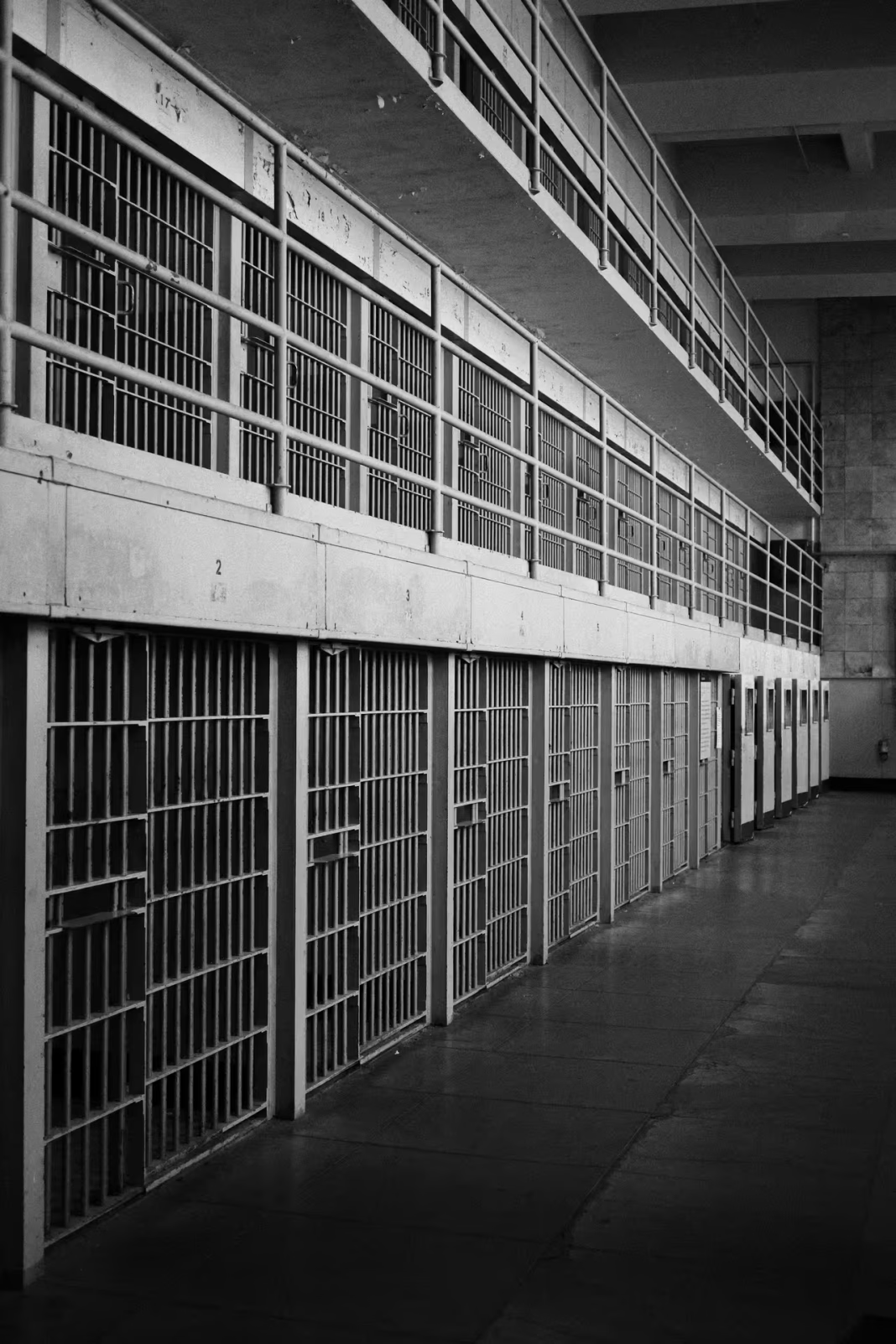

A prison that sat empty for 16 years is suddenly at the center of one of western Minnesota’s biggest local fights. In Appleton, people are weighing jobs, taxes, and conscience all at once.
A dormant prison returns with a new federal mission
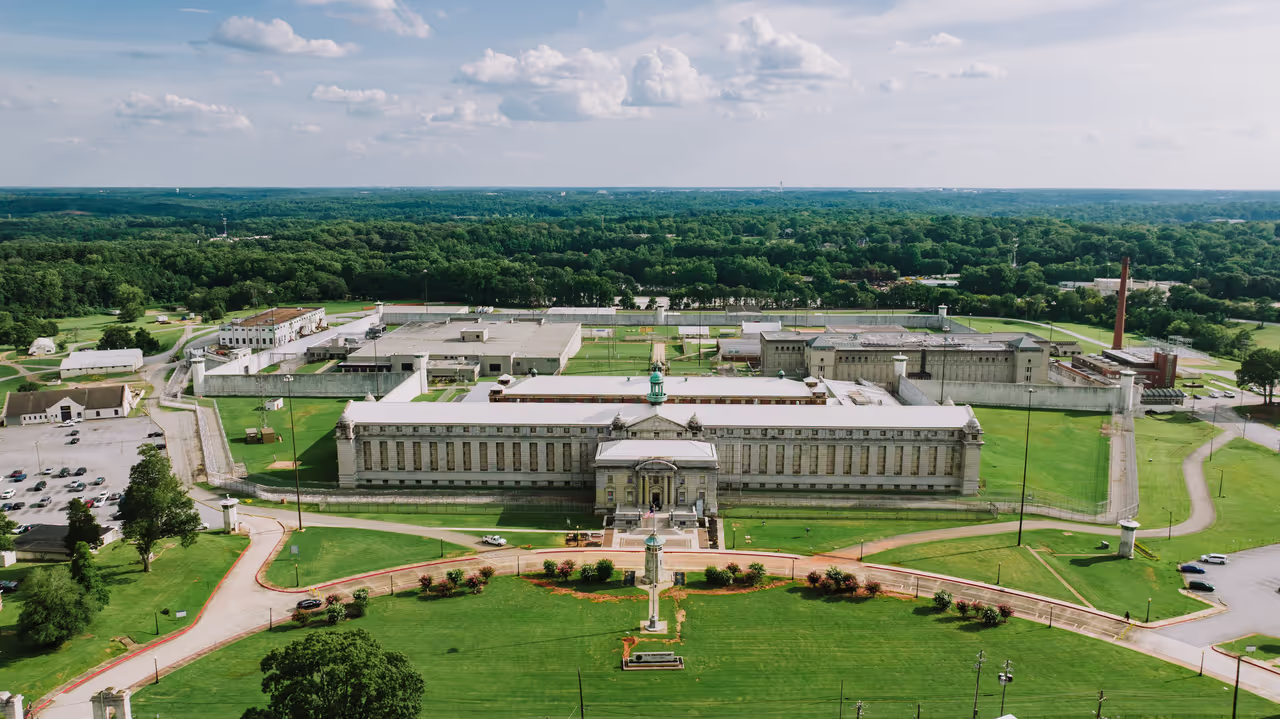
The Prairie Correctional Facility in Appleton, Minnesota, closed in 2010 after costing the town about 400 jobs, according to MPR News. This week, the federal government finalized a $496 million purchase of the 1,600-bed complex from CoreCivic, the private prison company that bought the site in 1997 for $74 million. CoreCivic is still set to operate the detention center for the government.
The facility is expected to begin operations next week, with the first ICE detainees projected to arrive this fall. By mid-2027, officials expect the center to be fully operating at its planned 1,600-person capacity. The reopening gives ICE a large detention footprint in western Minnesota at a time when federal authorities are expanding available bed space.
Appleton was selected in part because the prison already exists and has long been maintained for possible reuse. Local businesses and city services have lived with that possibility for years, even while the complex remained inactive. According to MPR News, local officials say the town kept supporting infrastructure around a prison that never fully disappeared from the picture.
Jobs and economic hopes collide with tax and service worries
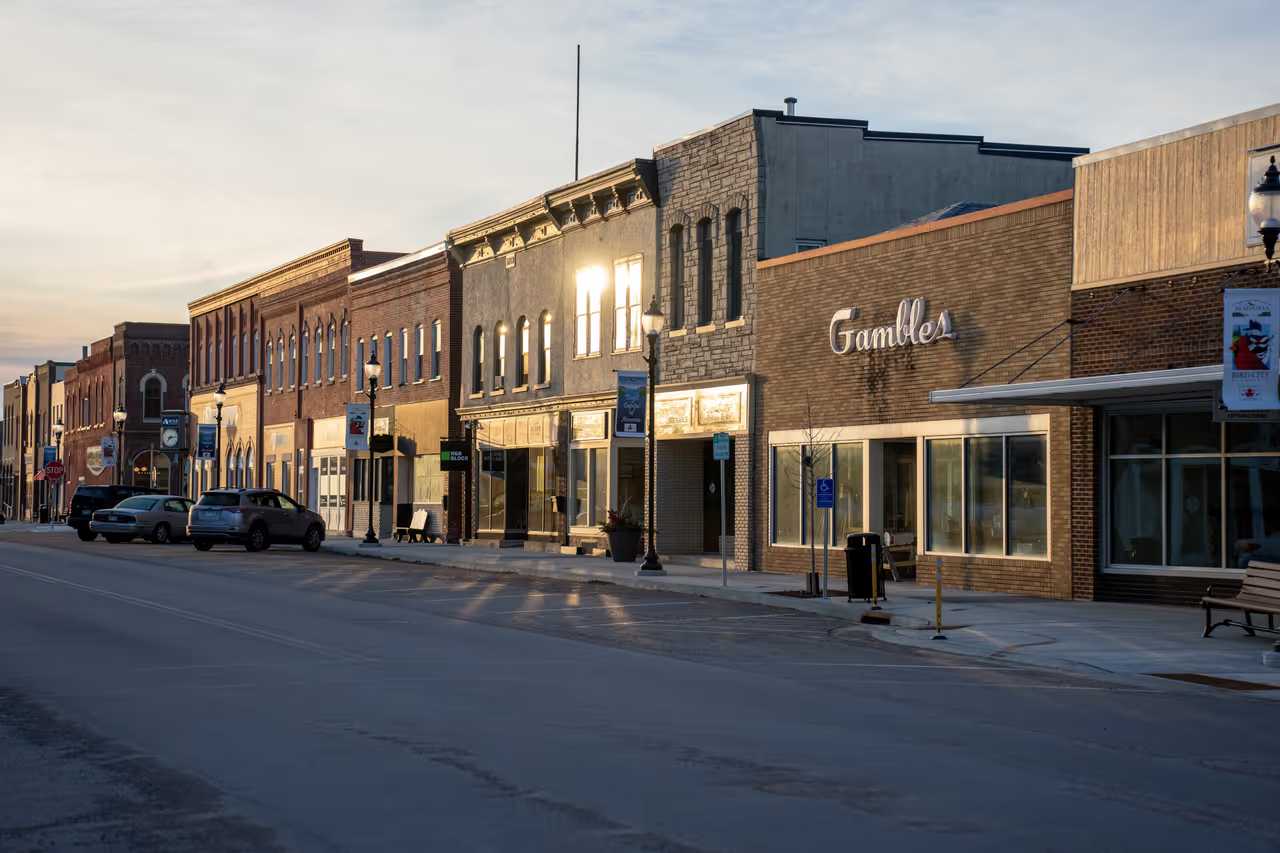
For some residents, the reopening is mainly about survival in a town with vacant storefronts and a shrinking economic base. Appleton City Council member James Massee told MPR News that losing the prison in 2010 was a “big kick in the butt,” reflecting the damage from hundreds of vanished paychecks. Business owner Shawn Swenson has also said more workers could mean more spending at local stores, bars, and restaurants.
But the economics are not straightforward. Because the federal government now owns the prison, the property will likely come off local tax rolls, and Massee estimated Appleton could lose about 30 percent of its tax base. Residents like Therese Quinn told MPR News they also worry that health care, law enforcement, and other services could be stretched in a small rural community.
That split runs through the whole region, including nearby Madison, where residents share schools, businesses, and family ties with Appleton. Western Guard editor Adam Conroy told MPR News the community appears almost evenly divided between those focused on immediate jobs and those worried about the longer-term civic cost.
Protests build as neighbors debate what kind of town this is
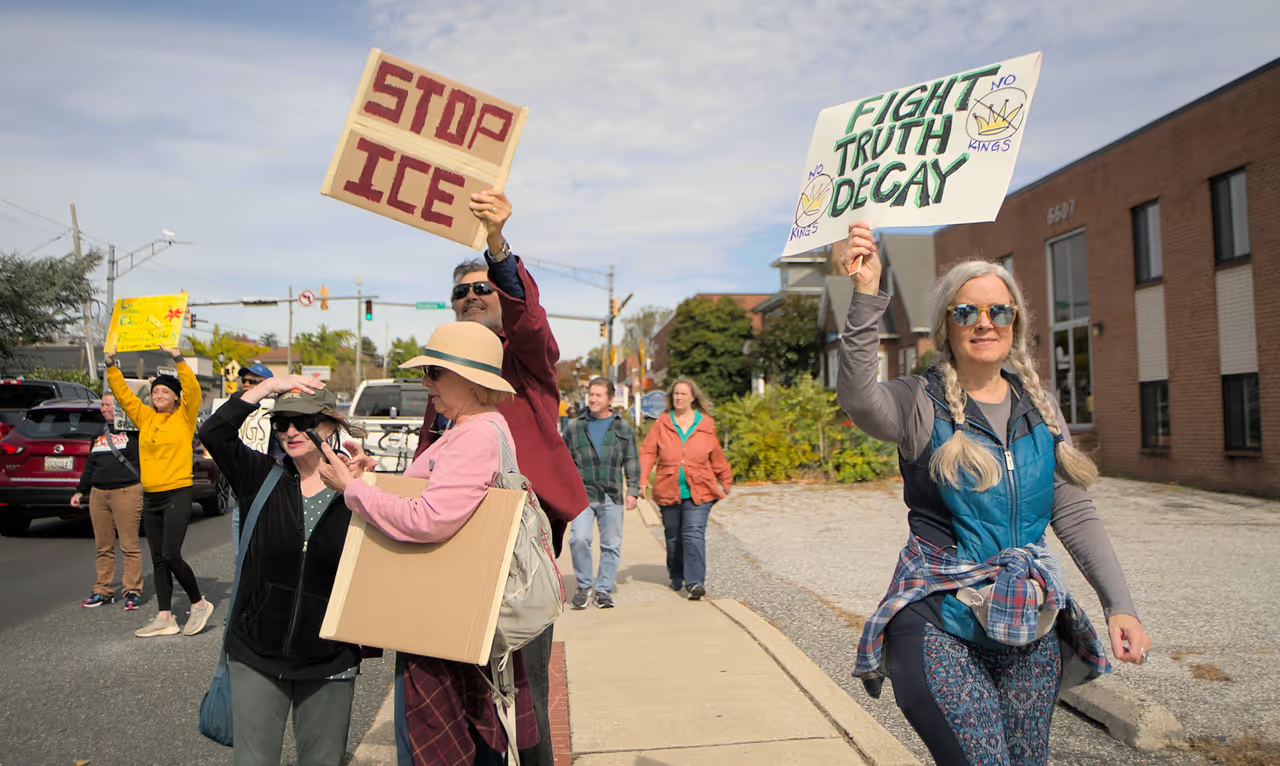
The public reaction was visible almost immediately after the sale was announced. MPR News described a Thursday protest in Appleton where about two dozen anti-ICE demonstrators stood across the highway from a smaller group of counter-protesters waving pro-ICE signs and a Trump flag. The arguments were sharp, but local leaders noted that the town had not tipped into violence.
Opponents say the moral issue is bigger than the payroll. Kris Shelstad, a business owner in Madison and a retired Army veteran, told MPR News she cannot separate any local economic benefit from ICE’s record and allegations of inhumane treatment. Others are also worried about the effect on immigrant neighbors in the region, including Micronesian families whose children now shape local school life.
Supporters, including some lifelong residents, say they want both immigration enforcement and a stronger local economy. A November 14 vigil and rally is expected to become the next major flashpoint, as Appleton heads toward full operations next year. With detainees expected this fall, the town’s debate is no longer theoretical. It is arriving bus by bus.