
Minnesota Democrats are coming back with a bigger majority and a clearer agenda. Two issues already look set to move fast in St. Paul when the 2027 session begins on Jan. 12.
A new majority is setting the tone
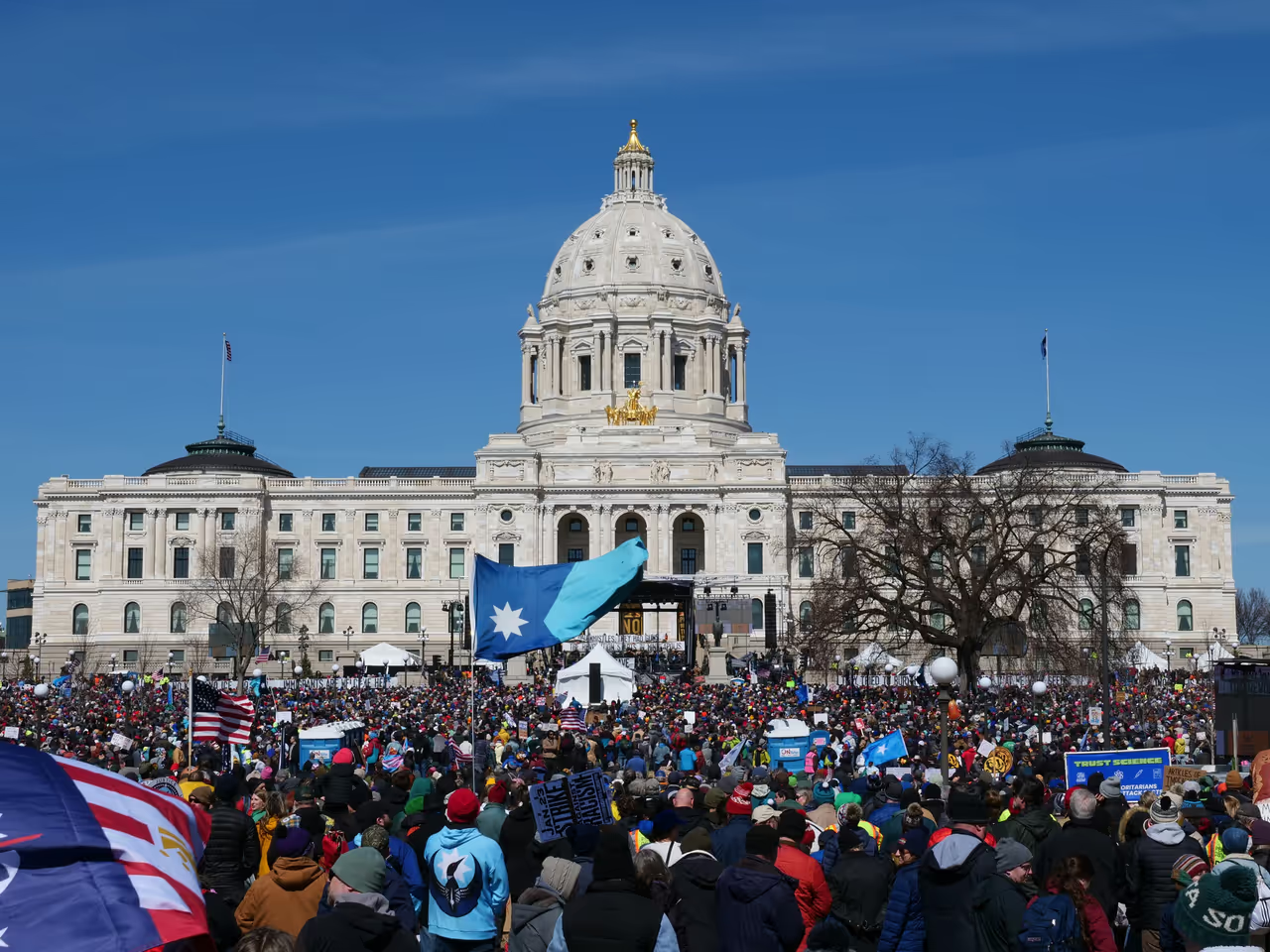
On Nov. 6, House Democrats chose Rep. Zack Stephenson of Coon Rapids as speaker-designate for the 2027-2028 biennium. The caucus also picked Rep. Jamie Long of Minneapolis as majority leader and Rep. Samantha Sencer-Mura of Minneapolis as majority whip. The House is projected to open with a 77-57 DFL advantage, which would be the party’s biggest edge since 2009-2010.
That larger majority matters because several proposals were blocked in the previous session. Stephenson said gun violence prevention will be an early priority in January 2027, and he signaled that a new bill will likely resemble legislation the Senate passed last session, even if it is not word-for-word the same. He also tied the issue to the June 2025 assassination of Speaker Emerita Melissa Hortman of Brooklyn Park.
The DFL caucus had already previewed its direction in a July 2027 agenda. That list included banning semi-automatic assault weapons and high-capacity magazines, along with mental health support in schools and protections for reproductive care. In practical terms, January will test whether a stronger House majority can turn those campaign promises into actual floor votes.
Gun violence is likely to move first
Stephenson has been unusually direct about the gun issue. He said it is personal for the caucus because members have experienced gun violence as survivors, and he specifically pointed to Hortman’s killing in June 2025. That kind of statement usually signals leadership wants committee action early, not late, once the 2027 session opens.
The proposal expected in 2027 is not described as identical to the earlier Senate bill. Still, the broad outline is clear from the DFL policy agenda released in July, which called for a ban on semi-automatic assault weapons and high-capacity magazines. Those ideas did not become law in the last session, which is why Democrats are framing them now as priorities rather than victories.
There is also a political opening that did not exist before. With a projected 77-57 House margin and a session that must end by May 17, DFL leaders have more room to schedule hearings and votes than they did when the chamber was more closely divided. That does not guarantee passage, but it changes the math in St. Paul in a real way.
ICE restrictions are back on the table too

Democrats are also expected to revisit restrictions on federal immigration enforcement in schools and other designated safe spaces. According to the source notes, that proposal was blocked in the previous legislative session, putting it in the same category as the gun package: a priority that leadership wants to bring back, not a bill that has already cleared the Legislature.
The basic goal is to limit where federal immigration enforcement can operate, especially in places lawmakers view as sensitive. Schools are specifically named, and the phrase “other designated safe spaces” suggests a broader policy structure that would have to be defined once bill language is introduced in January 2027. For families, that debate is likely to center on whether students and parents feel safe accessing public institutions.
This issue also fits the broader message House Democrats are using after the 2026 election. Sencer-Mura said on Nov. 6 that voters chose “the better offer” from Democrats, and leaders have framed Minnesota as a counterweight to the national MAGA agenda. With Gov.-elect Amy Klobuchar and the Senate also in the picture, House DFLers are signaling that immigration-related protections will be part of that opening push.