
A House Oversight Committee report says federal authorities repeatedly failed survivors in the Epstein and Maxwell cases. Released after a 15-month investigation, the 137-page report examines the 2007 non-prosecution agreement, missed prison checks before Epstein’s death and problems with the Justice Department’s release of millions of records. It also recommends renewed investigative steps and legislation aimed at protecting survivors who signed nondisclosure agreements.
Thomas Massie Put Eight Impeachment Articles Before the House

The effort came from Rep. Thomas Massie, a Kentucky Republican who introduced a resolution accusing Defense Secretary Pete Hegseth of high crimes and misdemeanors. The eight articles focused largely on Hegseth’s actions in the Iran war, along with military operations elsewhere and his treatment of Sen. Mark Kelly. The charges were allegations in a proposed impeachment resolution, not findings established by a court. Massie said he would not introduce another resolution himself; he is due to leave Congress in January after losing his primary.
A Procedural Vote Sent the Resolution to the Judiciary Committee
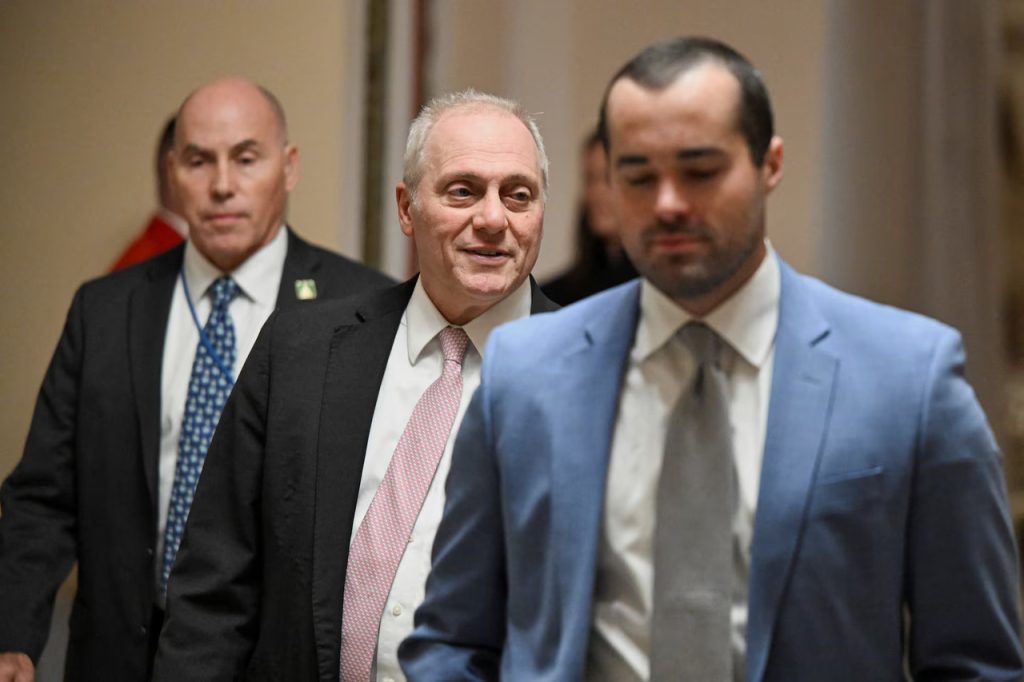
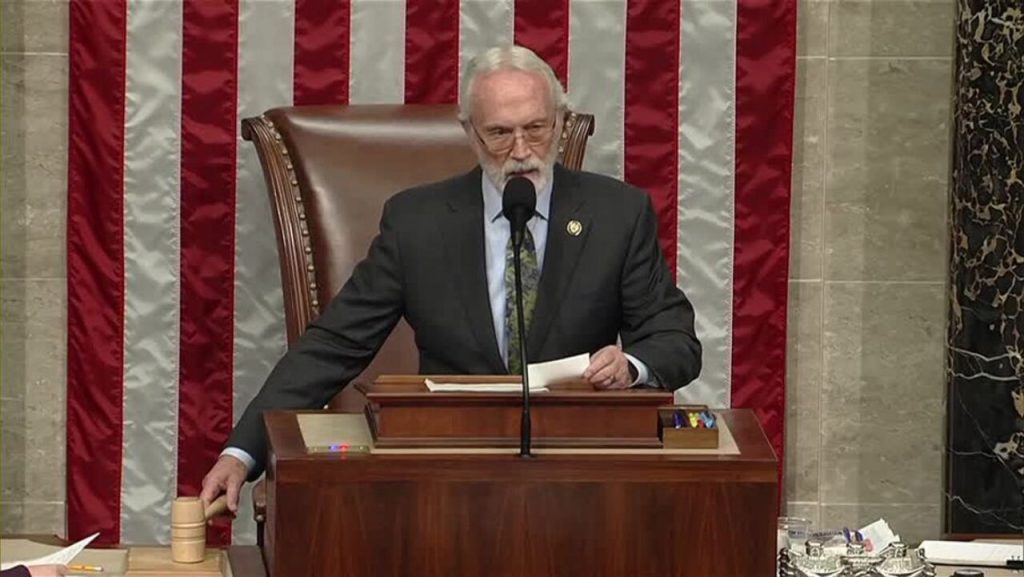
The House did not vote on whether to impeach Hegseth. Instead, members voted 211–204 to refer the resolution to the Republican-led Judiciary Committee, a move that effectively ended the immediate effort. Massie was the only Republican to vote against referral alongside Democrats. Seven Republicans and 11 Democrats missed the vote. The distinction matters: the vote blocked this resolution from moving forward at that time, rather than deciding the merits of each allegation.
Several Articles Challenged Hegseth’s Role in the Iran War

The resolution accused Hegseth of directing and continuing U.S. military action against Iran without a declaration of war or specific authorization from Congress. It also alleged that he continued the operations after Congress acted to direct U.S. forces to withdraw. Another article accused him of weakening safeguards meant to reduce civilian casualties. These were Massie’s claims in the impeachment articles. Hegseth defended the operations and rejected the charges, saying they amounted to policy disagreements rather than impeachable offenses.
Other Charges Concerned Yemen, Caribbean Strikes and Sen. Mark Kelly

The eight articles also addressed U.S. military operations beyond Iran. They accused Hegseth of initiating military action in Yemen without congressional authorization, directing extrajudicial killings during boat strikes in the Caribbean, and directing the capture of Venezuelan President Nicolás Maduro. Another article alleged retaliation against Democratic Sen. Mark Kelly after Kelly spoke publicly about military personnel’s obligation to refuse illegal orders. These claims were part of the resolution; the House did not establish them as facts in its procedural vote.
Republicans Said They Did Not Consider the Conduct Impeachable
Many Republicans had expressed frustration with Hegseth’s handling of the Iran war, but they did not believe his conduct met the threshold for impeachment. The vote also reflected Hegseth’s argument that the effort was a partisan political spectacle, not a response to high crimes or misdemeanors. President Donald Trump praised Hegseth’s defense and mocked the impeachment push after the vote. Massie, disappointed by the result, argued that lawmakers had failed to act despite political concerns about the war.
Democrats May Revisit the Issue After Taking Control in January
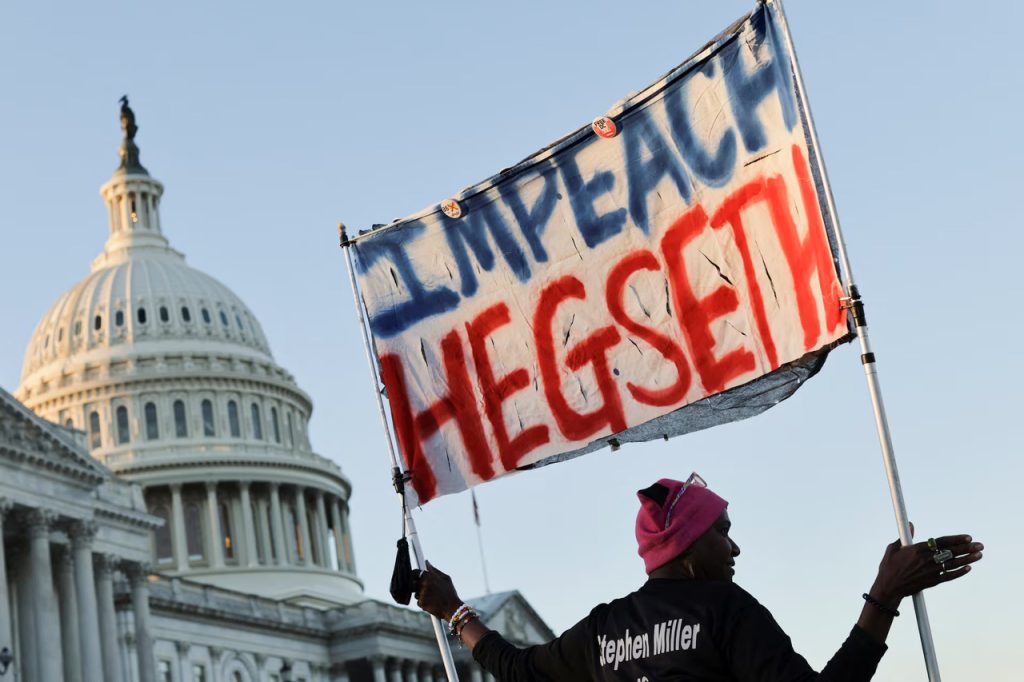
The vote may not end debate over Hegseth’s conduct. Democrats are expected to take control of both chambers in January, and House Minority Leader Hakeem Jeffries said the vote was “just the beginning.” Democrats could pursue new oversight or bring forward another impeachment effort under the incoming Congress. Massie said he would not introduce another resolution himself, and planned instead to force a vote on a war powers resolution. Any renewed action would be a separate step, not an automatic continuation of the measure the House referred.