
The numbers keep climbing. So do the questions.
What started as a September investigation at two Brooklyn Center hotels now reaches 30 victims, and the case is putting renewed pressure on local officials, police, and the hotels tied to it.
How the investigation grew
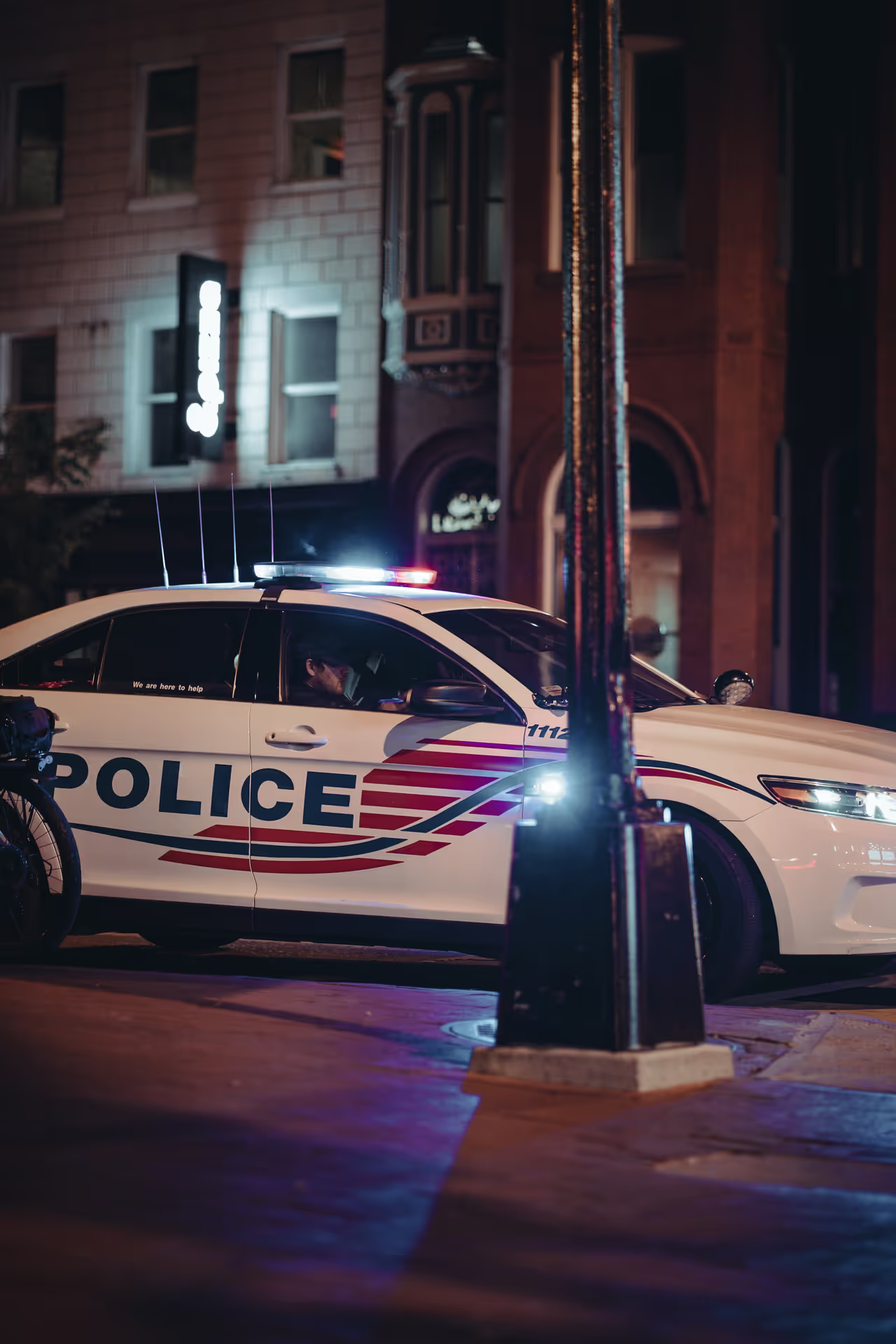
Brooklyn Center police now say 30 victims are linked to the September operation at the Super 8 and Travelodge hotels. That total was previously reported as 18, showing how much the scope of the case has expanded in just a few weeks. Incident Commander Richard Gabler said each newly identified victim brings new evidence and new leads that investigators have to review carefully.
So far, no criminal charges had been filed as of the November 10 update. Gabler said that was not entirely unexpected, because every additional victim can add another layer of interviews, records, and evidence collection. In cases like this, the pace of the investigation often reflects how complex the fact-finding process becomes once more people come forward.
The two hotels were at the center of the September raid, and both properties have since lost their licenses. City action means the Super 8 and Travelodge cannot reopen or even reapply before April 2027. That timeline has kept the buildings in public view and made the case a continuing issue at City Hall in Brooklyn Center.
Why the hotels are under scrutiny
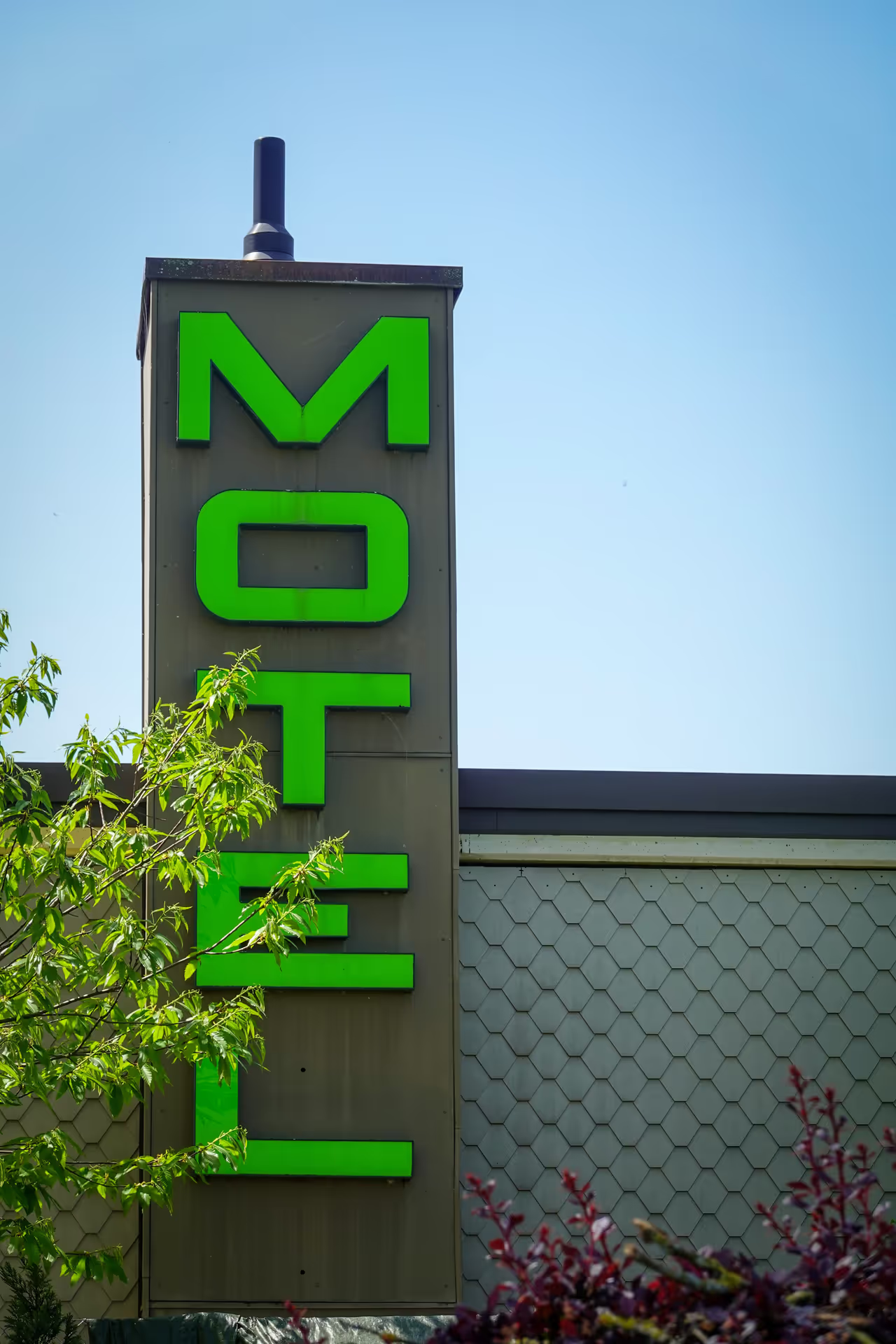
The Super 8 was first tied to sex trafficking more than 10 years ago, which is one reason the latest developments are drawing so much attention. Brooklyn Center Mayor April Graves publicly raised the issue during an October council meeting, asking what responsibility or liability Wyndham may have as the franchisor. That question has become one of the most closely watched parts of the story.
Attorney Jeffrey Montpetit, who filed a lawsuit in 2023 against Super 8 franchisor Wyndham, represents a woman who says she was trafficked at the hotel in 2013 when she was 15. He has said a key legal issue is whether the hotel profited from what happened by renting the room where the trafficking occurred. That argument goes straight to the heart of how civil accountability could be measured.
According to the lawsuit, the woman said she saw up to 20 johns per day at the hotel and regularly interacted with the same staff. The suit claims staff should have noticed warning signs such as bruising, provocative clothing in common areas, and a fearful demeanor. Wyndham did not respond after being asked twice for comment on the cases.
What happens next

Right now, investigators are still working through evidence tied to all 30 victims. Because no charges had been announced by November 10, the next phase will likely depend on how police and prosecutors sort through victim statements, hotel records, and any other material gathered during the September operation. That means the case could continue developing well beyond this year.
At the same time, the public pressure is not letting up in Brooklyn Center. The boarded-up Super 8 has become a visible reminder of a case that touches law enforcement, local government, and the hospitality industry all at once. With the hotels barred from reopening before April 2027, residents are left watching a property that now symbolizes a deeper failure to stop repeated harm.
Montpetit has said the larger issue is preventing this from happening to another young person. That is why this investigation matters beyond one city block in Brooklyn Center or one September raid. The final outcome may answer not only what happened at these hotels, but also who should have acted sooner.