
Chinese telecommunications giant Huawei has been found guilty of fraud, violating US sanctions on Iran and conspiring to steal trade secrets from American technology companies, following a federal criminal trial in New York.
A jury in Brooklyn returned its verdict on Tuesday, November 24, 2026, finding Huawei guilty on 10 of the 12 criminal charges it faced.
Three of the company’s subsidiaries were also convicted. However, jurors acquitted Huawei of racketeering conspiracy and conspiring to obstruct justice.
The verdict follows a criminal investigation dating back to 2018 that contributed to diplomatic tensions between the United States and China.
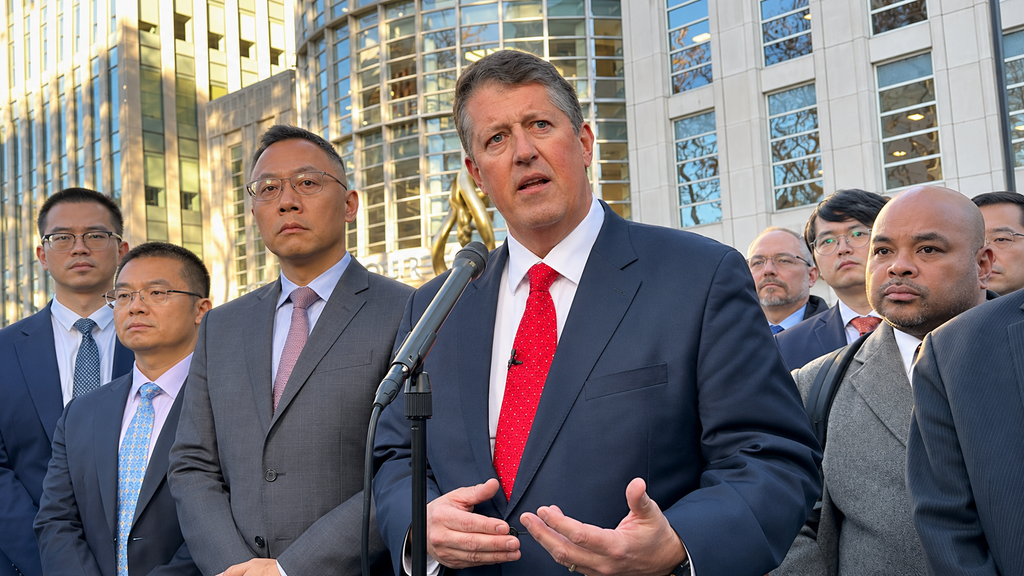
Huawei’s lawyer, Brian Heberlig, expressed disappointment with the convictions but welcomed the rejection of the racketeering charge, saying the company expects to appeal.
The trial lasted approximately three months, during which prosecutors called more than 60 witnesses and the defense called 15.
Prosecutors detail theft of American technology
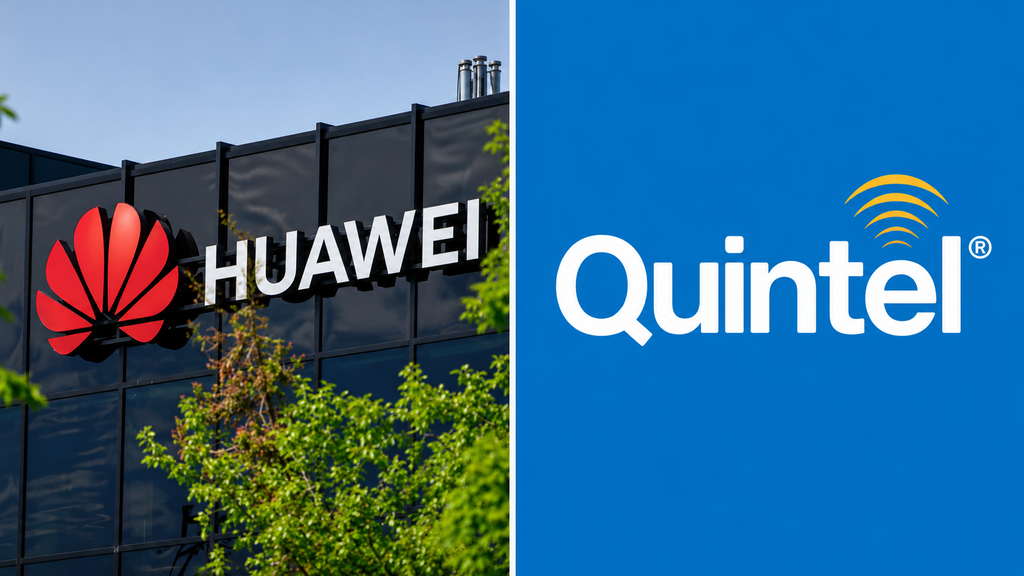
Federal prosecutors presented evidence involving confidential technology developed by several American companies, including Cisco Systems, T-Mobile, Quintel and semiconductor company CNEX.
The case involved proprietary software used in internet routers, antenna designs and technology used to test smartphone touchscreens.
According to the Justice Department, Huawei obtained confidential information from antenna manufacturer Quintel under a confidentiality agreement and subsequently incorporated the company’s technology into a patent application.
Prosecutors also presented video evidence involving a Huawei employee taking a component from a T-Mobile testing robot.
Huawei’s defense argued that prosecutors had used isolated incidents to portray the company as operating a widespread criminal conspiracy.
Its lawyers maintained that Huawei’s international success resulted from innovation, research and investment rather than the theft of technology.
Business dealings in Iran led to years of legal disputes
Another major part of the case centered on Huawei’s relationship with Skycom, a company through which it conducted business in Iran.
Federal prosecutors established that Huawei misrepresented its relationship with Skycom and its activities in Iran to international banks, allowing it to maintain access to financial services despite US sanctions.
The case previously attracted international attention when Huawei Chief Financial Officer Meng Wanzhou, the daughter of the company’s founder, was arrested in Canada in December 2018 on a US warrant.
Her detention triggered a diplomatic dispute involving Washington, Beijing and Ottawa. Meng returned to China in 2021 after reaching an agreement with US prosecutors, and the charges against her were subsequently dismissed.
Despite restrictions imposed by the United States in 2019, Huawei has continued to expand its business, including significant investments in artificial intelligence technology.
The company employs more than 200,000 people and operates in approximately 170 countries.
US District Judge Ann Donnelly is scheduled to sentence Huawei on September 14, 2027. The company faces potential fines, forfeiture and restitution, although the financial penalties have yet to be determined.