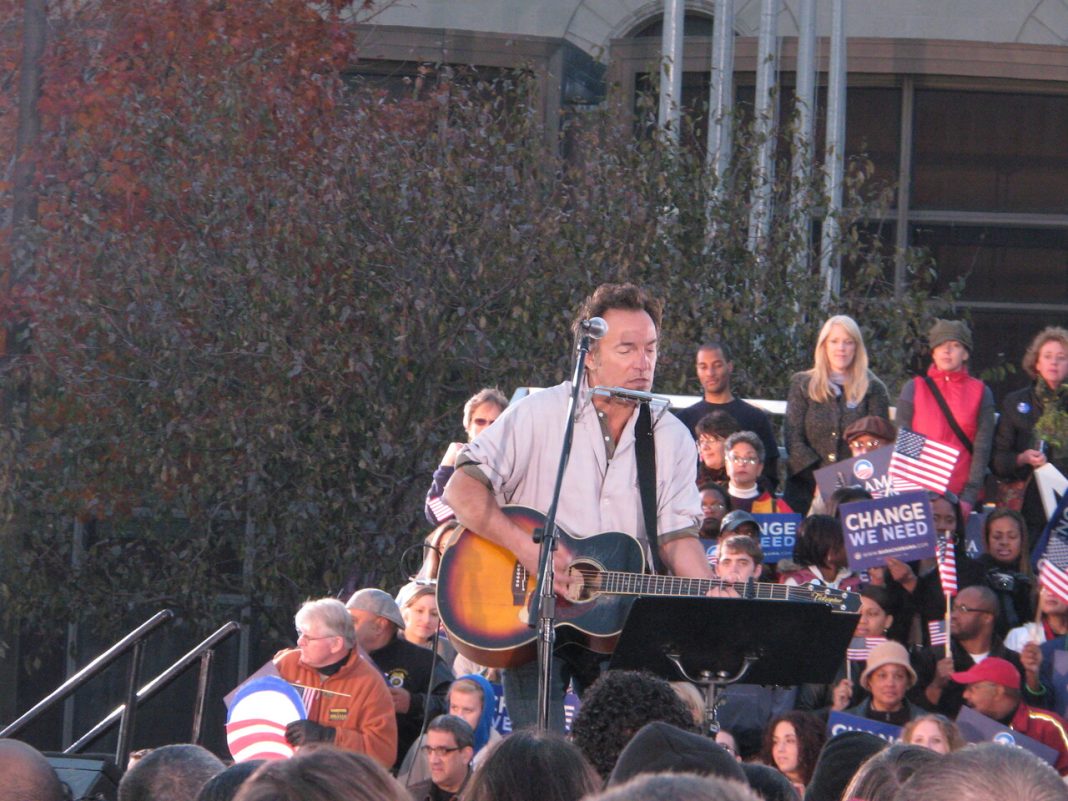

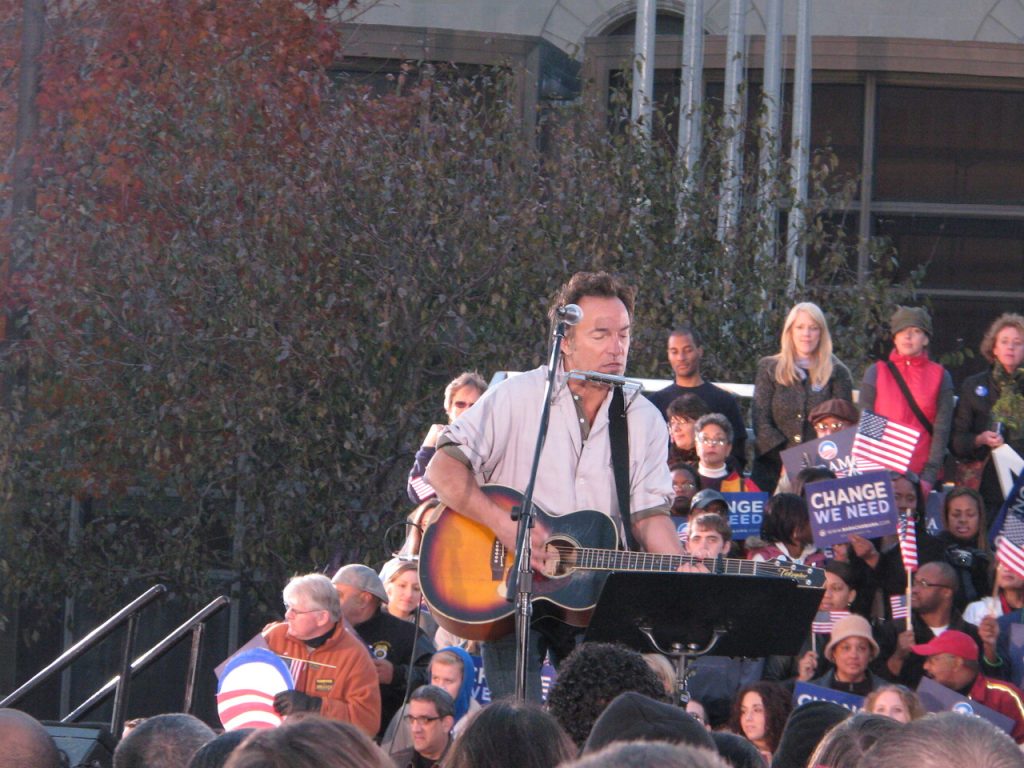
Bruce Springsteen has returned to the spotlight with a song that speaks directly to one of the most emotionally charged moments in recent American history. Streets of Minneapolis channels the grief, anger, and resilience felt across a city shaken by controversial immigration enforcement actions and the tragic loss that followed. Known for capturing the American experience through vivid storytelling, Springsteen uses this release to spotlight community pain and civic unrest, turning a local crisis into a national conversation through music.
Springsteen Taps the Pulse of Minneapolis in New Song
When Bruce Springsteen unveiled Streets of Minneapolis, it wasn’t just another release in his long career. It was a deliberate musical response to a moment of civic turmoil, crafted with urgency and empathy. The song arrived at a time when Minneapolis was at the center of national attention, grappling with the fallout from highly controversial federal immigration enforcement operations. Springsteen, known for his storytelling rooted in American life, aimed at the emotional landscape of a city in pain and protest. In choosing Minneapolis, he connected his work to a broader narrative about community, loss, and resistance.
The timing of the song’s release underscored its intentionality. Springsteen did not announce Streets of Minneapolis far in advance or promote it as part of a larger commercial project. Instead, the song appeared quickly in the wake of public outcry and demonstrations following the fatal shooting of a resident during a federal enforcement action. Fans and critics alike noted that the speed with which the song was written and recorded hinted at a deep personal reaction from the artist. Springsteen’s decision to engage musically with this specific incident, rather than a general political theme, reflected a desire to use his voice to spotlight a real and immediate human tragedy.
Lyrics That Tell a Story

Streets of Minneapolis reads like a collage of moments from the city’s recent struggles. Springsteen’s lyrics reference specific locales and emotional realities rather than abstract ideas. The song opens with vivid scenes: streets lined with candlelight vigils, echoes of protest chants, and the names of individuals at the center of community grief. By weaving recognizable details into the song’s fabric, Springsteen anchored his musical message in concrete experience. Listeners familiar with the events found themselves reflected in the storytelling itself.
The imagery is stark but not sensationalist. Springsteen writes with a clarity that honors the weight of the situation without exaggeration. He moves between personal reflection and collective observation, capturing both the sorrow of loss and the hopefulness that often fuels protest movements. These choices make the song resonate on multiple levels: as a lament for individuals and families affected by violence, and as a broader comment on power, accountability, and civic identity. By choosing this lyrical approach, Springsteen revived the tradition of folk storytelling in a modern context, blending reportage and emotion into a single narrative arc.
A Departure From Subtlety in Protest Music
Springsteen’s catalog includes songs with social commentary, but Streets of Minneapolis stands out for its directness. Earlier works often used metaphor or allegory to explore themes of struggle and injustice. Songs like “Born in the U.S.A.” became iconic precisely because they used accessible language to provoke deeper reflection. With this new song, Springsteen opted for a more explicit framing. There is little ambiguity about the song’s subject or its stance on the events that inspired it. It is clear, pointed, and unapologetically anchored in a specific political moment.
This directness is part of what makes Streets of Minneapolis unusual in today’s musical landscape, where artists often avoid taking explicit political positions for fear of alienating portions of their audience. Springsteen, however, leaned into the controversy, using his platform to amplify voices from protests and community meetings. He didn’t hide behind general themes of unity or healing; instead, he spoke to what many saw as a demand for justice and accountability. That choice marked a shift, not only in tone but in purpose, from storytelling to activism.
Public and Political Responses
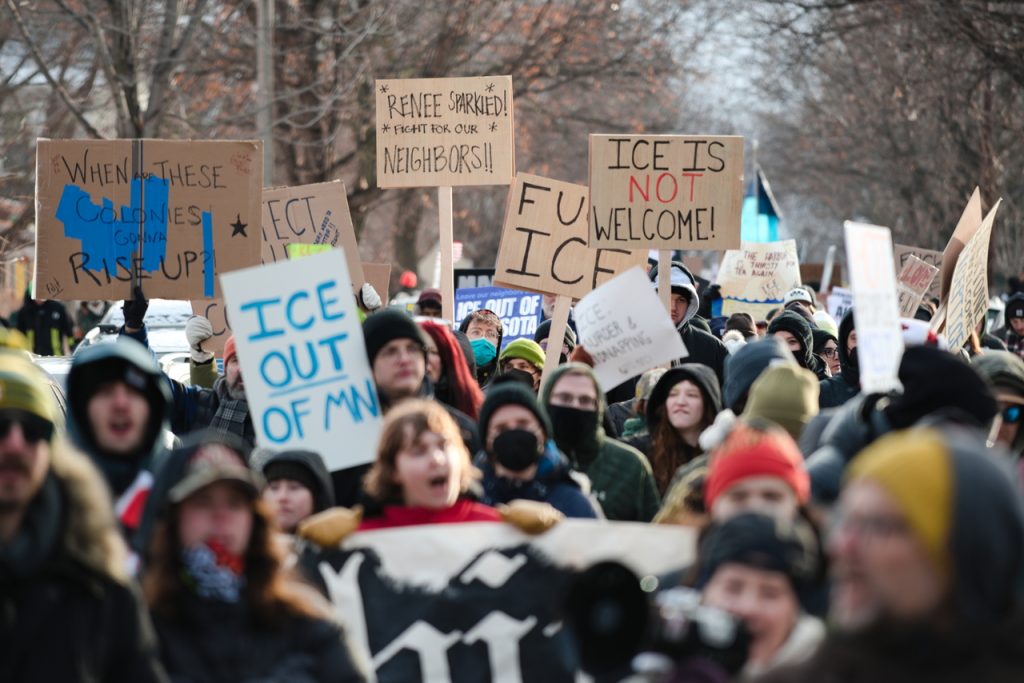
Reactions to Streets of Minneapolis have been as varied as the audiences encountering it. Fans and cultural commentators lauded Springsteen for his courage in confronting a contentious issue through art. Many saw the song as a necessary expression of solidarity with Minneapolis residents and a reminder of music’s role in social movements. Social media buzzed with fans citing poignant lines from the song, while critics praised Springsteen’s willingness to step outside the purely commercial sphere to engage with real-world events.
On the political side, reactions were predictably more polarized. Advocates for stricter immigration enforcement criticized the song’s framing, arguing that it selectively interpreted events and encouraged opposition to federal operations that were legal and sanctioned. Some commentators accused Springsteen of oversimplifying complex issues, while others defended his artistic freedom. Local leaders in Minneapolis, however, largely welcomed the song as an acknowledgment of community pain and a call for introspection. These mixed responses underscored just how potent music can be as both cultural commentary and political flashpoint.
The Place of Streets of Minneapolis in Springsteen’s Legacy
Springsteen’s career has long been defined by his ability to tell stories that reflect American lives, the hopes, the hardships, the ordinary and extraordinary moments that shape personal and collective identity. Streets of Minneapolis extends that tradition into immediate social engagement. It positions him not just as a chronicler of broader cultural themes, but as a direct participant in a national conversation about power, justice, and community. In doing so, the song finds its place alongside other historically resonant works that used music to comment on the social challenges of their time.
For an artist with six decades in the public eye, releasing a song so explicitly tied to a political moment could have felt risky. But Springsteen’s choice reinforced his reputation as an artist unafraid to reflect the world around him, even when that world is divided. The song’s impact will be measured not just in streams or chart performance, but in the conversations it sparks and the way it resonates with individuals grappling with the same issues that moved him to write it. In that sense, Streets of Minneapolis may well become a defining point in his long legacy of socially engaged music.