
Minneapolis has a new art-meets-science story worth seeing. At The Bakken Museum, living systems are being translated into color, form, and pattern in a way that feels both smart and deeply approachable.
A museum show rooted in real research

The Bakken Museum in Minneapolis recently opened Plant Data: A Record of Living Systems, a new exhibition centered on artist Emily Victory. The installation is on view in the museum’s Great Hall for a limited time, giving visitors a close look at how scientific records can become finished artworks.
What makes this project stand out is the collaboration behind it. Victory worked with researchers from the University of Minnesota’s Cedar Creek Ecosystem Science Reserve and the CBS Conservatory and Botanical Collections, two institutions known for serious plant and ecosystem study in Minnesota.
That means the work did not start as abstract inspiration alone. It grew out of direct scientific observation, including the kinds of plant records, specimen-based research, and ecological tracking that scientists use to understand living systems over time.
For a general audience, that connection matters. Instead of presenting science as distant or technical, The Bakken Museum uses one named artist, one Minneapolis venue, and one university partnership to show how research can enter everyday cultural life.
How scientific observation became visual art
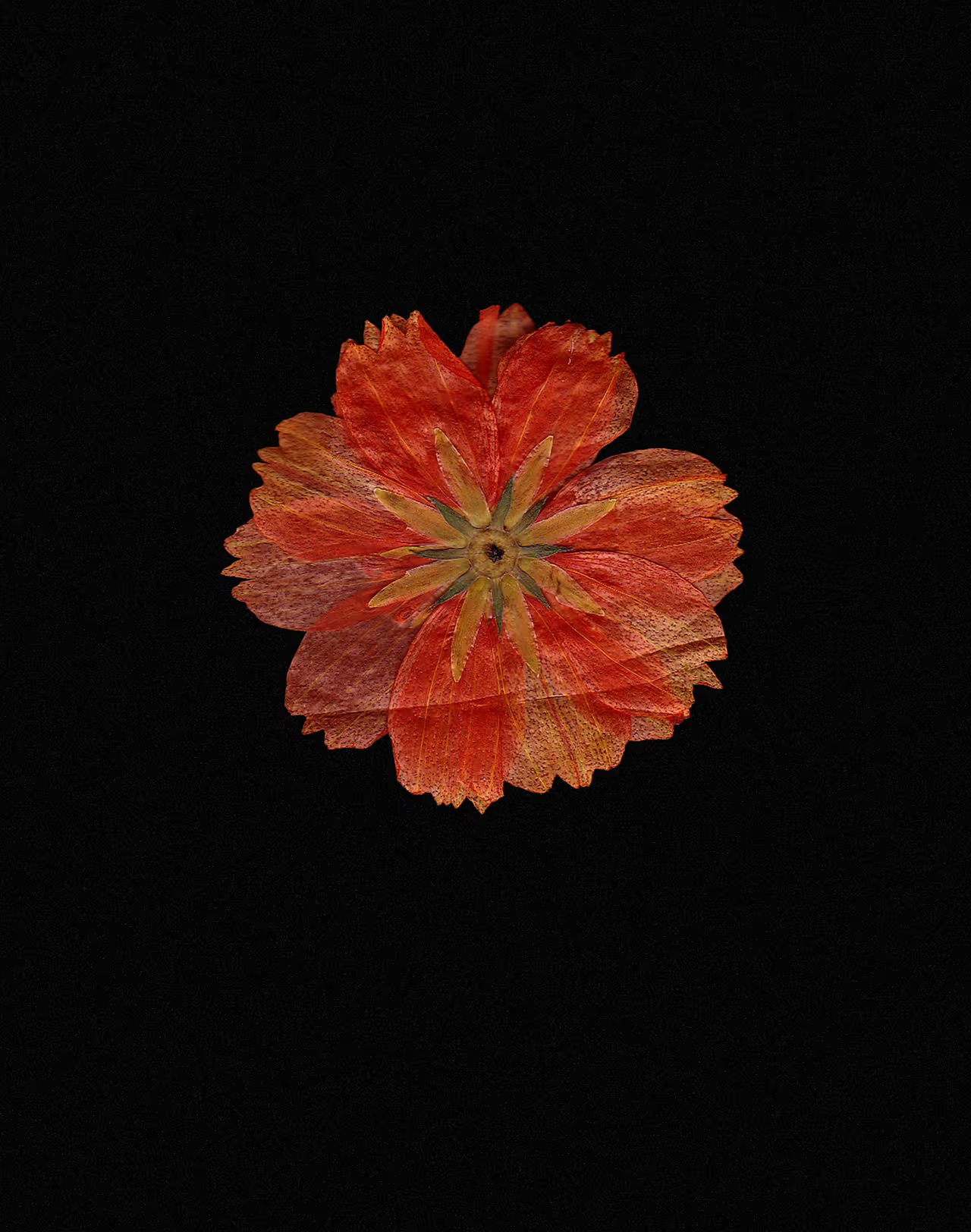
Emily Victory’s process was shaped by actual plant science, not just nature imagery. According to the project description provided by The Bakken Museum, she worked closely with experts tied to Cedar Creek and the University of Minnesota’s botanical collections to interpret the data and observations they gather.
In practical terms, that kind of collaboration can turn field notes, growth patterns, preserved specimens, and long-term ecological records into visual structure. A scientific observation that begins in a Minnesota research setting can reappear as line, texture, repetition, or scale inside a gallery installation.
That translation is part of what makes the exhibition compelling. Visitors are not just looking at flowers or landscapes. They are seeing how systems are documented, how researchers notice change, and how an artist can make that evidence visible in another language.
The title itself, Plant Data: A Record of Living Systems, points to that method. “Record” suggests documentation, while “living systems” keeps the focus on plants as active, changing organisms rather than static decorative subjects.
Why this Minneapolis project feels timely
This kind of exhibition lands at a moment when many US museums are trying to make research feel more public-facing. By pairing The Bakken Museum with the University of Minnesota, the project connects a local cultural institution with academic science in a way that feels relevant to Minneapolis right now.
It also gives plant science a different emotional register. Cedar Creek Ecosystem Science Reserve is associated with long-term ecological research, and the CBS Conservatory and Botanical Collections are tied to the care and study of plant material, so the art carries the weight of real expertise.
For visitors, the result is likely to be less about memorizing facts and more about noticing relationships. A gallery in Minneapolis becomes a place where data, ecology, and artistic interpretation all sit in the same room and speak to each other.
That is the real achievement of Victory’s work at The Bakken Museum. It shows that observation is not owned by one field alone, and that careful research from Minnesota scientists can become visual art without losing its original meaning.