
A portrait can preserve a face, but it can also offer a glimpse of the time and community around it. See & Be Seen brings together Minnesota portraits spanning nearly 170 years, inviting visitors to consider how the state and the stories it tells have changed.
Portraits trace nearly 170 years of Minnesota history
A portrait from the 1850s and one made in recent years can show more than two people from different eras. Seen together, they offer a way to notice how portrait-making and life in Minnesota have changed over time. See & Be Seen draws on the Minnesota Historical Society’s collections, with portraits spanning nearly 170 years, from the 1850s to the present. The exhibit invites visitors to look at the state’s history through these images. Portraits cannot tell every part of Minnesota’s story, but each one offers a particular view of a person and a moment. The exhibit brings those views together to paint a picture of the state and how it has changed.
Many artists and mediums tell the stories
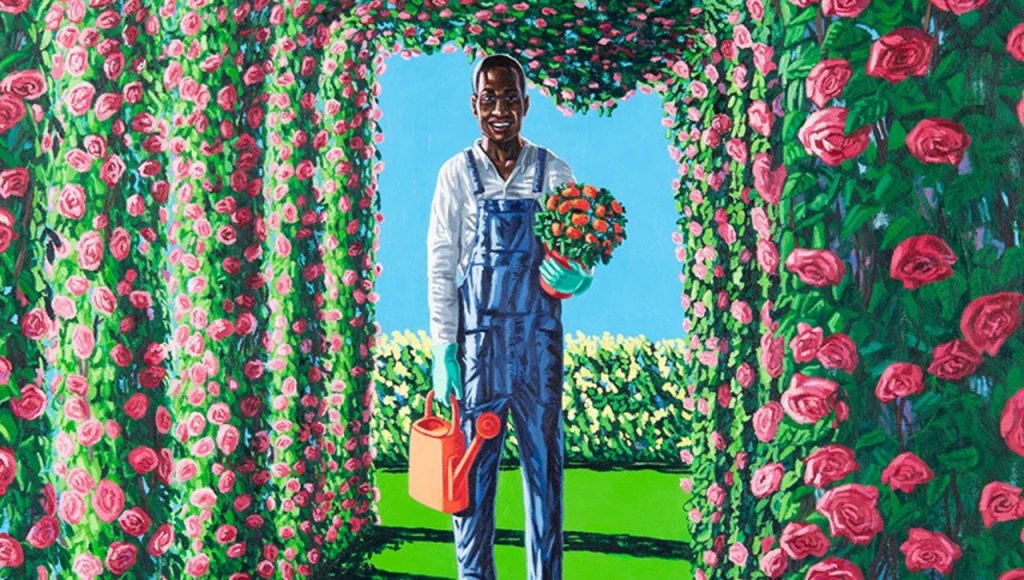
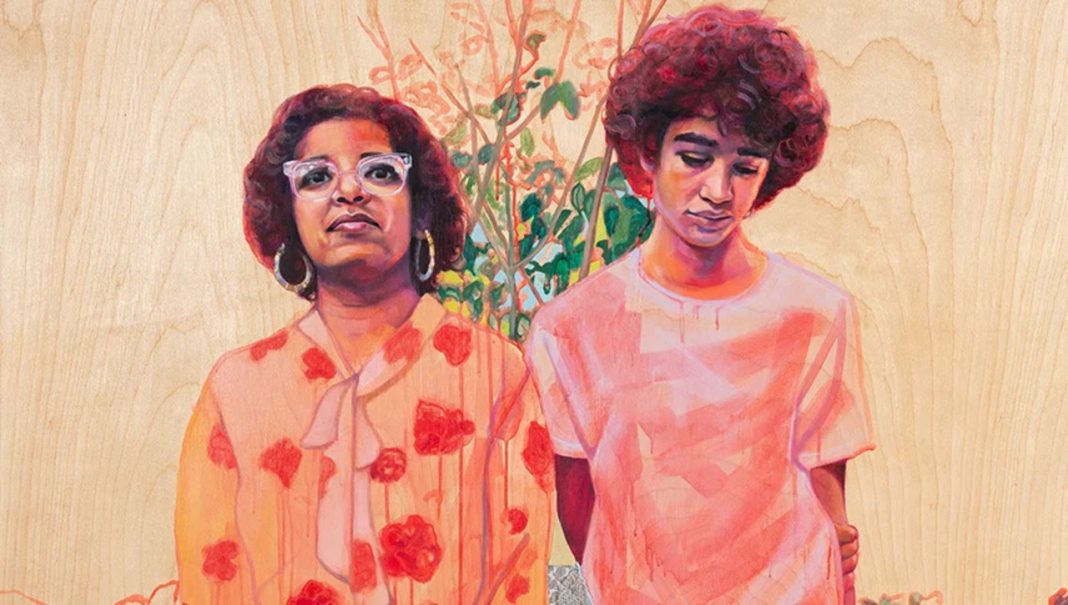
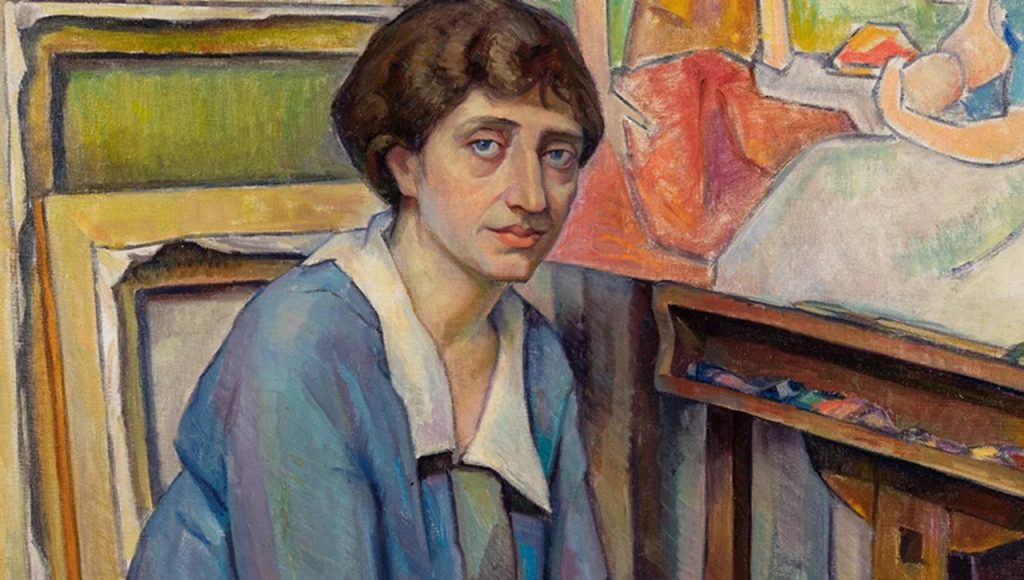
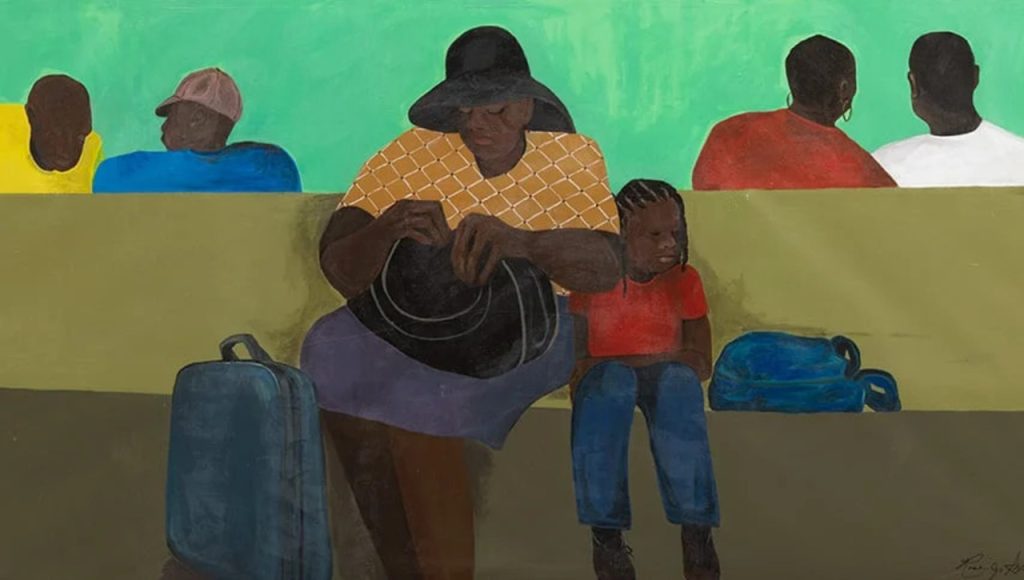
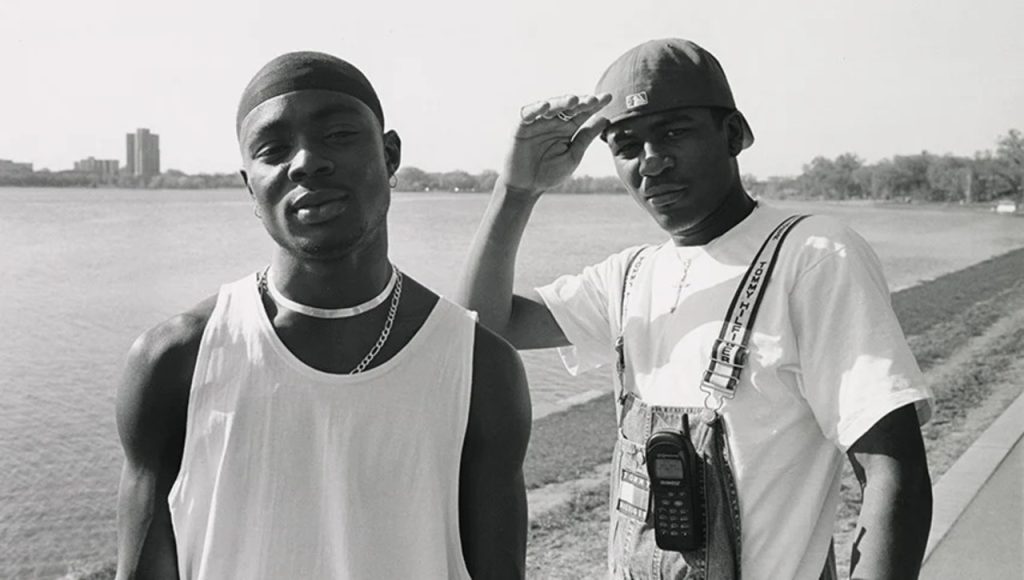
Portraits can take very different forms, and the exhibit reflects that range through the artists, mediums, and storytelling approaches represented in the Minnesota Historical Society’s collections. The works named in the exhibit include Frances Cranmer Greenman’s 1917 painting John Greenman Reclining, Dewey Albinson’s 1925 portrait of Greenman, Rose Smith’s 2008 Journey to Minnesota, and Tom Arndt’s 1999 photograph Two guys Bde Maka Ska. More recent examples include Leslie Barlow’s Venessa and Felix from 2019 and Lamar Peterson’s Rose Trellis from 2023. These examples span decades and different artistic approaches. Together, they show that portraiture is not limited to one period, style, or material. Each work connects a particular artist and image to Minnesota.
Portraits bring different communities into the state’s story
A state’s history is made up of many people’s experiences, and the exhibit looks at how different communities have added their stories to Minnesota history. It does this through portraits connected to the state, assembled from the Minnesota Historical Society’s collections. The museum says the works show many artists, mediums, and ways of telling stories. That breadth matters because it makes room for more than one way of representing Minnesota and its people. The exhibit does not claim that a set of portraits can represent every community or experience. Instead, it asks visitors to consider the stories that these particular images bring forward and how they fit into a larger picture of the state. The exhibition opens November 7, 2026, at the Minnesota History Center and is scheduled to remain on view through June 13, 2027.
Being seen is part of the exhibit’s message
A portrait is not only an image of someone; it also reflects choices about how that person is shown. The exhibit’s title, See & Be Seen, points to that idea. The Minnesota Historical Society describes portraits as stories that can appear in a frame, an album, or on a phone, and says they show the power of being seen on one’s own terms. The invitation is to look closely, learn, and reflect on the Minnesota experience through the portraits. Visitors can consider what each image communicates, who is represented, and how an image might shape the way someone is remembered. The exhibit brings together works from nearly 170 years, so those questions apply across very different times and artistic approaches. It is on view at the Minnesota History Center from November 7, 2026, through June 13, 2027.