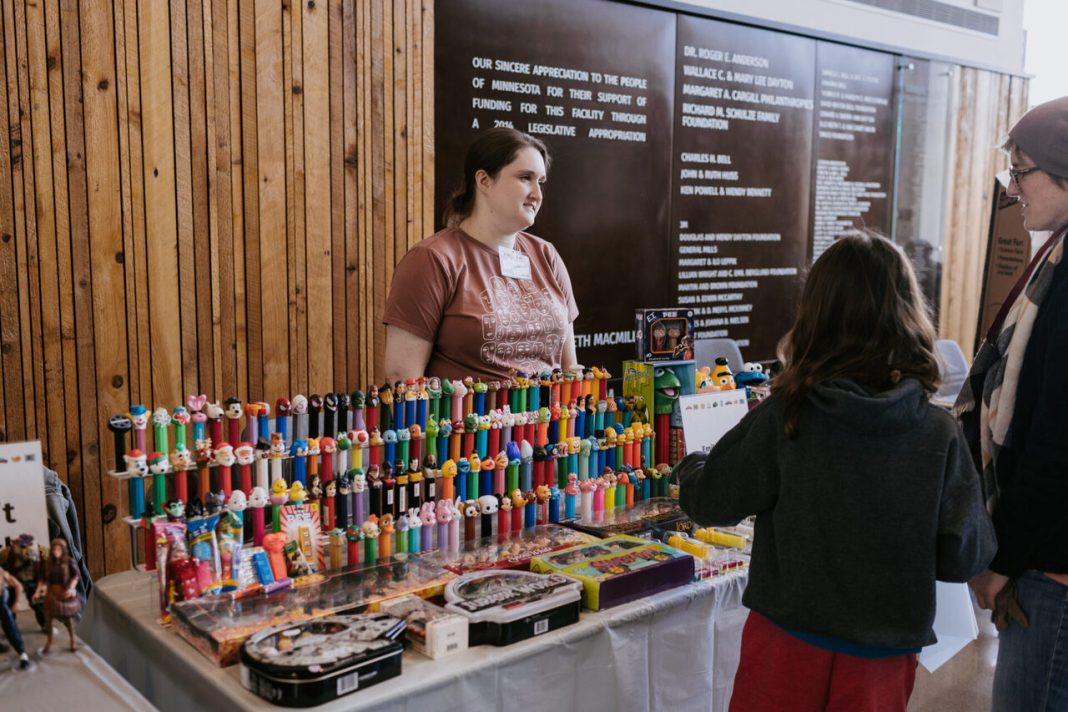

Collections can begin with a handful of objects and a personal fascination. At the Bell Museum’s Collectors Day, Minnesotans can share what they’ve gathered, tell the stories behind it, and explore the museum’s scientific collections.
Every collection has a curator
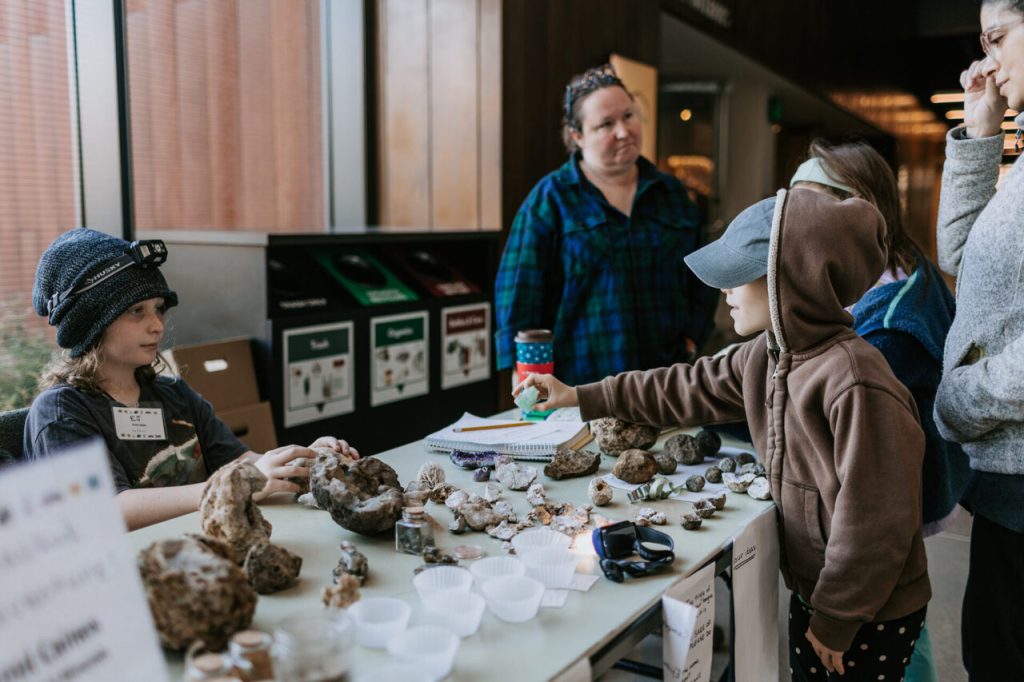
A group of objects becomes a collection when someone chooses what belongs together and cares for it. At Collectors Day, community members can bring that personal interest into the museum and share it with visitors. The Bell Museum says even three objects grouped together can qualify, so a collection does not need to be large or rare. What matters is the collector’s choice and the meaning they find in the objects. The event offers Minnesotans a public place to show what they have gathered and explain why it matters to them.
The stories are part of what’s on display
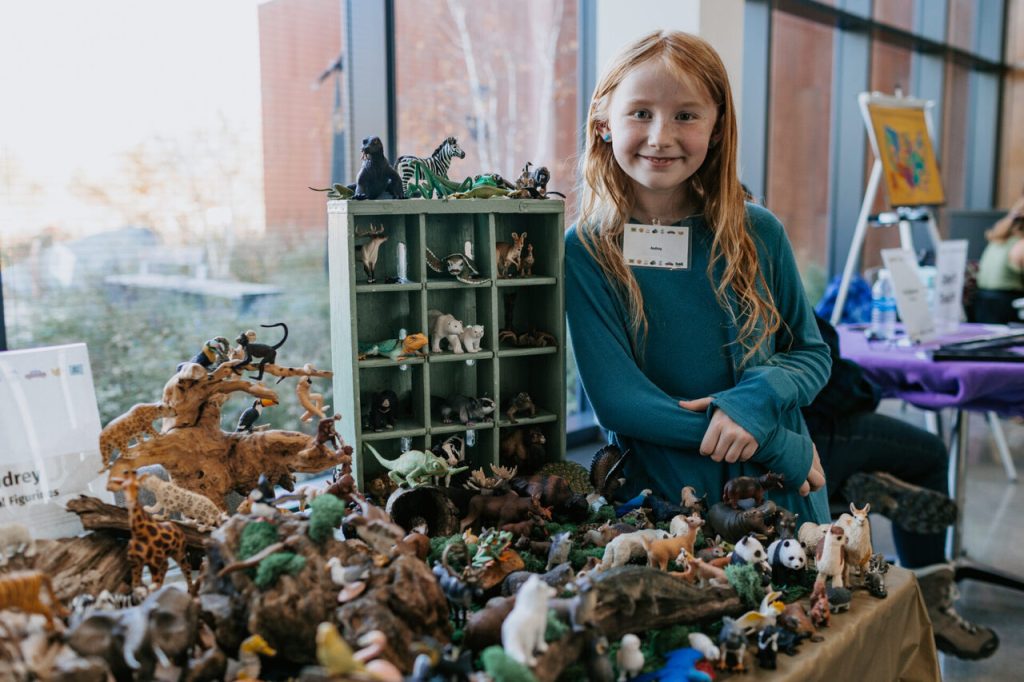
A collection can show what someone has gathered, while a conversation can reveal how it came together. Visitors at Collectors Day can interact with collectors and hear about their gathering process, along with the passion behind their interests. That turns browsing into a chance to ask questions and learn directly from the person who knows the collection best. The museum presents the event as an exchange between collectors and visitors, where personal stories help give context to the objects on the tables.
Collecting can take many forms
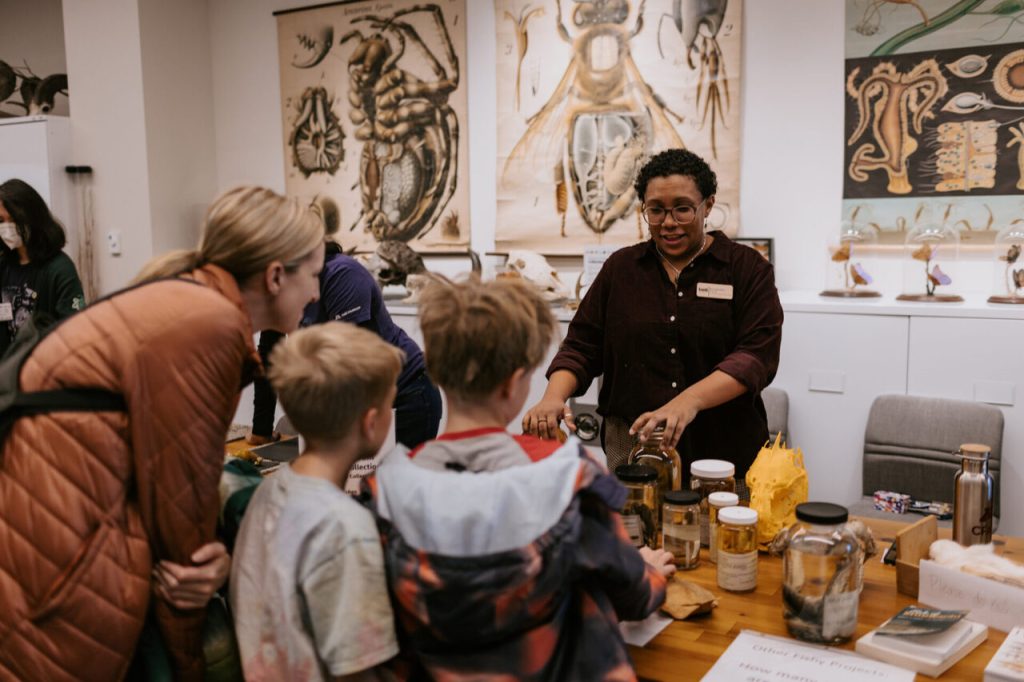
Collectors Day is not limited to specimens or traditional natural history objects. The Bell Museum welcomes collections across a range of themes and materials, including contemporary items gathered in recent years. The museum asks that collections have personal meaning or significance to their collectors, and the person who owns or cares for the items defines what belongs in the group. The museum reviews applications for suitability for a general audience and ethical or legal concerns; some categories, including weapons and live animal or plant collections, are not accepted.
Community collections meet museum science
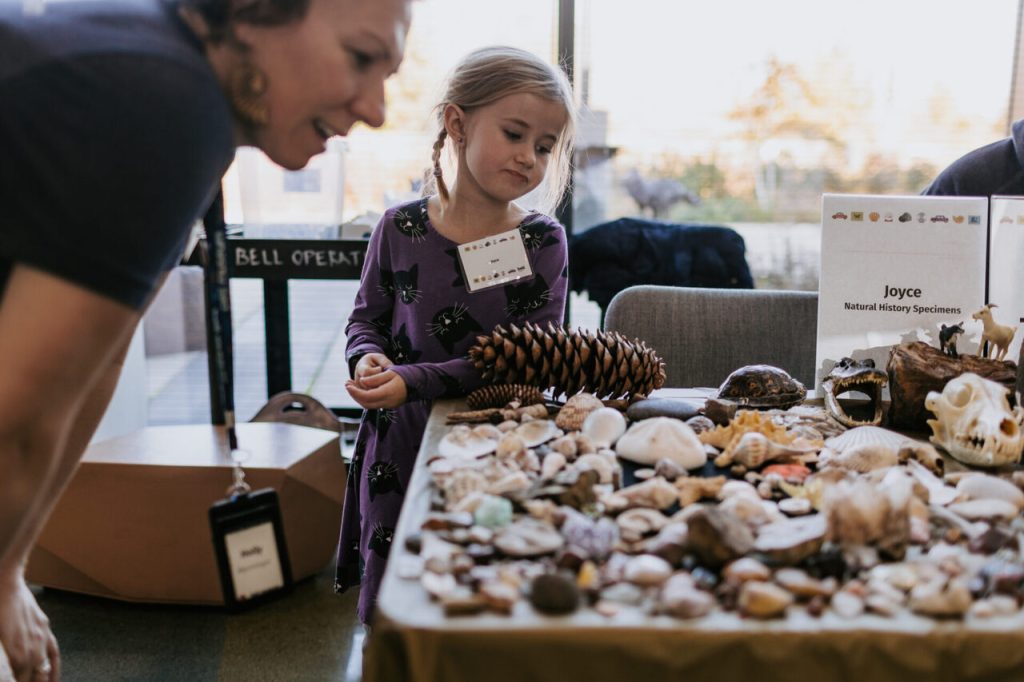
Collectors Day brings personal collections into a natural history museum, where visitors can also learn about the Bell’s scientific collections and their value to research and understanding natural history. The two experiences offer different ways to think about collecting: one shaped by an individual’s interests, the other connected to the museum’s scientific work. The 2026 event is scheduled for Saturday, November 7, from 10 a.m. to 3 p.m. at the Bell Museum in St. Paul, and is included with regular admission.