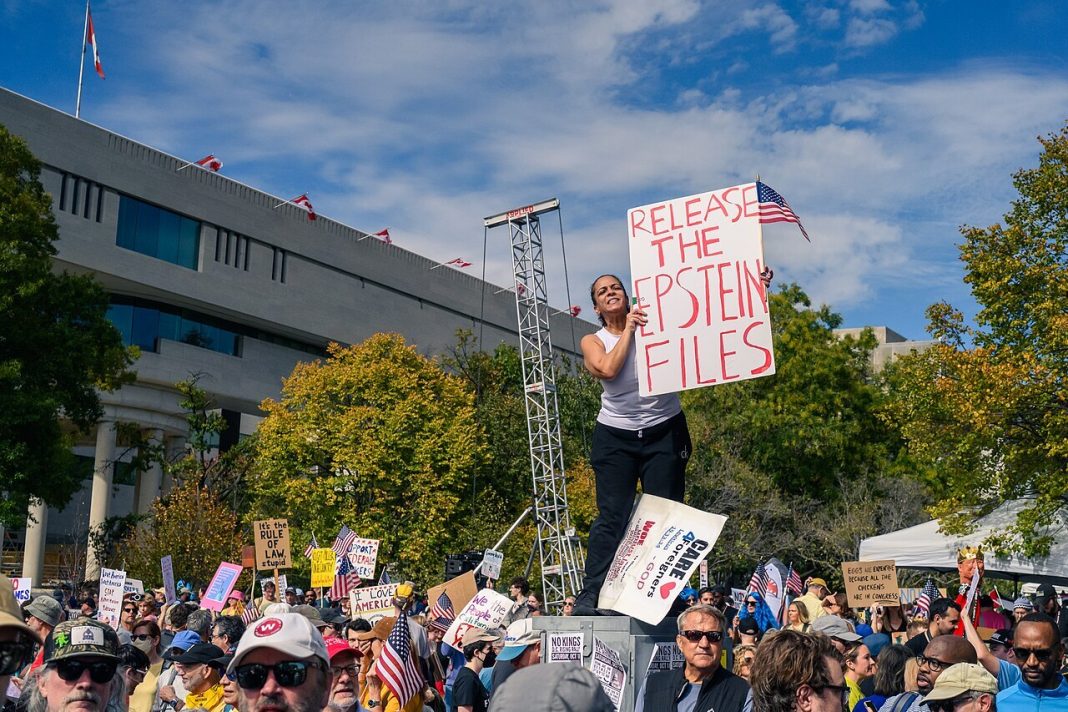

Congress is preparing to revisit the release of records related to Jeffrey Epstein. A proposed second transparency bill could give victims and officials new ways to challenge withheld material, while incoming Democratic leaders have signaled interest in hearings and broader investigations. The Justice Department’s public library already contains multiple collections of records, many with redactions to protect victims and other sensitive information.
Democrats’ Incoming Majority Could Intensify Scrutiny of DOJ

The midterm results are expected to change the relationship between Congress and the Justice Department. Democrats, preparing to take control of the House and Senate, have said they want to examine how the department handled Jeffrey Epstein’s case and the release of investigative records. Their broader oversight agenda also includes other Justice Department actions during President Trump’s second term. The coming push will depend on what lawmakers request and how the department responds.
A Second Transparency Act Is Being Prepared for a House Vote

Rep. Thomas Massie, a Republican who has worked with Democratic Rep. Ro Khanna on the issue, said the renewed effort could secure the 218 signatures needed to force a House vote on a second Epstein Files Transparency Act. The pair introduced the measure in July. An earlier push had gathered signature commitments, but the House left town before a vote could happen. Massie is nearing his planned departure from Congress in January, adding a time constraint to the effort.
The Proposed Bill Would Create a Way to Challenge Withheld Records
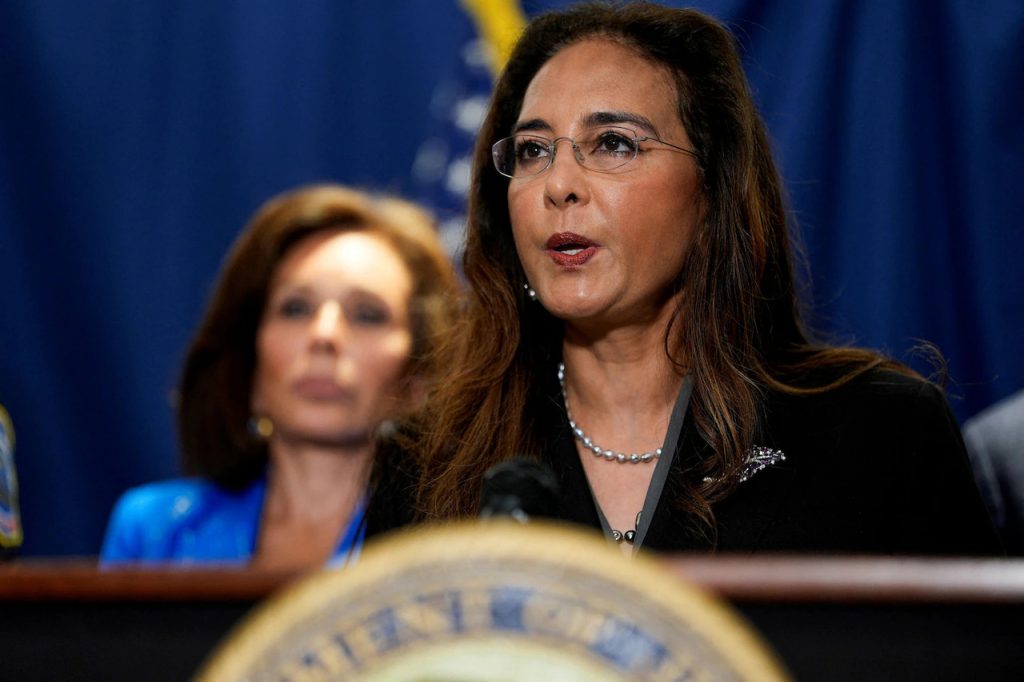
The second transparency bill would give state attorneys general, local prosecutors and victims a route to sue the U.S. attorney general over records they believe were unlawfully withheld or redacted, or not produced. That proposal could turn disputes about disclosure into court cases. It is not the same as an automatic release of every document: the measure would establish a legal process for challenging specific decisions, and any lawsuit would have to proceed through the courts.
Victims Could Request Certain Unredacted Documents

The measure would also require the attorney general to provide certain unredacted records to victims who request them. That provision is aimed at giving victims access to material relevant to their own experiences, while the Justice Department says its public disclosures have been reviewed for personal information and sensitive material. The bill’s wording matters: it refers to certain documents and requests by victims, rather than opening every file to the public without redactions.
House Oversight Leaders Say Hearings and Testimony Are Needed
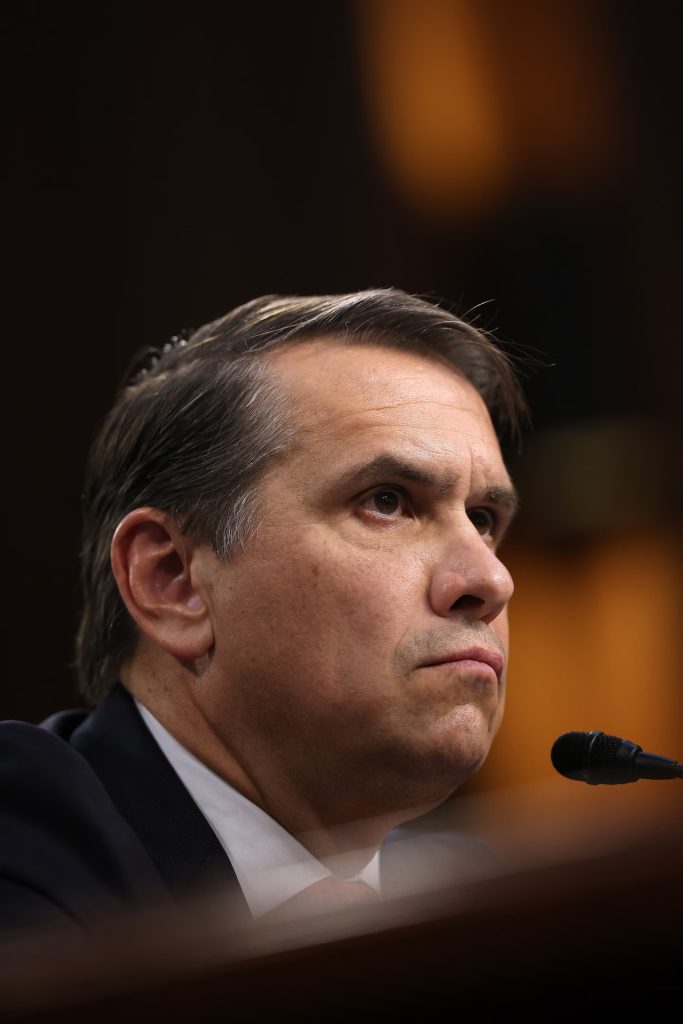
Rep. Robert Garcia, the committee’s ranking Democrat and a candidate to lead House Oversight, has identified the Epstein matter as one of the committee’s investigative priorities. He has criticized the lack of public hearings and said survivors have expressed interest in testifying. Garcia has also said people who have not appeared before Congress may be asked to do so. Whether that leads to hearings or subpoenas will depend on the committee’s plans and the next Congress’s decisions.
DOJ’s Earlier Handling of Epstein Records Is a Likely Focus

The Justice Department’s handling of Epstein and the congressionally compelled release of investigative files are among the issues lawmakers are expected to examine. That inquiry could look at how the records were gathered, reviewed, redacted and made public. The Washington Post describes the Epstein matter as one part of a wider oversight effort aimed at the department’s actions during the current administration. The news reports do not establish that investigators have reached conclusions about misconduct.
DOJ’s Public Library Organizes Disclosures Into Several Collections

The Justice Department’s Epstein Library includes multiple disclosure sets, along with court records, previously released FOIA material and earlier DOJ disclosures. The department says it made reasonable efforts to remove victims’ identifying details and protect sensitive information, while warning that the large volume of records could still include material that should not have been posted. The page also explains that some records contain redactions required by laws, regulations or court orders.