

A House Oversight Committee report says federal authorities repeatedly failed survivors in the Epstein and Maxwell cases. Released after a 15-month investigation, the 137-page report examines the 2007 non-prosecution agreement, missed prison checks before Epstein’s death and problems with the Justice Department’s release of millions of records. It also recommends renewed investigative steps and legislation aimed at protecting survivors who signed nondisclosure agreements.
The 2007 Agreement Kept Epstein Out of Federal Court
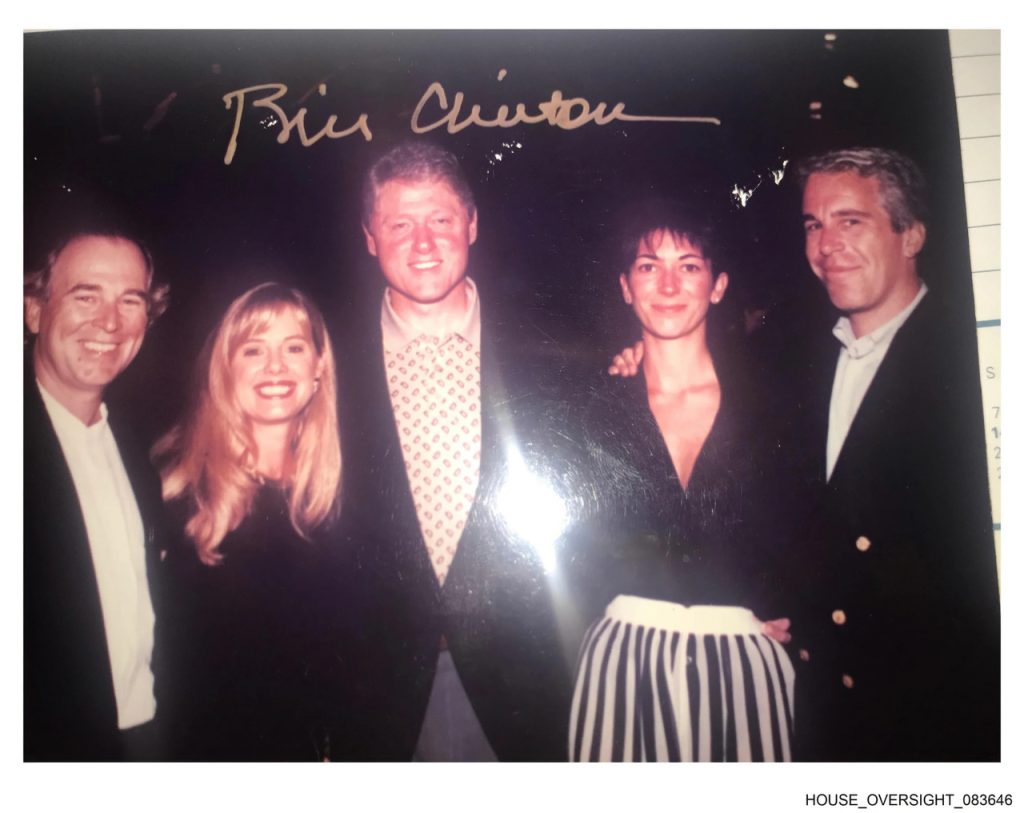
A deal reached in 2007 changed the course of the Florida investigation. According to the House Oversight report, federal prosecutors in South Florida chose not to pursue an indictment and instead entered a non-prosecution agreement with Epstein. He pleaded guilty to lesser state charges, received an 18-month sentence and was allowed extensive work release. The report says he was released early and continued to abuse women while on work release. It also says prosecutors failed to inform survivors about the agreement, limiting their ability to respond or pursue civil claims.
The Report Says Investigators Did Not Fully Pursue Allegations Beyond Florida
The committee’s review argues that federal authorities could have investigated allegations in other states instead of narrowing the case through the Florida agreement. Its report says the failures by investigators and prosecutors allowed Epstein to avoid federal prosecution and that crimes committed after 2005 could have been prevented. This is the committee’s assessment of the government’s handling of the case, based on its 15-month inquiry, interviews, depositions and document review. The committee recommends further investigation into possible criminal activity involving Epstein’s associates.
Prison Staff Missed Required Checks on the Night Epstein Died
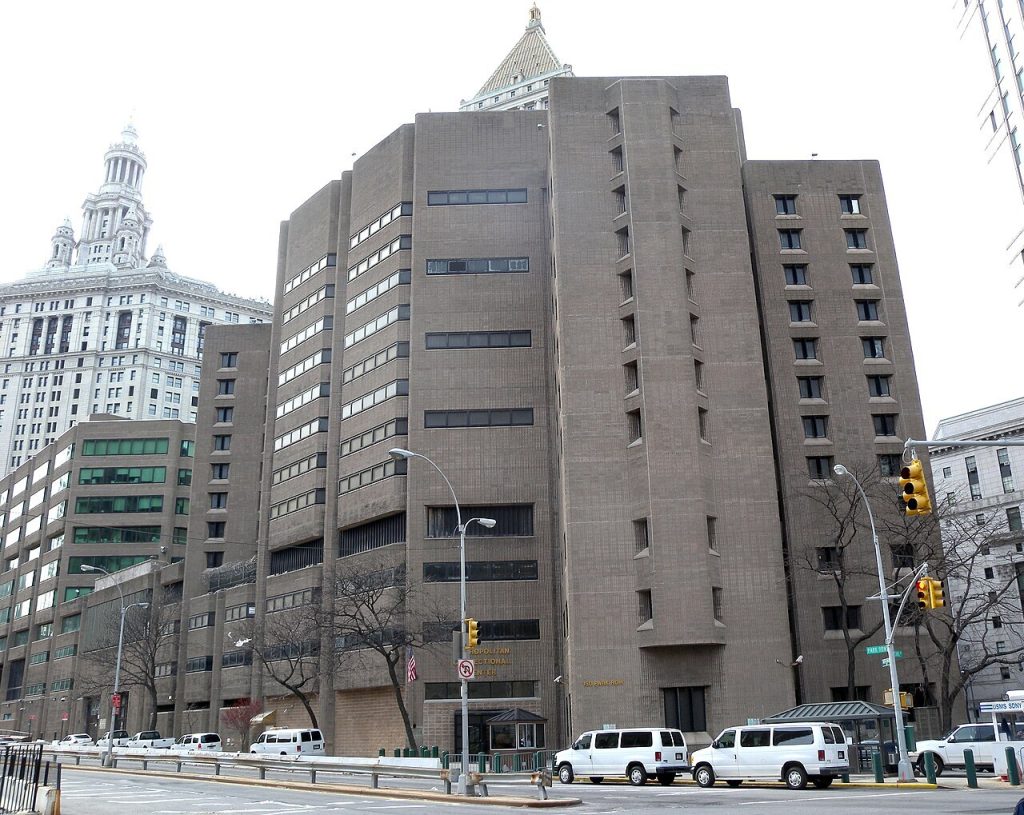
The report also revisits the failures at the federal jail where Epstein died in 2019. It cites understaffing and broader dysfunction at the facility, saying officers on both shifts missed at least 12 rounds and three inmate counts. That left Epstein and other people in the unit without adequate supervision for nearly eight hours, according to the committee’s findings. These missed checks were part of the prison’s supervision failures; the report does not present them as proof of a particular explanation for Epstein’s death.
DOJ’s Records Release Drew Criticism Over Deadlines and Communication

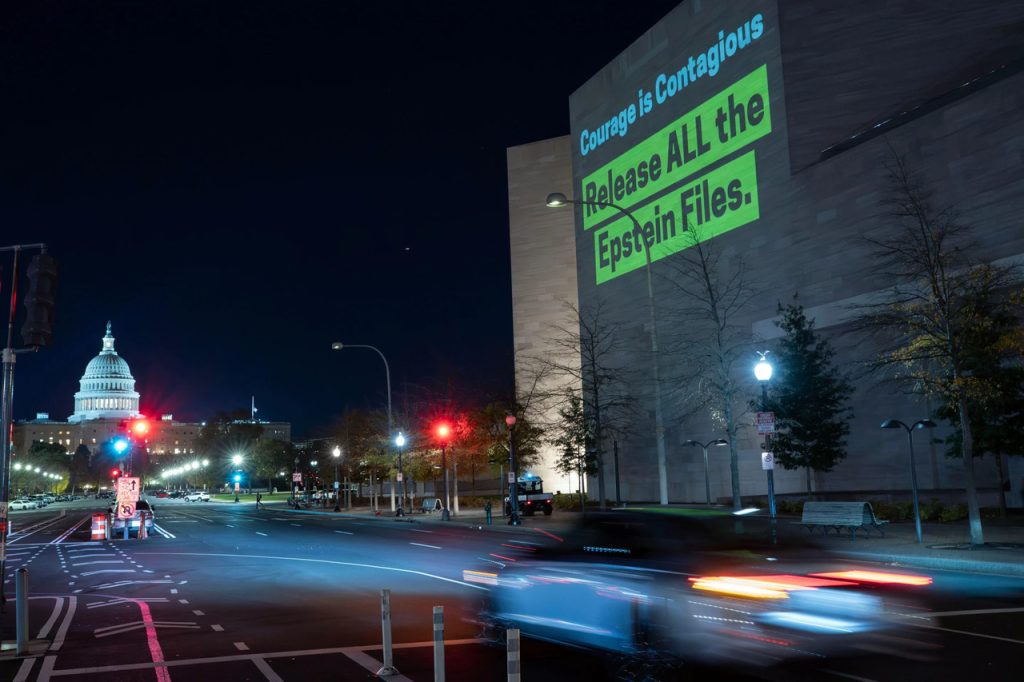
After Congress passed the Epstein Files Transparency Act, the Justice Department released millions of pages, along with thousands of videos and images. The report says DOJ missed disclosure deadlines and did not communicate adequately about the releases. It also faults the department for concealing names of alleged co-conspirators while failing to protect survivors’ information. The committee’s criticism therefore concerns both what the public could see and the way the department managed the release process. DOJ has said it will continue to follow additional investigative leads.
Poor Redactions Exposed Survivors’ Private Information
Making investigative records public carries a duty to protect people who were abused. The committee report says that duty was not met: inadequate redactions exposed survivors’ sensitive personal information in released records. The Washington Post’s account of the report said lawyers for some victims identified thousands of missing redactions that exposed the names of nearly 100 women. The report also criticized some redactions as too broad, saying they obscured the names of alleged co-conspirators and others in Epstein’s orbit. Those concerns show why careful review matters before records are published.
The Committee Wants DOJ to Revisit Witnesses and Investigative Leads
The report recommends that the Justice Department interview or reinterview key witnesses and investigate further allegations involving Epstein’s associates. It specifically names Epstein’s longtime assistant Lesley Groff as someone DOJ should question about what she may have known and whether she helped facilitate criminal activity. It also calls for further investigation of sexual assault allegations that Sarah Kellen made against two men during her committee interview. Those allegations are not findings of guilt; the committee is urging investigators to examine them.
A Proposed Bill Would Limit the Power of NDAs to Silence Survivors
The committee is urging Congress to pass the Survivor’s Voice Protection Act, introduced by Chairman James Comer. The proposed measure is intended to ensure that survivors and witnesses can speak about sexual abuse even if they signed nondisclosure agreements. It would also require certain trusted individuals to report suspected grooming behavior to law enforcement and define grooming in federal law. The bill is a recommendation, not an enacted law. Its purpose, as described by the committee, is to make it harder for confidentiality agreements to block people from reporting abuse.