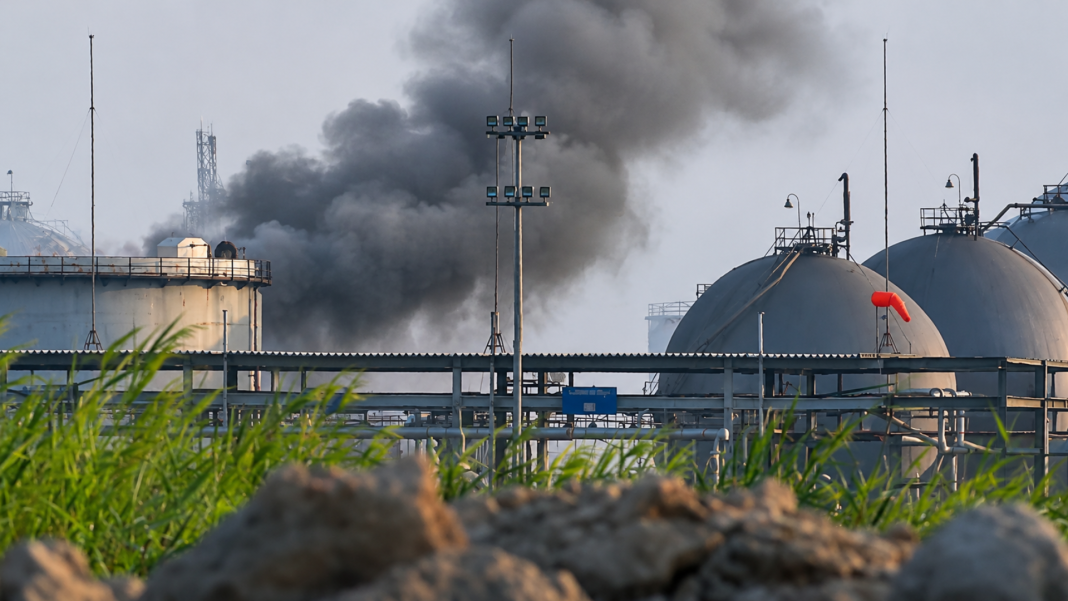

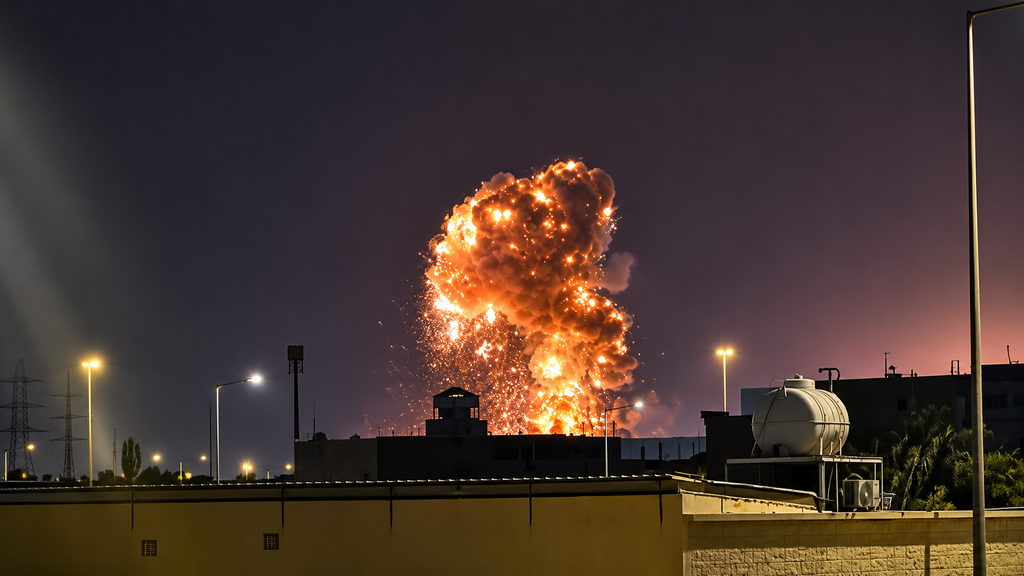
An attack on Saudi Arabia’s Jazan oil refinery killed a Nepali worker and injured several others on November 26, 2026, amid escalating fighting between Saudi Arabia and Yemen’s Iran-backed Houthis.
Saudi Arabia’s Energy Ministry said the attack caused a fire and temporarily disrupted refinery operations. Emergency teams extinguished the fire and began assessing damage to the facility.
The Saudi-led military coalition blamed the Houthis for the attack, although the Energy Ministry did not identify who was responsible. The incident comes amid growing security concerns in Saudi Arabia as attacks continue to affect airports, commercial buildings and energy infrastructure.
The Houthis control much of northern Yemen, while Saudi Arabia supports the country’s internationally recognized government.
Houthi attacks disrupt travel and business in Saudi Arabia
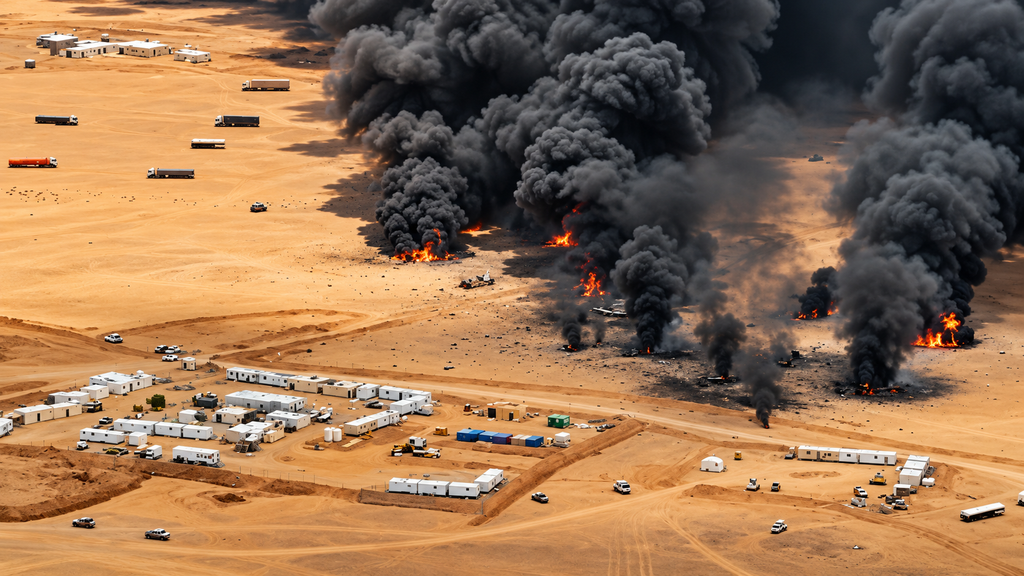
Saudi Arabia has faced repeated security threats in recent months as fighting with the Houthis has intensified.
On November 24, Saudi Civil Defense reported injuries following an attack on a building in Riyadh’s King Abdullah Financial District.
The Houthis have also claimed responsibility for recent attacks on Saudi energy facilities, including the Ras Tanura oil refinery.
The attacks come as Saudi Arabia continues to invest in tourism, business development and infrastructure as part of its long-term efforts to diversify its economy.
Saudi authorities have condemned attacks affecting civilians and essential infrastructure, saying they will continue taking measures to protect citizens and residents.
Meanwhile, the Saudi-led coalition has intensified its military operations in Yemen, where renewed fighting has disrupted essential services and forced families to leave their homes.
Yemen’s humanitarian crisis continues to worsen
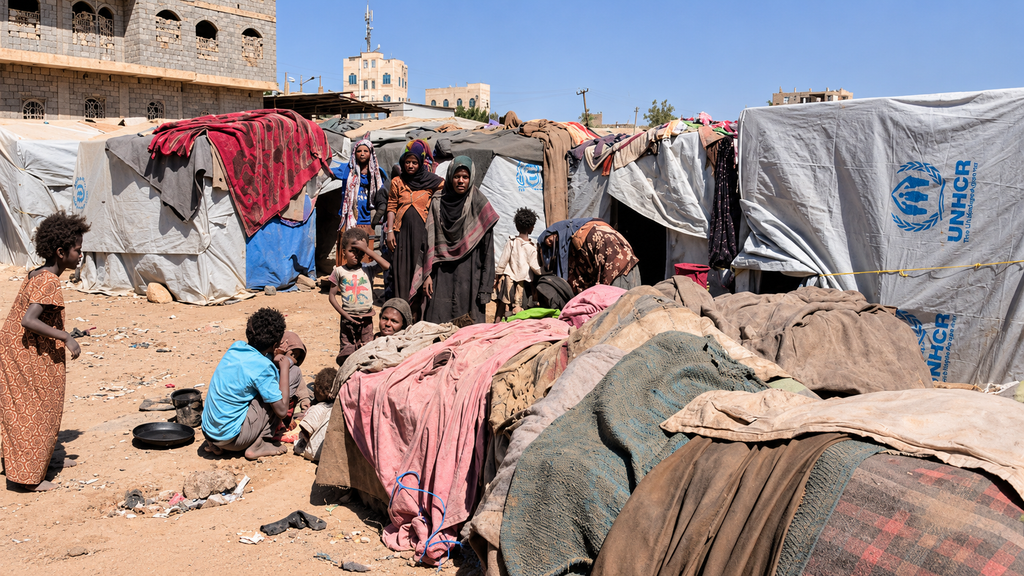
The International Organization for Migration estimates that approximately 356,600 people were displaced across western Yemen between August 1 and November 17, 2026.
Taiz Governorate has received the largest share of those displaced, placing additional pressure on communities already struggling to provide essential services.
UNICEF reported that more than 800,000 people in Taiz had lost access to humanitarian assistance by late October, according to available reports.
Local water supplies have declined substantially, while the cost of essential goods, including food and fuel, has risen sharply. Continued fighting and road closures have restricted deliveries to affected communities. Hospitals are also facing shortages of essential medical supplies, fuel and electricity, making it increasingly difficult to provide care.
The humanitarian consequences of the renewed fighting have added to the difficulties facing Yemen after more than a decade of conflict. United Nations agencies continue to call for civilian protection and uninterrupted humanitarian access as displaced families struggle to secure food, clean water, shelter and medical care.