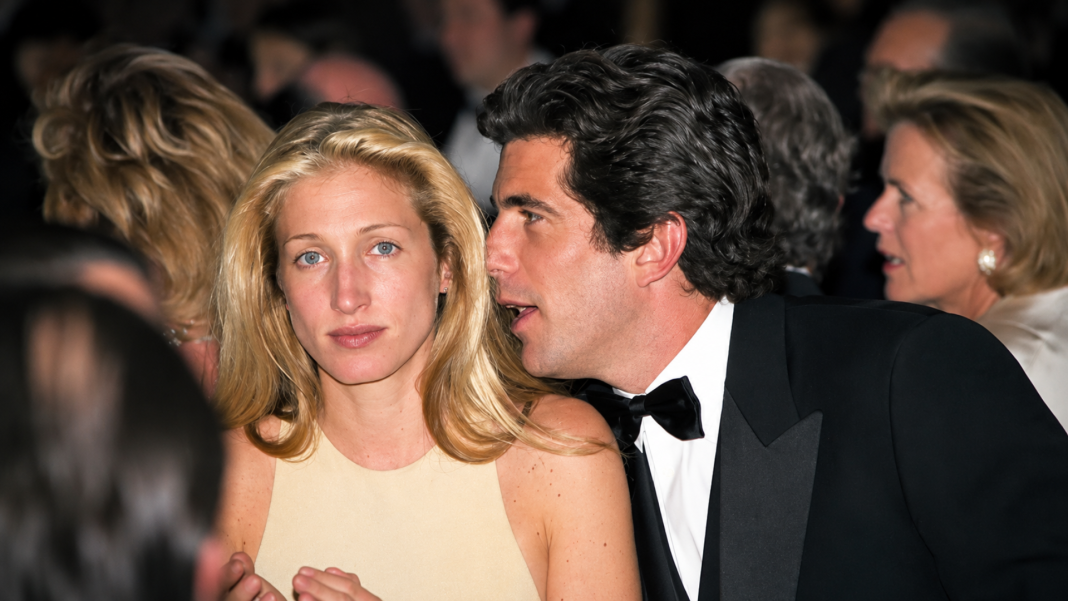

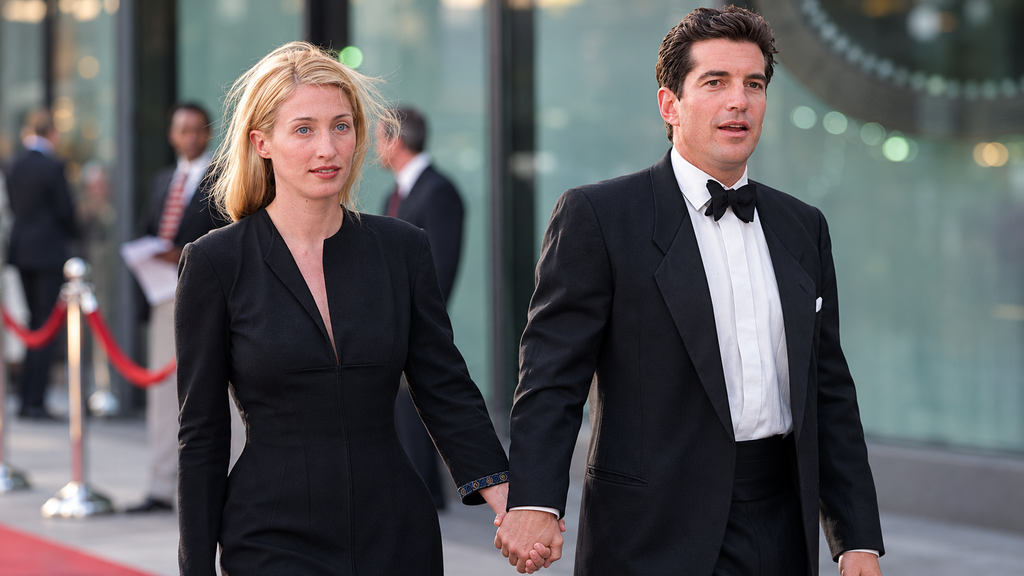
More than 27 years after the plane crash that killed John F. Kennedy Jr., his wife, Carolyn Bessette Kennedy, and her sister, Lauren Bessette, a new book has shed light on Senator Ted Kennedy’s role during the recovery operation.
Retired U.S. Coast Guard Captain W. Russell Webster, who led the search, recalled that Ted Kennedy asked Navy divers to recover all three victims together rather than give special treatment to his nephew.
Webster recounts the mission in his book, The Last Flight: The Untold Story of the Search for JFK Jr. and the Race Against the Atlantic. Co-written with his wife, maritime historian Theresa Mitchell Webster, the book was published on October 13, 2026.
Ted Kennedy asked divers to recover all three victims together
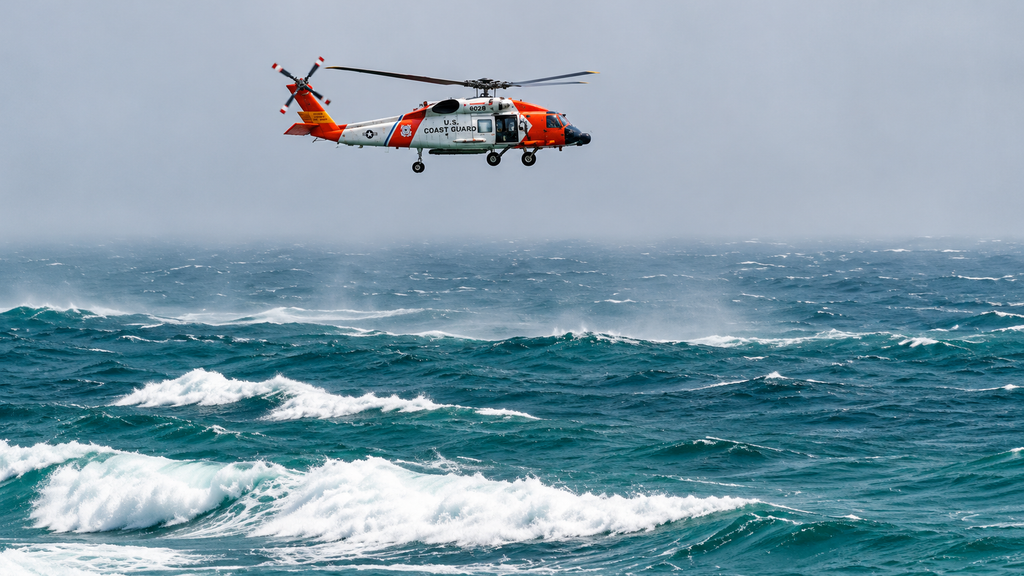
John F. Kennedy Jr., the son of former President John F. Kennedy, was piloting a private aircraft from New Jersey when it crashed into the Atlantic Ocean near Martha’s Vineyard, Massachusetts, on July 16, 1999.
The accident prompted a major search involving the Coast Guard, Navy and several other government agencies.
According to Webster, Ted Kennedy insisted that divers recover all three victims together instead of bringing his nephew to the surface first. The request reflected the senator’s wish for equal treatment of the three victims, Webster recalled.
Navy divers recovered Kennedy and the Bessette sisters on July 21, five days after the crash. Webster also recalled that the senator later personally thanked Coast Guard personnel for their work during the recovery operation.
The families scattered the victims’ ashes at sea the following day.
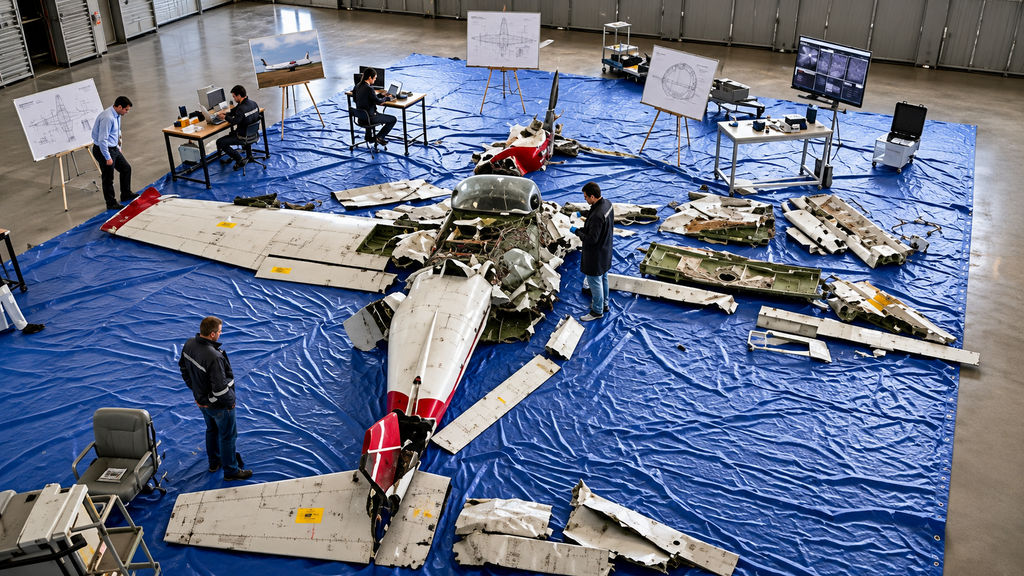
What investigators found about the crash
The National Oceanic and Atmospheric Administration (NOAA) contributed to the search using specialized sonar equipment to examine the ocean floor.
Two of the agency’s survey ships, Rude and Whiting, played important roles in the search and recovery operation.
The National Transportation Safety Board (NTSB) determined that the probable cause of the accident was Kennedy’s loss of control of the aircraft due to spatial disorientation.
Spatial disorientation occurs when a pilot loses an accurate sense of the aircraft’s position or movement. Investigators identified darkness and haze as contributing factors.
Kennedy had received flight training but had not yet earned an instrument rating, which qualifies pilots to fly under instrument flight rules.
Rather than focusing on the private lives of the victims, the Websters’ book examines the work of the personnel responsible for locating the aircraft and recovering its passengers.
The authors hope their account will highlight the dedication of the search teams and demonstrate how government agencies worked together during a nationally watched recovery operation.
Investigators found no evidence that a mechanical failure caused the accident. The three victims were buried at sea following their recovery.
Through their book, the Websters aim to highlight the work of the search teams and explain how government agencies worked together during one of the most closely watched recovery operations in American history.