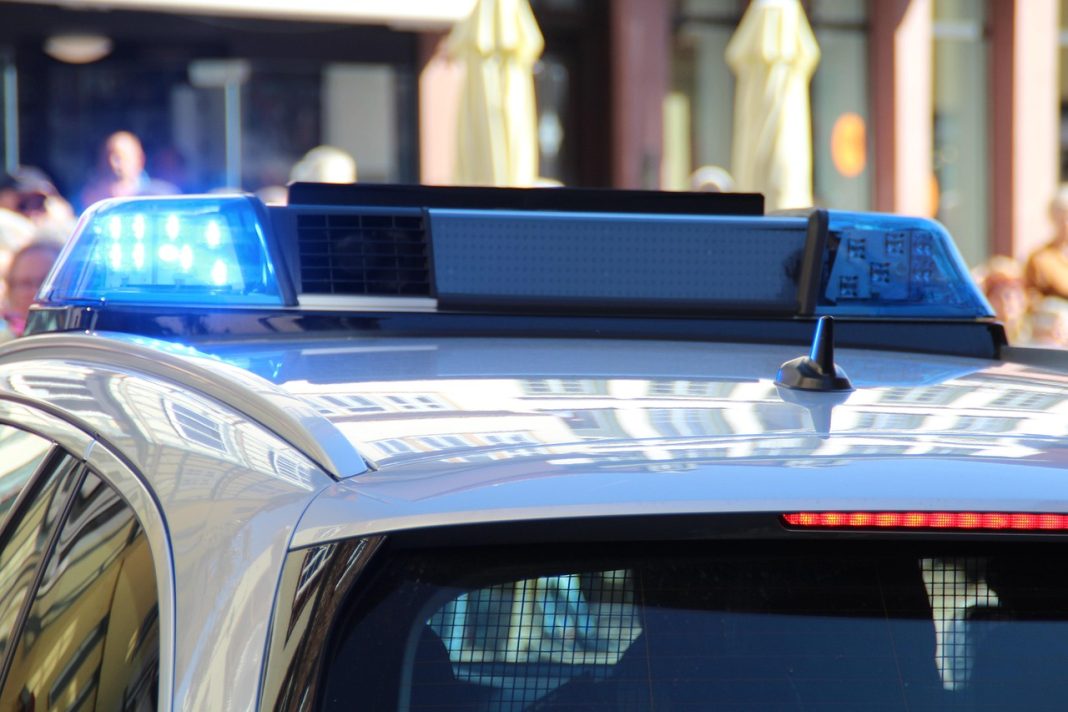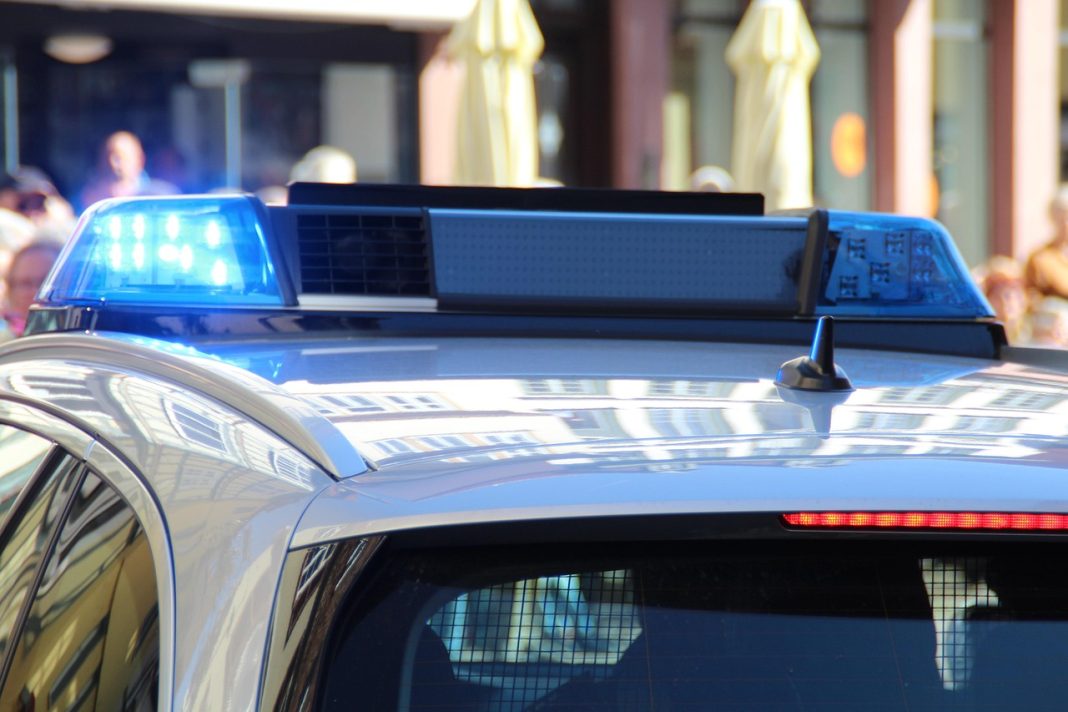

A man was killed in an overnight shooting in south Minneapolis early Monday, May 25. Investigators say the killing remains unsolved, with no arrests announced as police continue to seek witnesses and evidence from the scene.
Fatal shooting reported after midnight
Minneapolis police were called just after midnight on Memorial Day to the area of East 41st Street and Columbus Avenue South after reports of multiple shots fired. According to police accounts carried by local news outlets, officers arrived to find a man in the street suffering from life-threatening gunshot wounds. The location is in the city’s Bryant neighborhood, a residential area on the south side that has periodically seen gun violence investigations in recent years.
Police said officers attempted to provide aid after moving the victim to the area of 42nd Street and Columbus Avenue South. Despite those efforts, the man was pronounced dead at the scene. Authorities have not publicly released the victim’s name, pending notification of relatives and the continuation of the investigation. As of the latest public updates, investigators also had not provided the man’s exact age or additional identifying details.
CBS Minnesota reported that the shooting happened on the 4100 block of Columbus Avenue South at about 12:18 a.m. FOX 9 similarly reported that officers were dispatched shortly after midnight and found the victim wounded in the street. The consistency of those accounts has helped establish the basic timeline of the incident, even as many other details remain unclear. Police have not said whether the shooting took place after an argument, during an attempted robbery, or under some other circumstance.
No suspects were immediately taken into custody, and police have not disclosed whether witnesses saw a vehicle leaving the area or whether surveillance video has been recovered. That uncertainty has left neighbors and community members waiting for answers in a case that quickly became one of the city’s latest homicide investigations. The absence of an arrest in the first days after the shooting underscores the challenges investigators often face in cases that unfold overnight, with limited eyewitness accounts and rapidly changing scenes.
What investigators say they know so far
The publicly known facts remain narrow but significant. Police have confirmed that the victim was found outdoors, that he had been struck by gunfire, and that first responders were unable to save him. Officials have also confirmed that detectives are still trying to reconstruct the events leading up to the shooting and determine whether the victim was specifically targeted or was caught up in a broader confrontation.
Local coverage has emphasized what authorities do not yet know. Investigators have not publicly identified a motive, described a suspect, or said how many shots were fired. They also have not announced whether more than one person may have been involved. In the early stages of homicide investigations, police often withhold those details to avoid compromising witness interviews or forensic work, but the limited information can deepen frustration for residents looking for reassurance about public safety.
Police have urged anyone with information to contact investigators directly or submit tips anonymously through CrimeStoppers. That appeal reflects a common pattern in Minneapolis gun violence cases, where detectives often rely on neighborhood cooperation, camera footage, shell casings, and cell phone or vehicle evidence to build a timeline. In shootings that occur around midnight, investigators may have to piece together scattered information from residents awakened by gunfire rather than people who saw the confrontation itself.
The case also arrives at a time when Minneapolis officials have been publicly stressing the importance of solving shootings quickly to prevent further violence. City leaders announced on May 18 the launch of the Minneapolis Police Department’s Firearm Assault Shoot Team, or FAST, a specialized unit focused on non-fatal shootings. City officials said the strategy is meant to interrupt cycles of retaliation and improve investigative outcomes, based on the view that fatal and non-fatal shootings often involve overlapping people, groups, and neighborhood dynamics.
Broader public safety concerns in Minneapolis
Although this case involves a fatal shooting rather than a non-fatal one, it fits into a broader conversation in Minneapolis about gun violence, investigative capacity, and community trust. In announcing the FAST unit earlier this month, city leaders said non-fatal shootings had declined from 583 victims in 2021 to 255 in 2025, while clearance rates improved from 29% to 47% over the same period. Officials presented those numbers as evidence that focused investigative work can make a measurable difference in reducing harm and helping prevent retaliatory violence.
Mayor Jacob Frey said at the May 18 announcement that perpetrators of shootings must be held accountable and that residents deserve to feel safe in their neighborhoods. Police Chief Brian O’Hara described the new approach as a faster and more collaborative way to investigate gun violence, combining city police with support from agencies including the Bureau of Criminal Apprehension, county sheriff’s offices and Metro Transit Police. Those statements were aimed at non-fatal shootings, but they also speak to the pressure on Minneapolis authorities to show progress in addressing violent crime more broadly.
For residents of south Minneapolis, each new homicide can reopen old concerns about how quickly violence can erupt on otherwise quiet residential blocks. Overnight shootings are especially unsettling because they often happen when neighbors are asleep and when the first sign of danger is the sound of gunfire and sirens. Even when overall trends improve, individual killings can carry an outsized emotional impact on the surrounding community, particularly when investigators do not immediately identify a suspect or explain a possible motive.
The latest killing also comes as Minneapolis has faced multiple high-profile public safety challenges in recent months, from downtown shootings to continuing debates over police staffing and violence prevention. City officials have argued that reducing gun violence requires both enforcement and prevention, with partnerships between police, prosecutors, social service providers and community organizations. Cases like the May 25 shooting test whether that broader framework can produce timely answers for grieving families and anxious neighborhoods.
Neighborhood impact and the search for answers
In incidents like this one, the initial investigation typically centers on a detailed review of the scene. Detectives examine shell casings, bullet trajectories, possible blood trails, surveillance cameras from homes or businesses, and any nearby vehicle footage. Even small pieces of evidence can matter, especially when investigators are trying to determine whether the shooting happened exactly where the victim was found or whether he was moved, as police indicated when officers relocated him slightly in order to provide medical help.
The area around East 41st Street and Columbus Avenue South is a dense residential corridor with homes, apartment buildings and local traffic routes. That setting can make investigations both easier and harder. On one hand, there may be doorbell cameras, parked vehicles with recording systems, or residents who heard arguing or saw movement just before the shooting. On the other hand, late-night darkness, holiday-weekend activity and the fast pace of street violence can leave detectives with fragmented accounts that take days or weeks to verify.
For families and neighbors, the wait for official confirmation can be difficult. Police generally do not release a victim’s identity until relatives have been notified, and investigators may refrain from discussing possible motives until they have interviewed key witnesses. That can create a vacuum in which rumors spread more quickly than verified information. Community advocates often stress that careful communication is essential after shootings, both to preserve the investigation and to avoid compounding the distress felt by loved ones.
The plea for public tips remains one of the most immediate parts of the response. In many Minneapolis shootings, someone nearby has seen more than they initially report, whether out of fear, uncertainty or a belief that their information is insignificant. Detectives are often looking for the smallest corroborating detail: a car speeding away, a person running, the timing of shots, or a brief dispute moments earlier. In a case with no announced arrest, those details can become the difference between an unsolved homicide and a prosecutable case.
What happens next in the homicide investigation
The next steps are likely to follow the standard course of a Minneapolis homicide investigation. The medical examiner is expected to determine the official cause and manner of death, while detectives continue interviews and analyze physical evidence gathered from the scene. Investigators may also seek search warrants for phones, vehicles, social media records, or surveillance systems if they identify people connected to the victim’s final movements.
Whether the case moves quickly may depend on factors not yet public. If investigators already have cooperating witnesses or useful video, an arrest could come relatively soon. If not, the case may hinge on forensic testing and community tips, which can take longer. Police have not said whether they believe the shooting was isolated or whether there is any broader threat to the public, a distinction that residents often watch closely in the hours after a homicide.
The killing is also likely to be counted among the city’s ongoing homicide statistics for 2026, another data point in Minneapolis’ closely watched effort to reduce violent crime while improving trust in investigations. Officials have repeatedly argued that better case clearance can help prevent additional bloodshed by signaling that shootings will be aggressively investigated. That idea is central to the city’s recent public safety messaging and will likely shape how leaders discuss this case in the days ahead.
For now, the basic facts are stark. A man was shot and killed shortly after midnight on May 25 in south Minneapolis, on or near the 4100 block of Columbus Avenue South. Officers reached him, tried to save him and were unsuccessful. The investigation remains active, no arrest has been announced, and police are still asking anyone with knowledge of what happened to come forward so that the victim’s death does not become another unresolved act of violence.