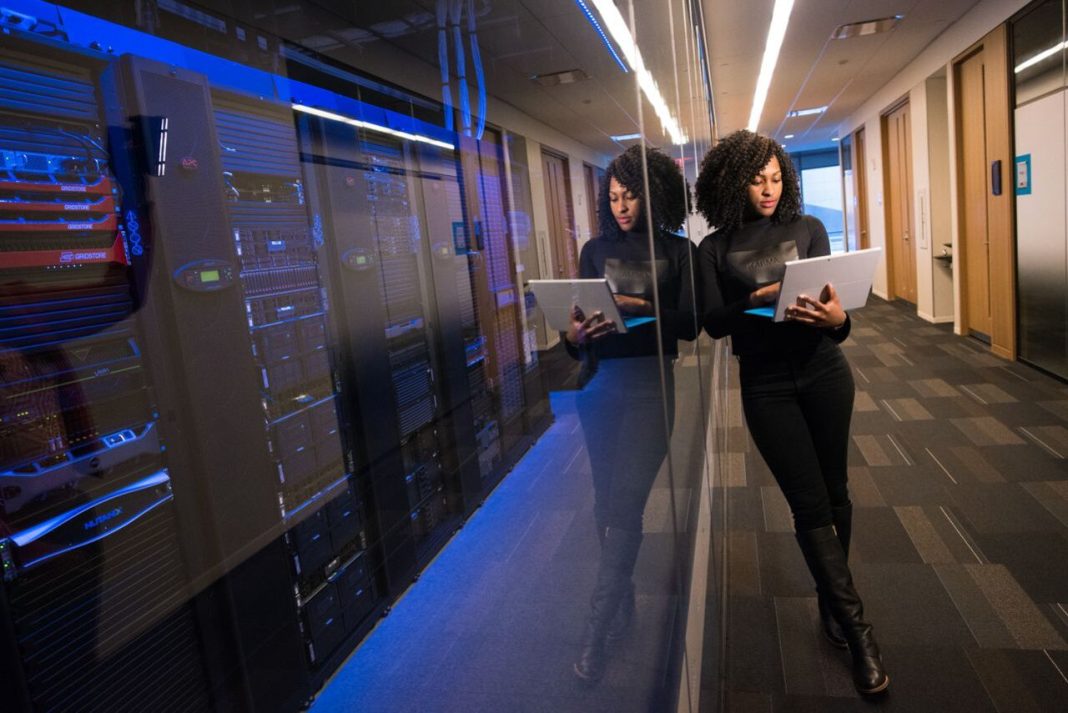

Minneapolis is weighing new zoning rules for data centers as the city responds to concerns about noise, water and electricity use, and the reuse of vacant downtown buildings. A City Council committee advanced a proposal that would limit where data centers could operate, cap server space and require disclosures about resource use. The full council was scheduled to vote Nov. 12, so the rules were still under consideration.
Minneapolis Is Considering Two Downtown Zones for Data Centers
Location is one of the central questions in the proposed rules. The version recommended by a City Council committee would allow data centers in two downtown zoning districts, rather than broadly across the city. Minneapolis already has eight data centers, and its current zoning rules allow them in many districts without specific size standards. The full City Council was scheduled to consider the proposal on Nov. 12, so the details could still change before any rules take effect.
A Data Center Could Not Be the Property’s Only Use

The proposal would require a data center to share its property with another use. That condition could steer projects toward adding servers to existing buildings instead of constructing a standalone facility. The city has said it wants zoning rules that manage community impacts while making it possible to reuse empty office and commercial space. The restriction does not mean every vacant building would qualify: a project would still need to meet the proposed location, size, noise and other requirements.
The Proposed Cap Would Limit Server Space to 150,000 Square Feet
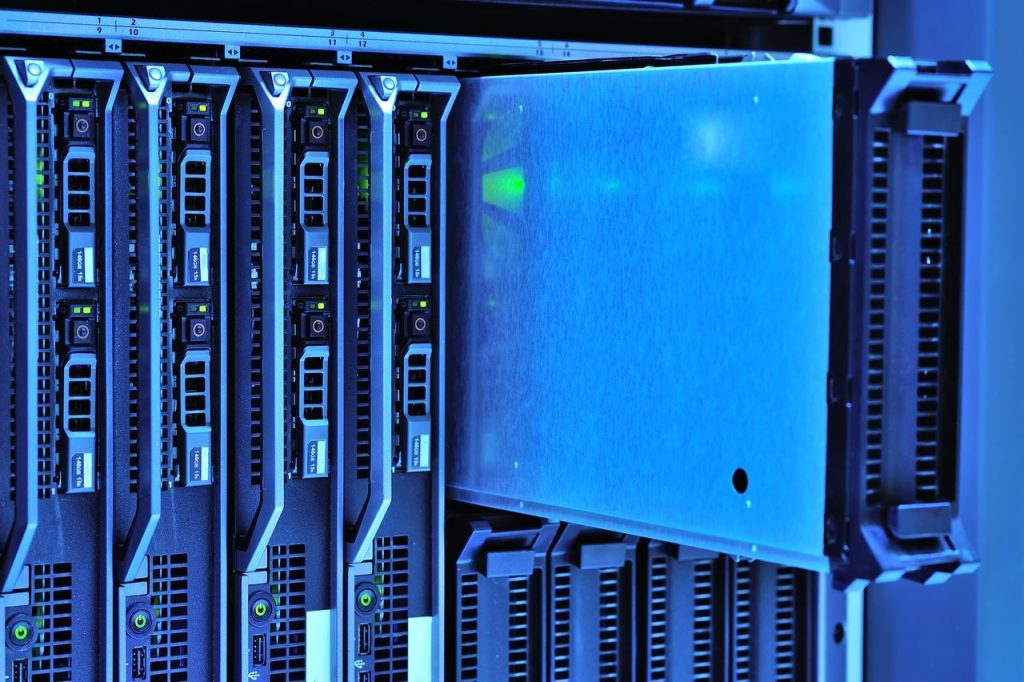
The proposed 150,000-square-foot limit applies to the “white space” where servers and computing equipment are housed. It is a cap on server space, not necessarily on the total area of a building, which may also contain offices and other functions. The committee-backed proposal sets a higher limit than the 50,000-square-foot cap recommended earlier by the Planning Commission. That difference reflects a debate over how large a data center should be allowed to operate in the city.
Applicants Would Need to Explain How They Plan to Limit Noise
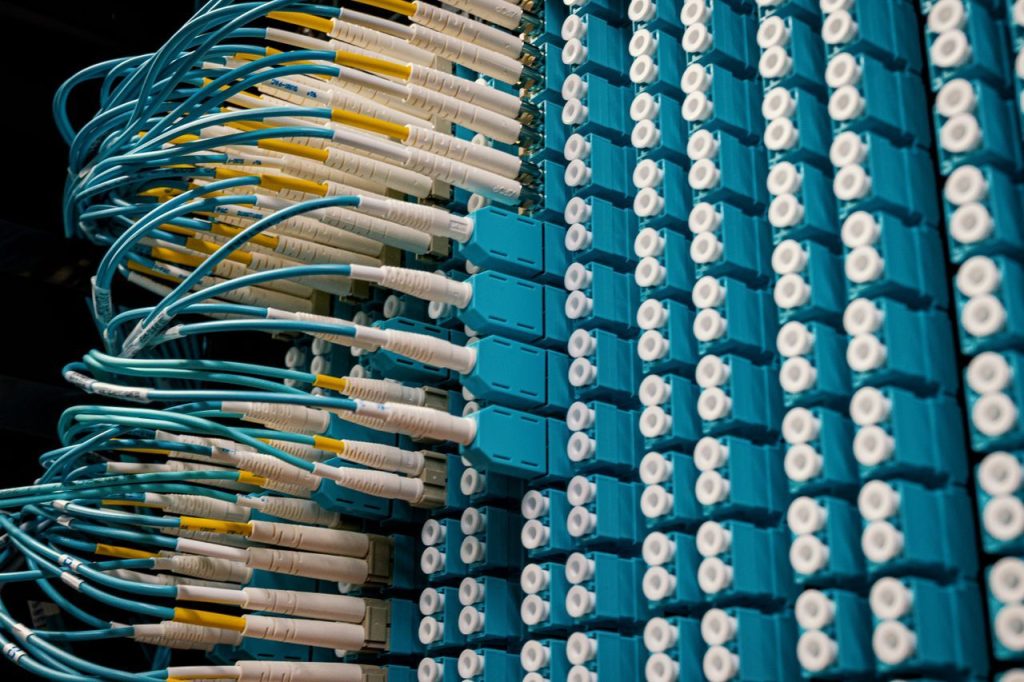
Cooling equipment and backup generators can create noise, prompting the proposal to require owners to provide a noise-limiting plan. The rules would also set distances between server areas and nearby properties: servers would need to be at least 20 feet from exterior walls and 100 feet from residential housing. Those setbacks and the noise plan are intended to address impacts on neighbors. They are proposed zoning conditions, not a guarantee that a facility would be silent.
Operators Would Disclose Planned Energy, Water and Generator Use

Data centers need substantial electricity to run servers and water may be used for cooling, making resource use a major concern for residents. Under the proposal, owners would disclose projected water and electricity use as well as expected backup-generator use. Minneapolis says its zoning rules can require this kind of reporting, though state building codes limit the city’s authority over some building systems. Reporting would give the city information about projected demand; it would not itself impose a cap on energy or water consumption.
The Proposal Seeks to Reuse Existing Buildings
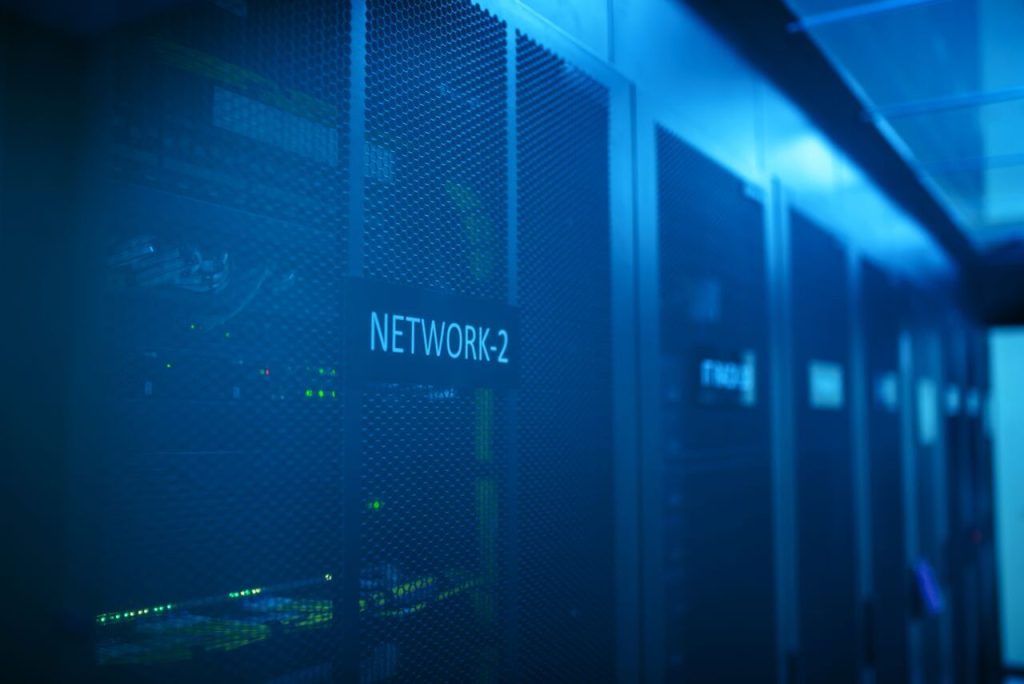
The committee-backed plan would allow data centers to be added to existing buildings in two downtown zoning districts, provided the project meets the other restrictions. Servers would need to sit back from exterior walls and residential housing, and the data center could not be the property’s only use. The city has framed reuse as one goal of the zoning update, particularly as downtown faces vacant commercial space. The full council’s vote was still pending, so the proposed requirements were not yet final.
Residents and Developers See Different Risks and Benefits

The disagreement reflects competing concerns about Minneapolis’ future. Many residents have raised worries about heavy water and electricity use, noise from generators and cooling equipment, and limited permanent jobs. Some council members argue that permitting data centers in vacant downtown buildings could help reuse property and strengthen the tax base. The city has noted it has significant water capacity, while also reporting that one existing data center is among its larger water users. The council’s proposal attempts to set conditions without banning data centers outright.