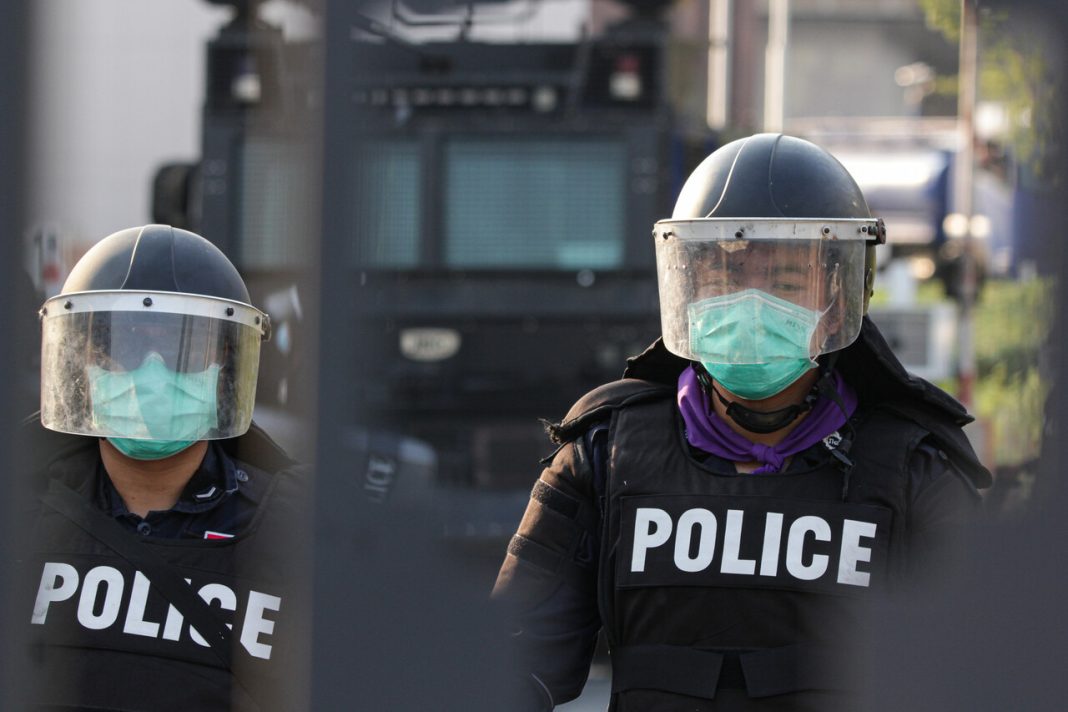


Minnesota has suddenly become ground zero in a bitter national fight over immigration enforcement. What began as a significant uptick in federal immigration arrests has turned into a broad, highly charged clash between Washington and local leaders, communities, and grassroots activists. Federal authorities, particularly under the banner of Operation Metro Surge, have deployed thousands of immigration agents across the Minneapolis–Saint Paul area in what they describe as a necessary enforcement push. But for many residents and officials, the scale, tactics, and targets of this operation feel far outside normal immigration work. This escalation has boiled over into political confrontation, legal battles, and community resistance, reshaping not only how people in Minnesota experience everyday life but also how the rest of the country is watching one state’s struggle with federal power.
Federal Presence in Minnesota
What’s unfolding in Minnesota feels unprecedented not just because of its scale but because of the sheer number of federal immigration agents deployed across the state. Under Operation Metro Surge, a surge of thousands of Immigration and Customs Enforcement agents and other Department of Homeland Security personnel have been sent to Minneapolis and surrounding areas to carry out what the federal government describes as the largest immigration enforcement action in state history. More than 3,000 agents are reported to be operating there, in some cases outnumbering local police forces.
The Trigger Behind the Escalation

The federal surge did not occur in isolation; it followed a series of controversial incidents and government decisions that helped set the stage for a broader crackdown. One flashpoint was the fatal shooting of a Minneapolis woman, Renée Good, by an ICE agent, an event that quickly became a rallying cry for critics of the operation and intensified public outrage. Multiple encounters between agents and community members in the early weeks of the enforcement surge, including reports of warrantless stops and detentions, fueled widespread concern that federal authorities were operating with few checks on their conduct.
Federal authorities have justified the operation as a targeted effort to apprehend individuals they categorize as violent criminals or repeat offenders, emphasizing arrests of people with serious convictions. The Department of Homeland Security has pointed to these arrests as evidence of the necessity of a concentrated enforcement push. However, critics argue that many actions taken by ICE agents go beyond normal immigration work, describing aggressive tactics that resemble domestic policing or even military deployments rather than typical civil immigration enforcement. This perception has amplified tensions and made the surge a flashpoint for national debate on federal authority and local autonomy.
Political and Legal Pushback
The scale and methods of Minnesota’s federal operations have triggered swift political and legal responses from state and local officials. Minnesota’s governor, attorney general, and city leaders in Minneapolis and Saint Paul have filed lawsuits against the U.S. Department of Homeland Security and its agencies, asserting that Operation Metro Surge is unconstitutional and constitutes an overreach into state police powers. These legal challenges claim that federal agents are effectively performing local law enforcement duties without appropriate oversight or cooperation with state authorities, and that their actions have disrupted public life and civil liberties.
In response to mounting concerns about excessive force, racial profiling, and civil rights violations, judges in Minnesota have begun issuing injunctions aimed at limiting the tactics federal agents can use against protesters and bystanders. One ruling specifically restricts the use of pepper spray, tear gas, and other crowd control tools against peaceful demonstrators. These judicial decisions underscore the constitutional questions that now envelop the situation, with state courts and civil rights organizations pushing back against what they view as federal overreach. At the same time, federal officials continue to defend their actions as lawful and legitimate, creating a high-stakes legal clash over authority, accountability, and the limits of enforcement.
Grassroots Resistance Takes Shape
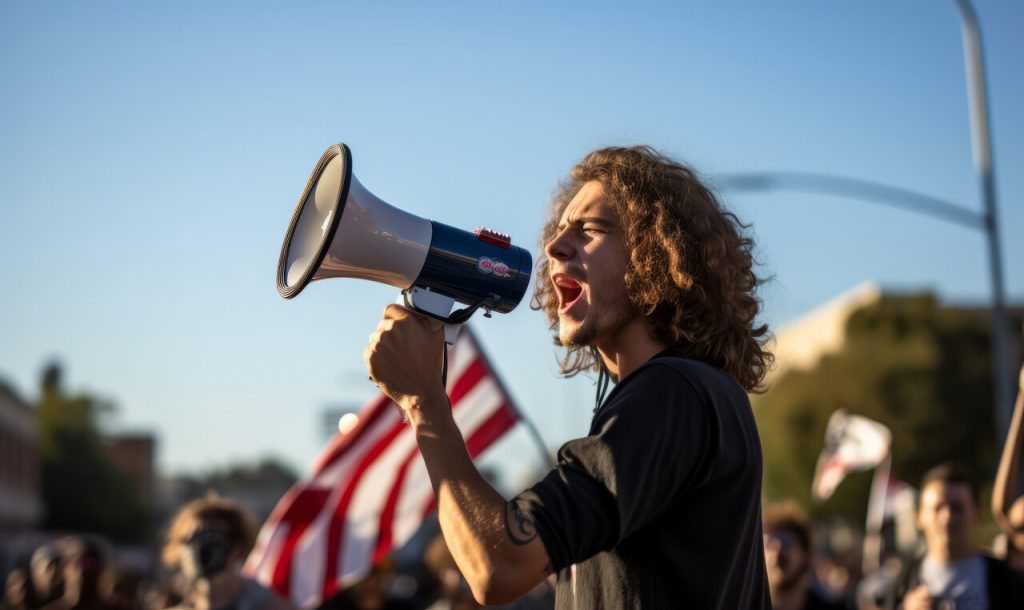
Minnesota residents are not only contesting the federal actions in court; they are also organizing on the ground. Community groups, unions, immigrant advocacy networks, and everyday residents have mobilized rapid response systems to alert neighbors to federal activity and to provide support to people at risk of detention. Volunteers patrol neighborhoods, monitor schools and community centers, and form networks to deliver supplies and information to families who are afraid to leave their homes. These grassroots efforts reflect a concerted pushback to what many see as an intrusive and aggressive federal presence.
Protests and demonstrations have become frequent, often sparked by specific enforcement incidents or aggressive actions by federal agents. Activists employ a range of tactics, from peaceful marches and vocal opposition to more confrontational actions aimed at hindering ICE operations. Labor unions and community coalitions have even called for coordinated days of action, urging residents to withhold participation in economic and civic life to protest the federal enforcement presence. These resistance movements are not isolated; they draw on broader networks of civil rights advocates and immigrant communities to sustain long-term opposition and support for affected individuals.
What Comes Next for Minnesota
The future of Minnesota’s battle over federal enforcement remains uncertain, with legal, political, and social dynamics all in flux. At the legal level, court decisions over injunctions and lawsuits could shape the boundaries of federal authority and clarify how far agencies like ICE can go within state borders without violating constitutional protections. These rulings may have implications not just for Minnesota but for how other states respond to similar enforcement actions.
Politically, the operation has become a symbol of larger national debates over immigration policy, federal power, and civil liberties. Public opinion has shifted in response to high-profile incidents, with some polls indicating increased skepticism about aggressive immigration enforcement and concerns about community safety. Meanwhile, federal leaders have threatened further action, including invoking broader statutes that could authorize deployment of additional military or federal personnel if unrest continues. The interplay between legal challenges, public resistance, and federal strategy will likely determine whether Minnesota remains a flashpoint or whether a new equilibrium emerges.
References
Trump’s Occupation of Minnesota and the Resistance – internationalviewpoint.org
Minnesota leaders decry targeting by US justice department over ICE turmoil – TheGuardian.com
US justice department investigating Minnesota Democrats over alleged obstruction of ICE – bbc.com