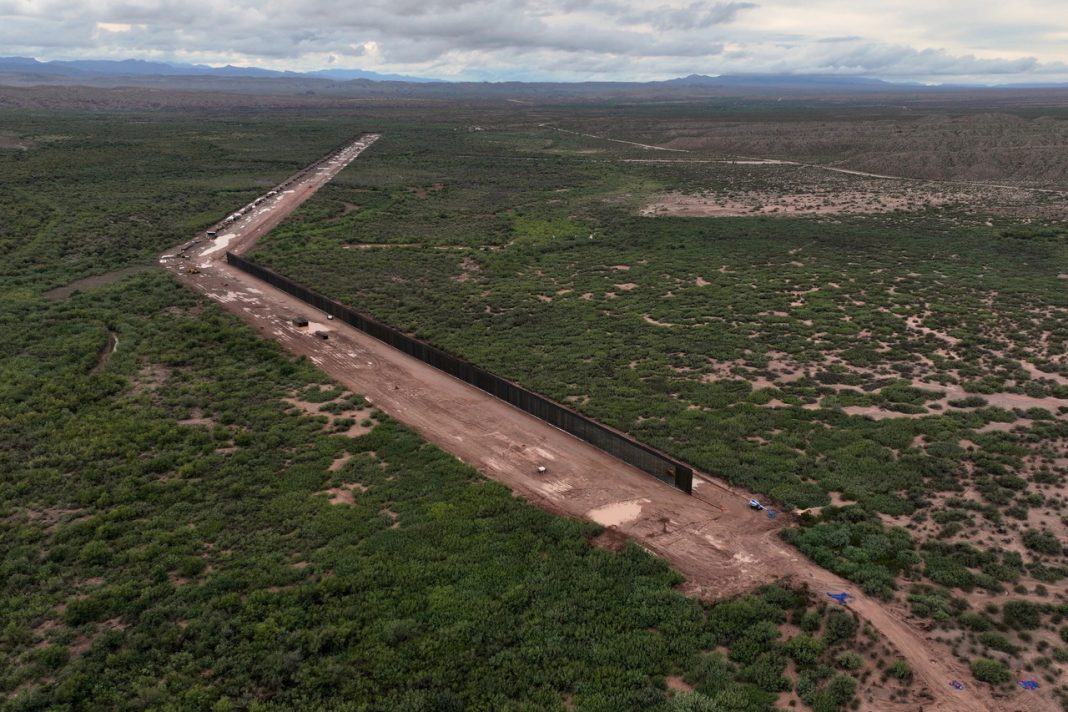
Supreme Court Lets Trump’s Big Bend Border Project Resume. 6 Details to Know

The Supreme Court has allowed the Trump administration to resume border-barrier construction in Texas’s Big Bend region while a legal challenge continues. The dispute centers on federal waivers of environmental laws, the project’s reach into and around Big Bend National Park, and whether the administration has authority to move ahead. Local residents and conservation groups oppose the work, while Justice Ketanji Brown Jackson dissented from the court’s temporary order.

Construction Can Resume While the Legal Challenge Continues
Construction Can Resume While the Legal Challenge Continues
Kaylee Greenlee/REUTERS

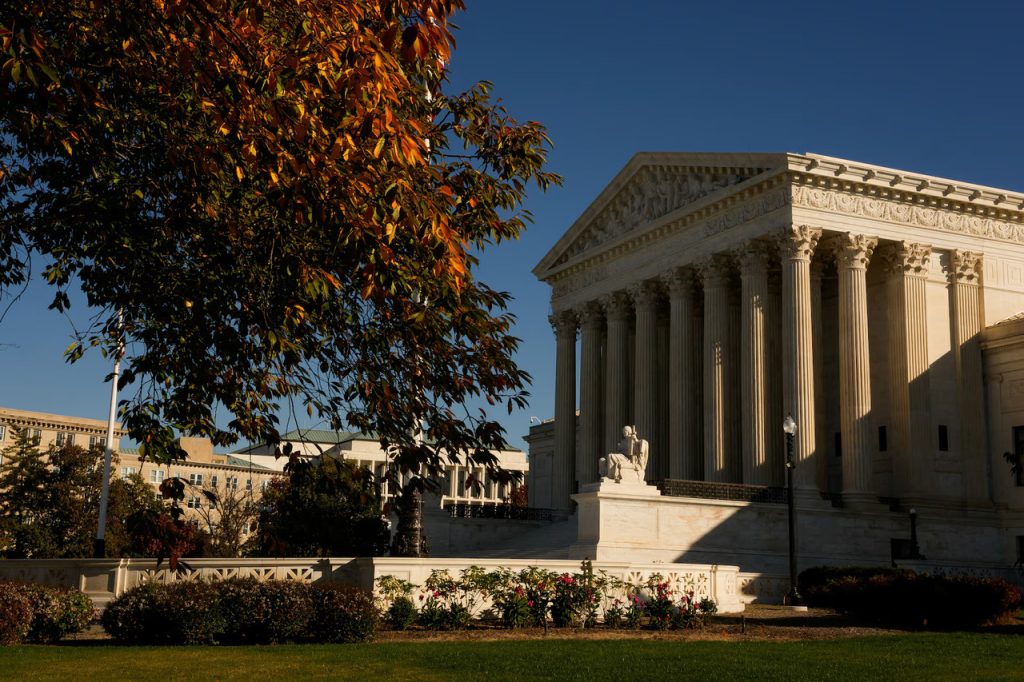
The Supreme Court’s November 9 order temporarily cleared the way for the Trump administration to restart border-barrier work in the Big Bend region. The justices paused a lower court’s halt while the lawsuit continues, so the order does not settle whether the project or the administration’s environmental waivers are lawful. The decision addresses what can happen during the case, while the underlying legal dispute remains unresolved.

The Plan Targets a Remote Stretch of the Texas-Mexico Border
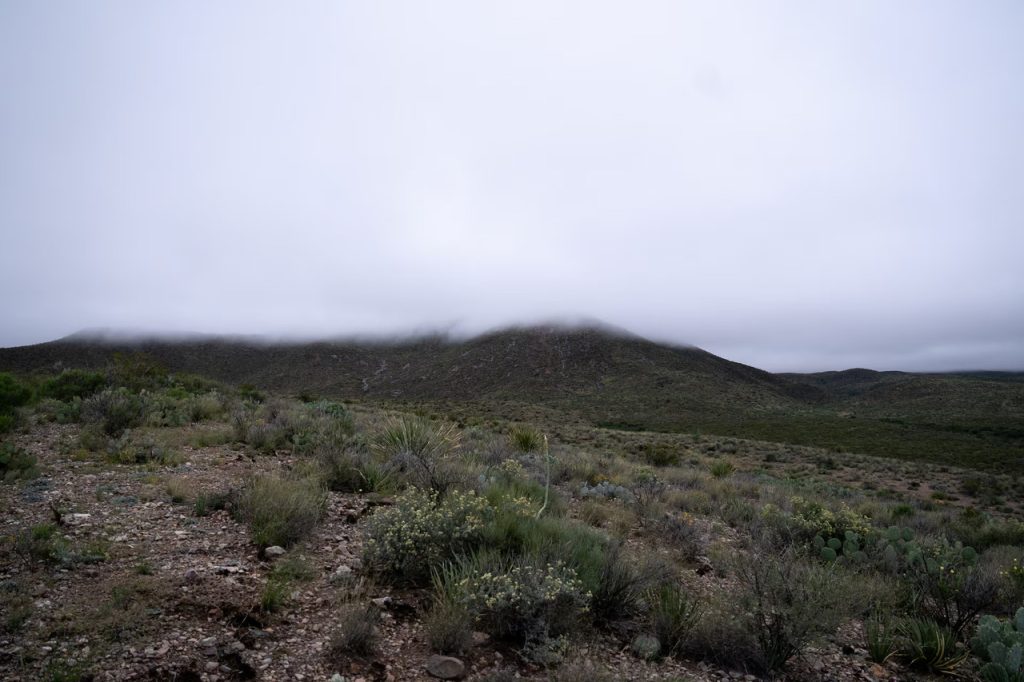
The Plan Targets a Remote Stretch of the Texas-Mexico Border
Kaylee Greenlee/REUTERS

Big Bend is a vast, sparsely populated region in West Texas, and the border project covers a long stretch of the area. The administration argues that leaving gaps in border infrastructure could draw illegal crossings and drug smuggling toward less fortified sections. Opponents counter that the rugged terrain already makes the region difficult to cross and question whether a wall is needed there. The Supreme Court’s order allows construction to resume as those competing arguments are considered in court.

Environmental Waivers Are at the Center of the Lawsuit
Environmental Waivers Are at the Center of the Lawsuit
apnews.com

The administration relied on federal authority to waive laws that could otherwise slow border construction. The challengers argue that the waivers sweep too broadly and that Congress did not authorize their use across this region. They say the project risks harm to natural and historic resources. The government says the law gives federal officials broad power to build barriers quickly. The Supreme Court’s temporary order lets work proceed while the courts consider those legal arguments.

The Construction Zone Includes Big Bend National Park

The Construction Zone Includes Big Bend National Park
apnews.com

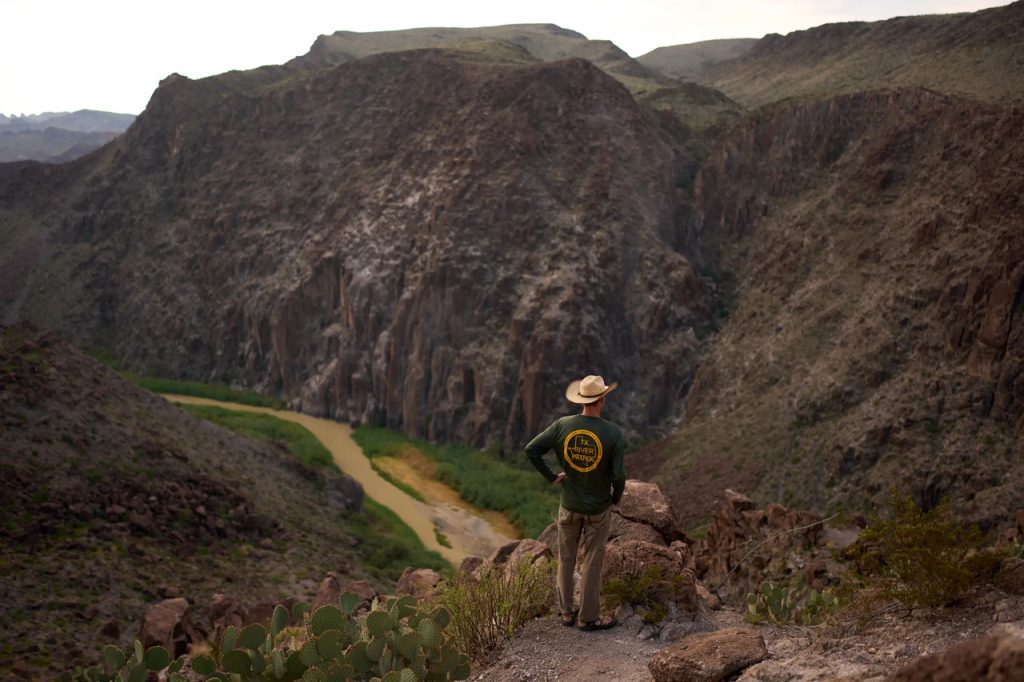
The proposed work affects an area that includes Big Bend National Park, along with land beyond the park’s boundaries. That detail has intensified concern among conservation groups and people who depend on the region’s landscape for recreation and business. Opponents warn that construction could damage desert terrain and canyon walls. The administration says border barriers and related infrastructure are needed for security. With construction cleared to resume for now, the dispute concerns both the government’s authority to build and the potential effects on this distinctive landscape.

Local Residents and Conservation Groups Have Objected
Local Residents and Conservation Groups Have Objected
apnews.com

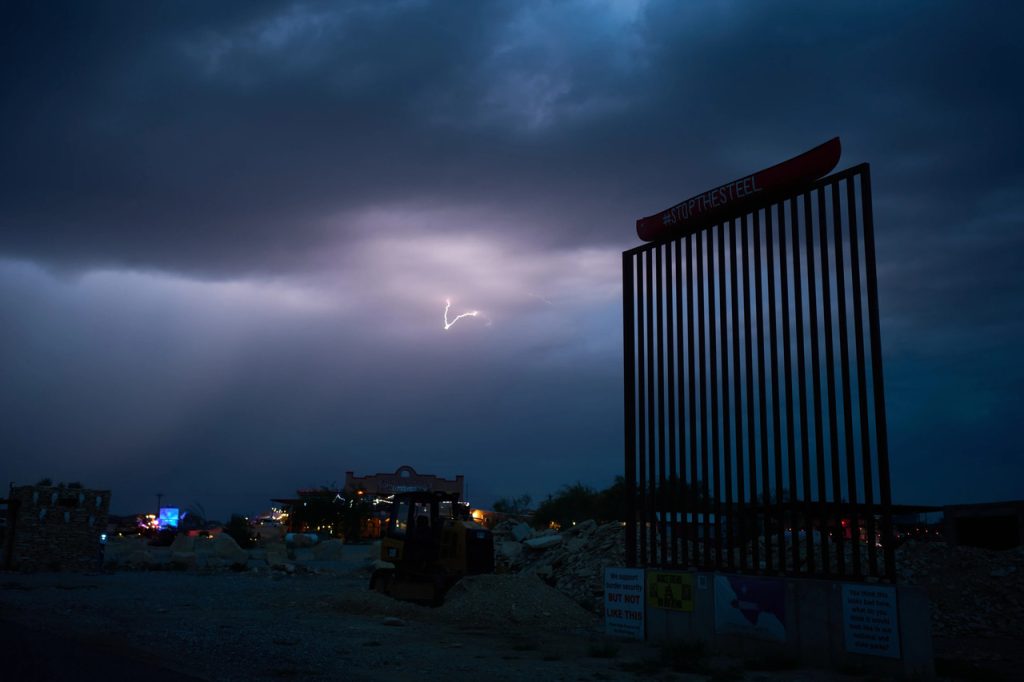
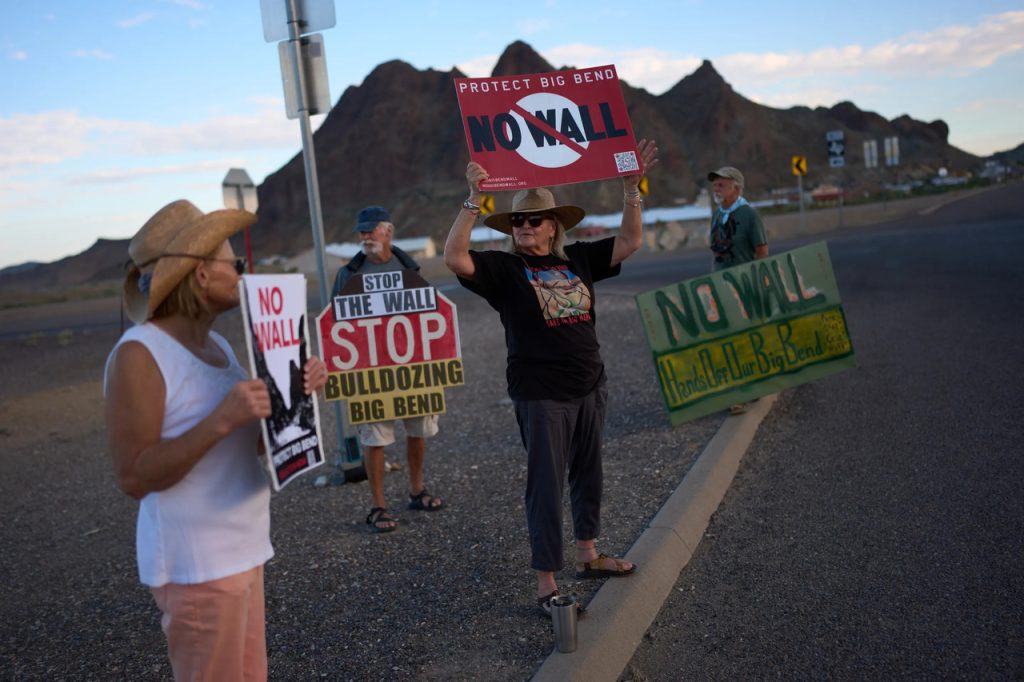
Opposition comes from people who live and work in the Big Bend area, landowners, environmental advocates and other local organizations. They argue the project is unnecessary in a region with historically low rates of migrant apprehensions and could damage scenic, environmental and recreational resources. Some landowners have also resisted federal efforts to access property for surveys and construction. The administration disputes the claim that the region needs no barrier, warning that gaps could become routes for illegal crossings and smuggling.

A Federal Judge Had Ordered Construction to Stop
A Federal Judge Had Ordered Construction to Stop
apnews.com

Before the Supreme Court acted, a federal judge sided with the challengers and ordered construction-related activity in the area to stop. The judge questioned whether Congress had clearly authorized such broad waivers, particularly in a region where apprehensions are comparatively low. The administration then asked the Supreme Court for emergency relief, arguing that the lower court’s order interfered with federal authority over border security. The high court paused that order, allowing work to resume while the challenge proceeds.


Hot this week

A New Bell Museum Film Takes Viewers Through a Year of Minnesota’s Wild Seasons

From winter’s frozen waters to summer prairie, A Dance of Seasons offers an immersive look at Minnesota’s changing landscapes. The Bell Museum’s opening-weekend celebration also features hands-on activities, a scavenger hunt, naturalists and more.

More Than 450 Artists Are Opening 140 Studios Across Northeast Minneapolis This Weekend

Four floors at Northrup King, six at the California Building and three buildings at Casket Arts offer plenty to explore during Northeast Minneapolis Fall Open Studios. The free weekend runs Nov. 13–15, with artwork, live demonstrations, hands-on activities and local makers.

A Minnesota City Wants to Save Its Landmark Dinosaur With a New Park Plan

Champlin’s park concept would preserve the Sinclair station’s most recognizable features while adding recreation and Mississippi River access. Here are four parts of the long-term vision, and where things stand with the possible purchase.

Two New House Reports Offer Conflicting Accounts of Trump’s Relationship With Jeffrey Epstein

Two recent House reports reach opposite conclusions about Donald Trump's relationship with Jeffrey Epstein. Together, they show how the same public controversy can produce sharply different congressional narratives without resolving the underlying facts.

Appeals Court Tells Judge to Narrow Trump’s Request for Journalists’ LinkedIn Records

A federal appeals court said a judge must narrow a Trump administration request for journalists' LinkedIn records tied to a leak investigation. The ruling keeps the inquiry alive while signaling that broad demands risking unrelated confidential sources go too far.

Topics

A New Bell Museum Film Takes Viewers Through a Year of Minnesota’s Wild Seasons

From winter’s frozen waters to summer prairie, A Dance of Seasons offers an immersive look at Minnesota’s changing landscapes. The Bell Museum’s opening-weekend celebration also features hands-on activities, a scavenger hunt, naturalists and more.

More Than 450 Artists Are Opening 140 Studios Across Northeast Minneapolis This Weekend

Four floors at Northrup King, six at the California Building and three buildings at Casket Arts offer plenty to explore during Northeast Minneapolis Fall Open Studios. The free weekend runs Nov. 13–15, with artwork, live demonstrations, hands-on activities and local makers.

A Minnesota City Wants to Save Its Landmark Dinosaur With a New Park Plan

Champlin’s park concept would preserve the Sinclair station’s most recognizable features while adding recreation and Mississippi River access. Here are four parts of the long-term vision, and where things stand with the possible purchase.

Two New House Reports Offer Conflicting Accounts of Trump’s Relationship With Jeffrey Epstein

Two recent House reports reach opposite conclusions about Donald Trump's relationship with Jeffrey Epstein. Together, they show how the same public controversy can produce sharply different congressional narratives without resolving the underlying facts.

Appeals Court Tells Judge to Narrow Trump’s Request for Journalists’ LinkedIn Records

A federal appeals court said a judge must narrow a Trump administration request for journalists' LinkedIn records tied to a leak investigation. The ruling keeps the inquiry alive while signaling that broad demands risking unrelated confidential sources go too far.

Trump Replaces His 8th Circuit Court Nominee After Two Republican Senators Object

Trump withdrew Lee Rudofsky's nomination to the 8th Circuit on November 10 after objections from Arkansas Senators John Boozman and Tom Cotton. He replaced Rudofsky with Arkansas Supreme Court Justice J. Cody Hiland, a move that highlights how much home-state senators still matter in judicial fights.

Supreme Court Declines to Hear Appeal in the Ricky Cobb Shooting. What Happens Now?

The U.S. Supreme Court declined to hear an appeal tied to the 2023 shooting death of Ricky Cobb II in Minneapolis. That move leaves lower court decisions in place and effectively blocks the family’s civil case against two state troopers.

Western Minnesota’s Appleton Prison Starts Taking ICE Detainees as Protests Take Shape

A long-shuttered prison in Appleton, Minnesota, is being revived as a 1,600-bed ICE detention center, bringing both hopes for jobs and deep concern over detention practices. As the first detainees arrive, protests and a planned November 14 vigil are sharpening a debate that reaches far beyond one small town.
spot_img

Related Articles

Popular Categories

spot_imgspot_img