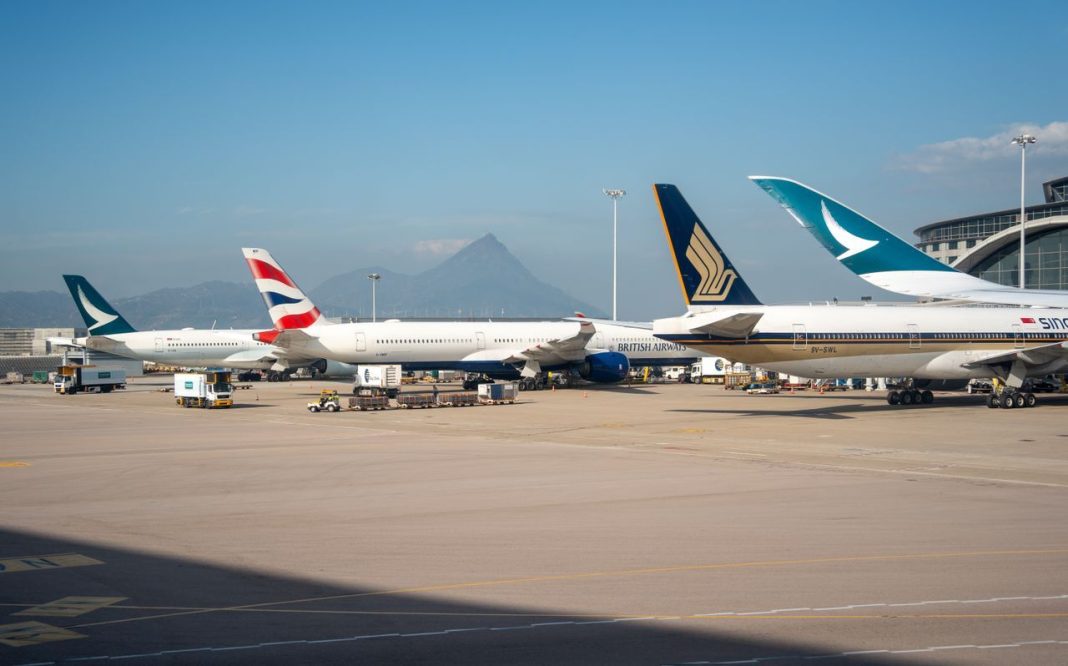

Flight delays and cancellations can turn even a carefully planned trip into a frustrating experience, but some U.S. airports handle disruptions much better than others. A new ConsumerAffairs analysis has ranked the country’s most and least reliable airports using flight data from 2024 and 2025. The study examined cancellation rates, lengthy delays, diversions and the availability of alternative same-day flights. While Los Angeles International Airport and Phoenix Sky Harbor performed well, airports such as Ronald Reagan Washington National and Newark Liberty struggled with significant disruptions. These 10 airports reveal where travelers may have a smoother journey and which hubs could require a little extra planning.
Los Angeles International Airport Leads the Reliability Rankings
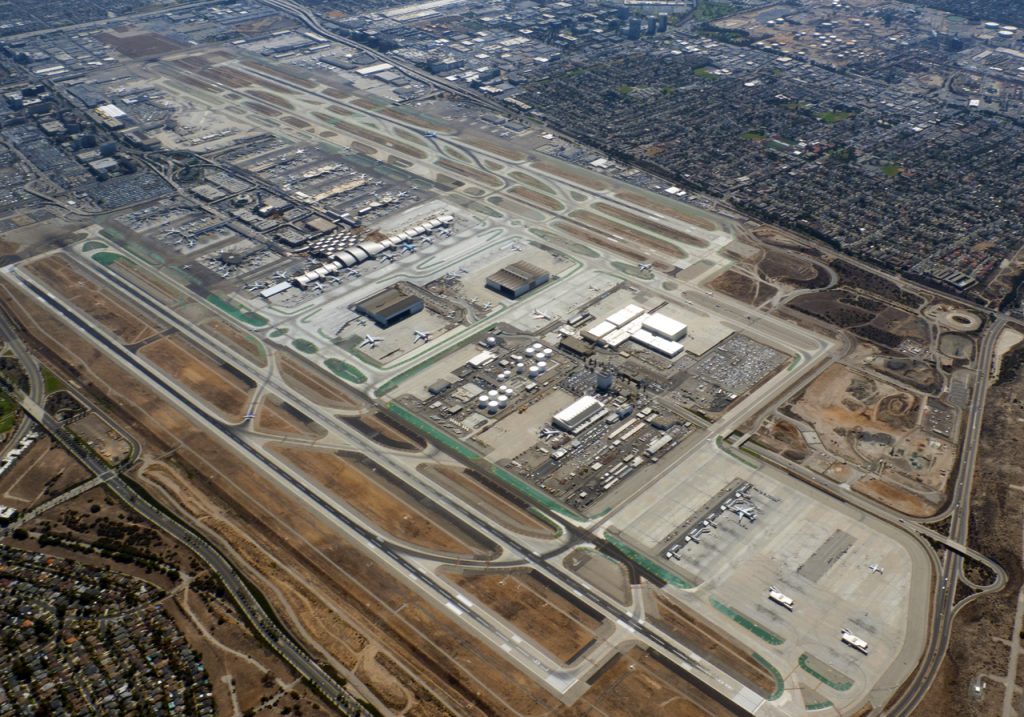
Los Angeles International Airport (LAX) may be famous for its traffic congestion and busy terminals, but its flight performance tells a surprisingly positive story. It ranked first among large U.S. airports in the latest reliability analysis, thanks partly to its low cancellation rate and strong recovery options when something goes wrong. Just 0.78% of its scheduled departures were canceled during the study period, while 16.89% experienced moderate delays of between 15 minutes and three hours. One of its biggest advantages is the number of alternative flights available when passengers need to rebook. Travelers had an average of 5.68 other same-day flights to the same destination, giving them more opportunities to continue their journeys without waiting until the following day. Only 15.81% of its cancellations affected the final scheduled flight to a particular destination that day, the lowest share among the five best-performing large airports. LAX did have a relatively higher diversion rate of 0.30%, showing that it is not immune to operational problems. Still, its combination of relatively infrequent cancellations and extensive backup options helped secure its leading position. For travelers, the findings suggest that a busy airport can offer considerable advantages when disruptions occur.
Phoenix Sky Harbor International Airport Records Few Cancellations
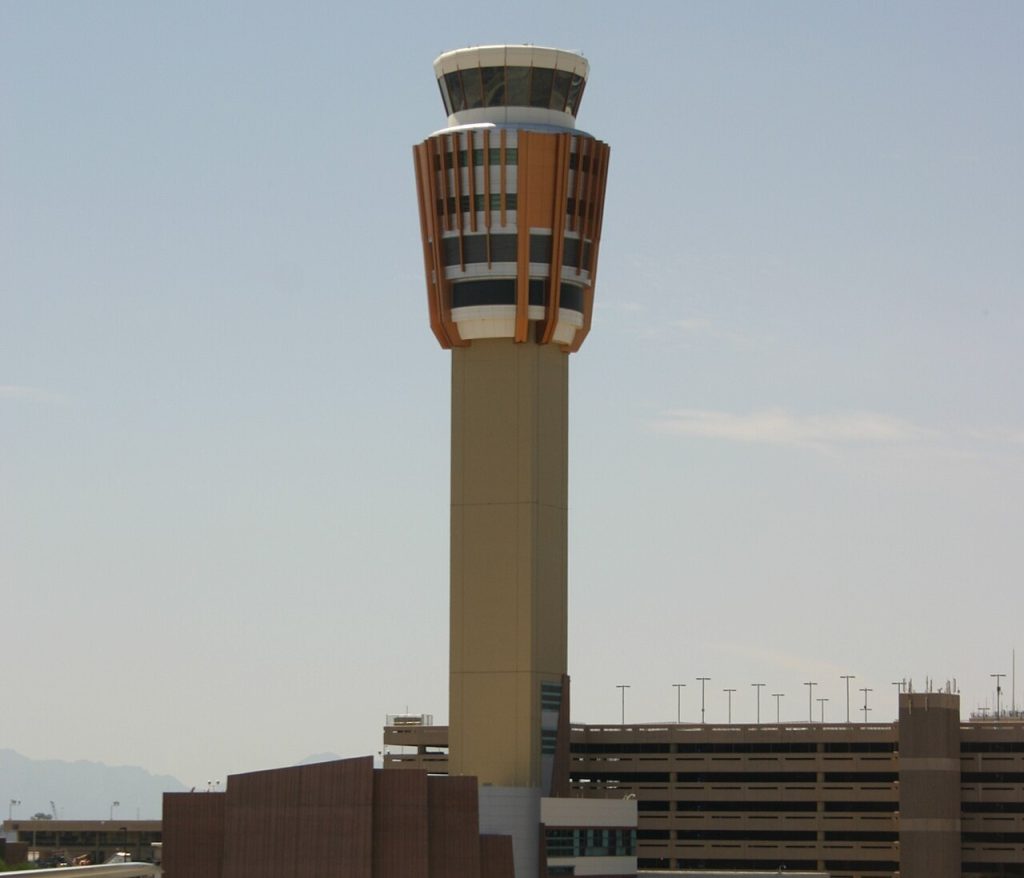
Phoenix Sky Harbor International Airport (PHX) demonstrates that high passenger traffic does not automatically translate into frequent flight disruptions. The Arizona airport ranked second among the most reliable large airports, recording a cancellation rate of just 0.67% during the two-year study period. Its severe-delay rate was 0.93%, meaning relatively few scheduled departures arrived at least three hours behind schedule. Moderate delays affected 18.28% of departures, placing it in a favorable position compared with many other major hubs. These figures are particularly useful for travelers who want to avoid situations where a relatively short delay turns into a much longer disruption. Phoenix also offered an average of 4.48 alternative same-day flights to the same destination, providing passengers with several possible options if their original departure was canceled. However, its recovery opportunities were not quite as extensive as those at Los Angeles International Airport. Approximately 19% of its cancellations involved the final flight of the day to that destination, meaning some passengers could still face an overnight wait. Even with that limitation, its low cancellation rate and relatively small share of severe delays helped Phoenix earn its second-place ranking.
Seattle-Tacoma International Airport Performs Well Despite Rainy Weather
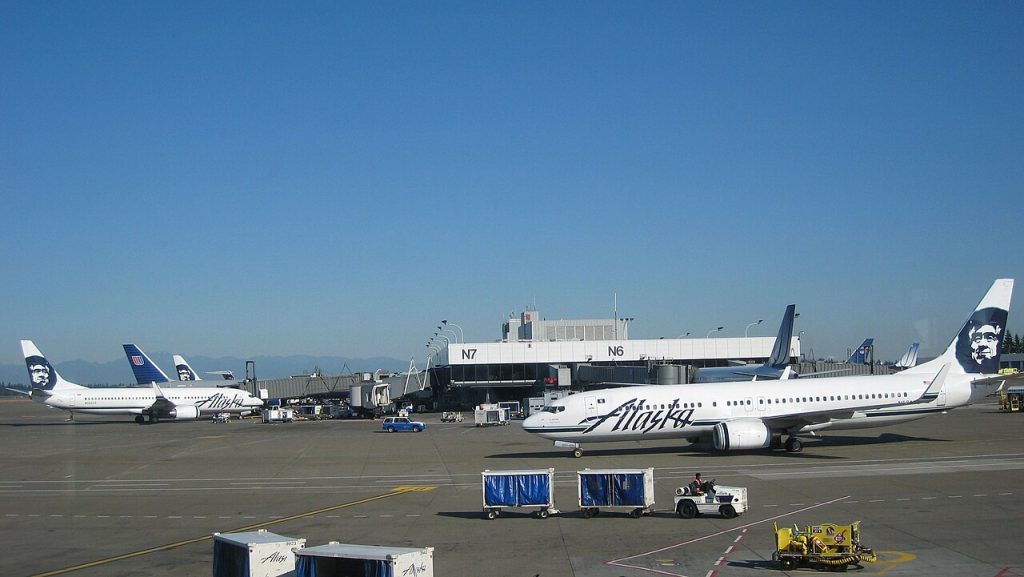
Seattle is not necessarily the first place travelers associate with consistently favorable flying conditions, but Seattle-Tacoma International Airport (SEA) delivered one of the strongest performances in the reliability rankings. It placed third among large U.S. airports and recorded the lowest severe-delay rate in that category, at just 0.65%. In practical terms, that means fewer departures arrived three or more hours late than at any other large airport included in the analysis. Its cancellation rate was also relatively low at 0.95%, although its moderate-delay rate of 20.25% was higher than those recorded at Los Angeles and Phoenix. One particularly interesting detail concerns the weather. Despite Seattle’s reputation for frequent rain, significant weather accounted for only 4.51% of the airport’s reported delay minutes. Airline-related problems, including maintenance and crew issues, represented a much larger share at 41.06%. The airport also offered an average of 4.62 alternative same-day flights to the same destination, giving passengers some flexibility when their original plans changed. These results show why it is worth looking beyond an airport’s local weather reputation when evaluating its reliability. Seattle’s relatively low severe-delay rate helped it secure a place among the country’s better-performing major hubs.
Salt Lake City International Airport Has the Lowest Cancellation Rate
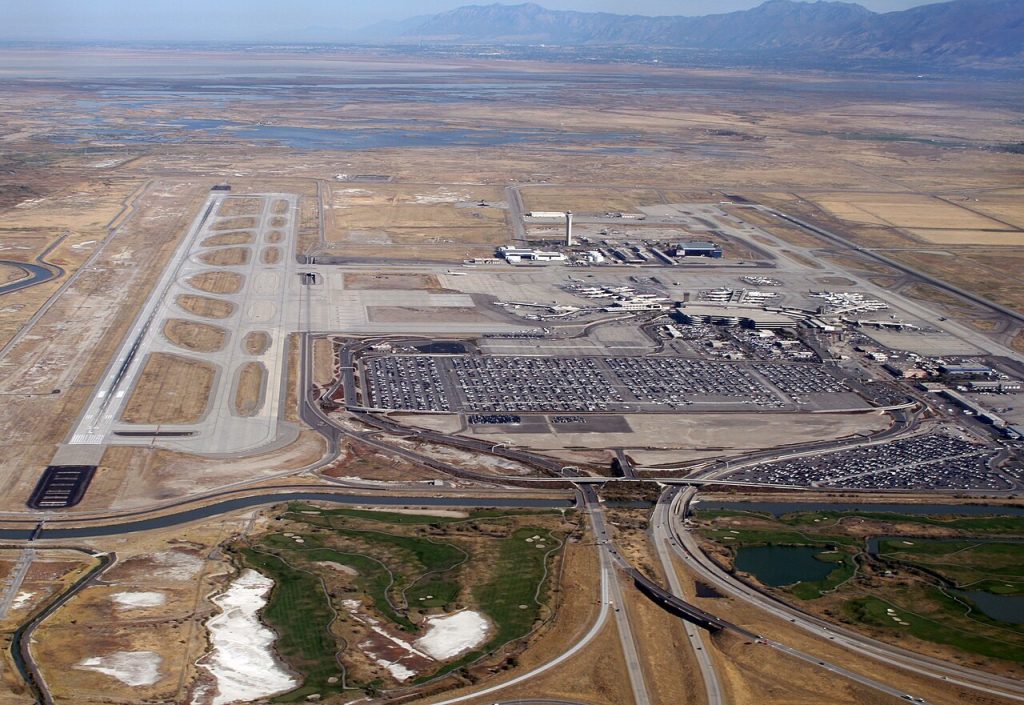
For travelers who value a departure that actually takes off as scheduled, Salt Lake City International Airport (SLC) delivered some particularly encouraging numbers. It ranked fourth among the most reliable large airports and recorded the lowest cancellation rate in its category, at just 0.57%. Its moderate-delay rate was also the lowest among large airports, with 15.48% of scheduled departures arriving between 15 minutes and three hours late. These figures suggest that passengers using Salt Lake City were less likely to experience either a cancellation or a moderate delay than travelers at most other major hubs in the study. However, the airport has one important weakness when something does go wrong. It offered an average of only 2.73 alternative same-day flights to the same destination, considerably fewer than Los Angeles, Phoenix or Seattle. This means passengers whose original flights are canceled may have fewer immediate alternatives. The airport has also undergone an extensive redevelopment project known as The New SLC, which began in 2020 and involved major changes to its terminal and concourse facilities. The final phase of the project was scheduled for completion in late October 2026. Although construction can affect airport operations, the reliability figures cover a two-year period and should not be attributed to one particular cause without further evidence. Overall, Salt Lake City’s exceptionally low cancellation and moderate-delay rates helped it secure fourth place.
Hartsfield-Jackson Atlanta International Airport Defies Expectations
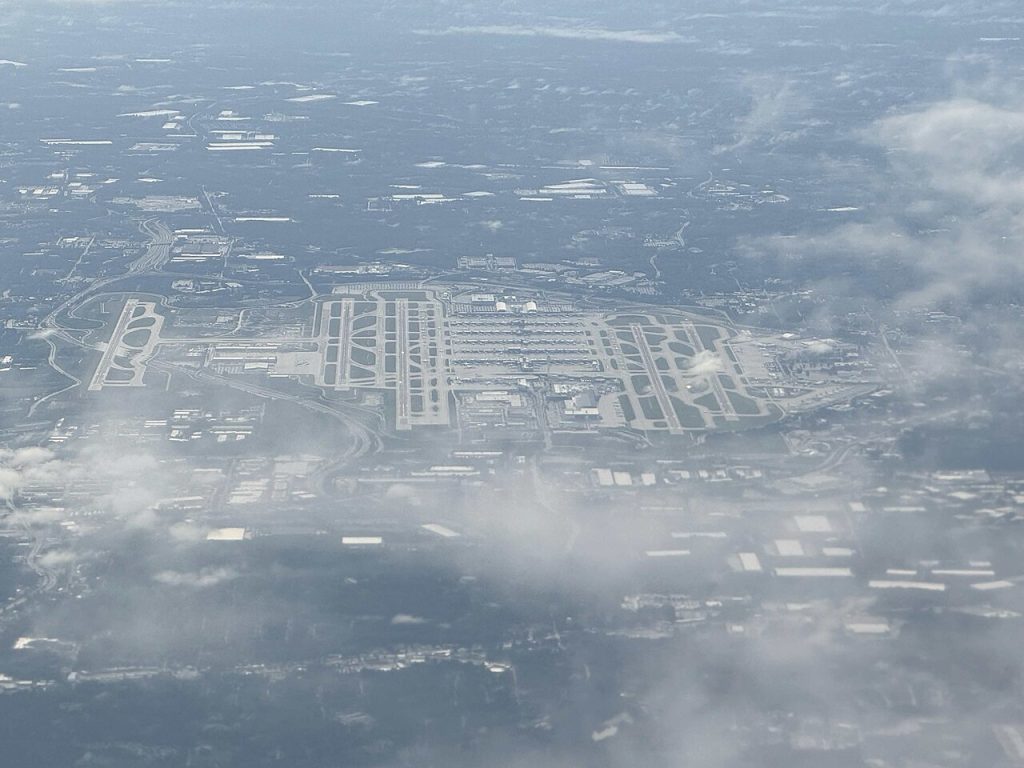
An airport handling enormous passenger volumes might seem like an obvious candidate for frequent delays, but Hartsfield-Jackson Atlanta International Airport (ATL) challenges that assumption. Despite its position as one of the world’s busiest airports, Atlanta ranked fifth among the most reliable large U.S. airports. Its cancellation rate stood at 1.24%, while its moderate-delay rate was 20.21%. The severe-delay rate was 1.25%, meaning relatively few departures experienced delays of three hours or longer compared with several other major airports. Atlanta’s biggest advantage is its ability to help passengers recover when travel plans change. The airport offered an average of 5.45 alternative same-day flights to the same destination, making it one of the strongest airports in the study for rebooking opportunities. Only Los Angeles performed better among the five leading large airports on this measure. Just 18.81% of cancellations involved the final flight of the day to a particular destination, giving passengers a reasonable chance of finding another departure. This is especially important at a major connecting hub, where a missed connection or canceled flight can affect several parts of a journey. Atlanta’s results demonstrate that airport size and passenger volume alone do not determine reliability. Its extensive flight network appears to provide an important advantage when disruptions occur.
Ronald Reagan Washington National Airport Has the Highest Cancellation Rate
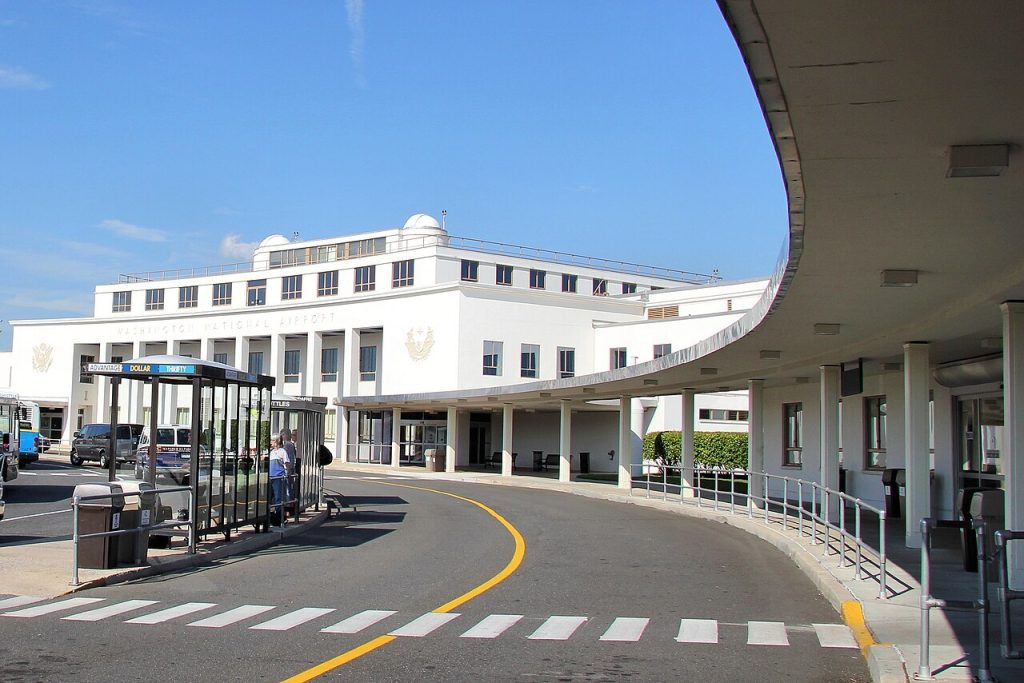
Few things disrupt a travel itinerary quite like arriving at the airport only to discover that the flight has been canceled altogether. Ronald Reagan Washington National Airport (DCA) recorded the highest cancellation rate in the entire study, with 2.8% of scheduled departures canceled during 2024 and 2025. That earned it the position of least reliable large airport in the rankings. Its moderate-delay rate was 21.01%, while another 1.96% of departures experienced delays exceeding three hours. The problem becomes more difficult for travelers because cancellations do not always leave convenient alternatives. Approximately 37.89% of canceled flights represented the final scheduled departure of the day to that destination. This can leave passengers facing an overnight stay or searching for another way to complete their journey. Interestingly, not all the delays originate at Reagan National itself. Late-arriving aircraft accounted for nearly half of the airport’s reported delay minutes, the highest share among the five worst-performing large airports. That means disruptions affecting flights elsewhere can carry over into Washington’s departure schedule. The airport’s operational environment and limited room for expansion also make its flight operations particularly complex. For travelers using DCA, checking flight updates regularly and considering earlier departures can provide some protection against unexpected changes.
Dallas-Fort Worth International Airport Struggles With Frequent Delays
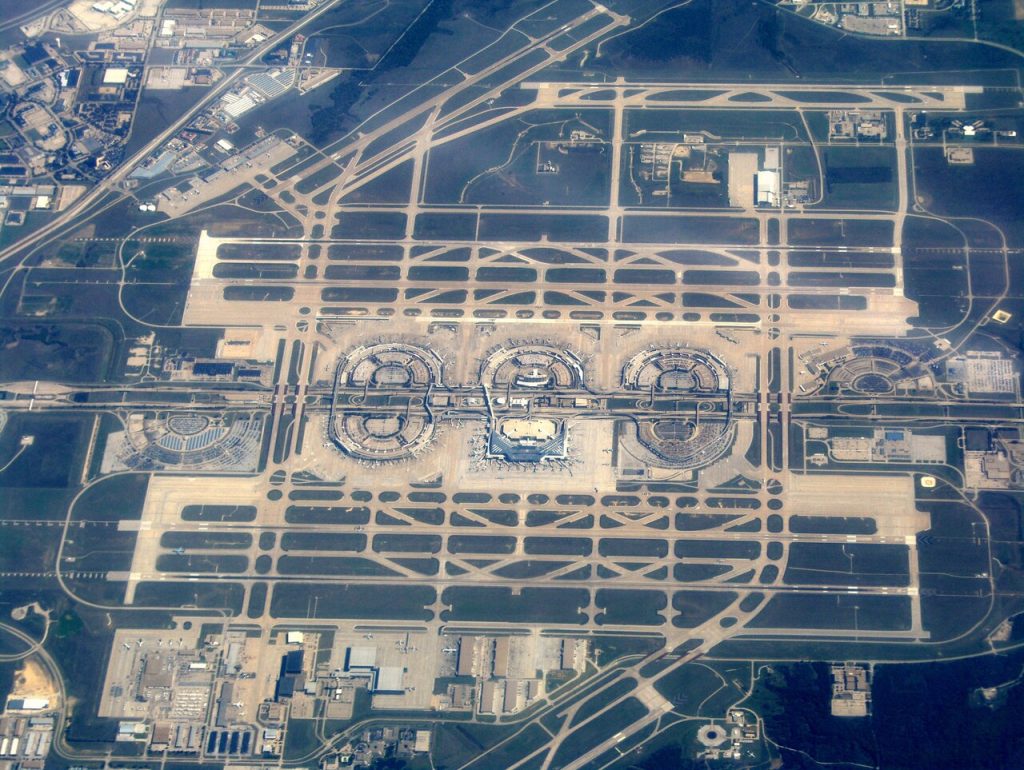
Dallas-Fort Worth International Airport (DFW) is an enormous transportation hub, but its size does not prevent it from experiencing frequent schedule disruptions. It ranked second among the least reliable large airports, with moderate delays emerging as its most significant weakness. Approximately 25.18% of scheduled departures arrived between 15 minutes and three hours late, the highest moderate-delay rate among the large airports examined. Its cancellation rate was also relatively high at 2.31%, while 1.96% of departures experienced delays exceeding three hours. These figures suggest that passengers using DFW may encounter disruptions that do not always result in a complete cancellation but can still interfere with connections, hotel check-ins and other travel arrangements. There is, however, an advantage to the airport’s extensive flight network. DFW offered an average of 3.95 alternative same-day flights to the same destination, giving some passengers a chance to find another departure when their original plans fall apart. Its size and role as a major connecting hub mean that disruptions can have consequences beyond the immediate airport. A delayed incoming aircraft, for example, can affect its next scheduled departure and potentially disrupt connecting itineraries. Travelers passing through Dallas may therefore benefit from allowing extra time between connecting flights, particularly when their onward journey involves a tight schedule.
Newark Liberty International Airport Records Particularly Long Delays
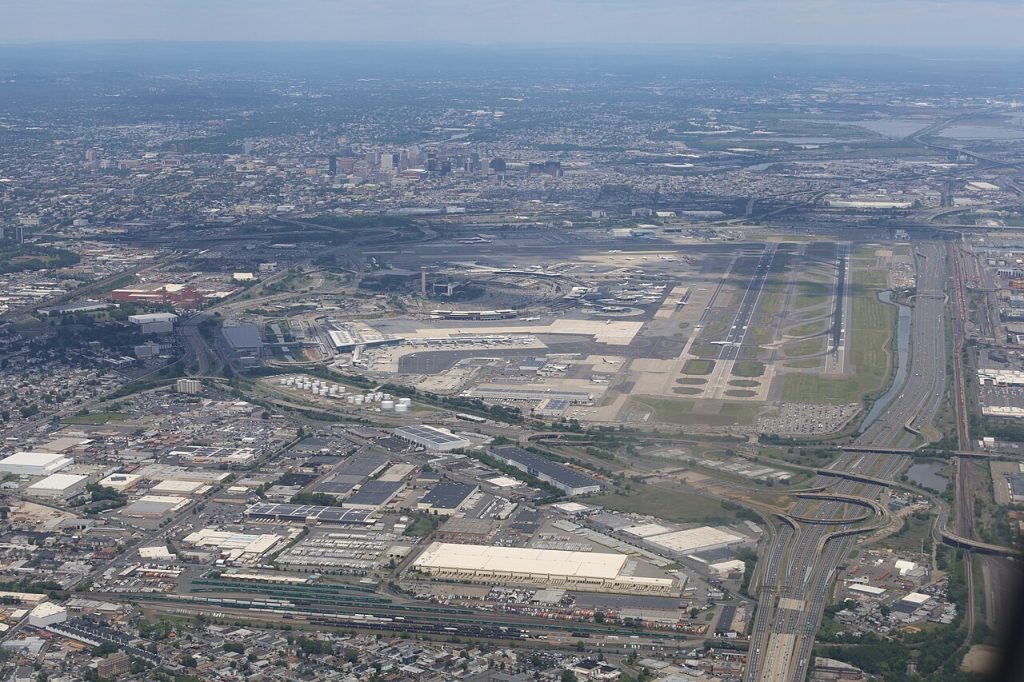
Newark Liberty International Airport (EWR) has faced several operational challenges in recent years, and its position near the bottom of the reliability rankings reflects some of those difficulties. It ranked third among the least reliable large airports and recorded the highest severe-delay rate in that category, at 2.17%. That means a greater proportion of its scheduled departures arrived at least three hours late than at any other large airport in the study. Among flights that arrived late, the average delay was approximately 80 minutes, making the situation particularly frustrating for passengers with connecting flights or time-sensitive plans. Newark also recorded a cancellation rate of 2.67% and a moderate-delay rate of 21.03%. Several factors contributed to the airport’s operational difficulties during 2025, including air traffic controller shortages, equipment problems and runway construction. The Federal Aviation Administration also reduced the number of flights permitted to operate each hour to help manage congestion and improve operational reliability. Those restrictions were subsequently extended through October 2027. Although these measures are intended to improve conditions, they also reflect the difficulties of managing flight traffic at one of the busiest airports in the New York metropolitan area. Newark offered an average of 4.16 alternative same-day flights to the same destination, but that does not guarantee that passengers can secure another seat. Its high severe-delay rate makes it particularly important for travelers to monitor flight updates and leave sufficient time for connections.
Miami International Airport Has the Highest Diversion Rate
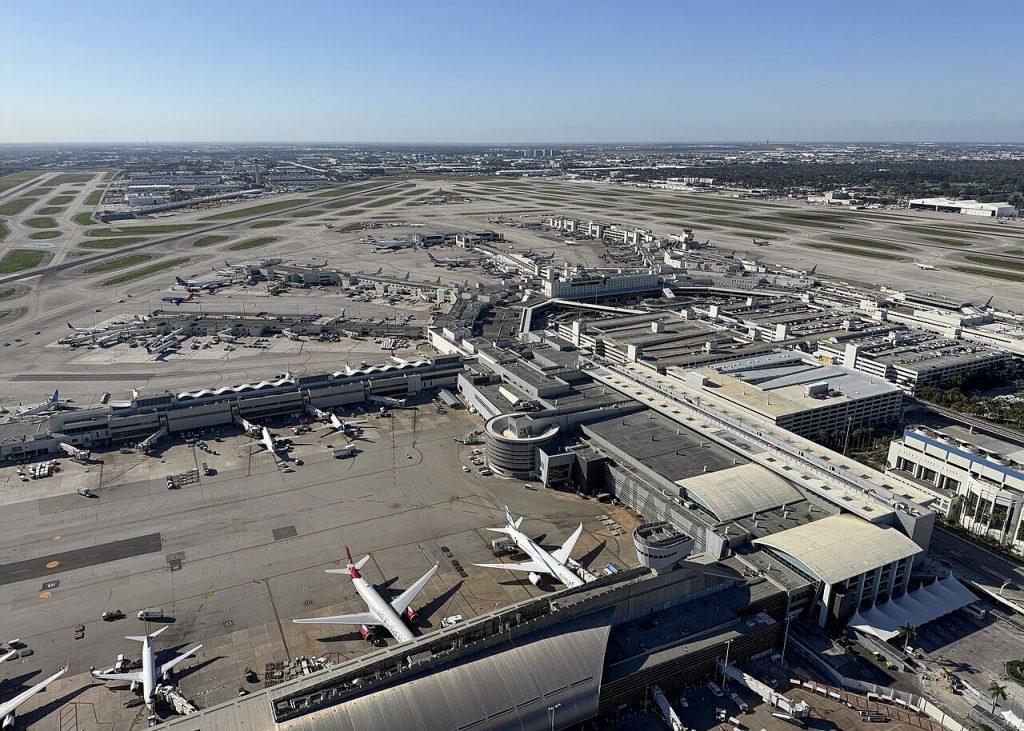
Miami International Airport (MIA) presents a slightly different reliability problem from the other airports near the bottom of the rankings. Rather than simply experiencing more cancellations, it stood out for the frequency of diverted flights. Approximately 0.32% of scheduled departures were diverted, the highest rate among the five least reliable large airports. A diversion occurs when an aircraft cannot reach its intended destination and instead lands somewhere else. This can happen for several reasons, including severe weather, medical emergencies, operational problems or other safety-related circumstances. Miami also recorded a moderate-delay rate of 24.45%, indicating that nearly one-quarter of scheduled departures arrived at least 15 minutes late but less than three hours late. Its cancellation rate was comparatively lower at 1.49%, suggesting that cancellations were not its biggest weakness. The airport’s severe-delay rate stood at 1.99%, and its overall severity score was the worst among large airports in the analysis. That distinction matters because the ranking considered not only how frequently disruptions occurred but also how serious their consequences could be. Miami’s position therefore reflects the impact of lengthy delays and diversions rather than simply a high number of canceled flights. For travelers, the findings are a reminder that a flight can experience significant disruption even when the airport’s cancellation rate appears relatively manageable.
Philadelphia International Airport Leaves Many Travelers Without Same-Day Alternatives
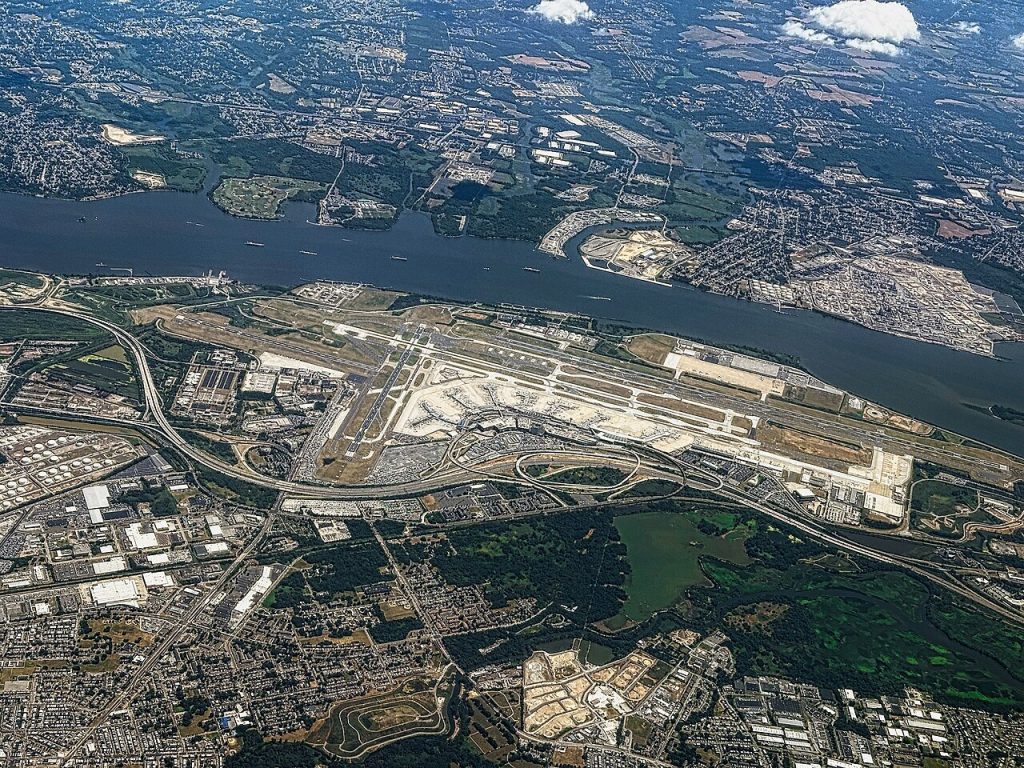
A canceled flight becomes considerably more inconvenient when there is no other departure available before the end of the day. That is one of the biggest concerns highlighted by Philadelphia International Airport (PHL), which ranked fifth among the least reliable large airports. Its cancellation rate was 1.75%, while 20.69% of scheduled departures experienced moderate delays. Another 1.97% arrived more than three hours behind schedule. However, the airport’s limited recovery opportunities make those figures particularly important. Approximately 36.17% of its cancellations affected the final scheduled flight of the day to that destination. This means passengers whose departures are canceled may have to wait until the following morning rather than simply move to another flight a few hours later. Among flights that arrived late, the average delay was approximately 80 minutes, the second-longest average among the large airports included in the study. Philadelphia also recorded the second-highest overall severity score in its airport category. These findings highlight why reliability should not be judged by cancellation percentages alone. The availability of alternative flights can make an enormous difference to the actual travel experience. Someone traveling to a destination with several daily departures may recover relatively quickly from a disruption, while another passenger could lose an entire day. At Philadelphia, the combination of lengthy delays and a substantial share of last-flight cancellations creates additional challenges for travelers.