

Donald Trump made one of his most consequential staffing calls on November 6. He named Stephen Miller as White House chief of staff, replacing Susie Wiles.
That choice matters because Miller is not a new face. He has been one of Trump’s closest advisers for years, especially on immigration.
Why Miller’s promotion stands out

Trump’s November 6 announcement elevates a figure who already held major sway inside the White House. Miller previously served in senior White House roles and became widely known as a central architect of the administration’s immigration policy. In practical terms, the chief of staff job turns influence into formal authority over access, scheduling, and internal coordination.
Replacing Susie Wiles also signals a shift in how Trump wants the West Wing to run. Wiles had been a key political operator, while Miller is more closely identified with policy and message discipline. That difference could shape who gets heard inside the Oval Office and which issues move fastest.
Miller’s relationship with Trump is one of the biggest reasons this appointment matters. Few advisers have had his level of trust over such a long stretch, and that kind of standing often counts more than an official title in Washington. Now, for the first time in this role, the title and the trust are lined up together.
His record inside Trump’s orbit
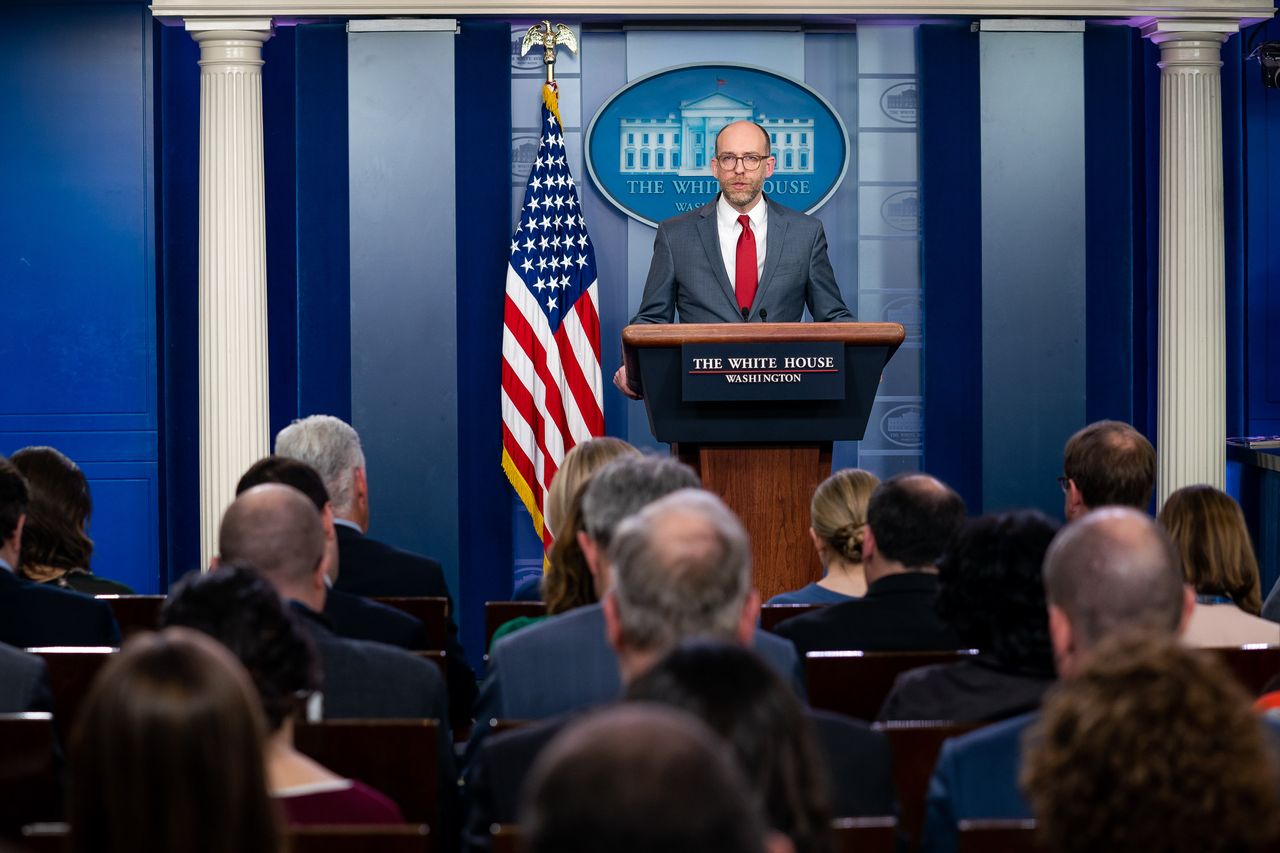
Miller built his reputation through hard-line immigration work, and that has defined much of his public profile. During Trump’s first White House years, he was a central voice on border policy, enforcement, and the administration’s broader immigration message. That history gives a clear sense of the issues he is likely to prioritize in day-to-day staffing decisions.
His earlier White House service also matters because chiefs of staff must manage both policy fights and personality clashes. Miller has already operated in that environment, which means he knows the rhythms of the West Wing better than many outside hires would. Experience alone does not guarantee smooth management, but it does reduce the learning curve on day 1.
Just as important, Miller is not arriving as a neutral bureaucratic referee. He has a well-established worldview and a long record of pressing it inside Trump’s circle. That makes him different from a classic process manager and suggests a chief of staff who may try to steer outcomes, not just supervise meetings.
What this could mean next

For now, the confirmed fact is narrow: Trump named Miller chief of staff on November 6. What comes next is still a matter of likely direction, not settled policy, and that distinction matters. A personnel announcement is real and immediate, while future executive actions or legislative priorities remain unannounced.
Still, the political backdrop is clear. Democrats are preparing to take control of Congress, which means the White House will likely face tighter scrutiny, more aggressive oversight, and a harder path on legislation. In that setting, a chief of staff with strong internal discipline can become even more important.
Miller’s appointment could mean a West Wing that is more centralized, more combative, and more focused on immigration-related priorities. It could also mean quicker alignment between Trump’s instincts and the staff machinery around him. But until actual policy decisions are announced, the clearest takeaway is simpler: Trump just gave one of his most trusted advisers one of Washington’s most powerful jobs.