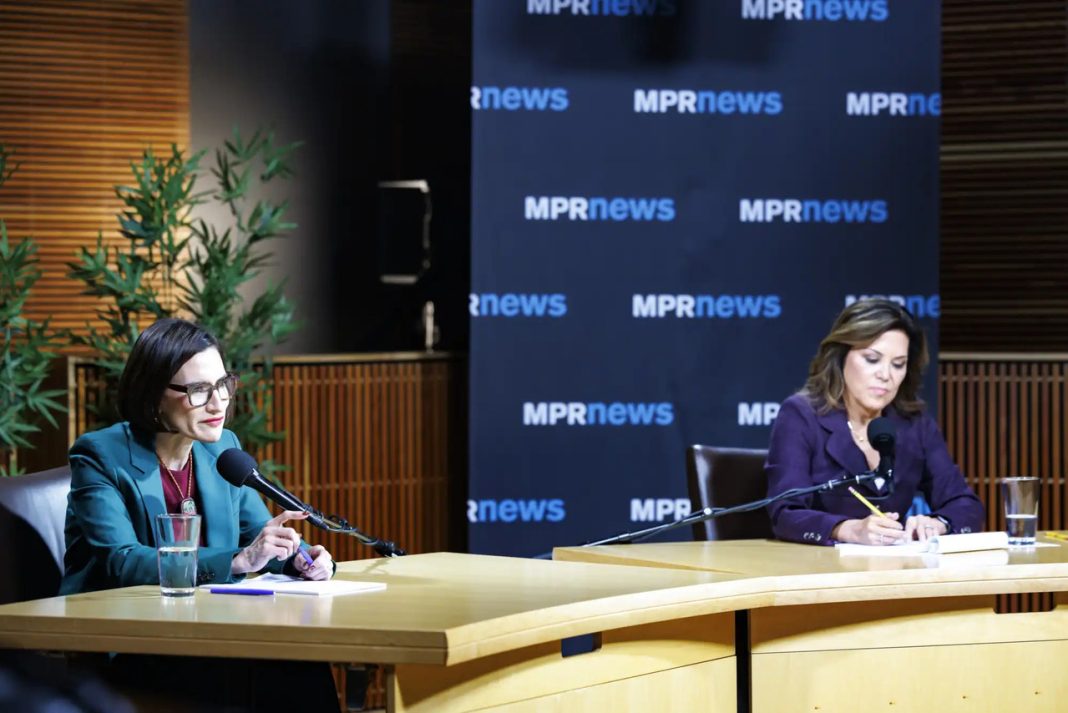

Minnesota’s first U.S. Senate debate put some of the country’s most divisive political issues front and center. Held on October 16, 2026, the debate featured Democratic candidate Peggy Flanagan and Republican candidate Michele Tafoya, who clashed over immigration enforcement, government fraud, President Donald Trump’s influence, and the economic impact of tariffs. Foreign policy, support for Israel, and the future of Social Security also sparked disagreements. With Minnesota’s open Senate seat attracting national attention, the candidates used the debate to draw clear distinctions between their priorities and approaches to governing. Here’s a closer look at the six issues that shaped their first major face-to-face encounter.
Immigration Enforcement and ICE Operations in Minnesota
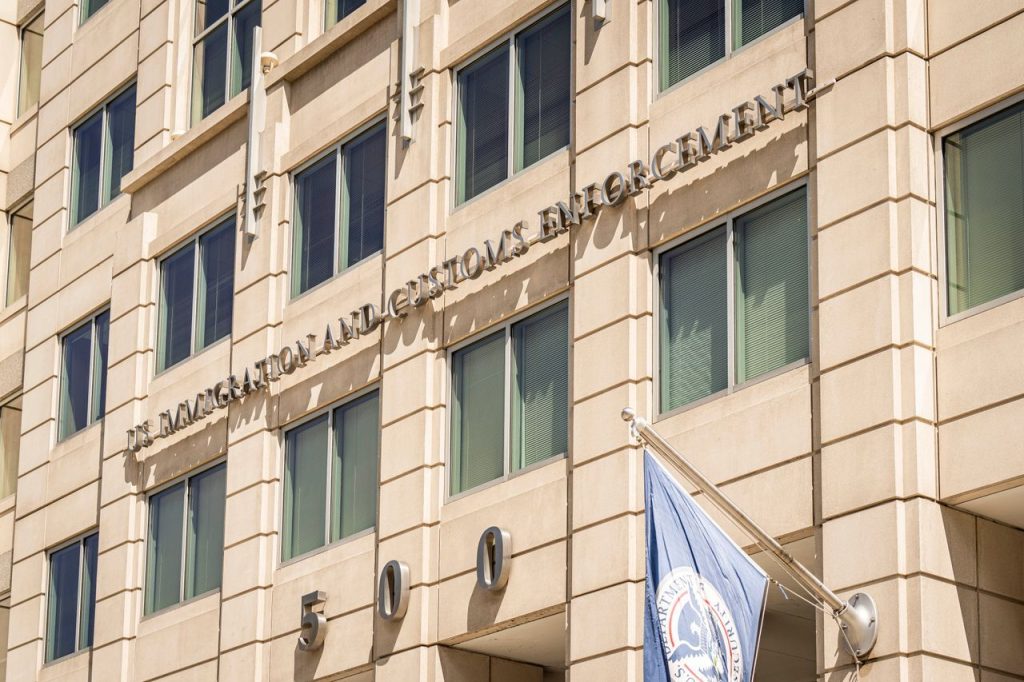
Few issues have generated as much debate in Minnesota as federal immigration enforcement. During their first U.S. Senate debate on October 16, 2026, Democratic candidate Peggy Flanagan and Republican candidate Michele Tafoya offered sharply different views on the federal government’s immigration policies and the enforcement surge that took place in Minnesota the previous winter. Flanagan criticized the conduct of federal agents, describing their actions as violent and chaotic. She called for a complete overhaul of Immigration and Customs Enforcement (ICE), arguing that the country needs secure borders alongside due process, public safety, humane treatment, and a pathway to citizenship for law-abiding immigrants. The debate highlighted a fundamental disagreement over how the United States should enforce immigration laws while protecting individual rights and maintaining public trust.
Minnesota’s Public Program Fraud Scandal and Government Accountability

Minnesota’s extensive public program fraud investigations put Flanagan’s record in state government under particular scrutiny. Tafoya repeatedly challenged her opponent over her role as lieutenant governor under Gov. Tim Walz, arguing that she could not distance herself from a government facing questions about how public funds were managed. Reports of hundreds of millions of dollars in fraud involving state programs have raised concerns about oversight, accountability, and the protection of taxpayer money. Flanagan responded that Walz had accepted responsibility for addressing the problem, while she had focused on other Democratic-Farmer-Labor priorities, including paid family and medical leave and free school meals. The exchange put the candidates’ competing claims about leadership and responsibility at the heart of the discussion. For voters, the central question was how effectively state officials should identify fraud, strengthen oversight, and prevent public assistance programs from being abused.
President Donald Trump’s Influence and the Candidates’ Political Independence
The debate also became a test of how closely each candidate would align with prominent political figures. President Donald Trump had endorsed Tafoya just days before the event, giving Flanagan an opening to question her opponent’s claims of independence. Flanagan argued that Tafoya would act as a rubber stamp for the president, pointing to her positions on tariffs, trade disputes, and the war in Iran. Tafoya rejected that characterization and presented herself as an independent thinker willing to disagree with members of her own party. Her changing position on the Iran war became one example of the broader argument over political consistency. The exchange matters because a U.S. senator can influence federal legislation, foreign policy, judicial confirmations, and executive oversight. Voters were being asked to consider not only the candidates’ stated policies but also whether they would follow party leadership or make decisions independently.
Tariffs and Their Impact on Minnesota Farmers and Businesses
Trade policy became a major point of disagreement, particularly over the effects of tariffs on Minnesota’s agricultural economy. Flanagan argued that tariffs imposed under the Trump administration were hurting industries and putting pressure on farmers growing soybeans and corn. She warned that the trade disputes could cost American producers access to important international markets for years. She also argued that Congress should exercise its authority over tariffs rather than allowing the president to determine trade policy without sufficient legislative oversight. Tafoya defended tariffs as a negotiating tool, saying they could bring other countries to the table and help establish fairer trade agreements. She also argued that both major political parties had contributed to problems in international trade. Their disagreement reflected a wider debate over whether tariffs protect American industries or risk raising costs and inviting retaliatory measures against U.S. exports. For Minnesota farmers and businesses, the outcome of that debate could affect sales, production costs, and access to overseas customers.
The Iran War and U.S. Support for Israel
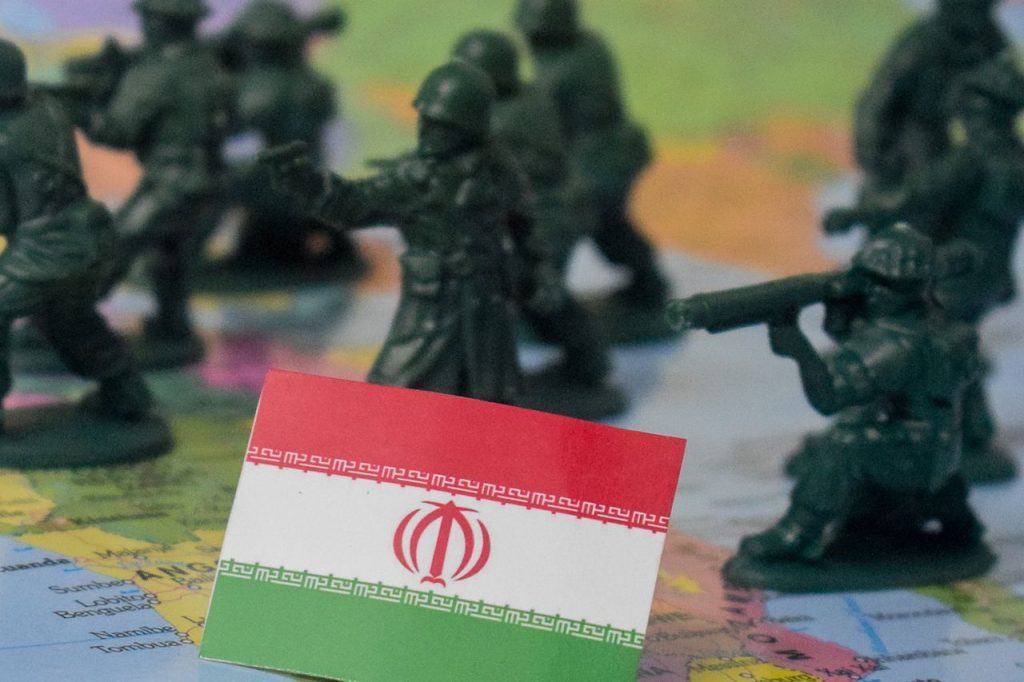
Foreign policy brought some of the sharpest contrasts between the candidates, particularly over the war in Iran and America’s relationship with Israel. Both candidates said the war should end, but their positions differed on how the United States had become involved and what should happen next. Tafoya said she had initially supported U.S. intervention earlier in 2026 but now believed the conflict had continued too long. She argued that it needed to end quickly and strategically. Flanagan opposed the war from the beginning and committed to voting to end it, pointing to the financial costs and the deaths of 21 American service members, including a Minnesota woman. The candidates also clashed over Israel’s military campaign in Gaza. Flanagan condemned the Hamas attack of October 7, 2023, but criticized the Israeli government’s subsequent actions and said she would oppose additional U.S. military aid to Israel under Prime Minister Benjamin Netanyahu. Tafoya expressed firm support for Israel and disputed Flanagan’s characterization of the conflict. Their positions underscored the competing views about military intervention, American spending overseas, and the country’s responsibilities to its allies.
Social Security, Payroll Taxes, and the Future of Retirement Benefits

Social Security raised a practical question for millions of Americans: how can the government keep retirement benefits funded for future generations? Flanagan proposed removing the cap on earnings subject to Social Security payroll taxes for people earning $250,000 or more. She also endorsed the Social Security Expansion Act, arguing that it would help secure the program’s finances for at least the next seven decades. Her proposal would require higher earners to contribute payroll taxes on a greater share of their income, rather than limiting those contributions to earnings below the existing taxable maximum. Tafoya criticized Flanagan’s answer as too simplistic but declined to endorse a specific solution. She did not commit to raising taxes or cutting benefits, instead arguing that senators should work across party lines to develop a sustainable plan. The disagreement exposed a difference in approach: Flanagan offered a defined policy proposal, while Tafoya emphasized negotiation without specifying which measures she would support. For retirees and younger workers alike, the issue concerns the long-term reliability of benefits and how the government should distribute the cost of maintaining them.