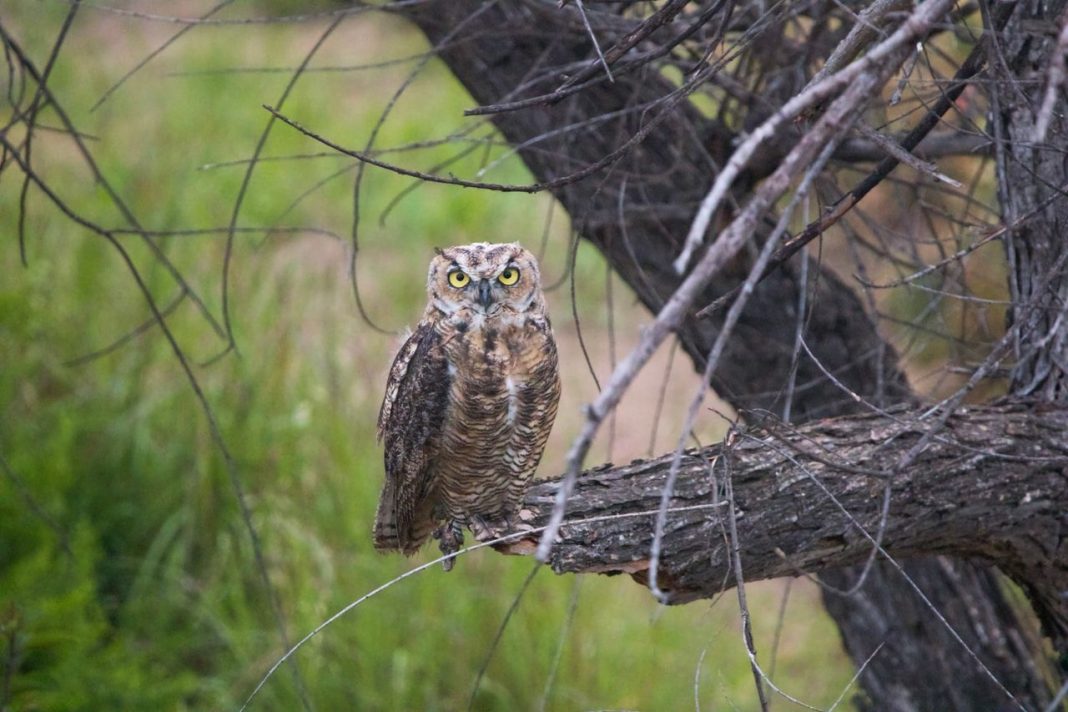

One injured great horned owl in South Dakota found help from a remarkable chain of strangers who refused to leave it behind. When Scott and Sharon Jacobs spotted the bird tangled in barbed wire near Spearfish, they stopped to help, setting off a rescue that brought together a passing motorist, a cooperative property owner, a veterinarian, and wildlife rehabilitators. From improvised tools to specialized medical care, every step mattered. Here are seven details behind the rescue and the owl’s hopeful path toward recovery.
Scott and Sharon Jacobs Found a Great Horned Owl Trapped in Barbed Wire
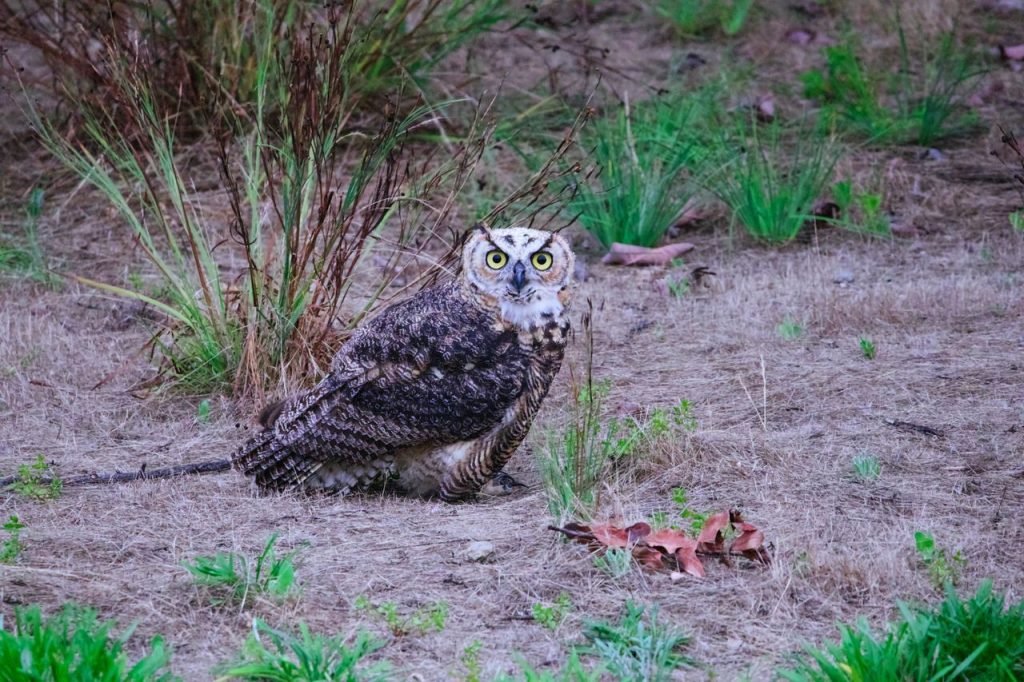
Sometimes, a routine drive can turn into a moment that changes the fate of a wild animal. Scott and Sharon Jacobs were traveling near Spearfish, South Dakota, on October 1, 2026, when Scott spotted what he initially thought was a dead hawk caught along a roadside fence. He continued driving briefly, but Sharon urged him to turn around so she could investigate. An experienced animal lover who had helped rescue horses, cats, and dogs, Sharon approached the fence and discovered a great horned owl tangled in the barbed wire. The bird was alive, but it was trapped and visibly distressed. Great horned owls are powerful birds of prey equipped with sharp talons and strong beaks, so helping one that is frightened or injured can be dangerous without proper precautions. Sharon spoke softly to the owl, trying to calm it while Scott looked for supplies. Their decision to stop rather than drive past the injured bird set a rescue in motion that would soon involve several strangers, a veterinarian, and a wildlife rehabilitation team.
A Tote Bag Helped Calm the Frightened Owl During the Rescue
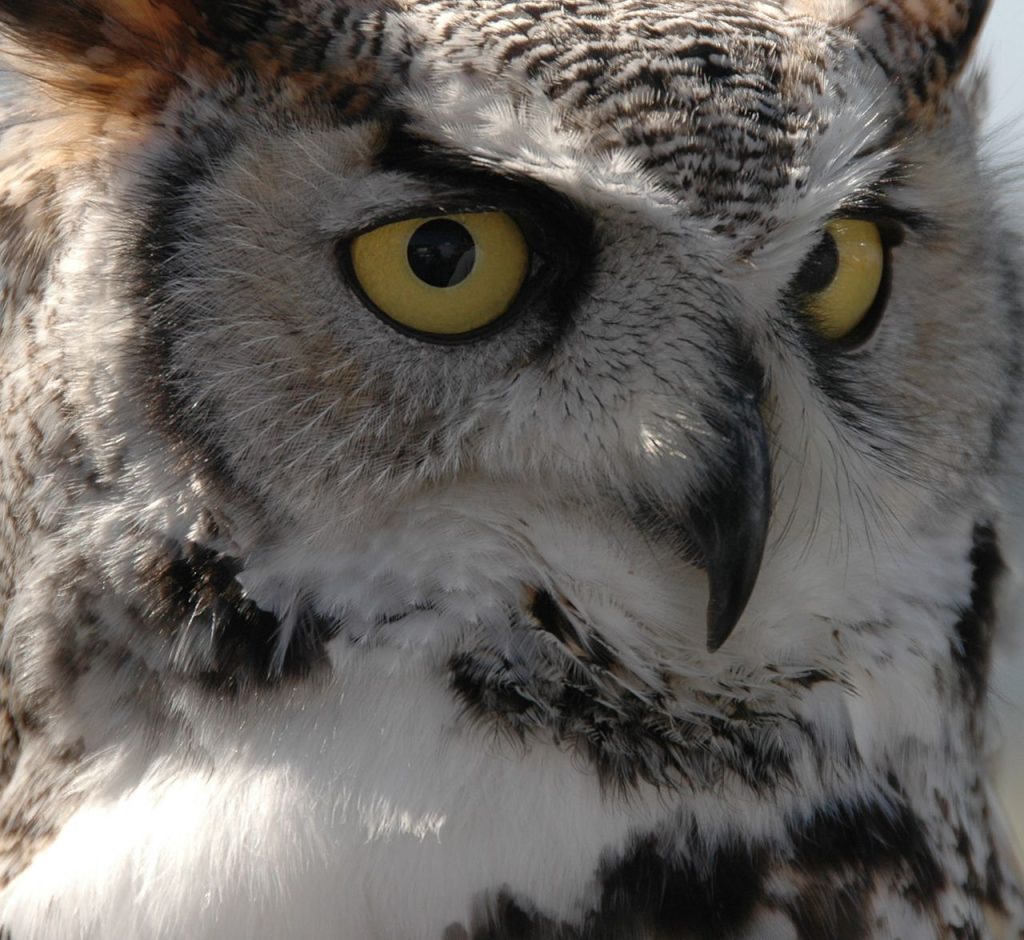
Rescuing an injured bird requires more than simply pulling it free, especially when it is a powerful raptor struggling against sharp wire. Sharon Jacobs understood that keeping the owl calm would be important, so she asked Scott to find something they could use to cover its head. They had a large grocery bag in their vehicle, which could help block the bird’s view and reduce some of the stress caused by people approaching it. Covering a bird’s head can sometimes help limit visual stimulation during handling, although it must be done carefully to avoid obstructing breathing or causing further injury. The owl had been caught tightly enough that its movements could potentially worsen the damage, making a gentle approach essential. Scott and Sharon did not have protective gloves, however, leaving them with another problem to solve. Their improvised equipment was only part of the effort, and they still needed the right tools and enough help to cut the wire without injuring the owl further. The incident highlights how ordinary items can sometimes help in an emergency, but injured raptors are best handled by trained wildlife professionals whenever possible.
A Passing Motorist Supplied Gloves and Wire Cutters
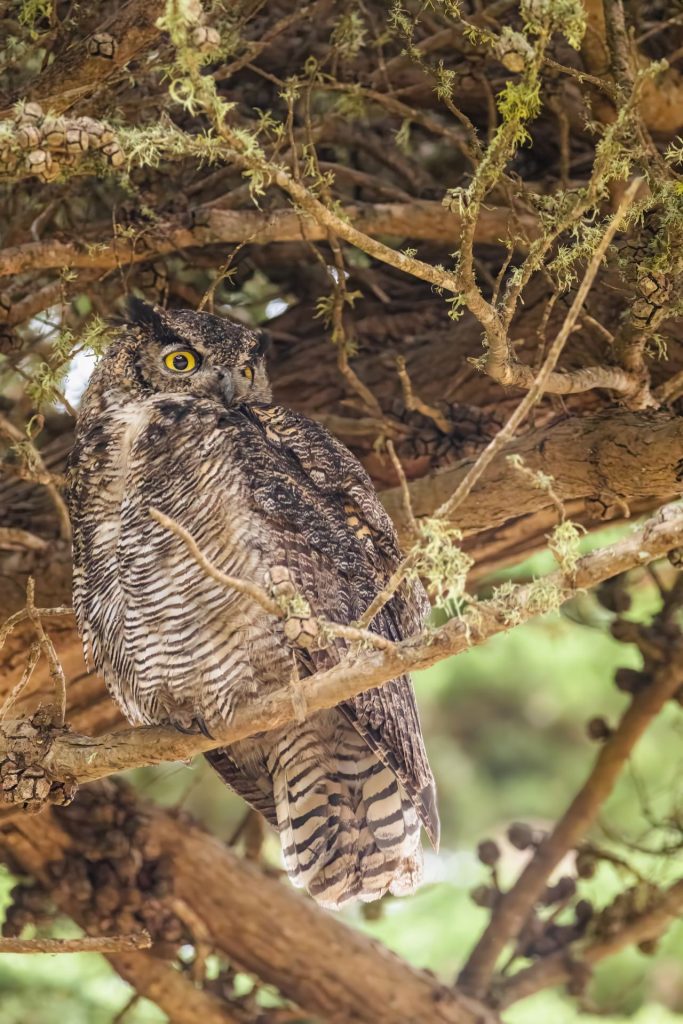
A rescue that began with two concerned drivers soon became a group effort when another motorist stopped to find out what was happening. The man, identified as Brandon, worked as a shift manager at Lucky’s and had protective gloves in his vehicle. Those gloves were important because a frightened great horned owl can defend itself with powerful talons and a sharp beak, even when people are trying to help. Brandon joined Scott Jacobs at the fence, and the two men carefully approached the trapped bird while Sharon continued trying to keep it calm. They also discovered that Brandon had wire cutters, precisely the tool they needed to free the owl without pulling it painfully through the barbed wire. Scott and Brandon worked methodically, easing the bird out of the tangled fence rather than attempting to force it loose. Once one of the owl’s feet was freed, it placed its other foot on Scott’s gloved hand. Brandon then used his sweatshirt to help cover and secure the bird. His unexpected arrival provided both the protective equipment and practical tools that made the rescue possible.
The Property Owner Gave Permission to Cut the Fence
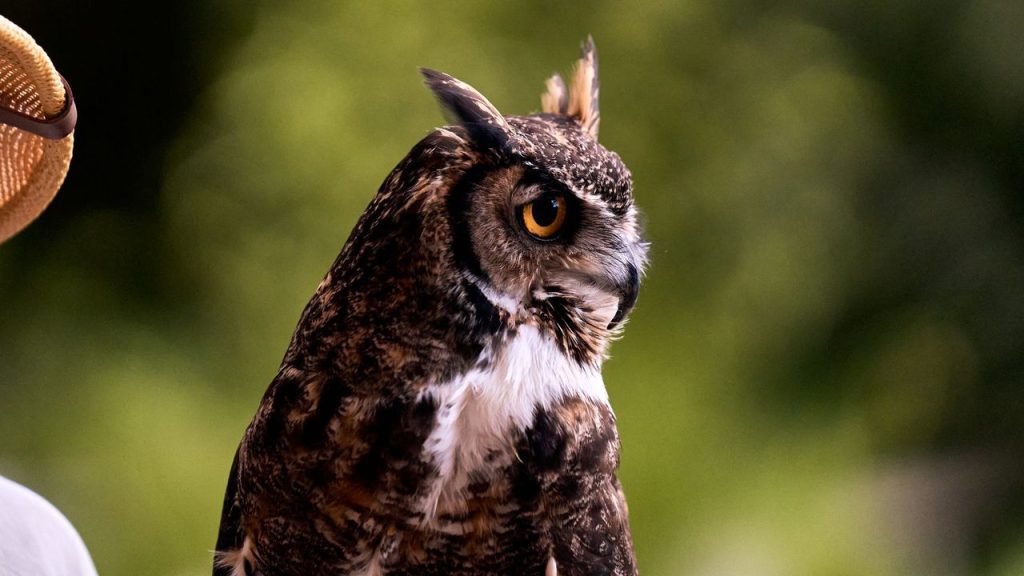
Freeing the owl required more than finding the right tools because the barbed wire belonged to someone else’s property. As the rescuers assessed the situation, the property owner’s daughter arrived at the scene. Sharon approached her and explained that they needed to cut the fence to release the trapped bird. The daughter called her father to ask for permission, and he agreed that they could cut the wire. That quick decision removed a potential obstacle and allowed Scott and Brandon to focus on the immediate task of freeing the owl. Barbed wire can be difficult to untangle safely because its sharp points can catch feathers, skin, and wings, while sudden movements may pull the injured animal deeper into the fence. Cutting the wire at carefully chosen points reduced the need to manipulate the bird unnecessarily. The owner’s cooperation was another important link in the rescue, showing how a small act of understanding can make a difference when an animal is in danger. With permission secured and the necessary tools available, the rescuers were able to remove the owl from the fence and move on to getting it medical attention.
A Veterinarian Removed Embedded Wire and Stabilized the Owl
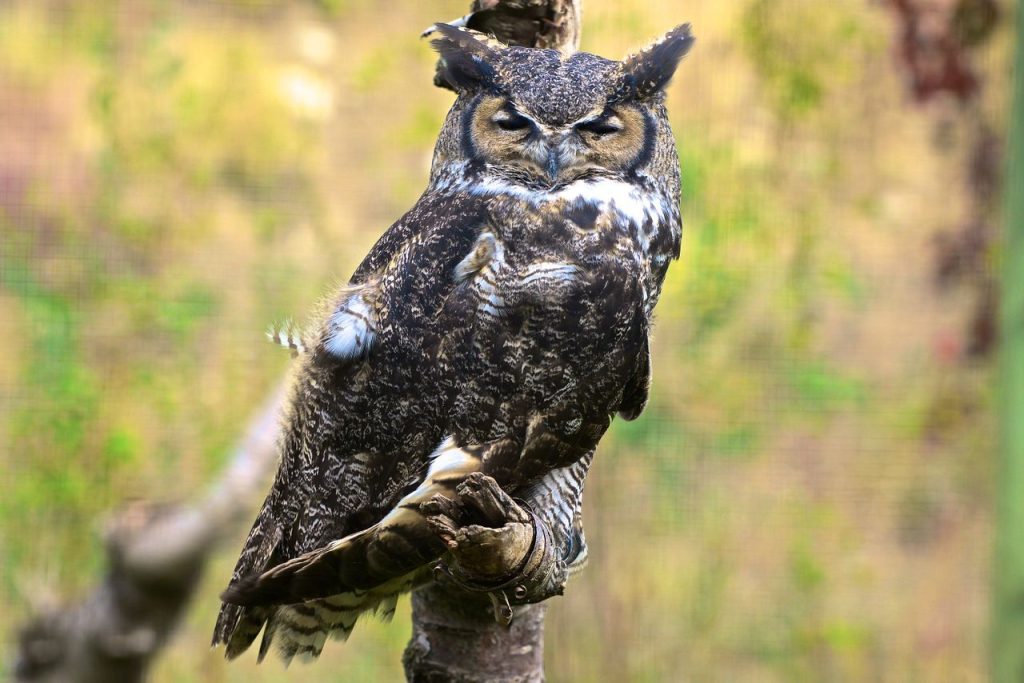
Getting the owl away from the fence was only the first stage of its recovery. Sharon Jacobs contacted her veterinarian, who agreed to meet them at his office and examine the bird. The rescuers transported the owl in a small animal cage, allowing them to move it without repeatedly handling its injured body. During the examination, the veterinarian removed a piece of barbed wire approximately a foot long, with blood visible on two of the barbs. Despite the frightening injury, the owl appeared to have escaped broken bones. The veterinarian believed that the bird may initially have collided with or become caught on the fence before struggling and twisting itself further into the wire. Such movement can worsen wounds, particularly around the wings, where damage may interfere with flight. The examination gave the rescuers a clearer picture of the injury and allowed the owl to receive immediate medical attention. Although the absence of broken bones was encouraging, the bird still needed specialized care to manage pain, prevent infection, and determine whether its wing could heal well enough for it to return to the wild.
The Black Hills Raptor Center Gave the Owl a Chance to Recover
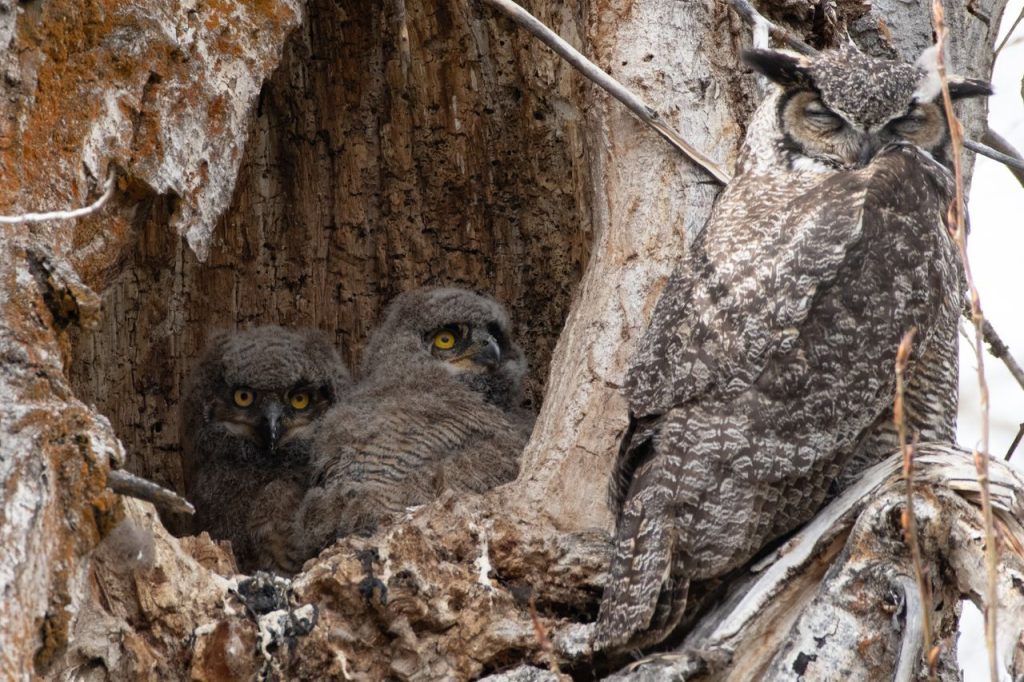
For an injured bird of prey, survival depends on more than escaping the immediate danger. The owl was eventually transferred to the Black Hills Raptor Center, a South Dakota organization dedicated to the conservation, rehabilitation, and care of native birds of prey. There, the team assessed the injury and began treatment that included pain medication and antibiotics. One especially encouraging finding was that the bird’s patagium, the flexible membrane along the leading edge of the wing, had not been torn. This structure helps a bird control airflow over its wing and is important for flight. Damage to it can make rehabilitation and release much more difficult, so its apparent survival gave the team reason for cautious optimism. The center’s executive director, Maggie Engler, described the owl’s survival as remarkable given the severity of the entanglement. However, a promising early examination does not guarantee a full recovery. The bird must heal properly, regain the ability to fly, and demonstrate that it can function safely in the wild before release can be considered. Specialized rehabilitation gives it a better chance of meeting those requirements.