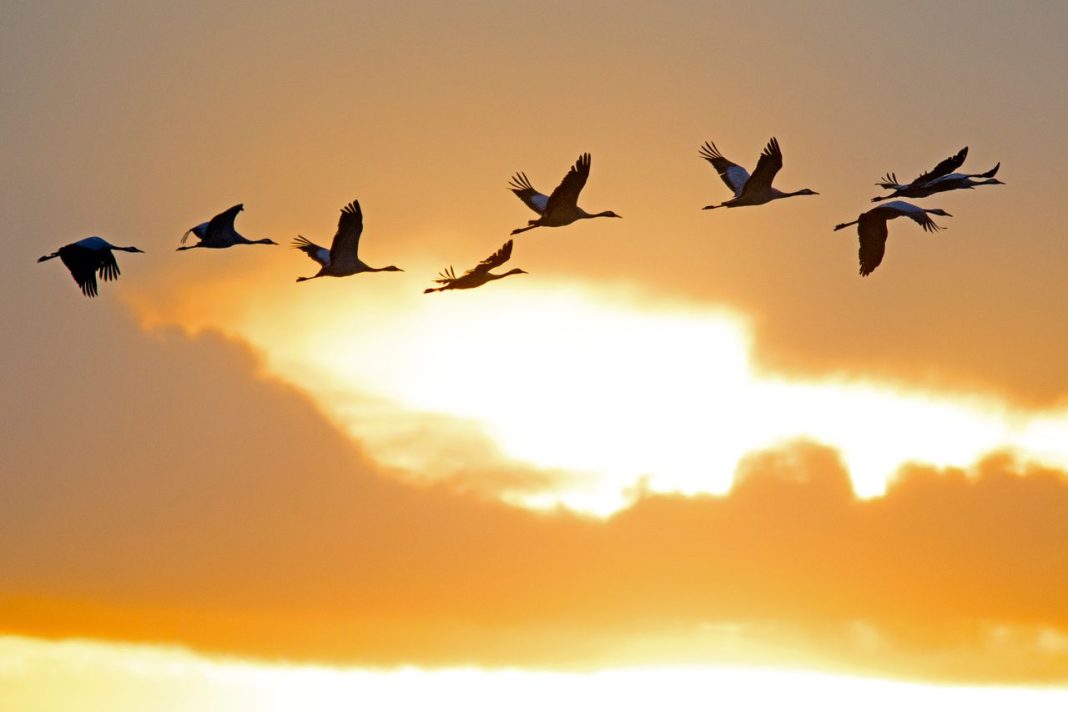

Minnesota’s fall bird migration doesn’t end when the leaves turn brown or the first cold snap arrives. Late October can still bring impressive flocks of waterfowl, soaring raptors, and other seasonal visitors to the state’s rivers, wetlands, and wildlife refuges. From the Mississippi River Valley to the shores of Lake Superior, several destinations offer opportunities to watch birds resting, feeding, and continuing their journeys south. Whether you’re an experienced birder or simply enjoy spotting wildlife outdoors, these six Minnesota locations are worth considering before the migration season winds down.
Weaver Bottoms, Mississippi River Valley
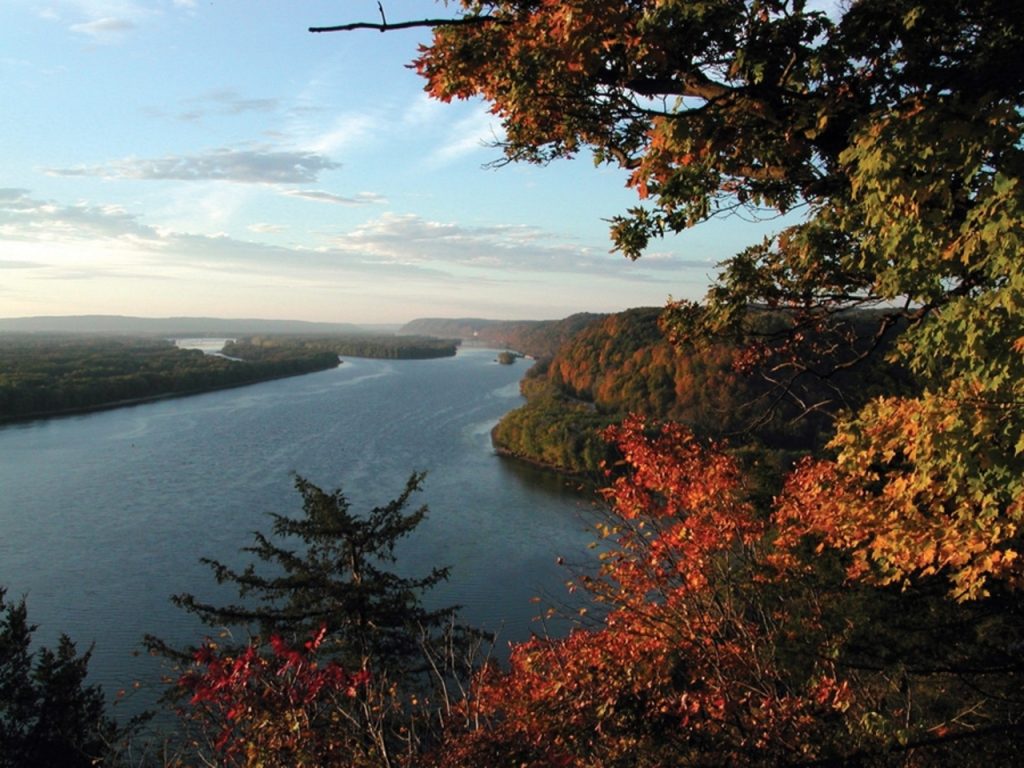
Late October can bring an impressive gathering of waterfowl to the Mississippi River Valley, making Weaver Bottoms a worthwhile stop for birdwatchers who want to catch the tail end of fall migration. The back channels near Weaver are particularly notable for tundra swans, which gather here from mid-October into November. Their arrival means that migration activity can continue well after many familiar summer birds have headed south. The wider Mississippi River corridor also serves as a major route for migrating birds, offering opportunities to spot different species moving through the region. For the best experience, explore suitable viewing areas along the river and keep an eye on sheltered waterways where birds can rest and feed.
Hawk Ridge Observatory, Duluth
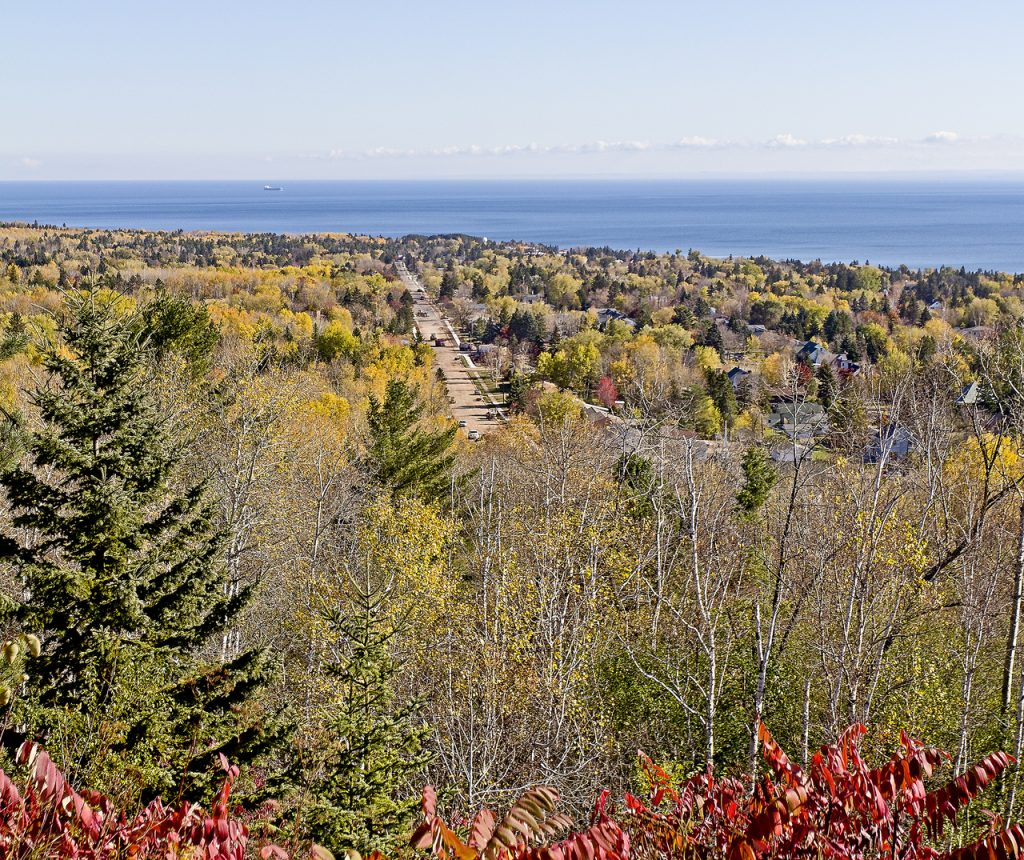
Few Minnesota birding destinations offer the same combination of elevated views and migrating birds as Hawk Ridge in Duluth. Perched above Lake Superior, this well-known observation site takes advantage of the natural routes birds follow along the shoreline. Although the largest flights of broad-winged hawks generally occur earlier in the fall, October remains a rewarding month for watching migrating raptors, including bald eagles, golden eagles, red-tailed hawks, and northern goshawks. Weather plays an important role in what visitors see, with winds from the west or northwest generally creating better conditions for substantial flights. For a productive visit, aim for the middle of the day, when raptor activity is often strongest. The observatory’s migration count continues through November 30, weather permitting, so late October is still within the regular fall-watching season.
Sherburne National Wildlife Refuge, Zimmerman
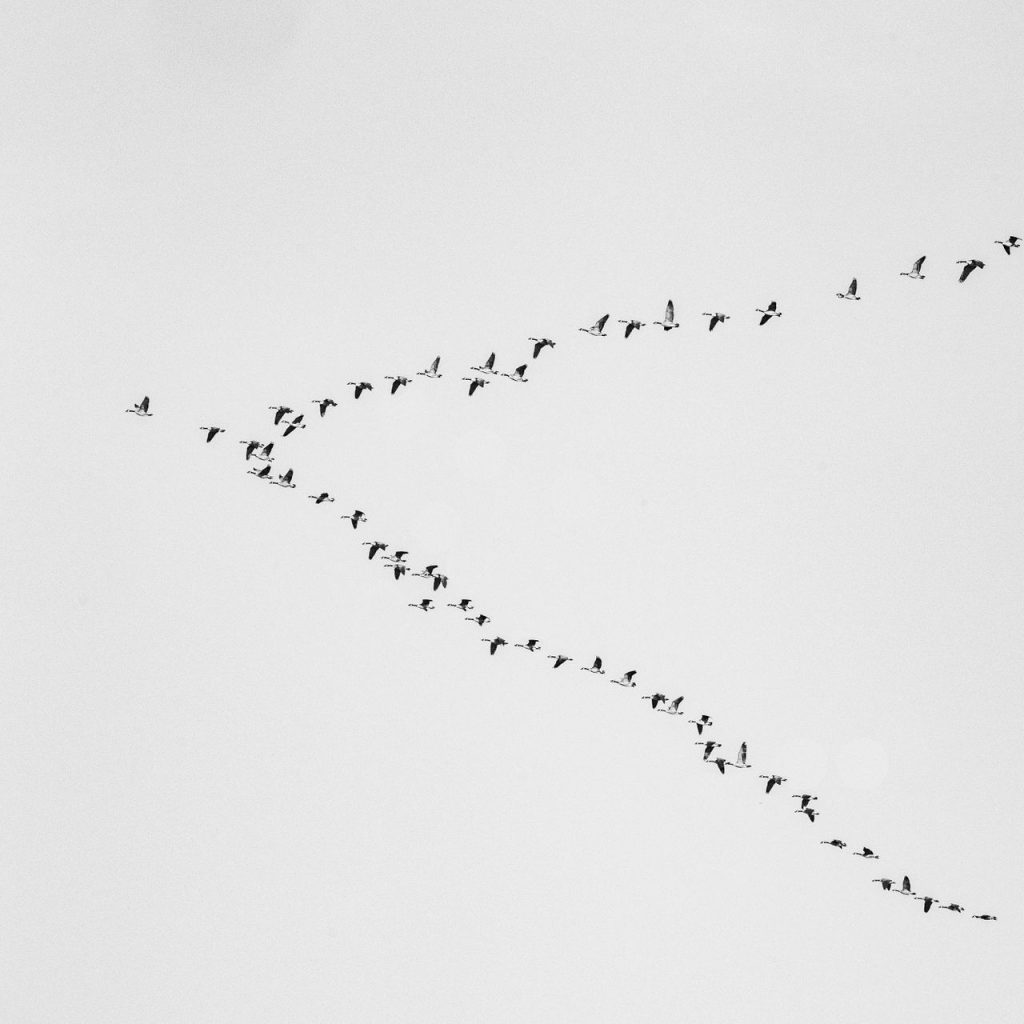
If the sound of thousands of birds rising into the morning sky appeals to you, Sherburne National Wildlife Refuge deserves a place on your late-October birding list. Located north of the Twin Cities, the refuge contains extensive wetlands, prairie, and oak savanna that provide important habitat for migrating birds. Sandhill cranes are a major attraction during autumn, gathering in large numbers before continuing their journey south. September and October are especially good months to look for these tall, distinctive birds, and the last two weeks of October are often particularly productive for viewing staging flocks. Visitors can explore the refuge’s Prairie’s Edge Wildlife Drive or watch for activity around its wetlands. Crane numbers and viewing opportunities vary with water levels and weather, so checking recent refuge updates before setting out can help you choose the best time to visit.
Agassiz National Wildlife Refuge, Northwestern Minnesota
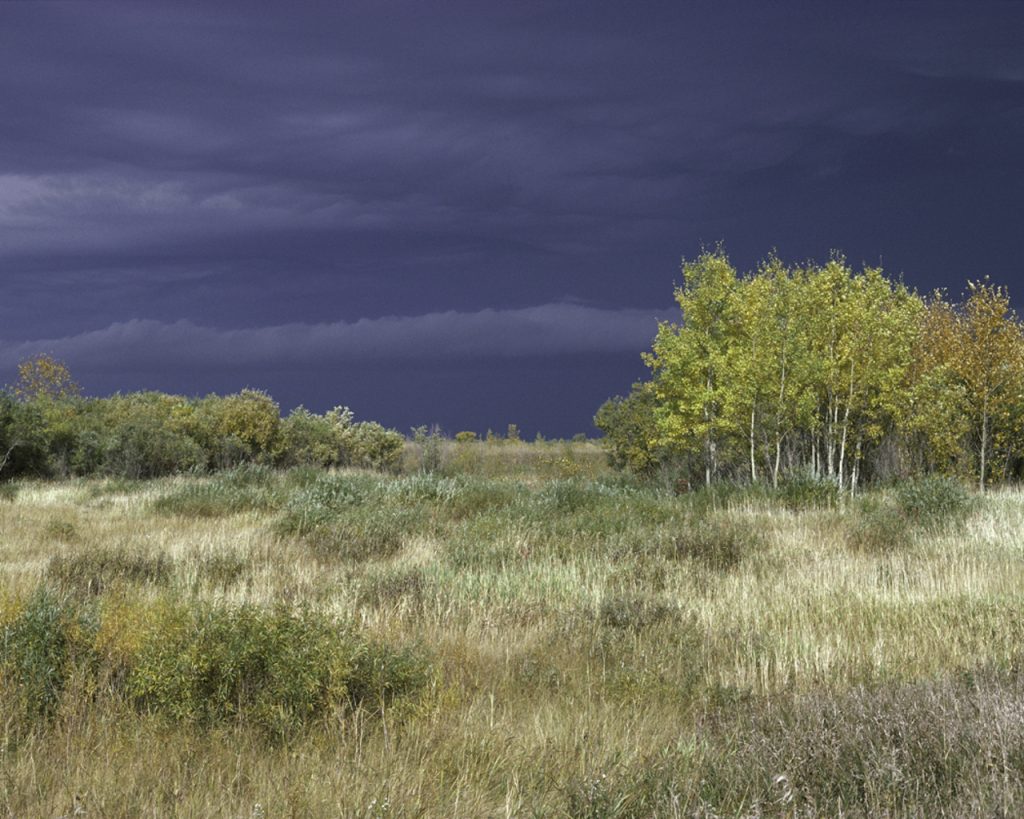
For birdwatchers who prefer expansive wetlands and a quieter setting, Agassiz National Wildlife Refuge offers a different kind of fall migration experience. This refuge in northwestern Minnesota protects approximately 61,500 acres of diverse habitat, including sedge meadows and coniferous bogs. Its wetlands attract large concentrations of waterfowl during autumn, with peak populations of ducks and Canada geese typically occurring from late September through October. Sandhill cranes also pass through the area during their fall migration, although their main viewing window generally falls between late September and early October. By late October, visitors may still find migrating waterfowl gathering on the refuge’s waters, depending on conditions. A four-mile auto tour provides a convenient way to explore the landscape and look for birds without covering the entire refuge on foot. Bring binoculars and allow time to scan the wetlands carefully, as bird activity can vary across the property.
Big Stone Lake and Lac qui Parle State Parks, Western Minnesota
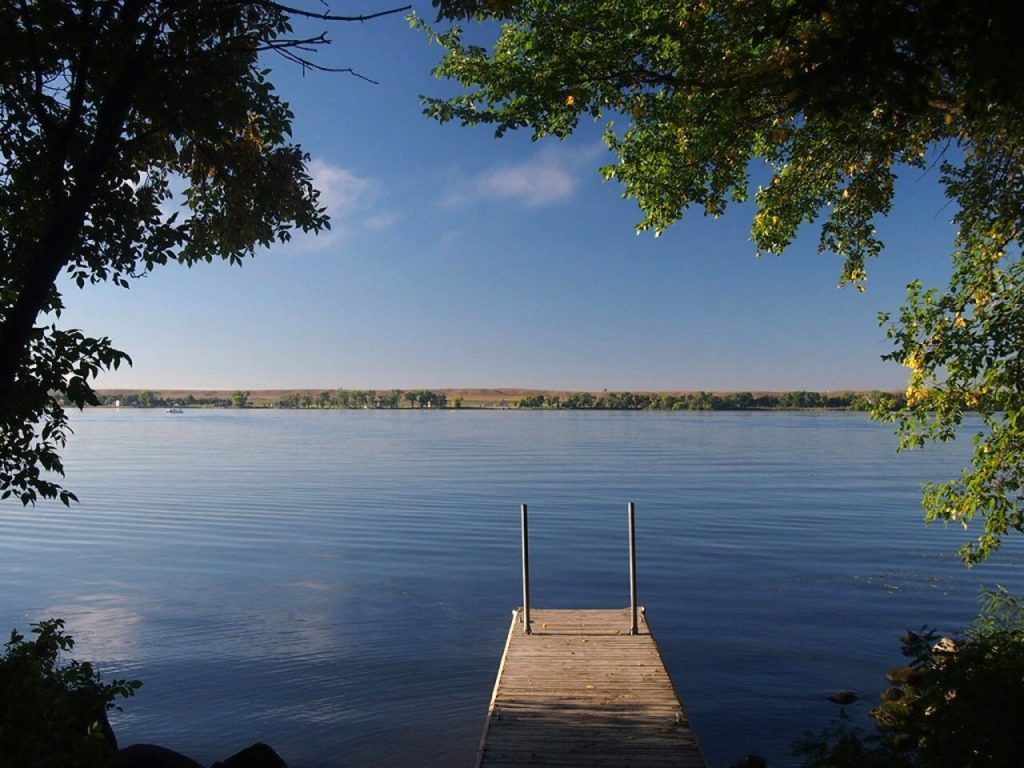
Western Minnesota offers some of the state’s most memorable fall birdwatching, particularly where Big Stone Lake and Lac qui Parle meet the Minnesota River landscape. These waters attract large numbers of migrating waterfowl as birds leave prairie wetlands farther northwest and move south for the winter. Depending on the timing and conditions, visitors may encounter ducks, geese, American white pelicans, and shorebirds such as avocets. The name Lac qui Parle means the lake that speaks, a fitting description when large flocks gather and fill the area with calls. Late October can still offer opportunities to observe waterfowl moving through the region, although numbers and species vary as the season advances. Exploring the lakeshores and suitable viewing areas around the parks gives birdwatchers a chance to scan open water for resting flocks. The broad landscape also makes it easier to notice large groups arriving or departing together.
Minnesota Valley National Wildlife Refuge, Bloomington
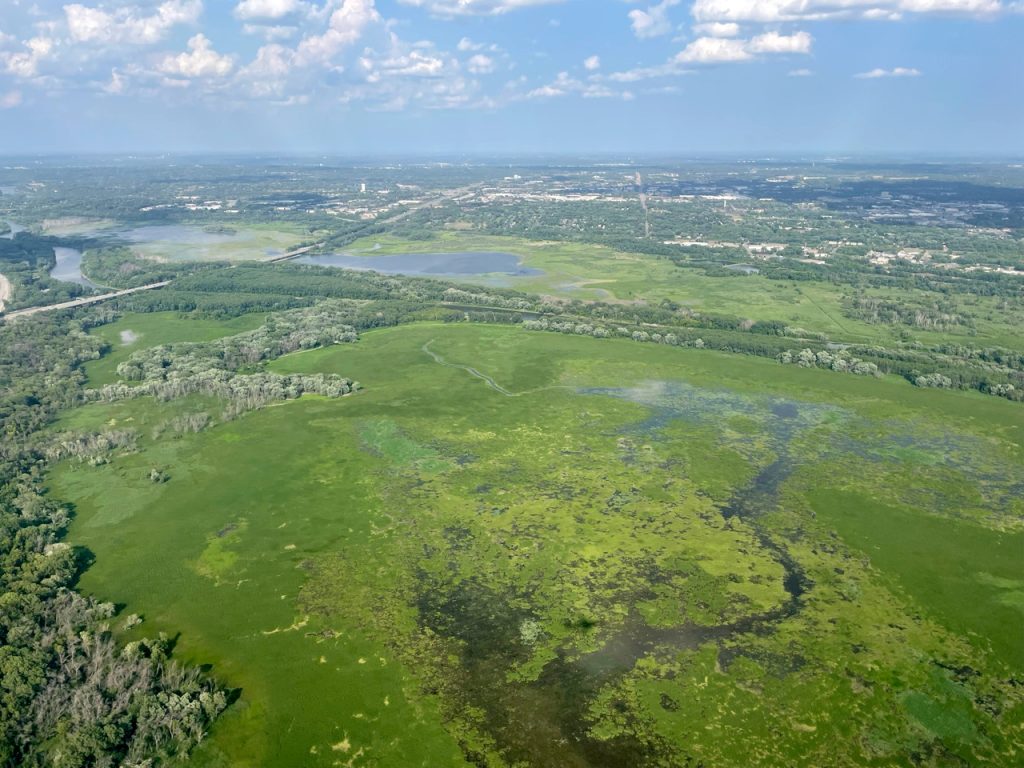
You don’t have to travel far from the Twin Cities to find rewarding birdwatching during fall migration. The Minnesota Valley National Wildlife Refuge near Bloomington protects wetlands, wooded areas, and floodplain habitats along the Minnesota River, creating a valuable stopover for birds moving through the region. The Long Meadow Lake Unit offers trails and guided hikes, while the visitor center provides information about the refuge’s natural environment. Birdwatchers can explore areas near Bass Ponds and the Old Cedar Avenue Bridge, where waterfowl and other birds may be seen using the wetlands and surrounding habitat. Some colorful warblers associated with the refuge are more commonly encountered during spring and earlier migration periods, so late October visits are better approached with an open mind about which species might appear. Waterfowl and other late-season visitors can make the trip worthwhile, particularly when the weather remains favorable. Before heading out, check trail conditions and recent sightings to help identify the most promising places to look.