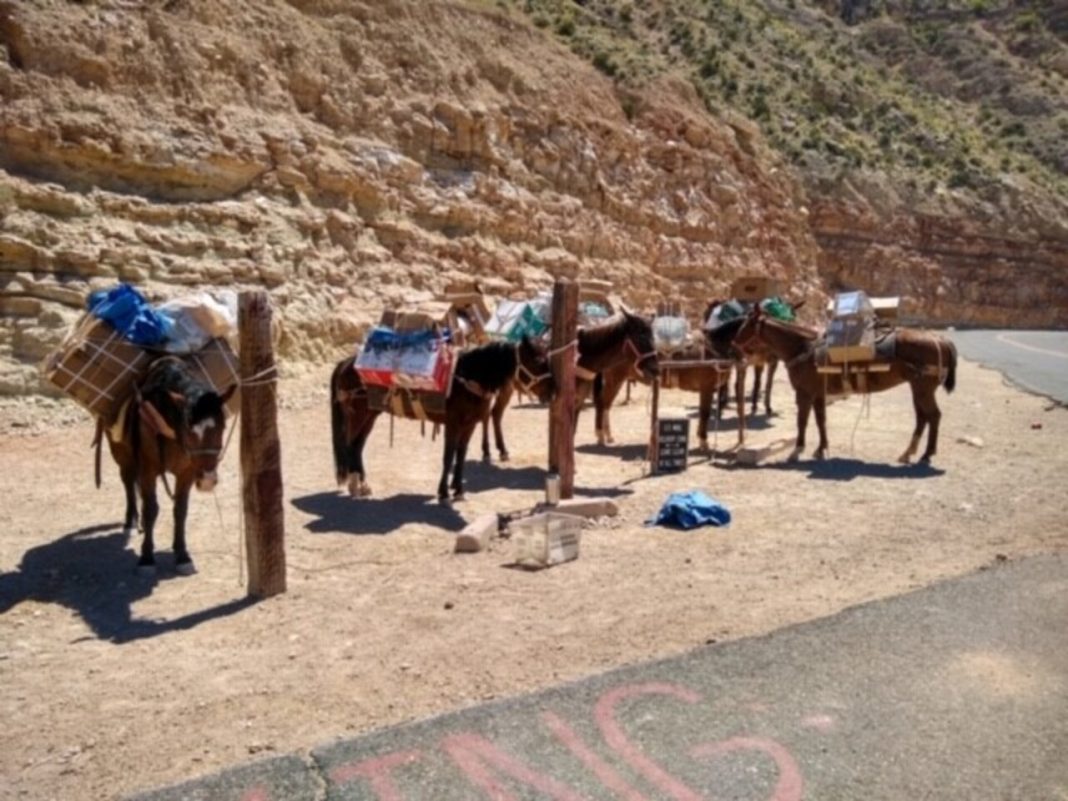

Delivering mail across the United States can involve far more than trucks pulling up to roadside mailboxes. In some places, geography makes traditional delivery methods impractical, forcing postal workers to rely on mules, boats, bicycles, and even their own two feet. From the remote Havasupai community deep inside Arizona’s Grand Canyon to passing cargo ships on the Detroit River, these unusual routes show how the U.S. Postal Service adapts to challenging landscapes and unique living conditions. Each route has its own story, revealing how a centuries-old service continues to connect people in places where ordinary mail delivery simply would not work.
The Mule Train Route Serving Supai, Arizona
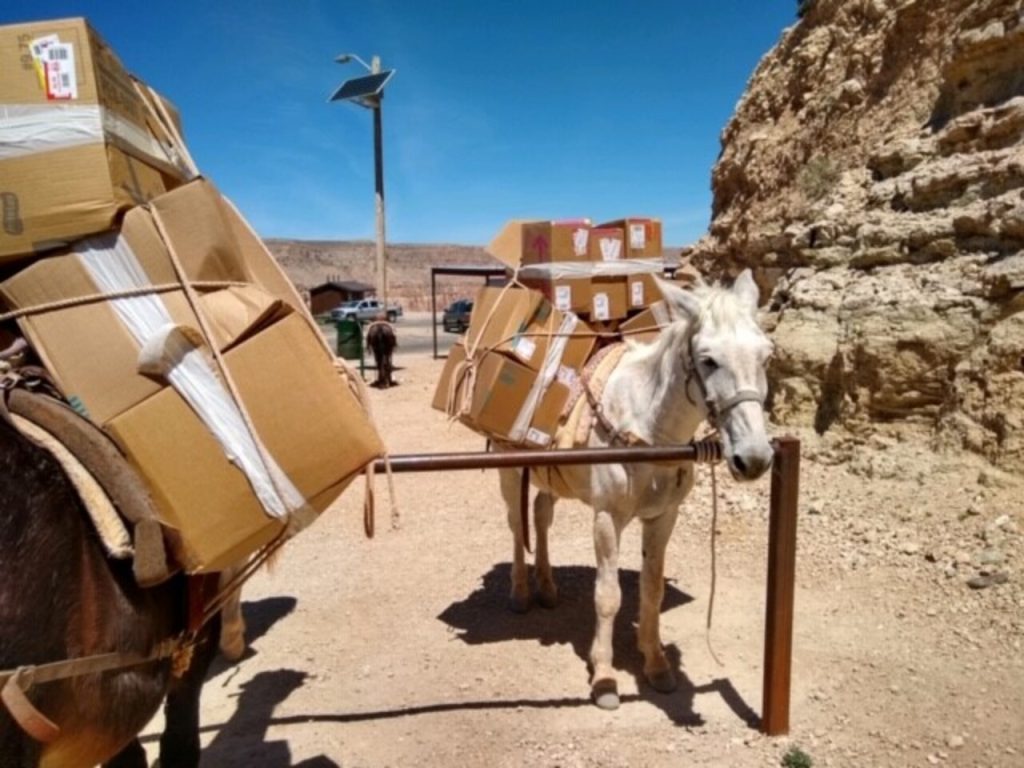
Deep inside the Grand Canyon, delivering mail requires patience, sure-footed animals, and a willingness to tackle rugged terrain. Since the 1930s, mule trains have carried mail, food, and other supplies to the Havasupai community in Supai, Arizona, where conventional vehicle access is not available. According to the U.S. Postal Service, a typical delivery involves between 10 and 22 mules accompanied by a wrangler on horseback. The animals travel roughly nine miles into the canyon to reach the Supai Post Office, a journey that takes about three hours downhill and five hours on the return trip. Each mule can carry up to 200 pounds, with its load balanced across both sides. This long-running delivery method demonstrates how postal workers adapt to difficult geography to maintain connections with remote communities.
The Magnolia River Dock-to-Dock Route in Alabama
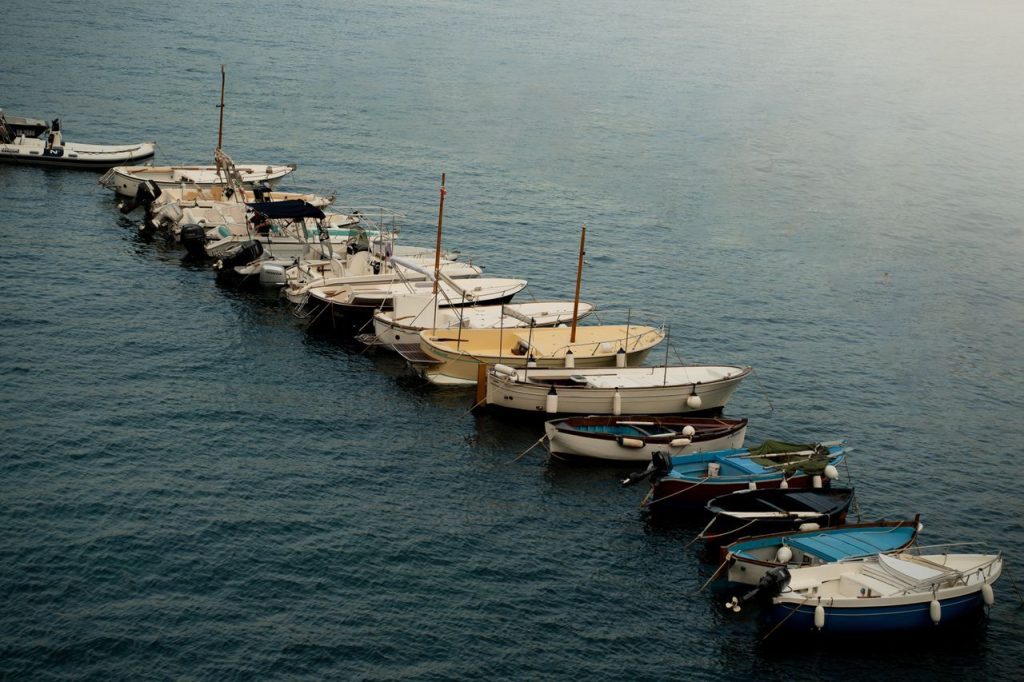
For some Alabama residents, the most convenient place to receive mail is right beside the water. Along the Magnolia River, the U.S. Postal Service’s only dock-to-dock delivery route uses a 15-foot contract mailboat to serve 176 dockside mailboxes spread across a 31-mile stretch of river. Rather than stopping at roadside mailboxes, the boat operator navigates the river and delivers mail directly to designated locations along the banks. The route reflects the area’s waterfront geography, where private docks provide practical access to homes and properties. It also shows how the postal system can adapt its delivery methods to the way people live. Although the boat is small, its job is substantial: keeping residents connected to the same mail service enjoyed by people whose homes are accessible by conventional roads.
The Detroit River Mail Boat Serving Passing Ships
Most people expect mail to arrive at a house, apartment, or business, but on the Detroit River, a postal delivery can involve meeting a moving cargo ship. The J.W. Westcott II is a 45-foot contract mailboat based in Detroit that delivers mail to vessels traveling along this busy international waterway. Instead of waiting for ships to dock, the crew brings mail directly to passing vessels, helping crews receive correspondence while continuing their journeys. The service has a particularly distinctive feature: its own ZIP Code, 48222. The Detroit River forms part of the boundary between the United States and Canada and carries substantial commercial shipping traffic, making reliable communication important for maritime crews. The J.W. Westcott demonstrates how postal delivery can extend beyond land-based addresses to serve people working aboard ships.
The Point Roberts Post Office Route That Relies on Water or Air Access
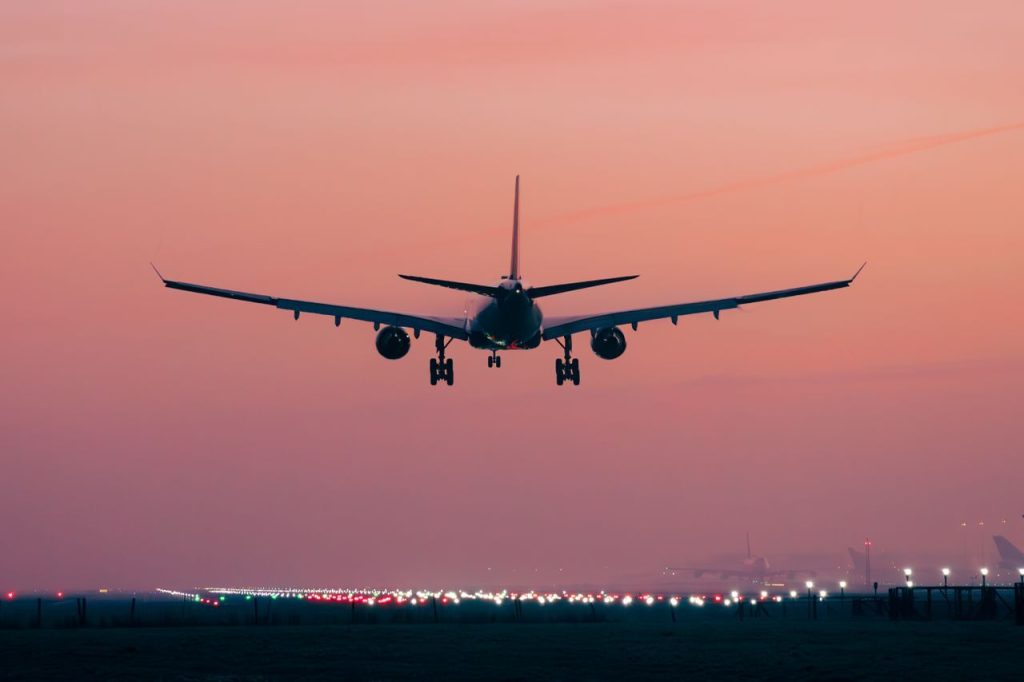
Geography creates an unusual challenge for postal services in Point Roberts, Washington, a small American community situated on a peninsula that is separated from the rest of the contiguous United States by Canadian territory. Reaching the area by car from elsewhere in Washington requires traveling through British Columbia and crossing the international border. The U.S. Postal Service notes that a boat or floatplane can reach the local post office directly without making that land journey. This arrangement makes Point Roberts an interesting example of how national borders and natural geography can shape everyday logistics. The community remains part of the United States, but its position on the map means that a routine trip involving mail can require more planning than it would in most American towns. Water and air access offer alternatives to the longer road journey through Canada.
The Foot-Only Delivery Routes Served by Thousands of Carriers

Not every mail route requires an engine, wheels, or even an animal to carry the carrier from one address to another. The U.S. Postal Service reports that approximately 6,100 carriers deliver mail entirely on foot, making walking a significant part of its delivery network. These routes allow carriers to move between homes and businesses without relying on a vehicle for each stop. Walking can be particularly practical in neighborhoods with closely spaced addresses, pedestrian paths, and limited parking. It also allows carriers to navigate areas where driving from one mailbox to the next would be less convenient. Although foot delivery may look simple compared with a mule train or mailboat, it still requires careful route planning, physical stamina, and the ability to manage a day’s mail load. These carriers show that one of the postal service’s most dependable delivery methods remains remarkably straightforward.
The Bicycle Delivery Routes Operating in Arizona and Florida
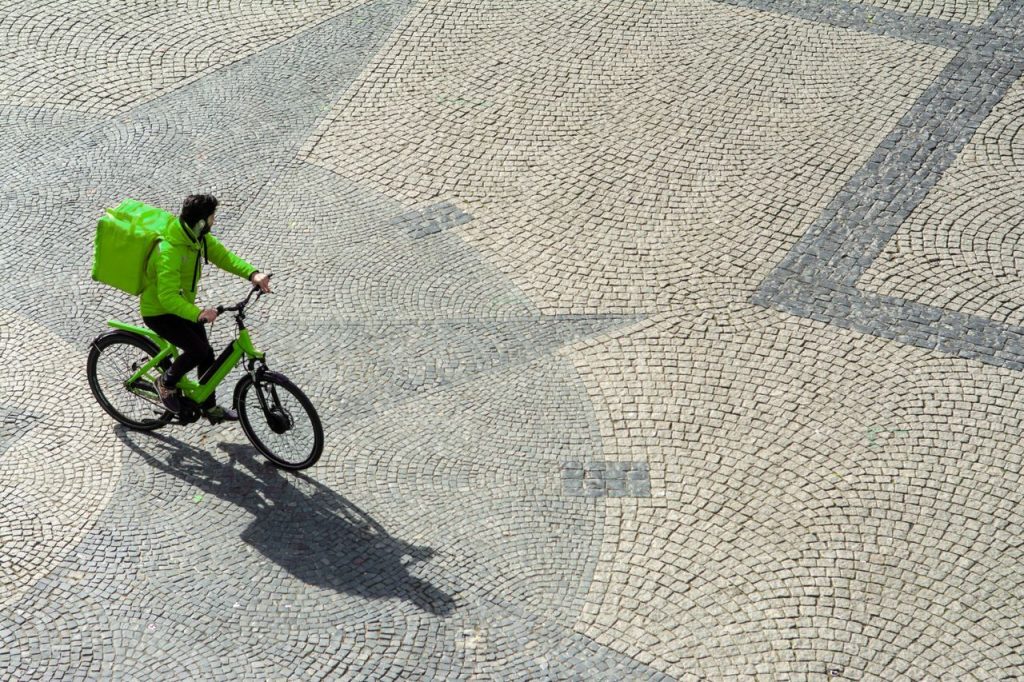
In parts of Arizona and Florida, postal carriers use bicycles to complete routes that do not always require a motor vehicle. The U.S. Postal Service identifies bicycle delivery as a way to reduce fuel use and emissions while maintaining service to local communities. Its published figures have varied across reporting periods, so the precise number of active routes depends on the date of the information being cited. The underlying approach, however, remains the same: bicycles provide a practical option where distances, road conditions, and delivery patterns make them suitable. Compared with motor vehicles, bicycles require no gasoline and can be easier to maneuver through certain neighborhoods. They also demand physical effort from carriers, who must balance their mail loads with the need to ride safely. This delivery method is a reminder that modern postal operations do not rely on one type of transport. They combine different options to suit local needs.