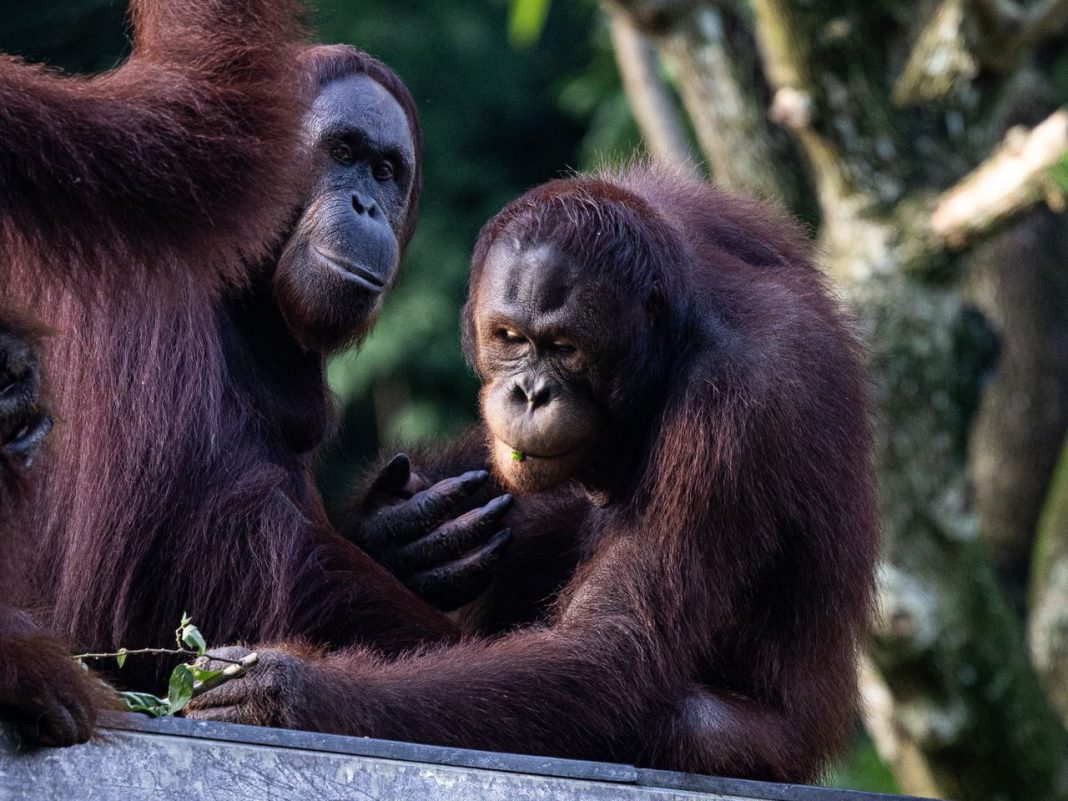

Could the sound of laughter influence what an orangutan chooses to eat? A new study suggests it might. Researchers found that orangutans were more likely to choose food associated with recordings of other orangutans playing and laughing, raising intriguing questions about how emotions shape animal behavior. The findings offer a fresh perspective on the relationship between positive experiences, memory, and decision-making in our closest primate relatives. Although the experiment involved only six orangutans, its results could help scientists better understand how emotional experiences influence learning in animals and potentially shed light on similar processes in humans.
Orangutans Preferred Food Associated With the Sound of Laughter
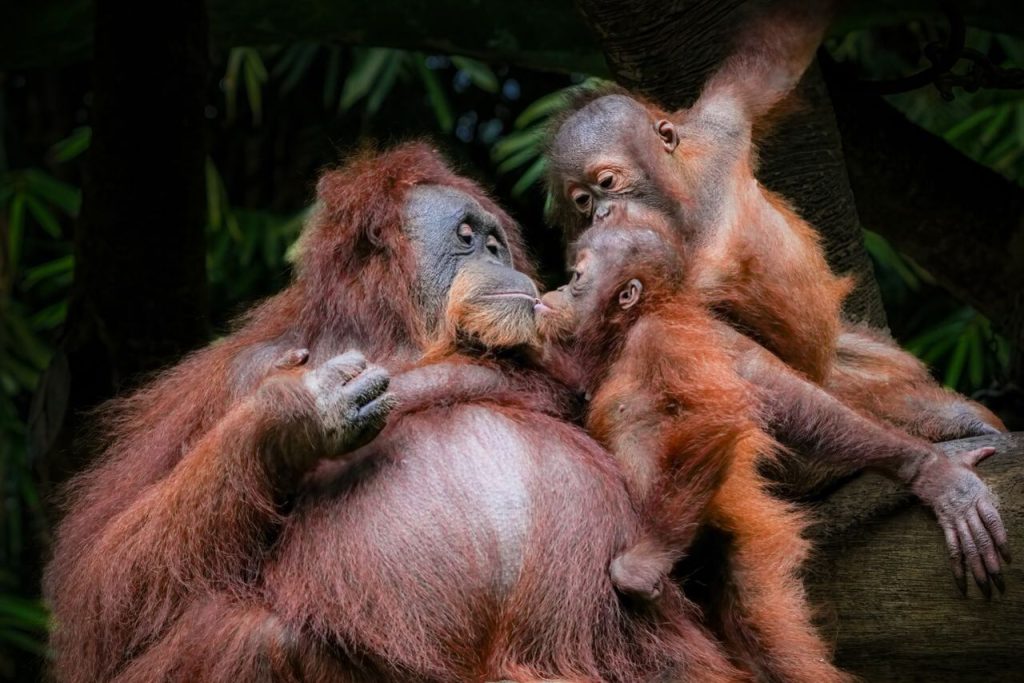
A cheerful sound may have a greater influence on food choices than researchers once realized. In a study published in the journal Biology Letters, researchers found that orangutans generally preferred food hidden beneath materials previously associated with recordings of other orangutans playing and laughing. The experiment involved six captive orangutans at two zoological institutions. Researchers first trained the animals to find treats, including nuts, hidden beneath different materials. During the learning phase, they played either recordings of orangutans laughing during play or environmental sounds, such as wind. Later, when both options contained food, the animals generally favored the option linked to laughter. This suggests that the sounds heard during an experience may influence how an animal evaluates it afterward. However, the experiment did not establish that the orangutans consciously understood the laughter as happiness. Instead, the results point to a possible connection between emotional context, learning, and subsequent food preferences.
Four of the Six Orangutans Showed a Clear Preference for the Laughter-Linked Option
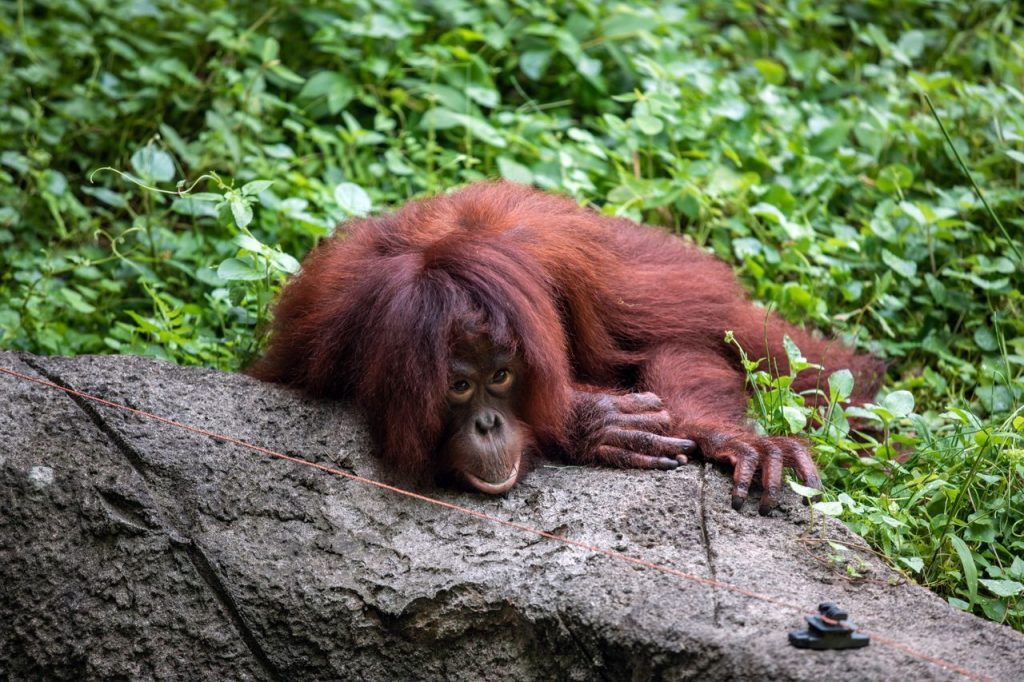
The individual results offer an important clue about how emotional experiences might shape an animal’s choices. Of the six orangutans involved in the experiment, four displayed a clear preference for the food option associated with laughter. Across repeated trials, the animals were more likely to select the material linked to the recordings of other orangutans playing than the material associated with environmental sounds. The researchers used repeated observations to examine whether this preference persisted beyond the original learning experience. The findings are intriguing because the food rewards themselves were available under both options during the final test. This meant the animals were not simply choosing between a bowl containing food and one without it. Instead, their choices suggested that something about the earlier experience influenced their later decisions. Still, the sample was very small, and two animals did not show the same clear preference. Larger studies will be needed to determine how consistently this pattern occurs across orangutans and whether factors such as age, individual temperament, or previous experience affect the results.
Researchers Tested How Emotional Sounds Could Influence Food Choices
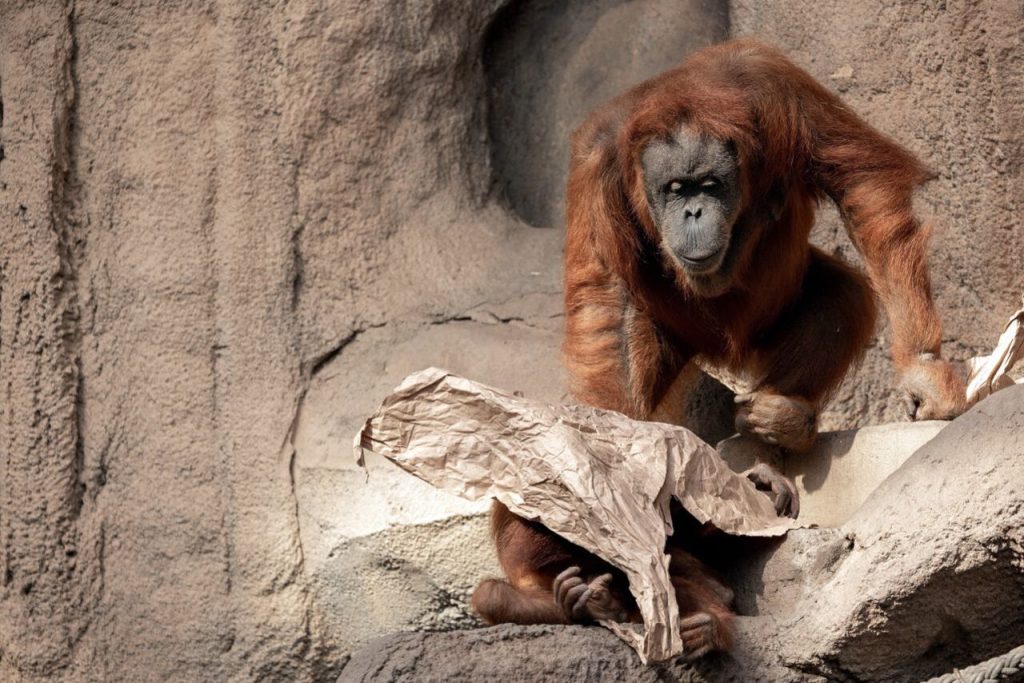
Rather than simply observing orangutans during play, the research team designed an experiment to examine whether sounds experienced during learning could influence later preferences. The six orangutans were trained to search for treats hidden beneath different materials, including substances such as sawdust and wooden pieces. During the learning phase, the researchers paired one material with recordings of orangutans laughing and playing, while another was associated with environmental sounds such as wind. The animals encountered these combinations over several days. On the fifth day, both materials concealed food, allowing researchers to observe which option the orangutans selected. The setup helped separate the immediate availability of food from the sounds that had accompanied earlier food-searching experiences. Because both options offered a reward during the final test, the researchers could investigate whether the animals had developed different preferences based on the surrounding context. The experiment provides evidence that the circumstances surrounding a reward may influence later choices, although it does not establish exactly how the sounds affected the animals’ emotional states or memories.
Hearing Other Orangutans Laugh May Create a More Positive Emotional State
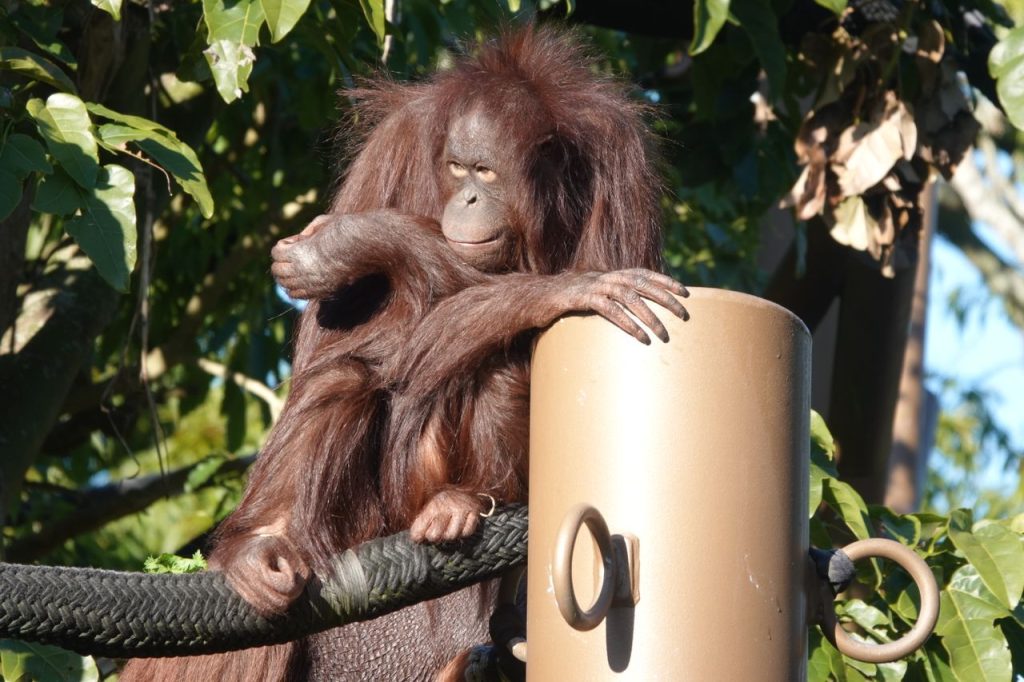
Laughter can communicate something about the atmosphere of a social interaction, and researchers believe it may have influenced the orangutans in this experiment. When the animals heard recordings of their peers playing and laughing, they may have experienced a more positive emotional state while searching for food. That feeling could have become associated with the material covering the treat, making the material more appealing when the animals encountered it again. This interpretation fits with broader research showing that emotions can influence learning and memory in humans and other animals. However, an important distinction remains: the researchers did not directly measure whether the laughter recordings made the orangutans feel happier. Their preference for the laughter-associated option is consistent with that explanation, but other mechanisms may also have contributed. For example, the sounds could have attracted attention or altered the animals’ behavior without producing the precise emotional response researchers suspect. Further experiments that measure behavior and emotional responses more directly could help clarify why the orangutans favored one option over the other.
Positive Emotions May Influence How Orangutans Learn and Remember Rewards
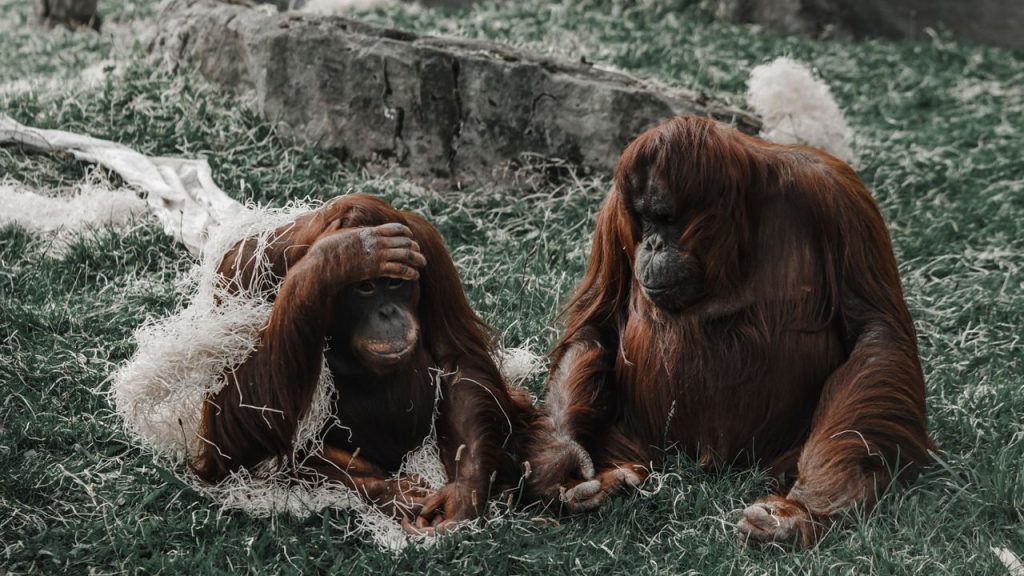
The findings add to growing scientific interest in how an animal’s internal state can shape its learning experiences. Food rewards are often studied in terms of their quantity, quality, or frequency, but this experiment suggests that the surrounding emotional context may also matter. If an orangutan encounters food while hearing sounds associated with positive social activity, it may later value that experience differently from an otherwise similar experience accompanied by ordinary environmental sounds. This could influence which options the animal chooses when it encounters them again. The study does not prove that the orangutans formed a conscious memory of being happy, nor does it establish precisely how long their preferences lasted. Instead, it suggests that emotional context may become part of the information an animal retains from an experience. Understanding this relationship could help researchers investigate how animals learn about rewards, respond to their surroundings, and make decisions. It may also be relevant to animal welfare, as positive social environments could influence how captive animals engage with enrichment activities and feeding opportunities.
The Findings Could Offer Clues About How Mood Influences Human Learning
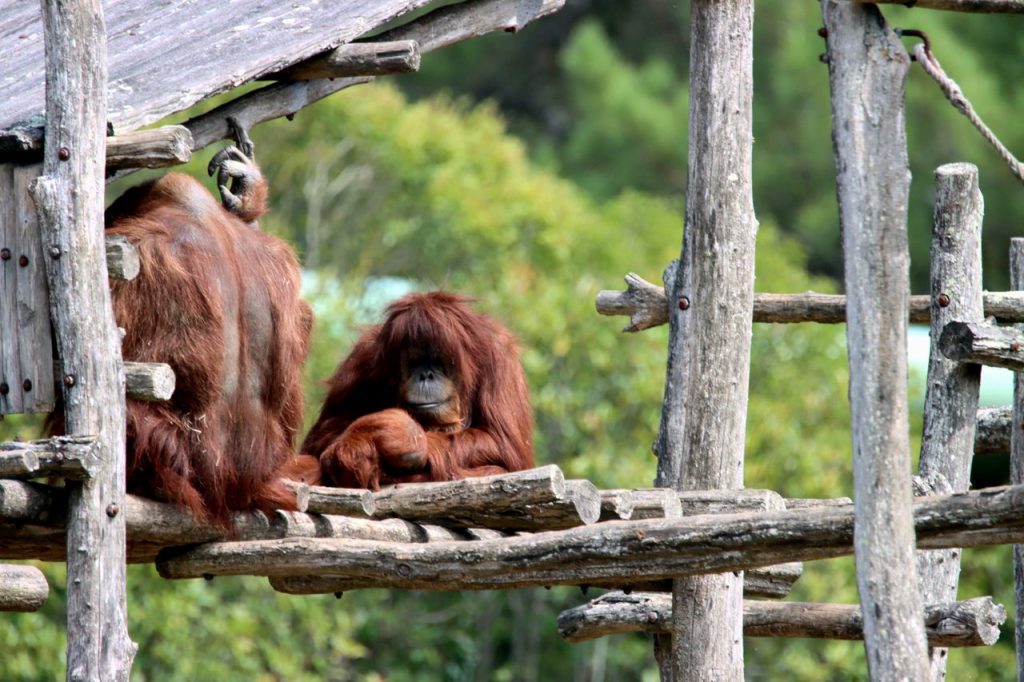
The study’s implications extend beyond orangutans because humans also connect experiences with the emotions they feel at the time. People may remember a lesson, a meal, or a social gathering more favorably when it occurs in an enjoyable environment. Researchers suggest that a similar process may help explain why the emotional atmosphere surrounding learning can influence how people value information later. In education, for example, a student who feels comfortable and engaged might develop a more favorable attitude toward a subject, even if their immediate learning performance is no better than it would be in a neutral mood. The orangutan experiment offers a possible evolutionary perspective on this relationship, suggesting that emotional influences on reward learning may have roots extending beyond humans. However, the results should not be treated as direct proof of how human students learn. The experiment involved only six orangutans and tested preferences for food-associated materials rather than classroom learning. Further research would be needed to determine how widely the findings apply across species and which aspects of emotional learning humans and other primates share.