
Some American diners feel as though time has stood still, preserving the chrome counters, vintage booths, old-fashioned soda fountains, and comforting meals that defined generations of roadside dining. Across the country, a handful of these historic establishments continue to welcome customers while holding on to the character that made them local landmarks. From a century-old Memphis restaurant to a tiny Maine diner with just 15 counter seats, these six destinations offer a glimpse into America’s dining past without sacrificing the experience of enjoying a good meal today.
Lexington Candy Shop and Luncheonette, New York City
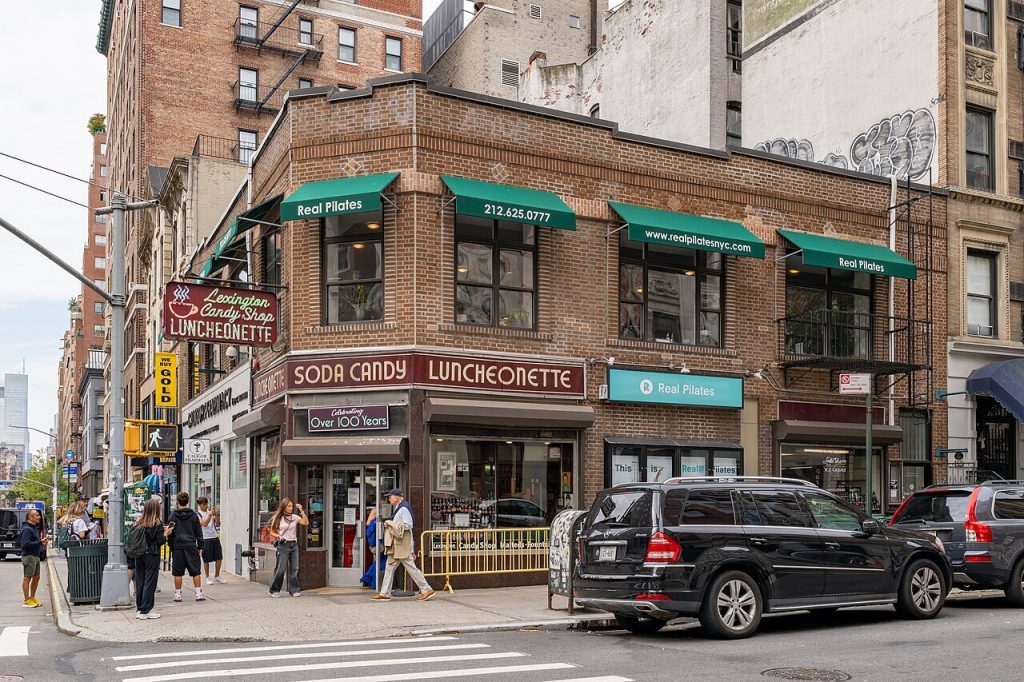
Step inside Lexington Candy Shop on Manhattan’s Upper East Side, and you’ll find a neighborhood institution that has preserved the charm of an earlier New York. Established in 1925, this family-run luncheonette has survived generations of changing restaurant trends while holding on to its traditional appearance and familiar menu. Leather booths, a long counter lined with swivel stools, and vintage fixtures give the space an unmistakably old-fashioned feel. The shop is particularly known for its classic milkshakes and old-school soda fountain drinks, prepared using traditional methods rather than modern shortcuts. Its hand-mixed sodas combine flavored syrup with soda water, while its milkshakes are made using vintage equipment. The menu features American comfort-food staples, including breakfast dishes and sandwiches, making it a place where the atmosphere and food share equal billing. Lexington Candy Shop is more than a nostalgic attraction for visitors. It remains a working neighborhood restaurant, serving locals alongside tourists who want to experience a style of New York dining that has largely disappeared from the city’s streets.
Arcade Restaurant, Memphis, Tennessee
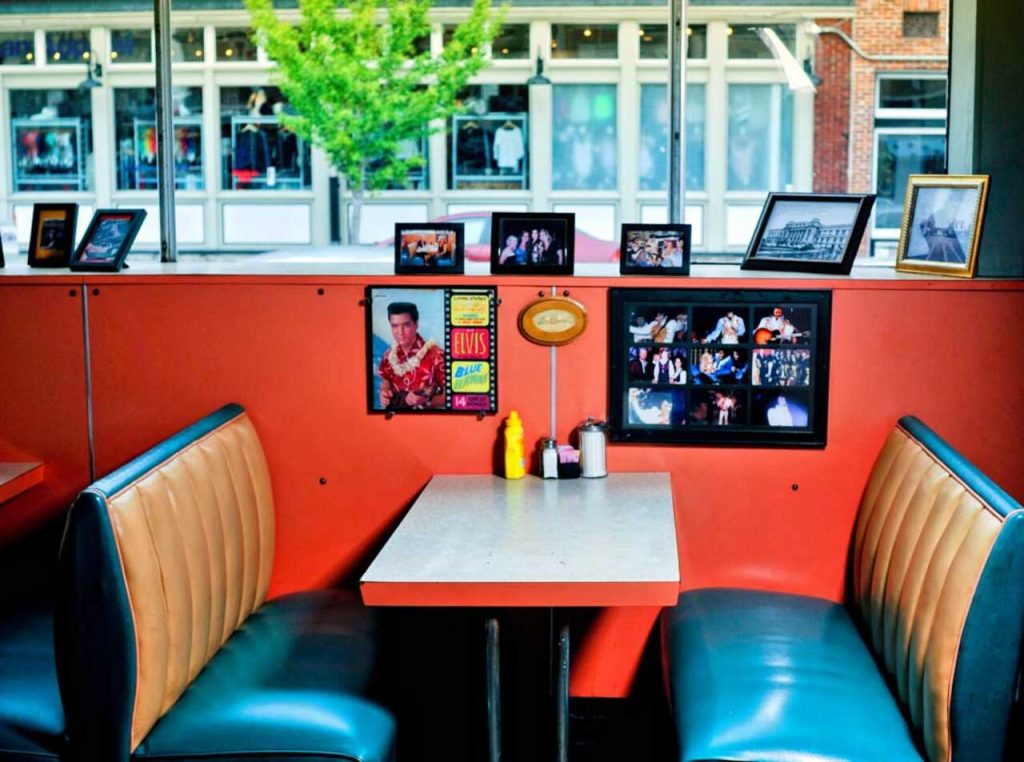
Some restaurants preserve the past through photographs and memorabilia, but Memphis’ Arcade Restaurant lets visitors experience history while sitting down for a meal. Founded in 1919 by Greek immigrant Speros Zepatos, it is widely recognized as Memphis’ oldest restaurant. The original wooden building was replaced in 1925 by the structure that helped establish the restaurant’s lasting presence in the city’s South Main Historic District. Its familiar midcentury diner appearance took shape in the 1950s under Zepatos’ son, Harry, who introduced the colorful tabletops, neon signage, and other details that remain central to its character. The Arcade has also become closely associated with Memphis’ film history, serving as a location for movies including The Firm, Walk the Line, and Mystery Train. Elvis Presley was reportedly a regular customer, adding to the restaurant’s local legend. Although the business has introduced newer menu items and expanded its facilities over the years, its vintage atmosphere remains a major draw. Visitors can enjoy traditional breakfast dishes in a setting that reflects more than a century of Memphis history.
MacAlpine’s Diner & Soda Fountain, Phoenix, Arizona
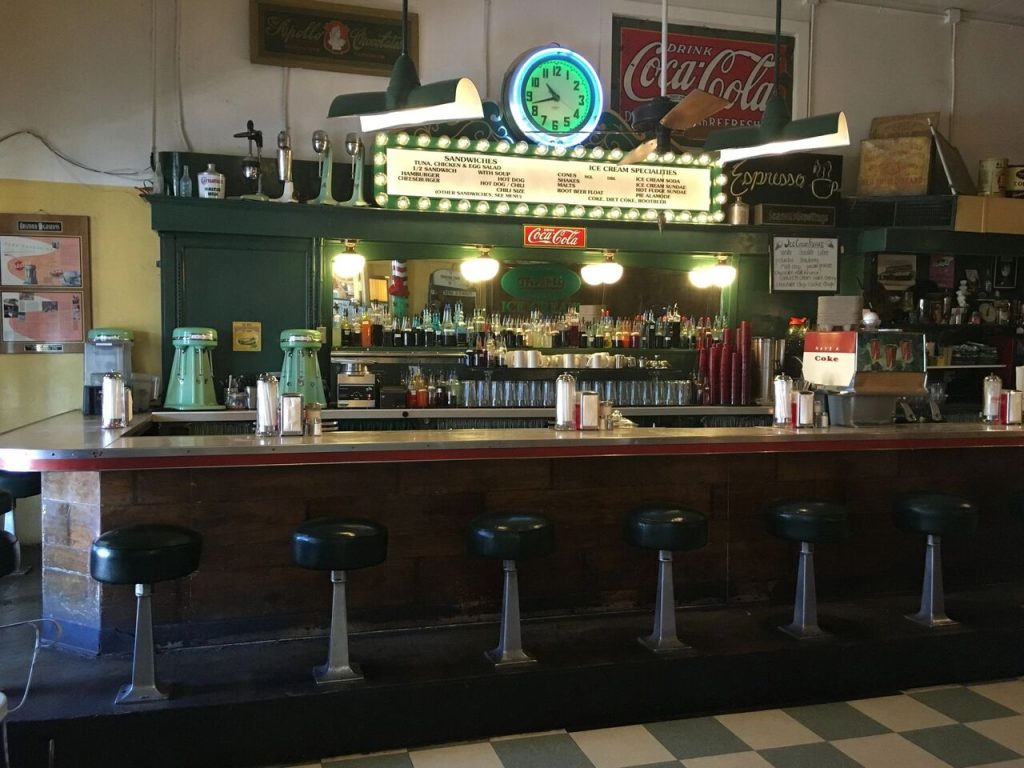
MacAlpine’s Diner & Soda Fountain offers a glimpse of Phoenix from a time when the city looked very different from the sprawling desert metropolis it is today. The establishment dates to 1929, when the location operated as Birch’s 7th Street Pharmacy before becoming the diner and soda fountain that generations of customers have come to know. Vintage Coca-Cola signs, old-fashioned furnishings, and jukeboxes help preserve the atmosphere of a traditional American lunch counter. Its appeal lies partly in the combination of nostalgic surroundings and straightforward comfort food. Visitors can enjoy familiar lunch dishes, fries, and classic diner favorites while taking in the details that make the restaurant feel connected to an earlier era. MacAlpine’s has also faced significant challenges, including a prolonged closure during the pandemic, before reopening with support from loyal customers. Its survival reflects the importance of independent neighborhood restaurants in preserving local history. Rather than turning the past into a display behind glass, MacAlpine’s continues to use its historic setting as a place where people gather, eat, and create new memories.
Mickey’s Dining Car, St. Paul, Minnesota
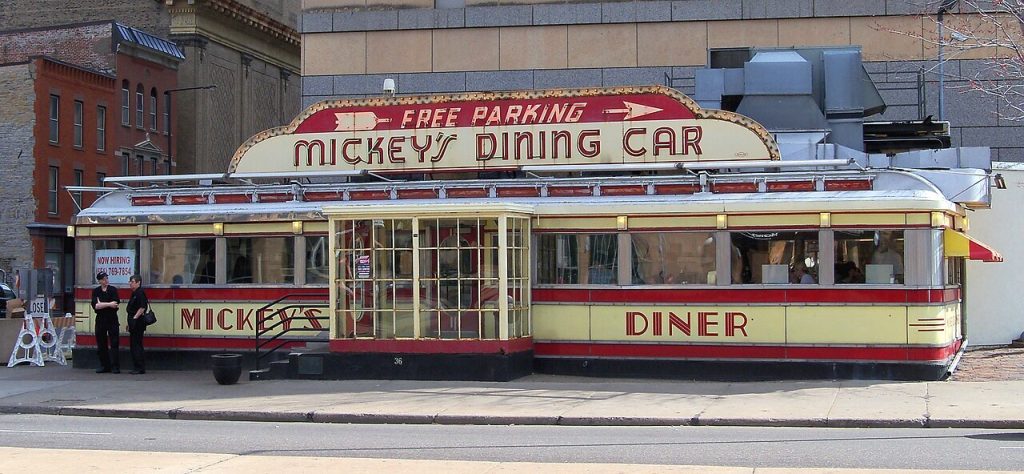
Mickey’s Dining Car looks as though a traditional railway carriage has been placed beside the road and transformed into a restaurant. Opened in 1939, this narrow stainless-steel diner in downtown St. Paul is one of Minnesota’s most recognizable historic eateries. Its compact design is a defining feature, with the building measuring approximately 50 feet long and 10 feet wide. Inside, closely arranged counter seats and booths create an intimate setting where diners can watch meals being prepared and enjoy the lively atmosphere of a traditional lunch counter. The restaurant’s distinctive architecture and preserved interior have helped it earn recognition as a historic landmark, and it has appeared in films including Jingle All the Way and The Mighty Ducks. Mickey’s is known for classic American diner fare, including hearty breakfasts and familiar griddle-cooked dishes. Its small footprint is part of the charm: there is little room for elaborate restaurant trends, and the emphasis remains on the food, the setting, and the people sharing the space. For visitors exploring St. Paul, Mickey’s offers a tangible connection to the golden age of American diners.
Palace Diner, Biddeford, Maine
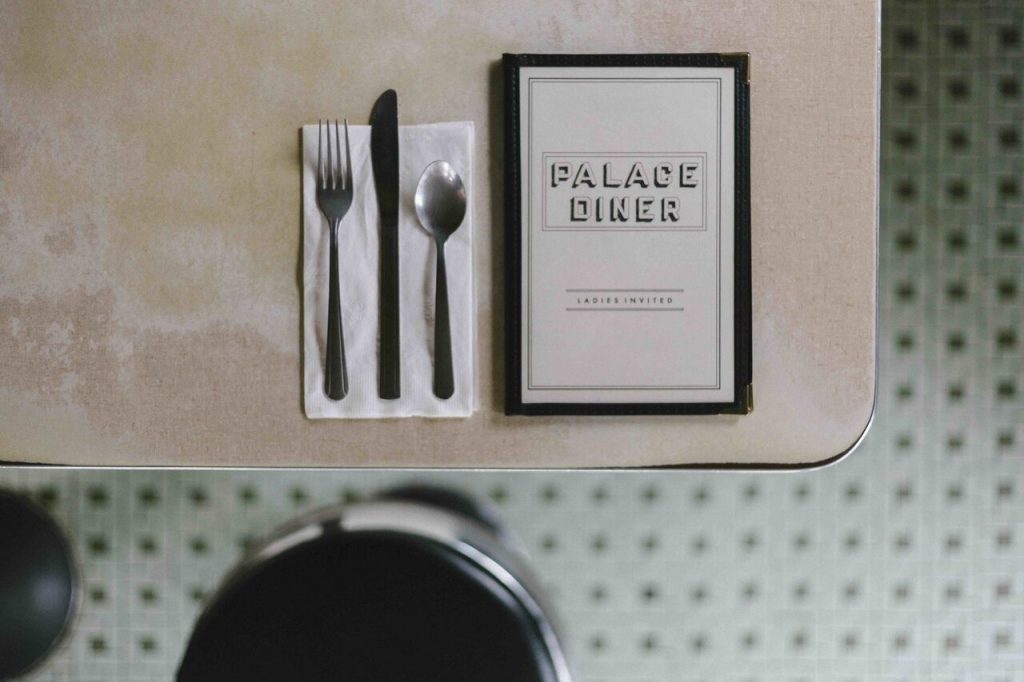
Not every historic diner needs a sprawling dining room to make an impression. Palace Diner in Biddeford, Maine, serves its customers from a compact railroad-style dining car built in 1927 by the Pollard Company of Lowell, Massachusetts. The structure has remained in Biddeford throughout its life and is one of only two surviving Pollard diner cars in the United States. Inside, the experience is wonderfully intimate, with just 15 counter seats arranged around the kitchen. Customers can watch the cooking unfold while enjoying breakfast and lunch favorites, including pancakes, French toast, breakfast sandwiches, and the restaurant’s well-known Palace potatoes. The diner reopened under its current ownership in 2014, and later renovations helped preserve the historic structure for future diners. Its limited seating is a major part of its appeal, creating a setting where the food is close at hand and conversations can flow naturally between customers and staff. Despite its age, Palace Diner is not simply a museum piece. Its menu and approach to hospitality give the building a lively present-day purpose while preserving a rare example of early American diner design.
Modern Diner, Pawtucket, Rhode Island
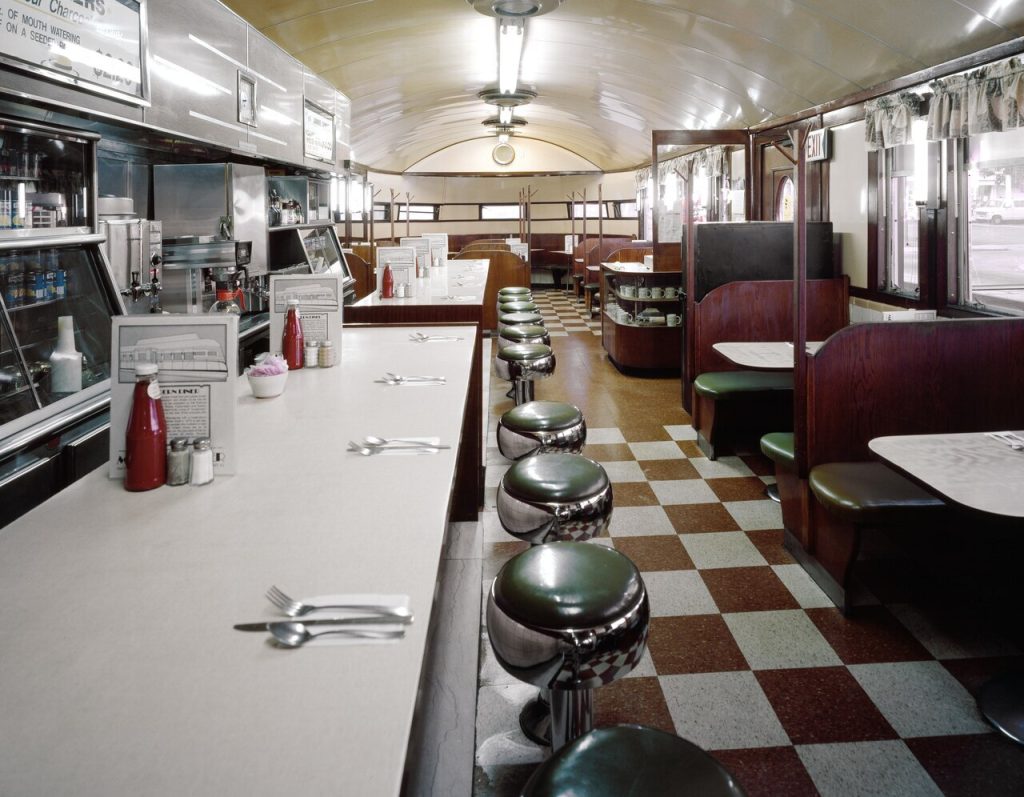
The name Modern Diner may sound like a reference to a contemporary restaurant, but its design belongs to a distinctive chapter of American roadside dining. Located in Pawtucket, Rhode Island, the diner occupies a rare Sterling Streamliner manufactured by the J.B. Judkins Company around 1940. Its rounded roof, metal exterior, and long horizontal windows were inspired by the streamlined trains and transportation designs that captured the public imagination during the early twentieth century. These details make the building an important example of the Streamline Moderne style, which emphasized smooth curves and a sense of motion. Modern Diner has also earned recognition for its historic significance, becoming the first diner accepted onto the National Register of Historic Places. Inside, the restaurant combines its vintage architecture with a menu centered on breakfast and lunch favorites. Its custard French toast has received particular attention, while daily specials give regular customers reasons to return. The diner was moved from its original location on Dexter Street to East Avenue and restored in the 1980s. Its survival demonstrates how careful preservation can keep an unusual piece of American design in everyday use, rather than leaving it as a relic of the past.