
For many beachgoers, getting to the perfect spot means hauling chairs, coolers, umbrellas, and other essentials across hot sand. But at certain beaches across the United States, you can skip much of that effort by driving right onto the shoreline. From Florida’s famous Daytona Beach to the remote stretches of Texas’s Padre Island National Seashore, these destinations offer a different way to enjoy the coast. Some feature hard-packed sand and easy access, while others require four-wheel drive and careful planning. Here are six U.S. beaches where you can drive onto the sand, along with what to know before you go.
Daytona Beach, Florida
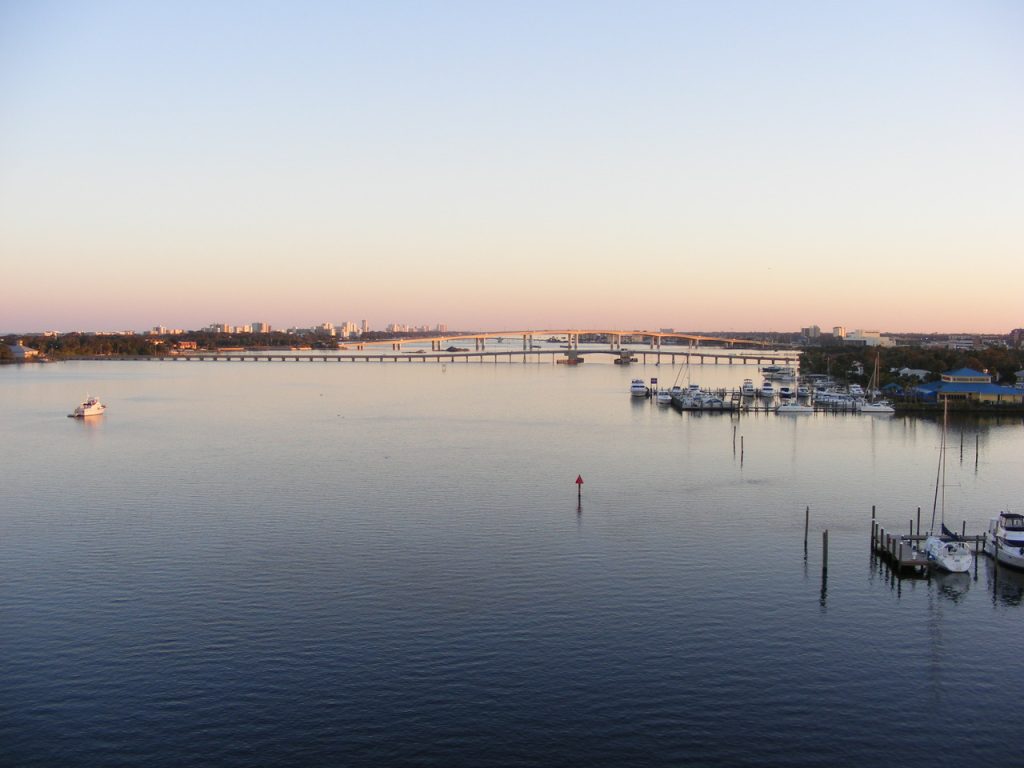
Few American beaches are as closely associated with driving as Daytona Beach, where visitors can take their vehicles onto sections of the hard-packed shoreline and enjoy views of the Atlantic Ocean. Located on Florida’s east coast, this famous destination has designated beach-driving areas that allow motorists to park near the water and enjoy a day by the sea without carrying their belongings across a long stretch of sand. However, driving is not permitted along the entire beach. Access depends on tides, weather conditions, and designated entry points. The speed limit is 10 mph, and drivers must follow marked traffic lanes. Seasonal rules also apply, with beach-driving hours changing between summer and winter. The beach offers a distinctive experience for families, anglers, and visitors who want the convenience of bringing chairs, umbrellas, and other supplies close to their preferred spot. Before setting out, check the city’s current beach access map and operating hours, as some sections may close temporarily when conditions make driving unsafe.
Carova Beach, North Carolina
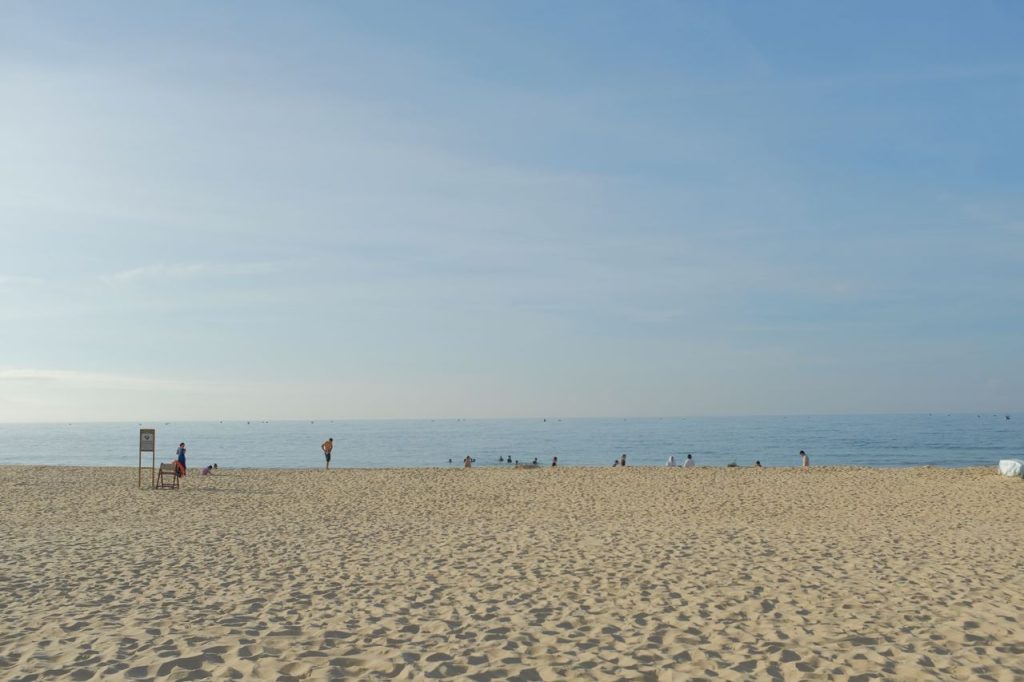
For travelers who prefer a quieter coastline with fewer signs of commercial development, Carova Beach in North Carolina offers a memorable way to explore the Outer Banks. This remote stretch of shoreline lies north of Corolla, and there are no paved roads connecting it directly to the main road network. Visitors generally need to travel along the beach in a four-wheel-drive vehicle to reach the area. The journey is part of the experience, taking drivers through broad sandy stretches where the ocean, dunes, and open coastal landscape create a sense of isolation. Carova is also known for its wild horses, which roam freely through the surrounding communities and natural areas. These animals are an important part of the region’s character, but drivers must give them plenty of space and never feed or approach them. Beach conditions can change with the tides, storms, and shifting sand, so a route that was passable earlier may become difficult later. Before visiting, check local access updates, carry essential supplies, and make sure your vehicle is suitable for deep sand.
Assateague Island National Seashore, Maryland and Virginia
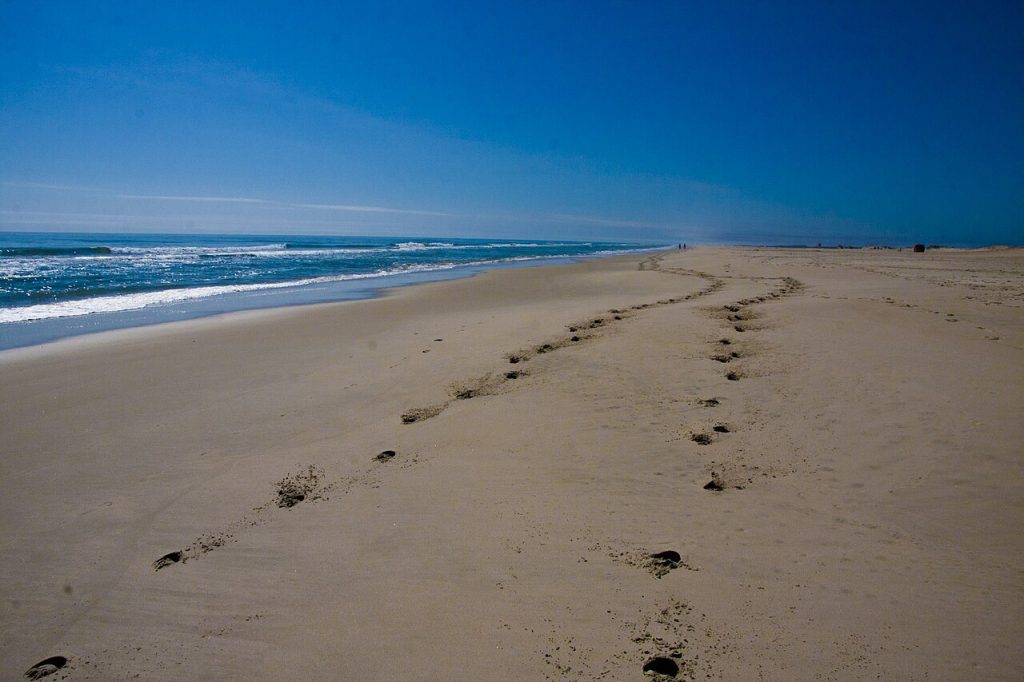
A beach trip becomes something rather different at Assateague Island National Seashore, where wild coastal landscapes and roaming horses are part of the attraction. This barrier island stretches along the Atlantic coast of Maryland and Virginia, offering miles of natural shoreline, dunes, and wildlife habitat. Visitors can drive directly onto designated sections of the beach through the park’s Over-Sand Vehicle, or OSV, zones. However, access is carefully regulated to protect the island’s fragile environment. Drivers need a valid OSV permit, and their vehicles must have four-wheel drive or all-wheel drive and meet the park’s equipment requirements. A permit does not guarantee entry at any particular time because vehicle limits, changing beach conditions, and wildlife-related closures can restrict access. Drivers must also stay within marked routes and avoid dunes and vegetation. The experience rewards visitors who come prepared, with opportunities to explore stretches of coastline that are difficult to reach from ordinary parking areas. Check the National Park Service’s current conditions before traveling, especially during busy summer weekends and the shorebird nesting season.
Padre Island National Seashore, Texas
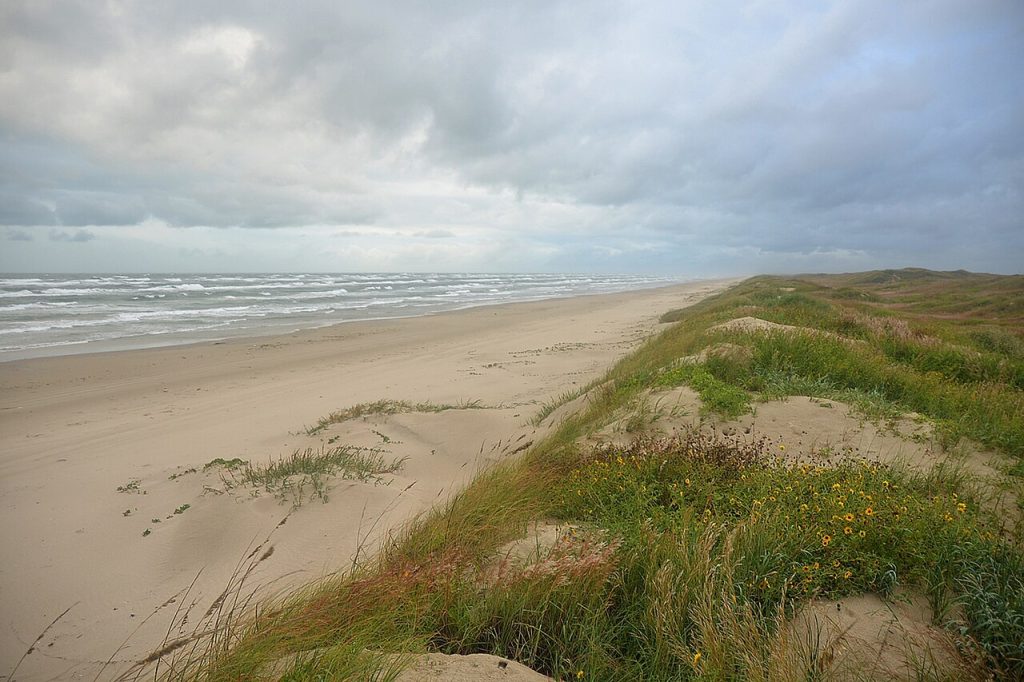
Texas offers one of the country’s most expansive beach-driving experiences at Padre Island National Seashore, a protected coastal area near Corpus Christi. The park encompasses roughly 66 miles of undeveloped beaches, making it an appealing destination for visitors who want to explore the Gulf shoreline beyond crowded resort areas. Driving is permitted on North Beach and South Beach when conditions allow, giving motorists access to long stretches of sand, fishing spots, and remote coastal scenery. The rules depend on where you travel. Ordinary two-wheel-drive vehicles can generally access North Beach and the first five miles of South Beach, although four-wheel drive is recommended. Beyond that point, four-wheel drive is required because loose sand and other obstacles can make travel difficult. Drivers should check tide forecasts and weather conditions before leaving paved roads, carry plenty of water and emergency supplies, and ensure their vehicles are properly equipped. Mobile phone reception can be limited in remote areas, and private towing services may be expensive. Visitors must also avoid dunes, wetlands, and vegetation, while remaining alert for sea turtles and other wildlife.
Oceano Dunes State Vehicular Recreation Area, California
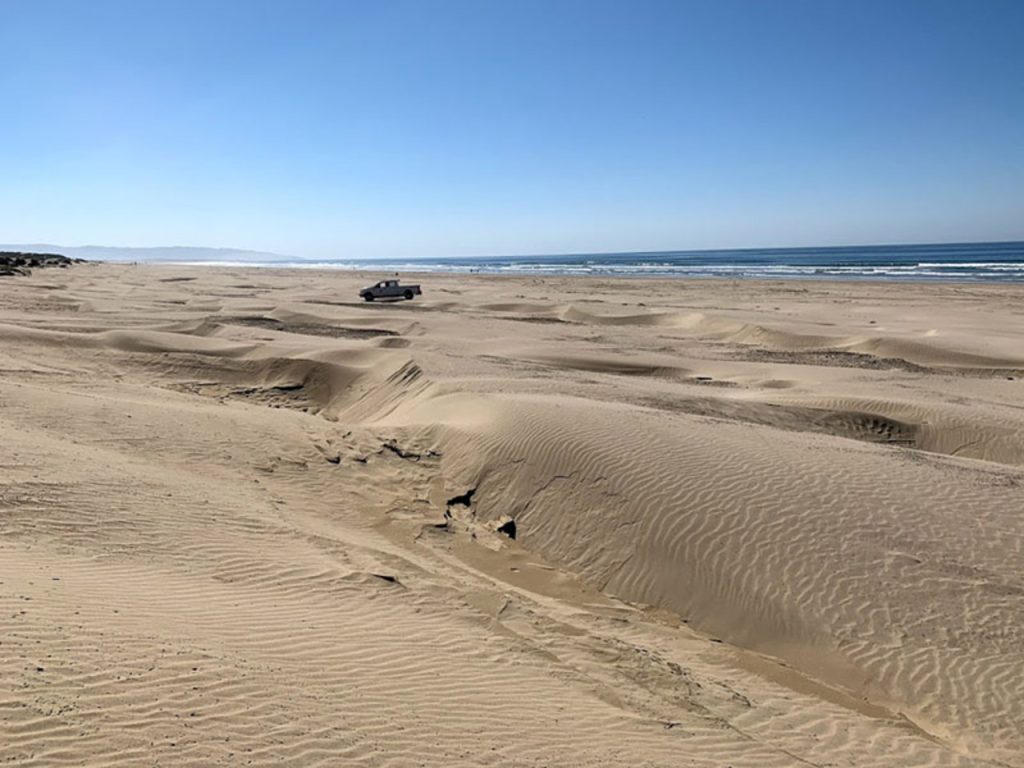
California’s Oceano Dunes State Vehicular Recreation Area offers a beach-driving experience that goes beyond simply parking beside the ocean. Located near Pismo Beach on the state’s central coast, this recreation area combines sandy shoreline with expansive dunes where permitted off-highway vehicles can be used. More than five miles of beach are associated with vehicle access in the broader recreation area, although the portions open to different types of vehicles vary. The designated off-highway vehicle area begins approximately one mile south of Pier Avenue, near beach marker Post 2. Visitors can enjoy activities such as surf fishing, beach recreation, and riding approved vehicles in authorized areas. However, access is affected by changing conditions, including high tides, heavy rain, and blowing sand. Some areas are closed to protect sensitive plants and wildlife or because the land is privately owned. Day-use access is subject to park rules, capacity, and current operating conditions, so checking the California State Parks website before leaving home is essential. For visitors who want an active outdoor adventure rather than a conventional beach day, Oceano Dunes provides a distinctive way to experience California’s sandy coastline.
Huguenot Memorial Park, Florida

Situated in Jacksonville, Huguenot Memorial Park gives visitors the opportunity to drive along much of its ocean-facing shoreline, combining easy beach access with views of the Atlantic Ocean and the St. Johns River area. The park is popular for swimming, fishing, surfing, picnicking, and wildlife observation, making it an appealing choice for a full day outdoors. Driving onto the beach can be convenient for visitors carrying fishing equipment, chairs, coolers, or other supplies, but the soft sand demands caution. Jacksonville’s park authorities strongly recommend four-wheel-drive vehicles for beach access because ordinary cars can become stuck. Drivers using the shoreline must follow the posted speed limit of 5 mph and respect signs and barriers marking closed areas. These restrictions are especially important during nesting seasons, when sections of the beach may be closed to protect shorebirds and their chicks. High tides, capacity limits, erosion, and unsafe conditions can also result in temporary closures. Anyone planning a visit should check the park’s current operating information before arriving. With its mix of recreation and natural scenery, Huguenot offers a distinctly Florida beach experience, provided visitors follow the rules designed to protect both people and wildlife.