
Colorado is taking an impressive step toward making its highways safer for both people and wildlife. The state’s giant Greenland Wildlife Overpass, built over Interstate 25, gives animals a way to cross one of the region’s busiest roads without facing fast-moving traffic. The project is part of a broader effort to reconnect fragmented habitats, reduce wildlife-vehicle collisions and protect the animals that call Colorado home. From its enormous size to the encouraging signs that wildlife is already using it, here are six things to know about Colorado’s remarkable wildlife crossing.
Colorado’s Wildlife Overpass Is the Largest of Its Kind in North America
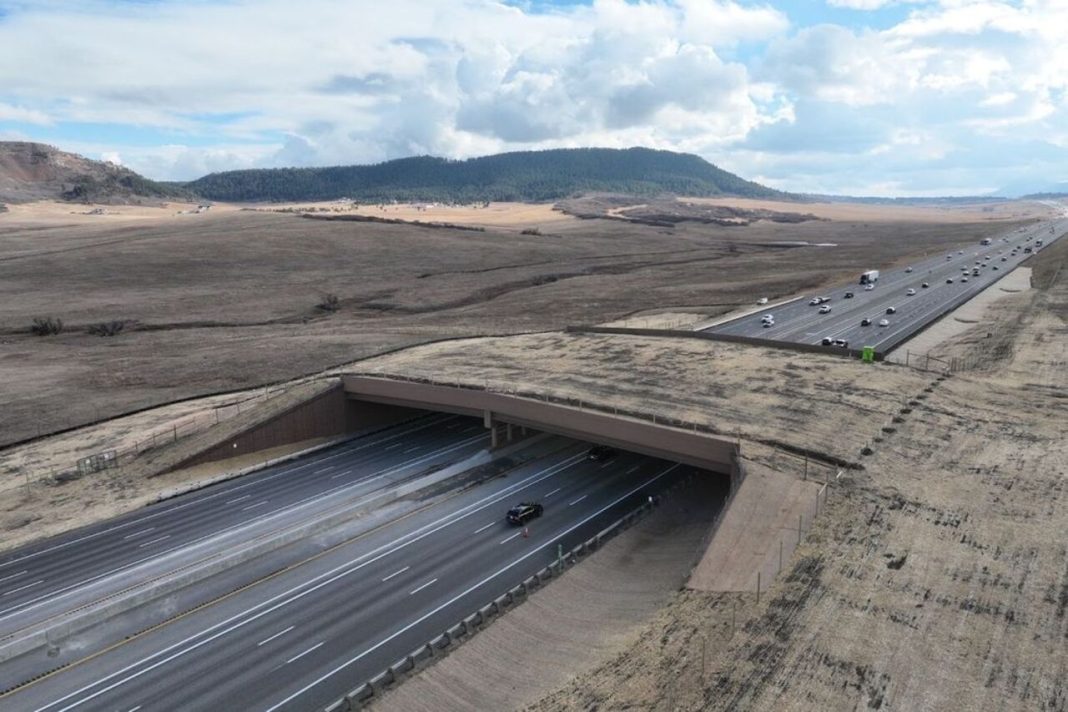
Colorado has built an impressive piece of infrastructure with a purpose that goes far beyond moving traffic. The Greenland Wildlife Overpass, located over Interstate 25 near Monument, is North America’s largest wildlife overpass, measuring 200 feet wide and 209 feet long. Its surface covers approximately 41,800 square feet, nearly an acre, giving animals plenty of room to cross the busy highway. Completed in December 2025, the $15 million structure spans six lanes of interstate traffic. Unlike an ordinary road bridge, it is covered with soil and vegetation to make the crossing more welcoming to wildlife. Its broad, open design is particularly important for large animals such as elk and pronghorn, which tend to avoid enclosed spaces and benefit from clear sightlines. The overpass is designed to help wildlife move between habitats without having to navigate fast-moving traffic, offering a practical solution to a longstanding safety problem along one of Colorado’s busiest transportation corridors.
The $15 Million Bridge Connects Fragmented Wildlife Habitats
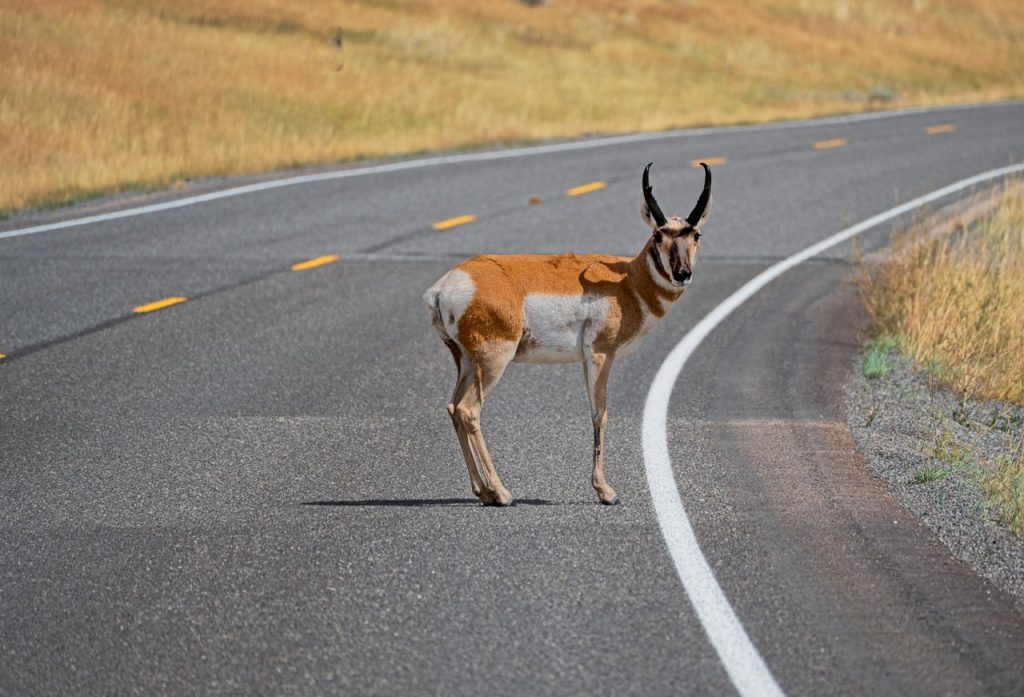
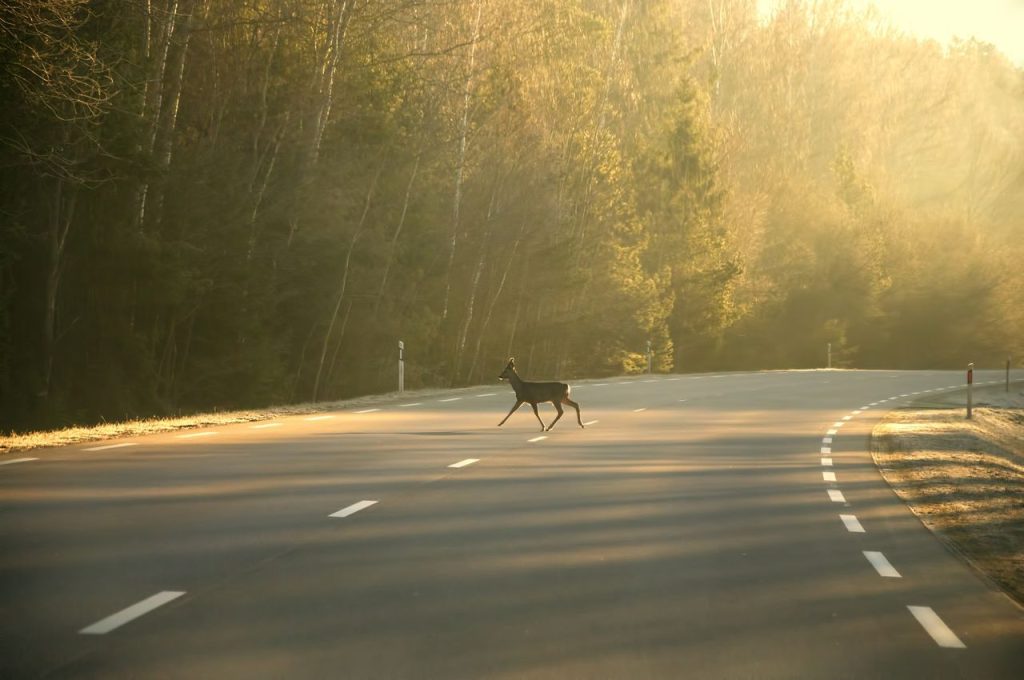
A highway can be a formidable barrier for animals that depend on moving across large areas to find food, water, shelter and suitable seasonal ranges. The Greenland Wildlife Overpass addresses this problem by connecting approximately 39,000 acres of wildlife habitat on either side of Interstate 25. The highway runs through an area where elk, mule deer, pronghorn and other species regularly travel between different parts of their habitat. Before the crossing system was developed, animals attempting to move across the road faced the risk of being struck by vehicles. The new overpass fills a 3.7-mile gap between existing wildlife crossings, helping complete an 18-mile network of protective infrastructure between Castle Rock and Monument. The bridge was developed through a partnership involving the Colorado Department of Transportation, Colorado Parks and Wildlife, Douglas County and federal agencies. Although the project received substantial public funding, the overpass itself was completed for $15 million, below the amount initially available for construction. Its importance lies in reconnecting habitats while reducing the dangers associated with crossing a major interstate.
The Overpass Completes a Larger Network of Wildlife Crossings
The Greenland Wildlife Overpass is not a standalone solution. It forms the final major component of a wildlife protection system that officials and conservation partners have been developing along Interstate 25 since 1996. The broader project covers an 18-mile stretch between Castle Rock and Monument, where heavy traffic previously created a serious obstacle for migrating animals. The system includes five wildlife underpasses and fencing designed to guide animals toward safer crossing points instead of allowing them to wander onto the highway. The fences stand eight feet tall and help prevent wildlife from entering traffic lanes along protected sections of the corridor. Underpasses provide routes beneath the road, while the new overpass offers a spacious alternative for large animals that prefer open surroundings. Together, these structures create a more connected network that supports wildlife movement and improves driver safety. More than 100,000 vehicles travel through this stretch of I-25 daily, making it especially important to separate animal movements from traffic. By combining crossings with fencing, Colorado is addressing the underlying problem rather than relying on drivers to react when animals suddenly appear on the road.
Elk, Pronghorn, Rabbits and Frogs Are Already Using the Bridge
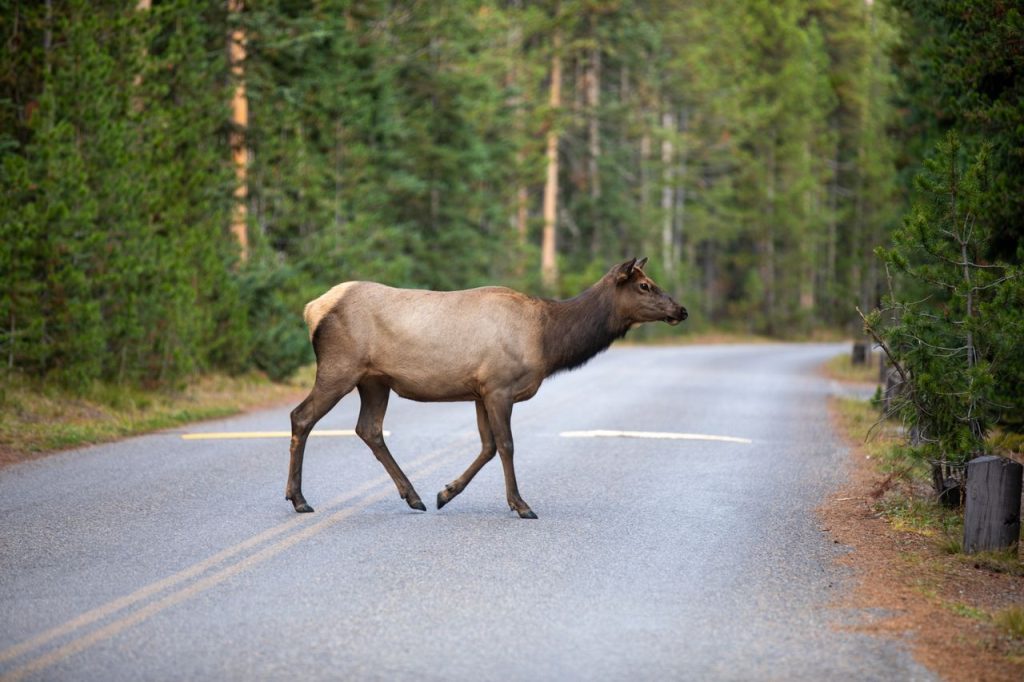
The success of a wildlife crossing depends on whether animals actually use it, and early observations from Colorado offer encouraging signs. Trail cameras and wildlife surveys have documented elk walking across the Greenland overpass, while pronghorn have also been recorded using the structure. Their movements are particularly significant because the animals had struggled for decades to cross this section of Interstate 25 safely. Officials have also reported rabbits and northern leopard frogs using the overpass, showing that the structure can benefit smaller wildlife as well as large mammals. To make the crossing more suitable for small animals, workers have arranged logs along parts of the surface to provide cover from predators such as coyotes, foxes and hawks. Vegetation is another important consideration because a natural-looking environment can help animals feel more comfortable crossing the highway. Drought conditions affected plant growth during the first year, so officials have been looking toward further vegetation growth to improve the habitat. The long-term goal is to accommodate a wide variety of species, including the threatened Preble’s meadow jumping mouse. Continued monitoring will help determine how different animals use the crossing over time.
Wildlife-Vehicle Collisions Have Dropped by 91 Percent
The results from Colorado’s wider wildlife mitigation efforts have been striking. Before the crossing system was developed, the stretch of Interstate 25 between Castle Rock and Monument experienced an average of roughly one wildlife-vehicle collision per day during the spring and fall migration seasons. Between 2022 and 2024, after most of the fencing and underpasses were in place, reported collisions declined substantially. Data cited by officials showed a reduction of approximately 85 percent on average, with the decline reaching 91 percent during the final year of the study period. These figures show the potential value of combining wildlife crossings with protective fencing, but they should not be attributed to the overpass alone, since much of the improvement occurred before it opened. Officials are continuing to collect data to measure the bridge’s specific contribution. Early reports after its opening have also been encouraging, with only two wildlife-vehicle collisions in the first ten months, according to reporting cited by Smithsonian Magazine. Fewer collisions mean less risk of serious injuries, vehicle damage and animal deaths. The broader project has also been associated with a reduction in travel delays along this busy highway, illustrating how wildlife protection can benefit motorists and animals at the same time.
Colorado Is Developing Six More Wildlife Crossing Systems
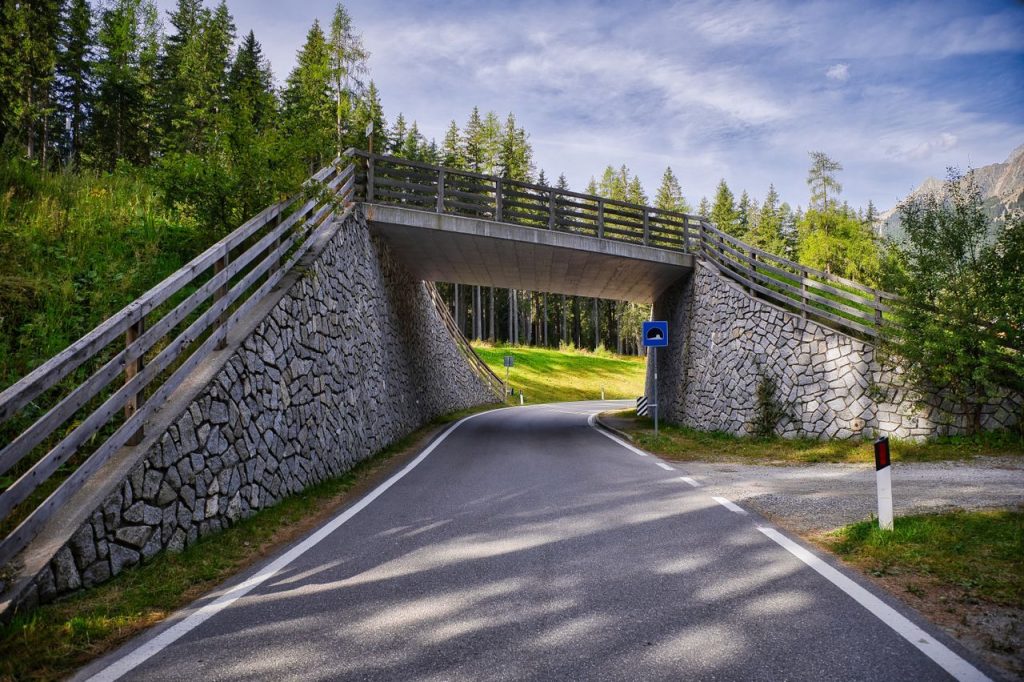
Colorado’s efforts to make roads safer for wildlife are extending beyond Interstate 25. Officials are developing six additional wildlife crossing systems across the state, reflecting a broader commitment to reducing collisions and reconnecting fragmented habitats. These projects are important because Colorado’s roads pass through landscapes used by migrating animals, including deer, elk, pronghorn and bighorn sheep. When highways interrupt their movements, animals may be forced to cross dangerous traffic lanes to reach food, water or seasonal habitat. Wildlife overpasses, underpasses and fencing can provide safer alternatives when they are placed along established movement routes. One of the planned projects is expected to be the state’s first overpass designed specifically for Rocky Mountain bighorn sheep, Colorado’s state animal. The experience gained from the Greenland project could help officials understand how to design crossings for different species and local landscapes. Funding and partnerships will remain essential to this work, particularly because successful projects require planning, construction and long-term monitoring. Transportation officials have also pointed out that preventing collisions can produce financial benefits by avoiding vehicle damage and related costs. Colorado’s expanding program shows how infrastructure planning can serve two purposes at once: helping people travel safely while allowing wildlife to move through its natural habitat.