
Before modern buses and light-rail trains transformed urban transportation, streetcars were a familiar sight on American city streets. While many networks disappeared decades ago, several U.S. cities have preserved the experience, allowing residents and visitors to ride vintage vehicles or historic-style streetcars through neighborhoods, waterfronts, and downtown districts. From New Orleans’ celebrated St. Charles line to San Francisco’s colorful collection of restored streetcars, these journeys offer more than a convenient way to get around. They provide a glimpse into America’s transportation history while connecting passengers with some of the country’s most interesting urban destinations.
New Orleans, Louisiana
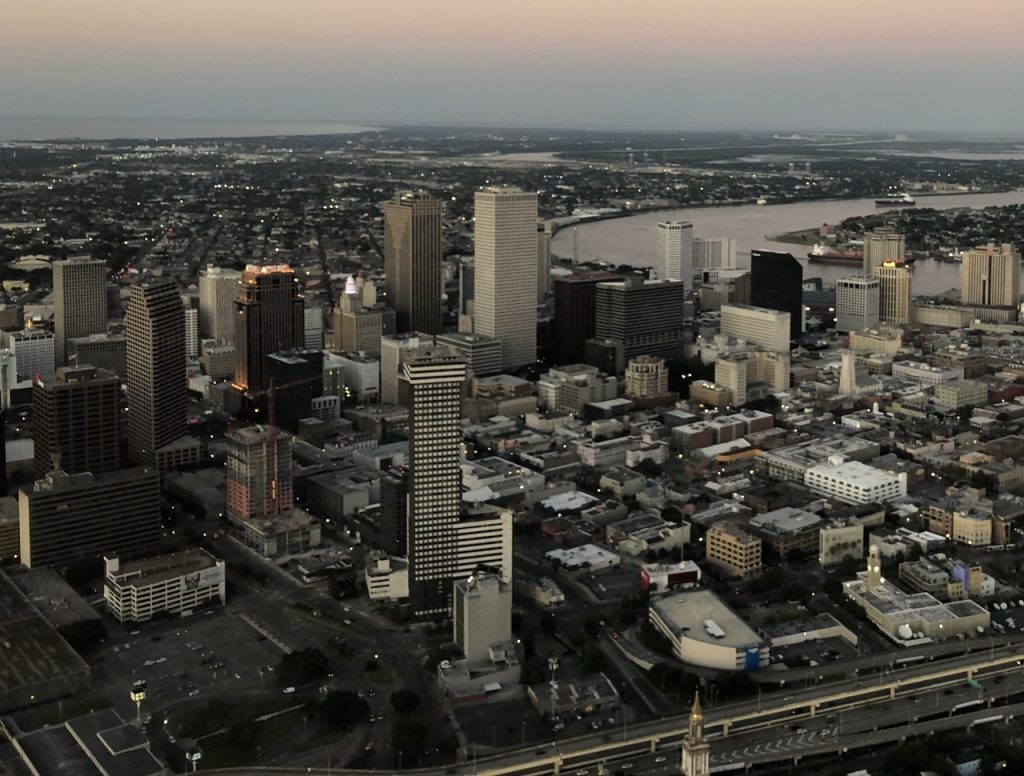
Few American cities have a streetcar tradition as deeply woven into everyday life as New Orleans. The city’s St. Charles Avenue line began operating in 1835 and is recognized as the world’s oldest continuously operating streetcar line. Its distinctive green cars travel through the Garden District and Uptown, passing historic mansions, sprawling oak trees, and popular neighborhood destinations. Unlike many heritage railways that operate primarily for tourists, the St. Charles line remains part of the city’s regular public transportation network. Riders can use it to reach attractions, restaurants, and residential neighborhoods while experiencing a transportation tradition that has survived generations of change. The city’s other streetcar routes provide additional ways to explore downtown and the riverfront. Visitors should check current service alerts before traveling, as maintenance work can temporarily affect individual sections of a line.
San Francisco, California
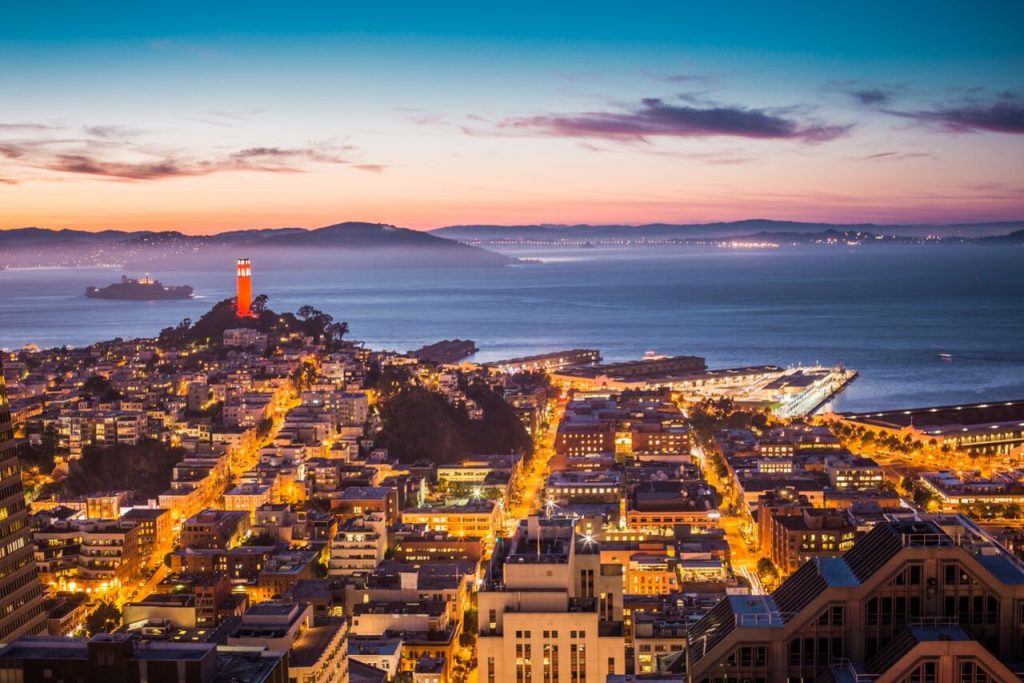
San Francisco offers a moving collection of transportation history through its F Market & Wharves streetcar line. Unlike a conventional fleet of modern transit vehicles, this route features restored streetcars from different eras, including vintage American PCC cars and historic vehicles originally built for Milan, Italy. The line travels along Market Street and the Embarcadero, connecting the Castro neighborhood and downtown with the waterfront near Fisherman’s Wharf. Along the way, passengers can enjoy views of the Ferry Building, the bay, and the city’s bustling waterfront districts. The historic streetcar service grew out of San Francisco’s successful trolley festivals during the 1980s, eventually becoming a permanent part of the Muni system in 1995. The route was extended to Fisherman’s Wharf in 2000. Today, it serves both residents and visitors, making it possible to explore the city while riding vehicles that preserve the look and character of an earlier transportation era.
Kenosha, Wisconsin
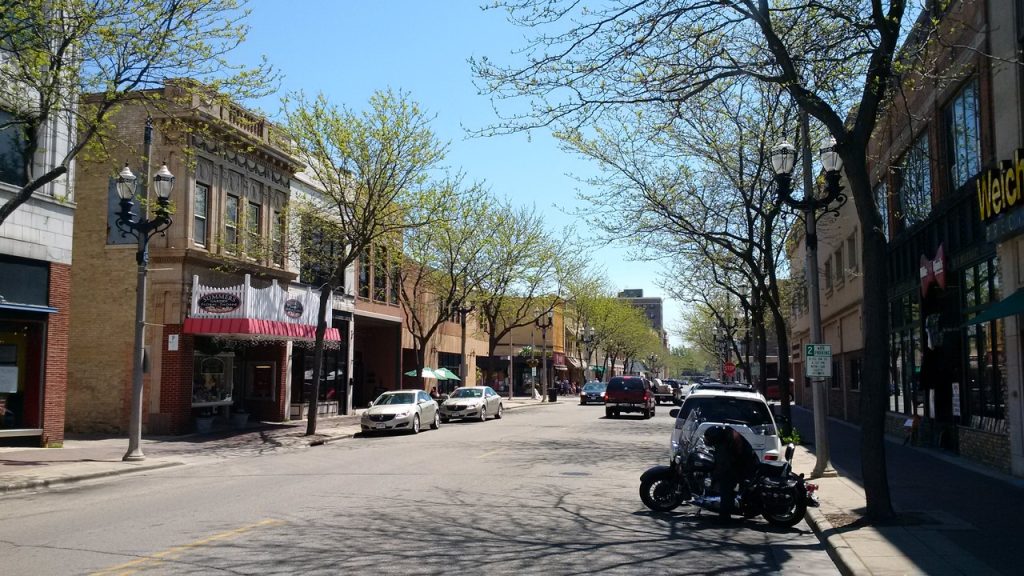
Kenosha offers a more compact streetcar experience, with restored electric streetcars following a roughly two-mile loop through the city’s downtown and lakefront areas. The system connects the Metra commuter rail station with destinations near Lake Michigan, making it useful for visitors arriving by train as well as those exploring the city on foot. The fleet includes historic PCC streetcars that once served other North American cities, giving the journey a connection to the broader history of urban rail transportation. These vehicles were designed for everyday city travel long before modern light-rail systems became common. Kenosha’s route provides access to downtown businesses, museums, and waterfront attractions without requiring visitors to drive between stops. Service can be seasonal or subject to operational changes, so travelers should confirm current schedules before planning a ride. For anyone interested in historic transportation, Kenosha demonstrates how a relatively small streetcar system can preserve vintage vehicles while giving them a practical role in the life of a modern city.
Tampa, Florida
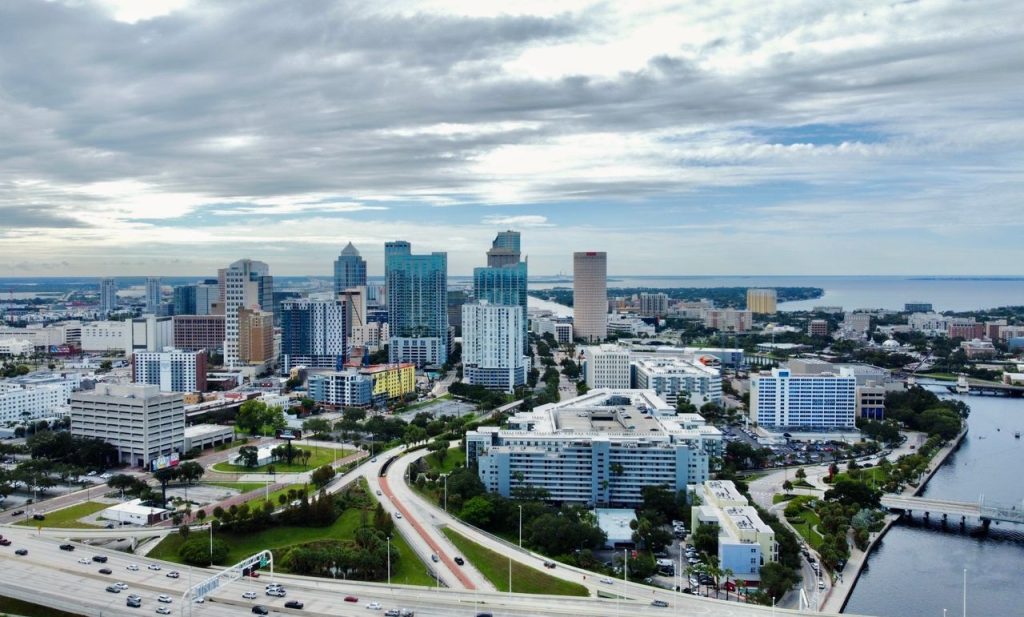
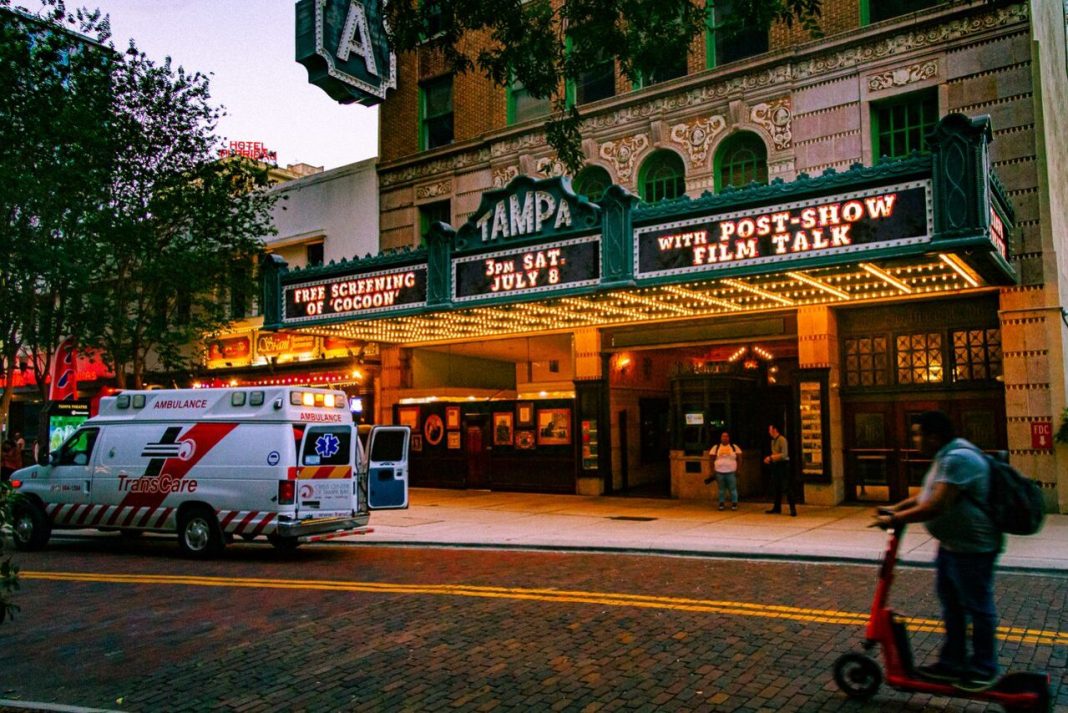
Tampa’s TECO Line Streetcar brings historic transportation style to a lively corridor connecting downtown, the Channel District, and Ybor City. The modern system opened in 2002 and later expanded, using replica streetcars inspired by the traditional electric vehicles that once served the city. Although these are not all original historic cars, their design recalls Tampa’s streetcar era and gives the route a distinctive appearance. The 2.7-mile line has 11 stations and connects visitors with attractions such as the Florida Aquarium, downtown destinations, and Ybor City’s historic streets. The service is fare-free, making it a convenient option for visitors who want to explore several neighborhoods without moving their cars. Ybor City, known for its cigar-making heritage and historic commercial buildings, is especially rewarding to explore by streetcar because passengers can step off and continue on foot. The system has also become part of Tampa’s wider efforts to improve urban connections and support activity in its downtown districts.
Little Rock, Arkansas
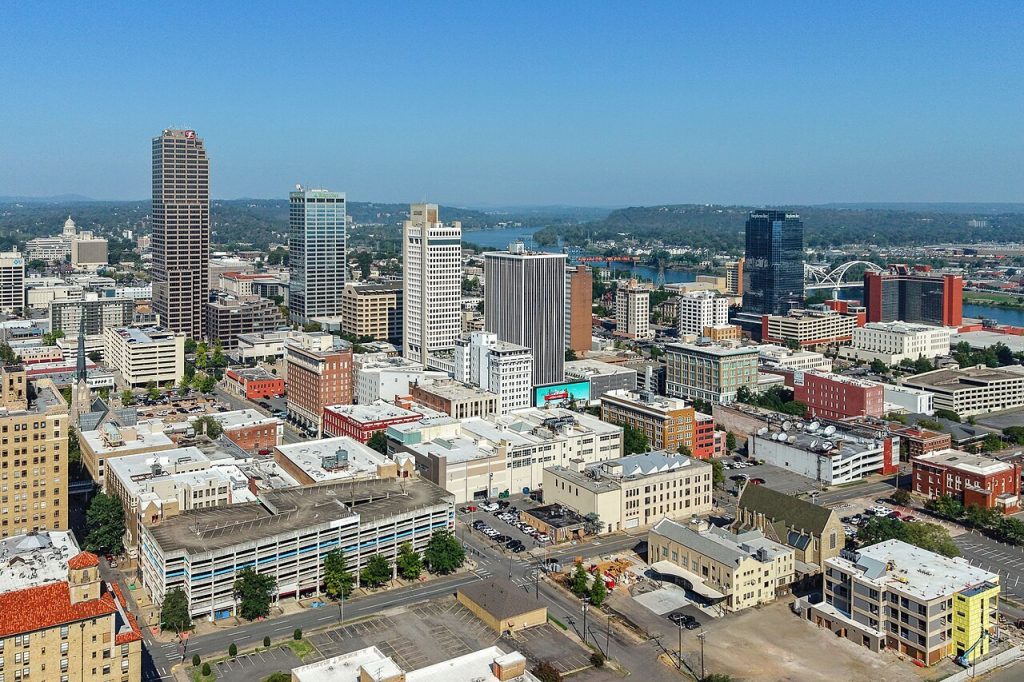
Little Rock and neighboring North Little Rock offer a streetcar ride that connects two downtown districts across the Arkansas River. The METRO Streetcar operates along a 3.4-mile route using historic-style replica streetcars, linking attractions such as the River Market District, the historic Argenta neighborhood, and cultural destinations on both sides of the river. The service gives visitors a convenient way to explore the region’s central neighborhoods while enjoying a vehicle designed to evoke the look of traditional streetcars. The Blue Line crosses the river into North Little Rock, making it particularly useful for travelers who want to explore both cities during the same outing. The system is fare-free and normally operates seven days a week, although service adjustments and construction-related closures can affect individual stops or routes. Checking the current schedule before setting out is worthwhile, especially for visits to the Clinton Presidential Center or other destinations where stop availability may change. Little Rock’s streetcar system shows how historic-style transit can serve as both a transportation option and a distinctive part of a city’s visitor experience.