

When an old building stands in the way of modern development, demolition often seems like the easiest solution. But across the United States, engineers, preservationists, and determined communities have found another way: moving the buildings themselves. From a towering North Carolina lighthouse threatened by coastal erosion to a Manhattan house connected to a beloved children’s author, these remarkable projects have saved pieces of American history from disappearing. Some structures traveled hundreds of feet, while others crossed entire neighborhoods. Each story reveals how creative engineering and a commitment to preservation can give historic buildings a second chance.
Cape Hatteras Lighthouse, North Carolina

When the Atlantic Ocean threatened one of America’s most recognizable lighthouses, engineers took an extraordinary approach: they moved the entire structure rather than let coastal erosion destroy it. Built in 1870 on North Carolina’s Outer Banks, the Cape Hatteras Lighthouse originally stood about 1,500 feet from the shoreline. Over time, shifting sand, storms, and coastal erosion brought the ocean dangerously close to its foundation. By the late 1990s, relocating the lighthouse had become a serious preservation priority. In 1999, engineers used hydraulic jacks, steel beams, and a specially prepared track to move the approximately 4,830-ton brick tower 2,900 feet inland. The journey took 23 days, from June 17 to July 9, and required years of planning and careful monitoring. Sensors measured the structure’s movement and stability throughout the process. The $11.8 million project also relocated several nearby buildings belonging to the historic light station. Today, the lighthouse continues to stand as a working navigational landmark and a remarkable example of how engineering can protect historic architecture from environmental threats.
Hamilton Grange, New York City
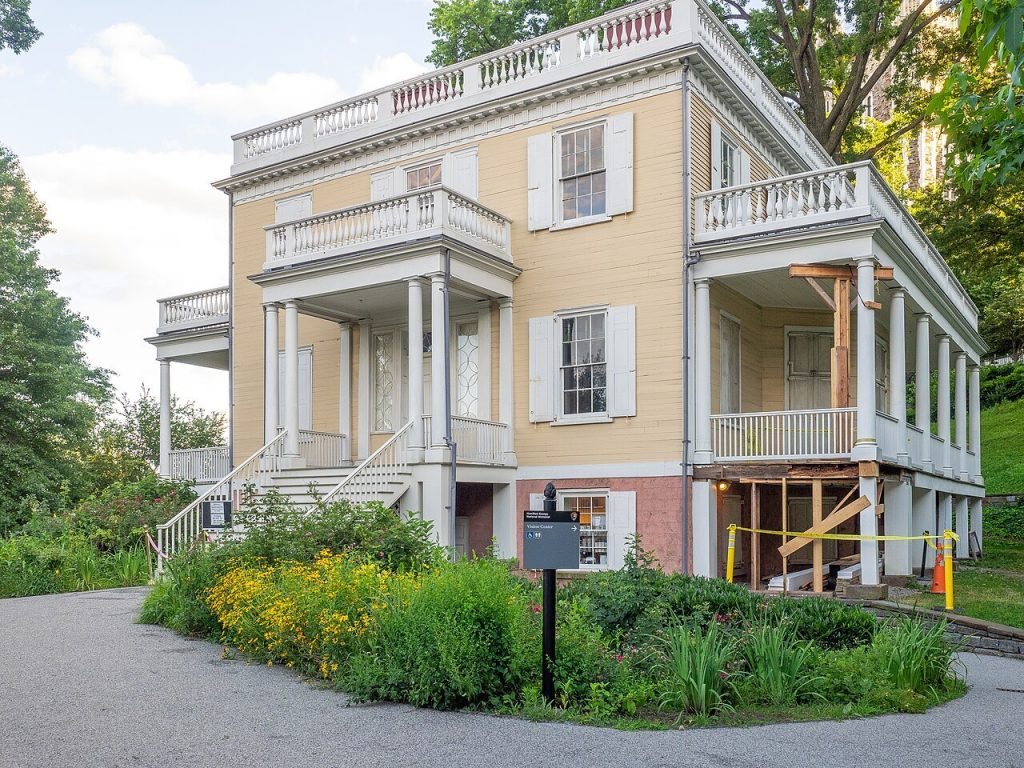
Alexander Hamilton’s former home has survived a remarkable amount of change, including two major relocations that helped preserve its place in American history. Known as Hamilton Grange, the Federal-style house was built in Manhattan between 1800 and 1802, when much of the surrounding area was still countryside. As New York expanded northward, the property faced pressure from the growing street grid. In 1889, the house was moved to a nearby site on Convent Avenue, where it became associated with St. Luke’s Episcopal Church. Although this move saved the building, its original setting was lost, and later development left it squeezed between larger structures. The National Park Service eventually undertook a second relocation to give the house a more appropriate setting and allow its architecture to be better understood. On June 7, 2008, Hamilton Grange began its move to nearby St. Nicholas Park, with the relocation process taking 38 days. The project formed part of a larger restoration effort intended to recover the appearance and character of Hamilton’s only owned home. Visitors can now explore the preserved house and learn about the life of one of America’s founding figures.
Indiana Bell Telephone Building, Indianapolis
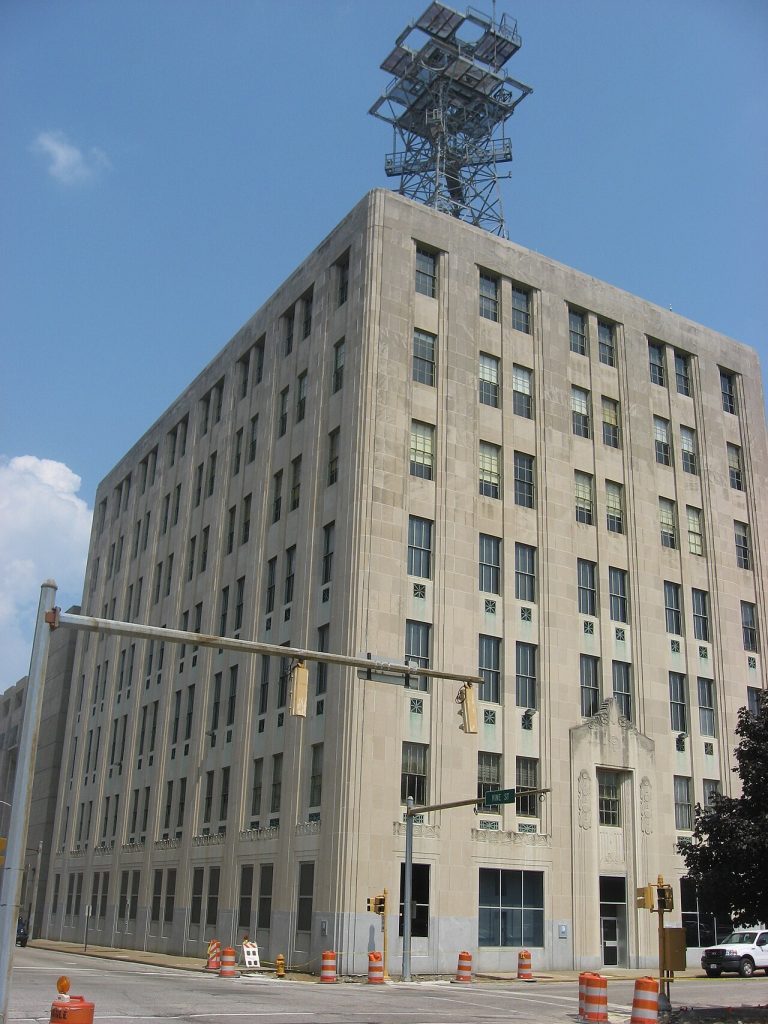
Moving an entire office building sounds difficult enough, but the Indiana Bell Telephone Building in Indianapolis underwent an even more unusual transformation: it was shifted and rotated while remaining upright. The original eight-story brick headquarters was completed in 1907. By 1930, Indiana Bell needed more room for its expanding telephone operations, and the company wanted to build a larger headquarters on the site. Rather than simply demolish the existing structure, engineers developed a plan to relocate it and make space for new construction. The building was placed on rollers, moved approximately 52 feet south, rotated through a 90-degree arc, and then shifted another 100 feet west. Remarkably, the work was carried out while employees continued working inside, and telephone service was maintained throughout the operation. The feat required careful coordination to move the building without damaging its structure or disrupting essential services. Once the old headquarters had been repositioned, a new seven-story limestone building was constructed on the site and completed in 1932. The relocation became a celebrated engineering achievement, demonstrating that even a substantial urban building could be moved to accommodate development instead of being immediately demolished.
Shubert Theatre, Minneapolis, Minnesota
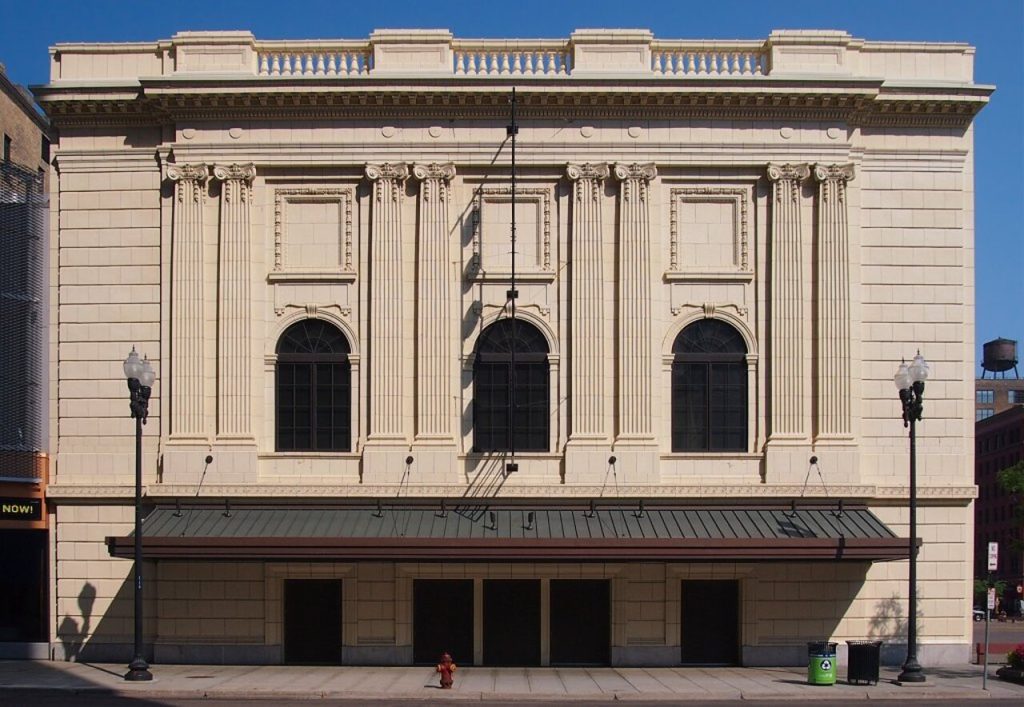
Minneapolis preserved an important piece of its theatrical history by moving the Shubert Theatre rather than allowing redevelopment to erase it. Designed by architect William Albert Swasey, the Beaux-Arts-style theater opened in 1910 and became a notable example of early twentieth-century performance architecture. Its design included two balconies, an arrangement that helped distinguish it from many other theaters of the period. Over the decades, the building underwent alterations, including changes to its marquee and lobby, but it retained much of its historic character. By the late 1980s, a redevelopment proposal threatened the theater with demolition. Preservation efforts helped secure a different outcome, and in 1999 the entire structure was moved from its original location on Seventh Street to Hennepin Avenue. The relocation was an important part of the effort to retain the building’s architectural features while adapting it for continued use. The theater later operated under several performing arts organizations and was known for hosting a range of cultural activities. Its history illustrates the difficult balance cities face when modernizing downtown districts while protecting buildings that tell the story of their artistic and architectural development. The theater’s subsequent changes in use also show that preservation requires ongoing investment, not simply a successful move.
Empire Theatre, New York City
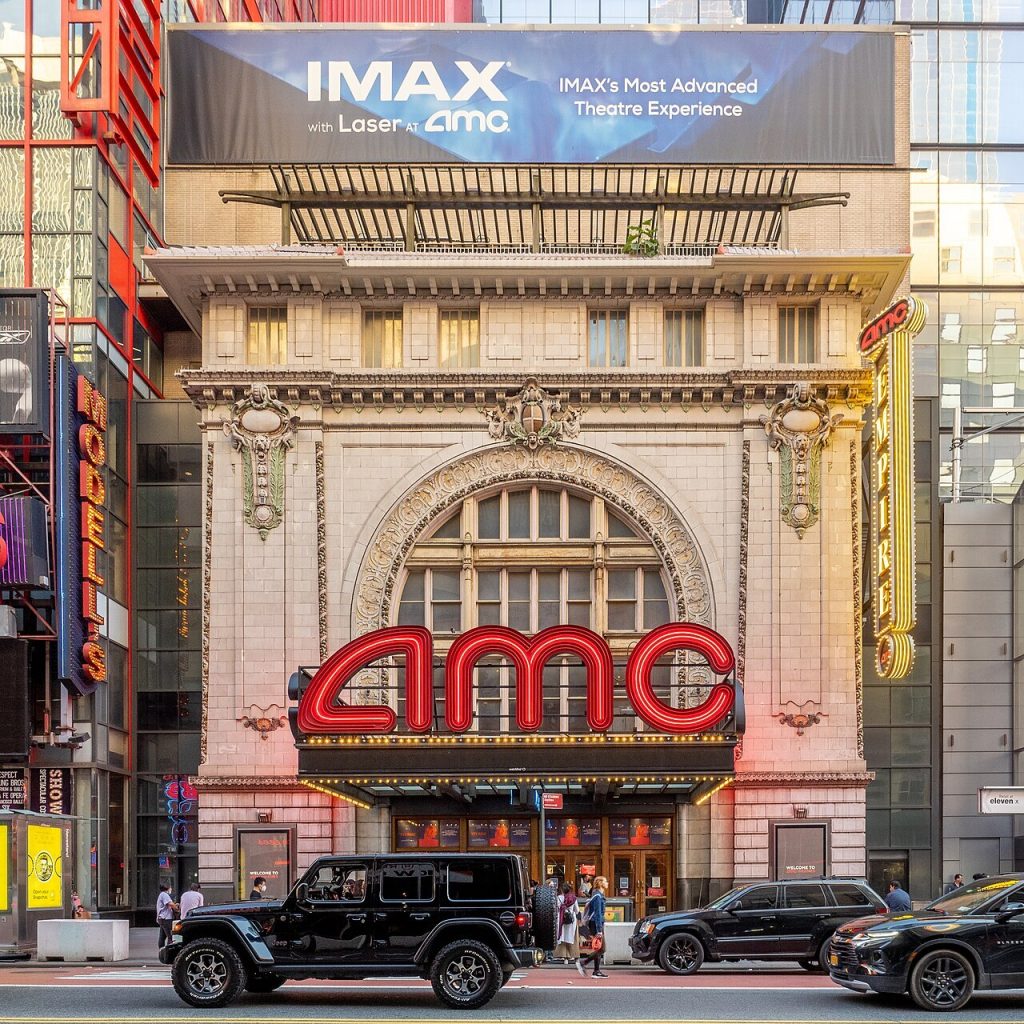
New York’s Empire Theatre demonstrated that even a massive entertainment venue could be moved instead of sacrificed to a redevelopment project. The building at 236 West 42nd Street originally opened in 1912 as the Eltinge 42nd Street Theatre, named after performer Julian Eltinge. It later became known as the Empire Theatre and developed a connection to the city’s long history of theatrical entertainment. As Times Square and the surrounding blocks changed, the building faced the prospect of disappearing beneath a new commercial development. In 1998, preservationists and engineers came up with an ambitious alternative. Weighing approximately 7.4 million pounds, the theater was transferred onto a temporary foundation and moved about 168 feet along 42nd Street using hydraulic equipment and a system of rails. The actual move took less than five hours, attracting crowds who gathered to watch the unusual spectacle. Rather than remaining an independent theater, the historic structure was incorporated into a new entertainment complex, where it became the entrance and facade of a multiplex cinema. The project offered a compromise between commercial development and architectural preservation, allowing the theater’s historic exterior to remain part of the streetscape even as the surrounding area was transformed.
Margaret Wise Brown House, New York City
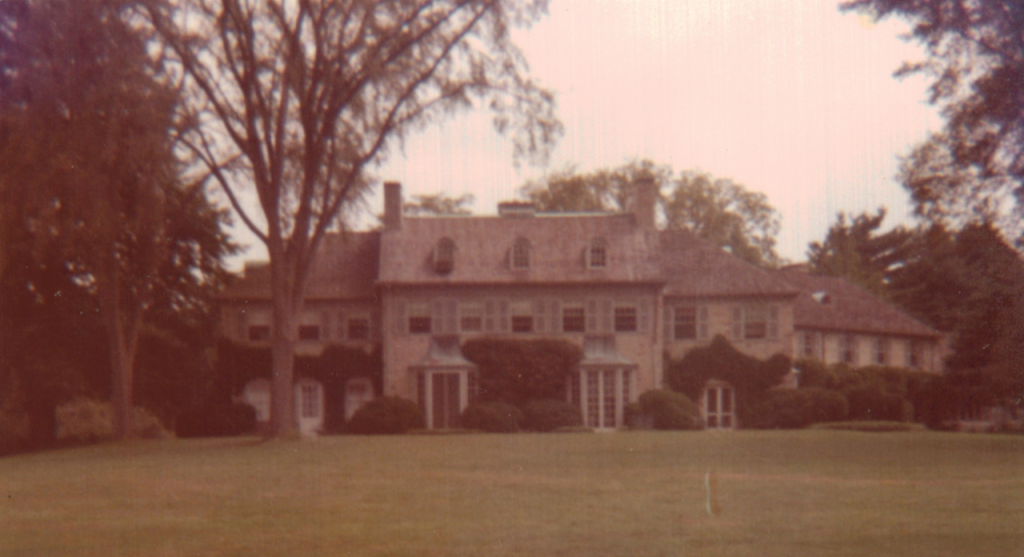
A small historic house in Manhattan escaped demolition in 1967 through an unusual act of preservation that carried it several miles across the city. Known as the Margaret Wise Brown House, the cottage had stood on a rear lot near York Avenue on the Upper East Side. The building was associated with children’s author Margaret Wise Brown, best known for writing Goodnight Moon and The Runaway Bunny. Brown used the cottage as a writing studio during the 1940s, making it an important part of the story behind her literary career. When redevelopment plans threatened the property, its owners decided that moving the house offered a better chance of saving it than attempting to protect it in place. On March 5, 1967, the structure was transported to a new location at 121 Charles Street in Greenwich Village. The move preserved the cottage while giving it a new setting in one of Manhattan’s historic neighborhoods. The building has since undergone restoration and additions, but its unusual appearance remains a reminder of its earlier life elsewhere in the city. Its survival also highlights an important point about architectural preservation: historic buildings do not always need to remain on their original plots to retain their cultural value, especially when relocation is the only practical alternative to demolition.