
Some television shows do more than entertain audiences. They turn real streets, restaurants, historic buildings, and coastal towns into places fans dream of visiting. From San Francisco’s famous Painted Ladies, forever linked to Full House, to the California locations that brought the fictional worlds of Murder, She Wrote and Parks and Recreation to life, these destinations offer a chance to step into familiar scenes. Many are still open to visitors, allowing fans to explore the real settings behind their favorite moments. Here are six TV shows that helped transform real American places into memorable tourist stops.
Full House Made San Francisco’s Painted Ladies a Television Landmark
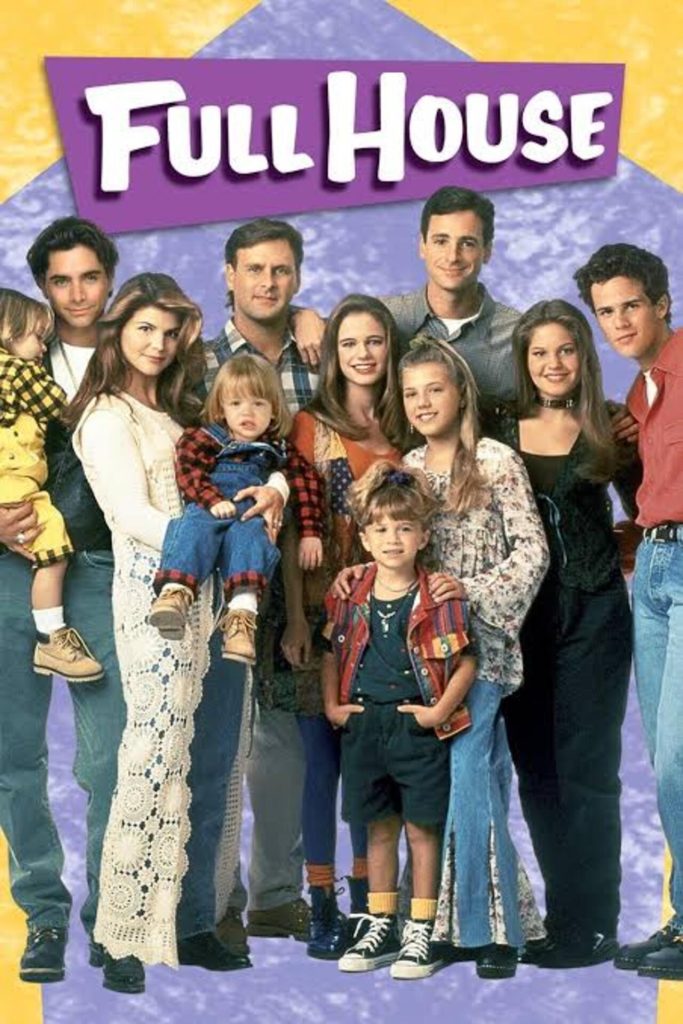
Few television opening sequences have made a city as recognizable as Full House did with San Francisco. The sitcom, which premiered in 1987, introduced viewers to the Tanner family and their fictional home against a backdrop of colorful Victorian houses that became known as the Painted Ladies. These real homes stand near Alamo Square Park, where visitors can enjoy one of San Francisco’s most recognizable views of historic architecture with the modern city skyline behind it. The house associated with the Tanner family is located at 1709 Broderick Street, although it is a private residence and should be admired from the public street rather than treated as a tourist attraction with an accessible interior. There is also an important distinction between the exterior location and the show’s production: most of the interior scenes were filmed on studio sets in Los Angeles. Nevertheless, the San Francisco streetscape became inseparable from the show’s identity, attracting generations of fans eager to see the familiar setting in person. The show’s revival, Fuller House, renewed interest in the location, proving that a brief television establishing shot can leave a lasting mark on a city’s tourism appeal.
Murder, She Wrote Put Mendocino’s Blair House Inn on the Map
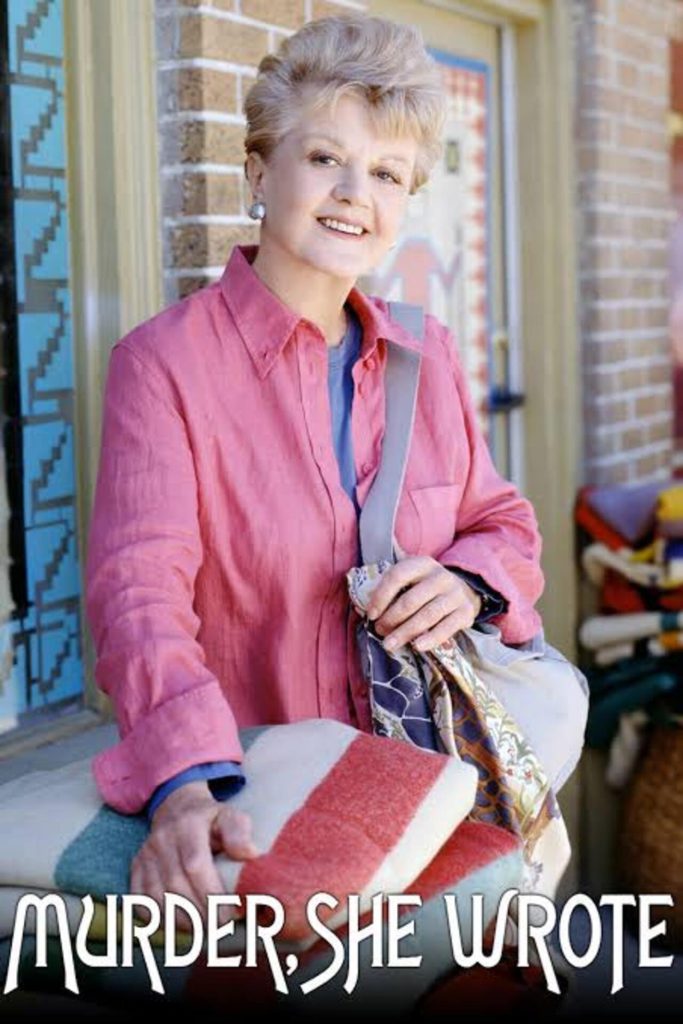
The fictional coastal town of Cabot Cove, Maine, became famous as the home of mystery writer and amateur detective Jessica Fletcher in Murder, She Wrote. In reality, the exterior of Fletcher’s home was filmed at Blair House Inn in Mendocino, California, a picturesque community along the state’s rugged North Coast. The contrast is part of the location’s appeal: although the series placed Fletcher in Maine, California’s coastal scenery provided the backdrop audiences came to associate with her character. Mendocino’s historic buildings, dramatic ocean views, and quiet streets made it a convincing stand-in for a small New England town. The Blair House Inn has also offered visitors an opportunity to experience the setting more closely, with character-themed rooms connecting the property’s hospitality experience to the show’s legacy. Fans can explore the surrounding village, admire its historic architecture, and enjoy the coastal landscape that helped establish the series’ atmosphere. The connection illustrates how television productions often use real places to create fictional communities, sometimes leaving those locations with a tourism identity that lasts long after the original episodes have aired.
Big Little Lies Put Monterey’s Coastline in the Spotlight

The dramatic beauty of California’s Central Coast became a major part of the storytelling in HBO’s Big Little Lies. Although the series follows the complicated lives of several families, its locations help establish the atmosphere just as much as its characters and plot. Monterey County features prominently, with recognizable settings that include Fisherman’s Wharf, the Monterey Bay Aquarium, and coastal areas around Pacific Grove and Big Sur. Lovers Point Park in Pacific Grove is another notable location associated with the series. The show also featured fictional businesses, so viewers should not assume that every café or shop they remember from the story exists in real life. Some scenes used temporary sets or adapted real locations for filming. The series’ striking coastal photography helped draw attention to an area already known for ocean views, marine wildlife, scenic drives, and historic seaside communities. Visitors can explore many of the real locations while enjoying the wider attractions of Monterey, Carmel-by-the-Sea, and the surrounding coastline. The experience is particularly appealing because the landscapes remain beautiful beyond their television appearances. Anyone planning a visit should respect private property, follow local parking rules, and protect the fragile coastal environment that makes the region so distinctive.
The Office Gave Burbank’s Smoke House Restaurant a Memorable Cameo
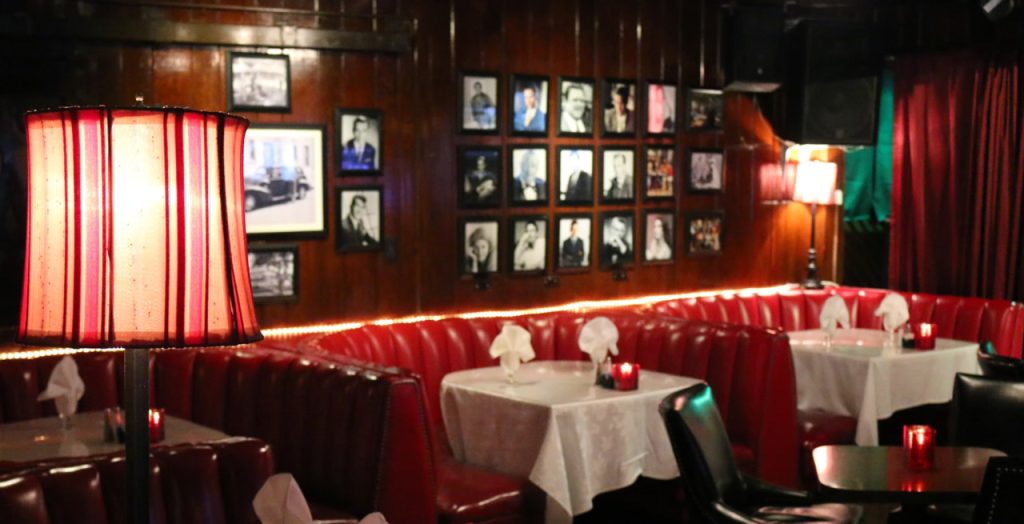
Fans of The Office may remember the awkward wedding festivities surrounding Jim Halpert and Pam Beesly, but some of the show’s most recognizable moments were filmed far from its fictional Scranton, Pennsylvania, setting. One real location connected to the series is the Smoke House Restaurant in Burbank, California. The restaurant served as the filming location for the Niagara Falls banquet hall where Jim and Pam’s wedding rehearsal dinner takes place in the sixth season. Its classic American restaurant atmosphere made it a suitable setting for the occasion, and the connection has given fans another reason to seek it out when exploring television locations around Los Angeles. The Smoke House itself predates the episode by decades, having opened in 1946 and becoming a long-running fixture near the Warner Bros. studio complex. Visitors can enjoy a meal while recognizing the restaurant’s place in television history, although the real venue is not the same as the fictional banquet hall in every detail. The distinction is worth remembering because many productions use existing businesses to represent places elsewhere in the country. In this case, a restaurant in Southern California helped bring a fictional Pennsylvania wedding celebration to life.
The Big Bang Theory Made Caltech a Familiar Television Setting

A university campus became part of the appeal of The Big Bang Theory, the sitcom built around a group of scientists, their friendships, and their often complicated social lives. The show is set in Pasadena, California, and the California Institute of Technology, commonly known as Caltech, is closely associated with its academic world. The campus and its surroundings help establish the scientific atmosphere central to the series, even though the main characters’ apartment and many interior scenes were created on studio sets. Caltech is a real research university with a long-standing reputation for science and engineering, making it a fitting backdrop for a sitcom featuring physicists and other academically minded characters. Visitors to Pasadena can explore the city’s broader collection of architectural landmarks, gardens, museums, and filming locations, although access to particular university buildings may be restricted. It is important not to assume that every room or laboratory seen on television exists on campus exactly as portrayed. The show’s connection to Caltech has nevertheless strengthened the university’s place in popular culture, introducing many viewers to a real scientific institution through a fictional group of researchers. For fans, the appeal lies in seeing how a recognizable academic setting helped shape the show’s identity.
Parks and Recreation Turned Pasadena City Hall Into Pawnee’s Government Center
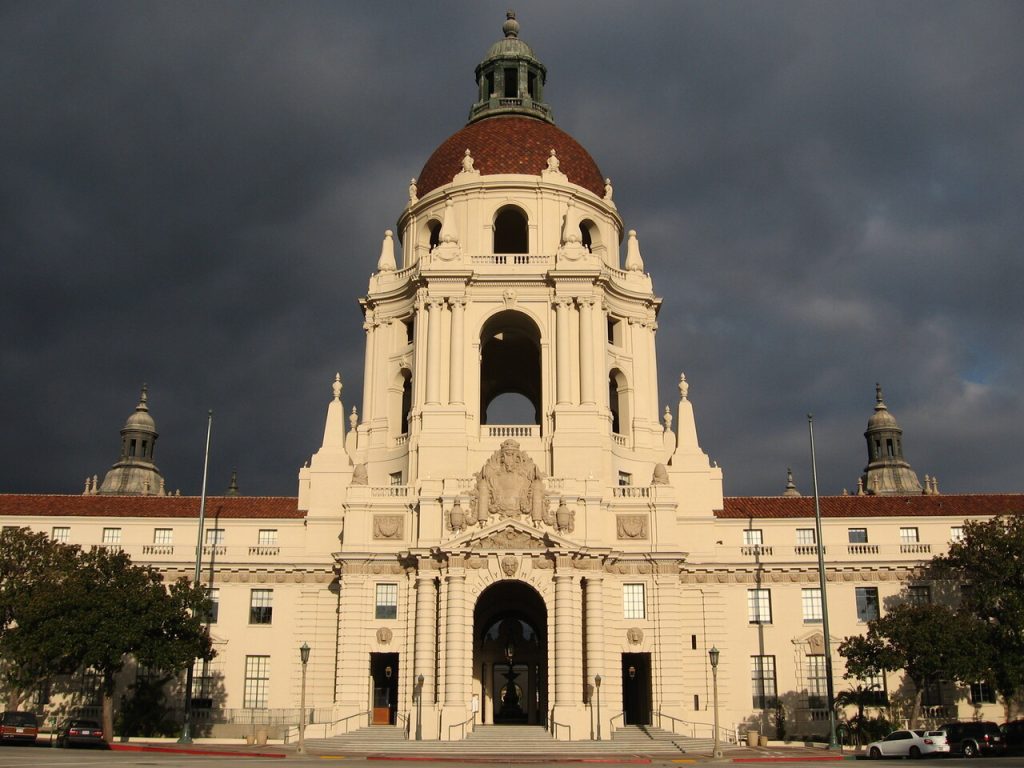
The fictional city of Pawnee, Indiana, had a very real architectural presence thanks to Parks and Recreation. Pasadena City Hall in California served as the exterior of Pawnee’s government building, where Leslie Knope and her colleagues worked through local politics, public projects, and an endless supply of bureaucratic complications. Completed in 1927, the building is known for its Mediterranean Revival architecture, pale exterior walls, decorative details, and distinctive dome. Its formal appearance made it a convincing location for a municipal building in the show’s fictional Midwestern town. The actual city hall remains an important civic landmark in Pasadena and has appeared in other film and television productions, demonstrating how a single building can represent different places across multiple stories. Fans can admire the exterior and explore the surrounding downtown area, but access to the interior may depend on public activities, office hours, and city rules. The location’s popularity also reflects the wider appeal of Pasadena as a filming destination, where historic architecture and carefully preserved streetscapes provide filmmakers with settings that can stand in for cities across the country. For Parks and Recreation fans, the building offers a real-world connection to the fictional department that made local government unexpectedly entertaining.