
The future of mining near Minnesota’s Boundary Waters Canoe Area Wilderness is once again drawing attention, with a new poll revealing that most likely voters oppose opening the area to new mines. The October 2026 survey found that 67% of respondents were against new mining projects, highlighting the ongoing tension between economic development and environmental protection. From growing public opposition to the controversial Twin Metals proposal, here are six important facts behind the poll and what its findings mean for Minnesota.
Two-Thirds of Minnesota Voters Oppose New Mines Near the Boundary Waters
A new poll has revealed a clear divide between public opinion and the push to expand mining near one of Minnesota’s most treasured natural areas. According to the October 2026 Minnesota Poll conducted for the Minnesota Star Tribune and KARE 11, 67% of likely voters oppose building new mines near the Boundary Waters Canoe Area Wilderness, while 26% support the idea. The findings arrive as the proposed Twin Metals copper-nickel mine remains at the center of a broader political and environmental debate. The Boundary Waters is a vast wilderness of lakes, streams, forests and wetlands that attracts paddlers, campers, anglers and other outdoor enthusiasts. Opponents of new mines worry that industrial activity near its watershed could put these resources at risk. Supporters, meanwhile, argue that responsible mining could create jobs and provide valuable metals for modern technologies. The poll did not ask voters to explain their individual reasons, but the overall result shows that opposition remains substantially higher than support statewide.
Northern Minnesota Residents Also Express Strong Opposition
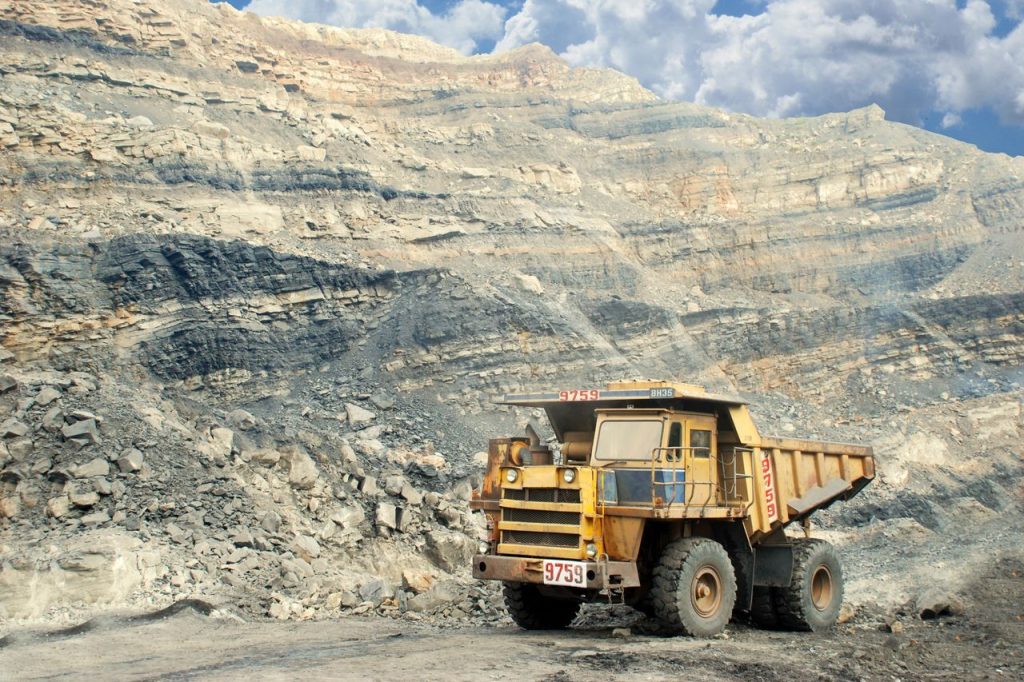
The debate over new mines is especially significant in northern Minnesota, where mining has long played an important role in local employment and the regional economy. Yet the latest poll found that opposition to new mines near the Boundary Waters extends into this part of the state. Among northern Minnesota respondents, 56% opposed the proposed expansion of mining near the wilderness, compared with 35% who supported it. That finding is notable because mining advocates often emphasize the industry’s importance to communities on the Iron Range, where jobs connected to traditional iron ore mining have faced uncertainty. Supporters of the proposed Twin Metals project argue that a copper-nickel mine could create employment opportunities and help sustain the region’s industrial economy. Those opposed to the project, however, question whether potential economic benefits justify the environmental risks associated with mining near sensitive waterways. The survey suggests that northern Minnesota voters are not united behind new mining projects, even in a region with a strong mining tradition.
The Proposed Twin Metals Mine Sits at the Center of the Controversy

Few projects illustrate Minnesota’s mining debate more clearly than the proposed Twin Metals copper-nickel mine near Ely and Babbitt. The project would extract copper, nickel and platinum-group metals from deposits in northeastern Minnesota, near the Boundary Waters Canoe Area Wilderness. Its future became more uncertain after the federal government and Minnesota officials took opposing approaches to mining restrictions. In spring 2026, Congress and President Donald Trump overturned a federal prohibition on mining federal minerals in part of the Superior National Forest, including the area associated with the proposed mine. Minnesota Gov. Tim Walz subsequently issued an executive order restricting new state mineral leases and directing state agencies to pause certain mining-related work while legal questions remain unresolved. The state action does not automatically settle the project’s future, and federal mineral leases remain entangled in litigation. The distinction matters because lifting a federal mining ban does not itself grant a company every permit needed to construct and operate a mine. The latest poll captures public sentiment while the legal, regulatory and political questions surrounding Twin Metals remain unsettled.
Opposition Has Grown Since the 2020 Minnesota Poll

Public resistance to mining near the Boundary Waters is not a new development, but the latest survey suggests that opposition has strengthened since the previous Minnesota Poll asked a similar question in 2020. At that time, 60% of respondents opposed new mines near the wilderness, while 22% supported them. In October 2026, opposition reached 67%, and support increased to 26%. The Star Tribune reported that the rise in opposition was statistically significant, meaning it was unlikely to be explained by sampling variation alone under the poll’s statistical assumptions. The increase in support also suggests that the issue continues to attract attention from people who see potential economic benefits in expanding mining. These results should not be interpreted as proof that every demographic group has shifted in the same direction, since attitudes can vary by location, political affiliation and personal experience. Still, the statewide figures indicate that opposition remains the dominant position among likely voters. The findings also show why the Boundary Waters continues to be a prominent issue in discussions about Minnesota’s environmental policies and economic future.
Concerns About Water Pollution Drive the Wider Mining Debate

Protecting clean water is central to the controversy over copper-nickel mining near the Boundary Waters. Unlike traditional taconite mining, which focuses on iron ore, proposed copper-nickel operations can involve sulfide-bearing rock. When sulfide minerals are exposed to oxygen and water, chemical reactions can produce acidic drainage that may mobilize metals and contaminate nearby water if it is not effectively controlled. The concern is particularly serious around the Twin Metals proposal because the planned mine would be near Birch Lake, which lies upstream of the Boundary Waters Canoe Area Wilderness. Water moving through connected lakes, streams and wetlands can carry pollutants beyond the immediate mining site, making watershed protection an important consideration. Mining supporters argue that modern engineering, monitoring and regulatory oversight can reduce environmental risks while allowing valuable minerals to be extracted. Opponents counter that the potential consequences of contamination in a large, interconnected wilderness area are too serious to accept. The poll measured whether voters supported or opposed new mines near the Boundary Waters, not whether they personally cited water pollution as their reason. Environmental risks nevertheless remain a central factor in the broader public debate.
The Poll Surveyed 800 Likely Voters Over Three Days

The numbers behind the headline come from a survey conducted between October 5 and October 7, 2026. Mason-Dixon Polling and Strategy Inc. interviewed 800 likely Minnesota voters for the Minnesota Star Tribune and KARE 11, asking whether they generally supported or opposed building new mines near the Boundary Waters in northern Minnesota. The results showed 67% opposed, 26% in favor and the remainder not accounted for in those two headline figures. As with any public opinion survey, the findings provide an estimate of voter sentiment rather than a count of every Minnesotan’s views. Sampling methods, the wording of the question, the timing of the interviews and the characteristics of the people who responded can all affect the results. The poll also does not determine whether Twin Metals or any other mining proposal will receive regulatory approval. Those decisions depend on applicable laws, environmental reviews, permits and court proceedings. What the survey does establish is that, at the time it was conducted, opposition to new mines near the Boundary Waters substantially outweighed support among the likely voters surveyed.