
St. Paul is giving a new neighborhood park a name that carries a much deeper meaning than a simple location marker. The city has officially named its upcoming five-acre park Koom Siab, a Hmong phrase meaning to unite or come together. The decision recognizes the cultural influence of the Hmong community, particularly in the Greater East Side, while reflecting the city’s goal of creating a welcoming public gathering space. Part of the larger Heights redevelopment on the former Hillcrest Golf Course property, the park will feature sports courts, picnic areas, playground facilities, public art and spaces for outdoor recreation. Its name also marks an important milestone for Hmong representation in Minnesota’s public parks.
Koom Siab Means ‘To Unite’ and ‘Come Together’ in Hmong
A park’s name can say a lot about the community it serves, and St. Paul has chosen one with a particularly meaningful message. Koom Siab, pronounced kong-SHEE-aah, is a Hmong phrase that translates to unite, come together or join. The name reflects the city’s desire to create a public space where residents can build relationships, share experiences and feel connected to their neighborhood. It is especially meaningful in the Greater East Side, where Hmong families have played an important role in shaping the area’s cultural identity. Rather than naming the park after a historical figure or a nearby street, the city selected a phrase that expresses a shared sense of belonging. The choice also reflects the broader vision for The Heights, the redevelopment of the former Hillcrest Golf Course into a neighborhood with housing, employment opportunities and public green spaces. Koom Siab is intended to represent the connection between longtime residents and the people who will move into the developing community. It gives the new park an identity rooted in the surrounding population while making togetherness a central part of its purpose.
The Park’s Name Came From Community Feedback
The decision to name the park Koom Siab was not made without input from the people who will use it. St. Paul incorporated community suggestions into the naming process, receiving 120 responses that were reviewed before a shortlist of potential names was developed. Residents submitted ideas that reflected welcoming, togetherness and a sense of belonging, giving city officials a clearer understanding of what the new public space should represent. The Parks and Recreation Commission reviewed the proposals under its park-naming policy and recommended Koom Siab Park on October 8, 2026. The recommendation then moved to the City Council, which formally approved the name on October 28, 2026, through Resolution RES 26-1782. Council Member Nelsie Yang sponsored the resolution, bringing the proposal before the council. This process is important because public parks are long-term community assets, and their names often remain part of a neighborhood’s identity for generations. By gathering suggestions and considering the cultural significance of the proposed name, the city gave residents an opportunity to influence how the new park would be recognized. The result reflects more than a naming decision. It represents an effort to make the community’s voice visible in a major public development.
It Will Be the First Hmong-Named Park in Minnesota
For Minnesota’s Hmong community, the decision to name a public park in their language carries significance well beyond the boundaries of one neighborhood. St. Paul has the second-largest Hmong population of any city in the United States, while the Greater East Side has the largest concentration of Hmong residents in the Twin Cities. Despite this strong cultural presence, the city council’s resolution noted that no parks in the Twin Cities had previously been named in Hmong. Koom Siab Park will therefore become the first Hmong-named park in St. Paul’s park system and the state of Minnesota. The recognition is particularly meaningful because public park names are visible parts of everyday community life. They appear on maps, signs, event announcements and local directions, giving residents and visitors repeated opportunities to encounter the language. It also creates a lasting connection between the city’s public spaces and the people who have helped shape its cultural landscape. For younger Hmong residents, seeing their language represented in an official park name can provide a meaningful reminder that their heritage belongs in the shared identity of the city. The decision also introduces visitors from outside the community to a Hmong phrase centered on cooperation and belonging.
The Five-Acre Park Will Bring New Recreation Spaces to The Heights
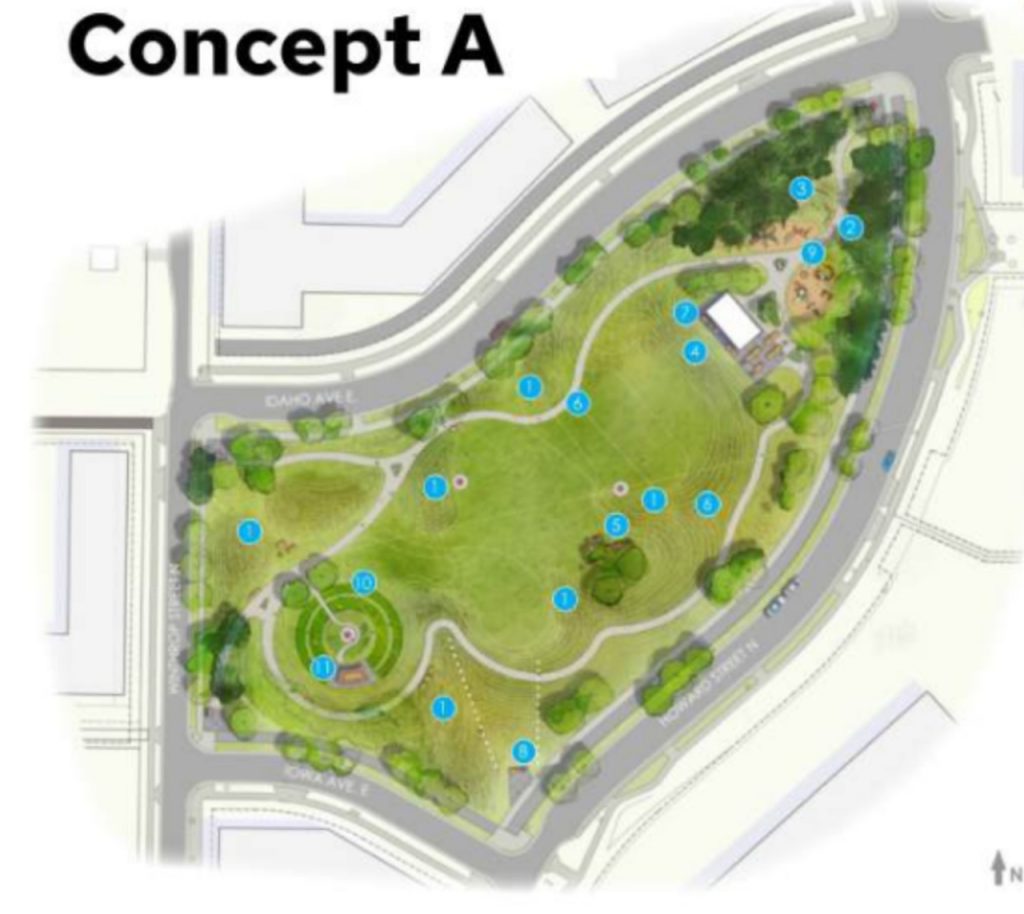
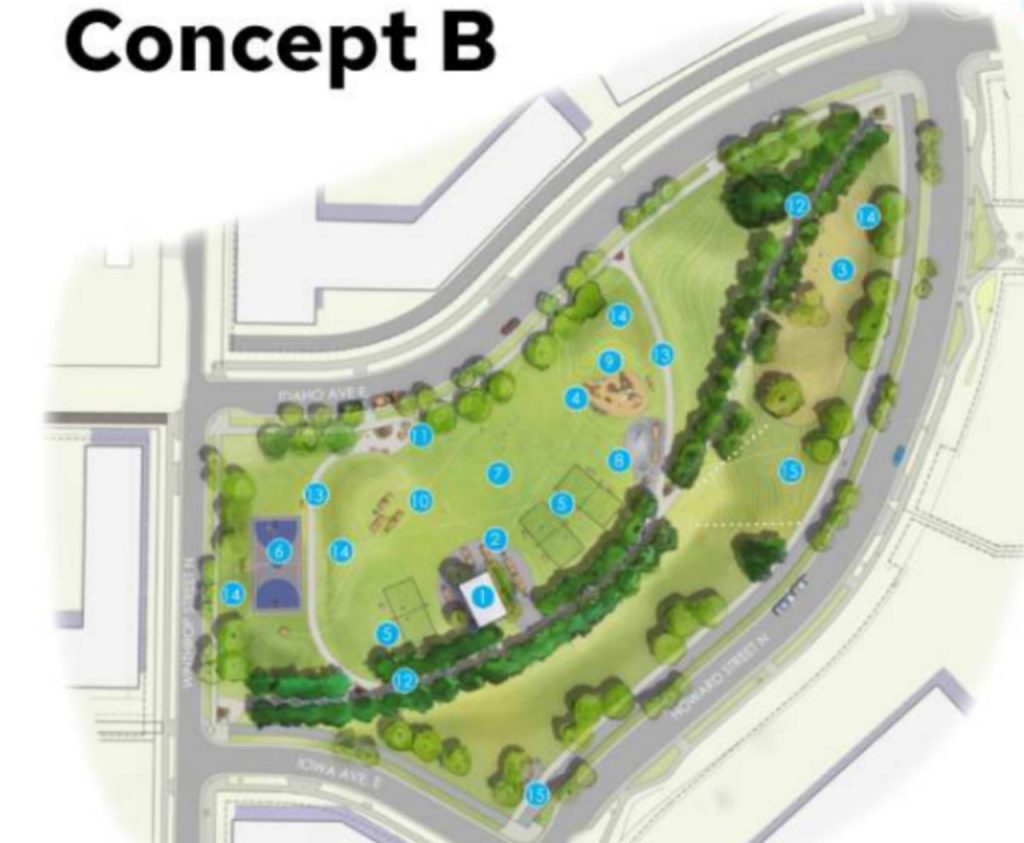
The name may be the most distinctive part of the announcement, but the park itself is designed to become a useful everyday destination for residents. Koom Siab Park will cover approximately five acres within The Heights, a 112-acre redevelopment of the former Hillcrest Golf Course in northeast St. Paul. Its planned facilities include a combined futsal and basketball court, a play area, picnic tables, grills and flexible lawn spaces. A central picnic shelter and restroom building will provide practical facilities for families and other visitors, while a sledding hill will give the park a seasonal attraction during Minnesota’s colder months. The design also includes natural plantings, trees and public art installations known as tree creatures, adding visual interest to the outdoor setting. The project is being developed to serve both existing Greater East Side residents and people moving into the new neighborhood. Its mixture of active recreation and quieter gathering areas reflects feedback collected during the community engagement process. Construction began in October 2026, and the city expects completion in late summer 2027. Koom Siab Park is also part of a much larger redevelopment vision for The Heights, which includes housing, employment opportunities and additional public green space. Once finished, the park will give the growing neighborhood a shared outdoor destination where people can play, gather and spend time together.