

The push to release more Jeffrey Epstein records is returning to Congress as lawmakers prepare for a shift in House leadership. Rep. Thomas Massie says he expects support for a vote on a second transparency bill, while incoming House Oversight Democrats have named the Justice Department’s handling of the Epstein investigation as a priority. The proposal would add new ways for victims and officials to challenge alleged failures to disclose records.
The Midterm Results Put Epstein Records Back on Congress’s Agenda
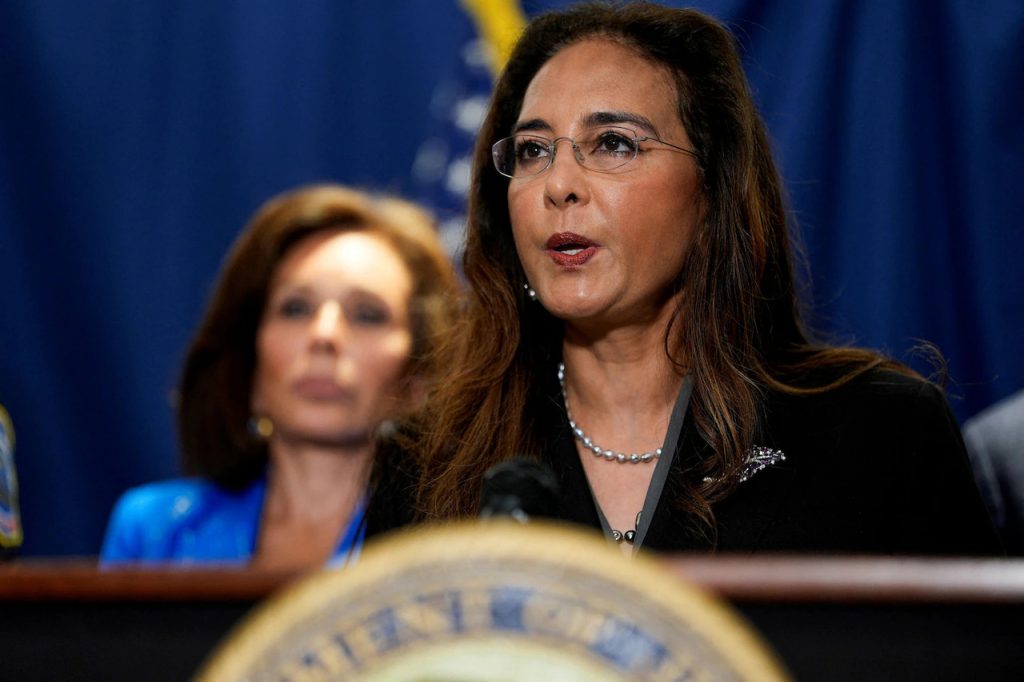
The renewed push follows Democrats’ midterm victories and plans to take control of Congress. Rep. Robert Garcia has identified the Justice Department’s handling of the Epstein investigation as one of the incoming House Oversight Committee’s priorities. The issue also featured in the campaigns, where candidates from both parties and outside groups spent heavily on ads mentioning Epstein and allegations of sexual abuse.
The Original Law Set a Deadline for Releasing Unclassified Records

The Epstein Files Transparency Act, signed into law in November 2025, required the attorney general to make unclassified records about Epstein publicly available in a searchable, downloadable format within 30 days. It covers material held by the Justice Department, FBI and U.S. attorneys’ offices, including records about Epstein, Ghislaine Maxwell, travel logs, investigations and related agreements. The law allows limited redactions, including to protect victims’ privacy and avoid compromising active investigations.
The Second Bill Would Give Victims and Officials a Route to Sue

Rep. Thomas Massie and Rep. Ro Khanna introduced the Epstein Files Transparency Act II in July 2026. The proposal would let victims, state attorneys general, local prosecutors, other authorized state officials and members of Congress challenge the Justice Department in court over alleged failures to disclose records under the existing law. The bill is proposed legislation, so these legal options would not take effect unless Congress passes it and it becomes law.
A Discharge Petition Can Help Bring a Measure to the House Floor
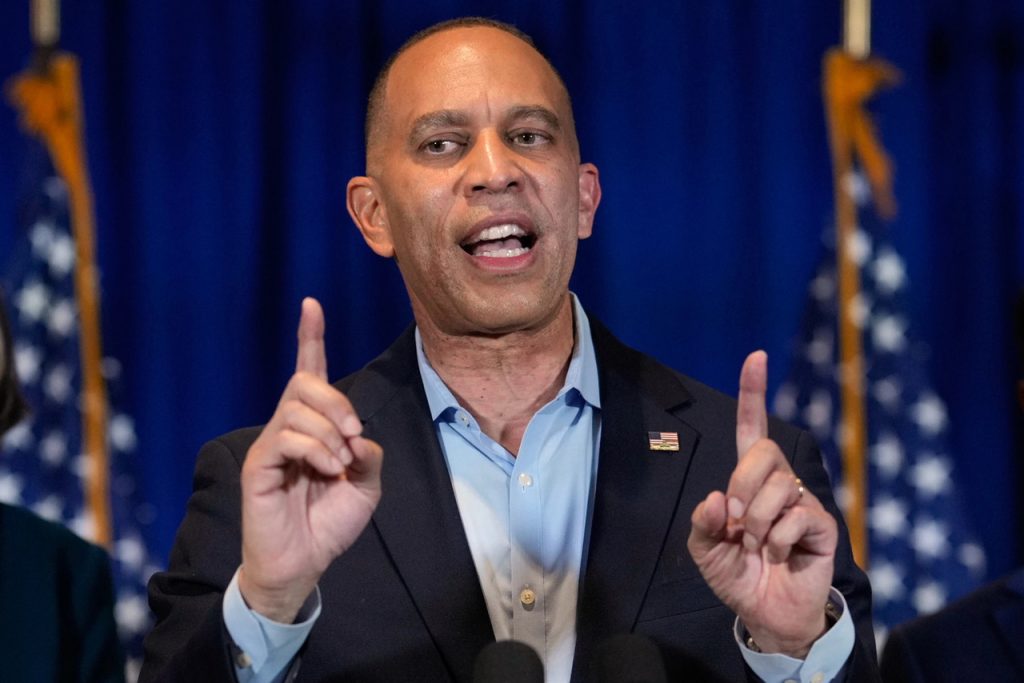
A discharge petition is a House procedure for moving a bill out of committee when it has not been brought forward through the usual process. It takes signatures from 218 House members, a majority of the chamber’s 435 members. Reaching that threshold does not itself pass the bill: it allows the House to consider a motion to discharge the committee, and, if that motion succeeds, lawmakers can move to consider the measure. Massie said he expects the petition to reach the required number of signatures when the House returns.
The Proposed Bill Would Add Access and Enforcement Measures

The proposal goes beyond creating a path to challenge withheld records. It would let victims request full, unredacted records about themselves and the harm they suffered, and require DOJ to provide state and local prosecutors with unredacted material needed for investigations and court proceedings. The bill also proposes applying existing federal criminal penalties to DOJ and FBI officials who knowingly conceal, destroy, falsify or withhold files, and would bar certain legal privileges from being used to avoid the original law’s disclosure requirements.
House Oversight Democrats Want to Examine DOJ’s Handling of the Case

Incoming House Oversight Democrats have named the Epstein investigation as one of several areas they want to examine. Garcia has pointed to the lack of public hearings and said survivors have expressed interest in testifying before Congress. He also said people who have not testified may be asked to do so. These are stated investigative aims; the committee’s specific plans, including whether it will hold hearings or issue subpoenas, will be determined under its new leadership.
The Next Steps Depend on Congress and the Bill’s Supporters

Massie and Khanna are seeking a House vote on their second transparency bill, and Massie said he expects supporters to reach 218 signatures when lawmakers return. If the House does not consider the bill within seven legislative days, Massie’s office says a discharge petition will be circulated. Even if the petition secures enough signatures and the House considers the measure, it would still need to pass Congress and become law before its proposed changes take effect.