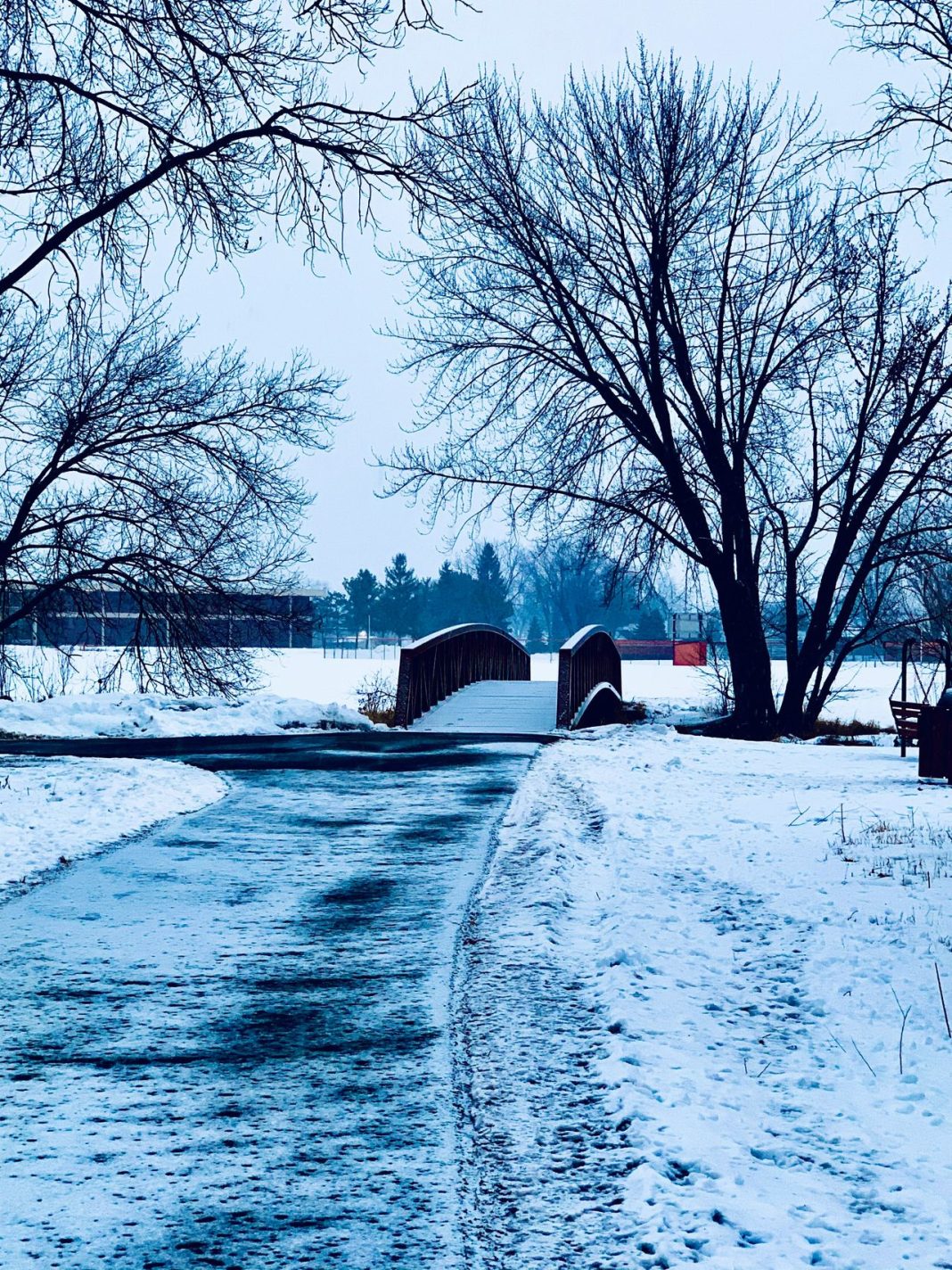

Winter in Minnesota can turn dangerous fast. That is exactly why November 16–20 is set aside as Winter Hazard Awareness Week across the state. The campaign breaks down cold-weather safety into five daily themes people can actually use.
Why the week matters before deep winter arrives

Minnesota officials use Winter Hazard Awareness Week, held November 16–20, to push five daily safety themes before the coldest stretch of the season. Tuesday’s focus is outdoor winter safety, while the rest of the week includes fire safety, indoor air quality, and winter driving. That structure matters because early-season storms often catch people before routines are set.
A practical starting point is an emergency kit, especially for homes and vehicles in places like Duluth, Mankato, and the Twin Cities. A solid winter kit should include blankets, water, a flashlight, batteries, a phone charger, and at least 3 days of basic supplies. In a vehicle, jumper cables, sand or cat litter, and a shovel can make a real difference during a roadside delay.
Ice safety also belongs near the top of the list every November because no frozen lake should be assumed safe. The Minnesota Department of Natural Resources has long warned that ice thickness can vary widely on the same body of water, especially near inlets, outlets, bridges, and pressure ridges. A cold week does not guarantee uniform ice, even in northern Minnesota.
Home heating and indoor air risks are a major focus
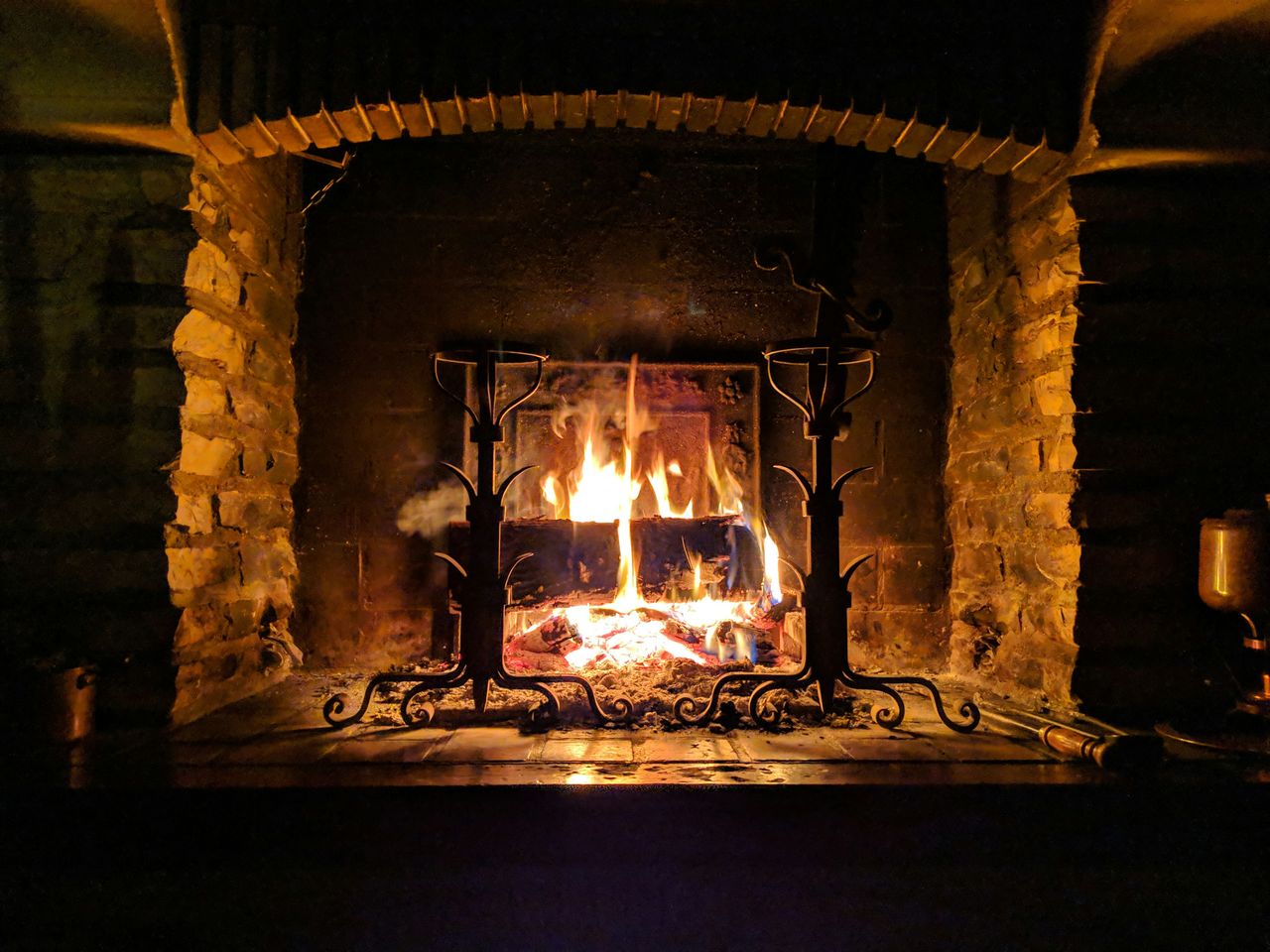
Fire safety gets attention during this week because home heating equipment is one of the biggest winter hazards. The National Fire Protection Association has reported that heating is the 2nd leading cause of home fires in the United States. In Minnesota, that makes fireplaces, space heaters, and furnaces worth checking before temperatures sink below freezing.
Safe fireplace and heater use starts with distance and maintenance. The NFPA advises keeping anything that can burn at least 3 feet away from heating equipment. Chimneys and vents should be cleaned and inspected, and space heaters should be plugged directly into a wall outlet rather than an extension cord.
Indoor air quality is another theme, and carbon monoxide alarms are central to it. The Centers for Disease Control and Prevention warns that carbon monoxide is colorless and odorless, which is why alarms should be installed on every level of a home. Winter raises the risk when cars idle in garages, vents get blocked by snow, or furnaces malfunction.
Driving, snowplows, and outdoor decisions can save lives
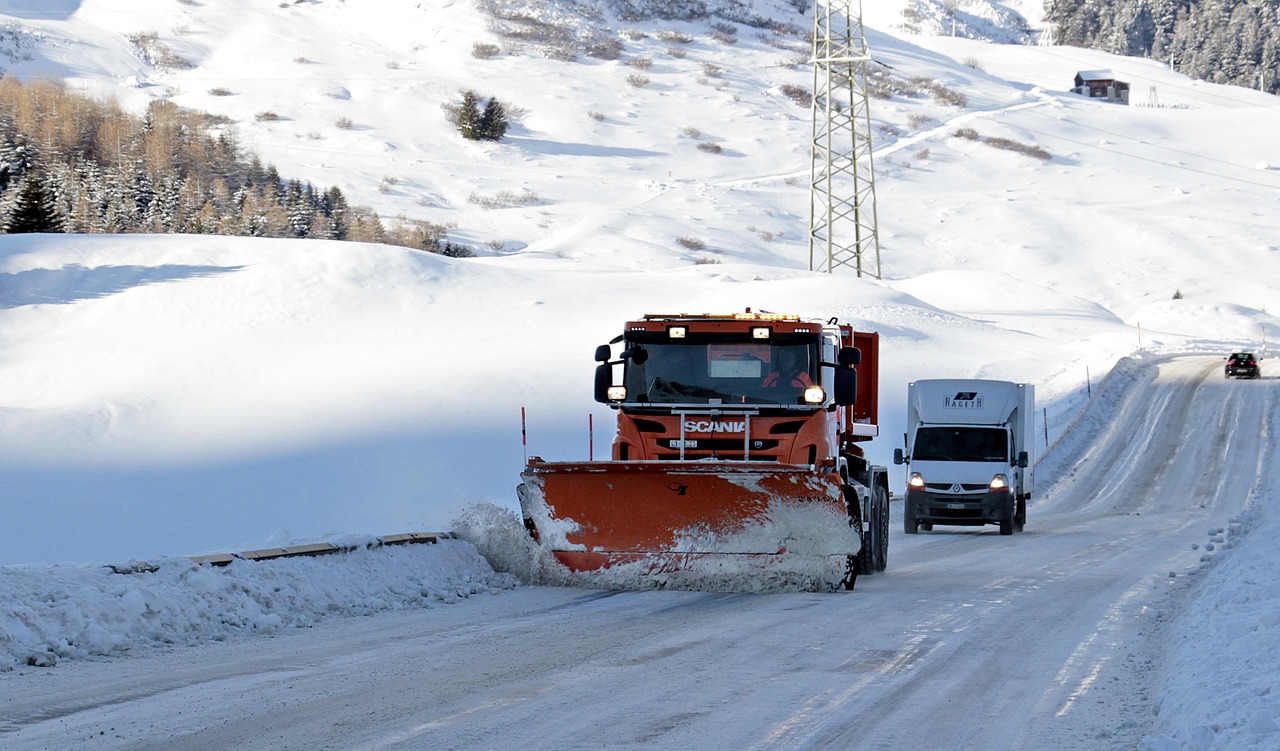
Winter driving rounds out the week’s most practical lessons because Minnesota roads can change within hours. Preparing a vehicle means checking tires, battery strength, wiper blades, washer fluid, and fuel level before major cold snaps. AAA has repeatedly warned that low temperatures reduce battery performance, which is why older batteries often fail on the first subzero morning.
Drivers also need to give snowplows room. The Minnesota Department of Transportation regularly reminds motorists to stay back at least 10 car lengths, because blowing snow can hide the plow’s edges and the road ahead. Passing a plow is especially risky since the lane in front of it is often the least treated part of the road.
Tuesday’s outdoor winter safety theme ties those ideas together with one simple message: plan before you go. In Minnesota, frostbite can develop quickly when wind chills plunge, and stranded drivers can face life-threatening conditions in a short time. A checked forecast, layered clothing, and a stocked kit are small steps that matter a lot once winter fully arrives.