New York’s New Museum has reopened with a dramatically expanded home and a fresh exhibition program that gives visitors plenty to explore. The seven-story, 60,000-square-foot addition doubles the museum’s exhibition space and introduces new ways to experience art both inside and outside the galleries. The reopening brings together four major exhibitions, spanning Arthur Jafa’s nearly four-decade career, Diego Marcon’s distinctive moving-image work, the cultural history of the Bowery, and Singaporean artist Ho Tzu Nyen’s international practice. Beyond the galleries, visitors can find a new public plaza, large-scale art commissions, expanded retail space, and the OMA-designed Oberon restaurant and bar. Together, these additions mark a significant new chapter for the Bowery institution.
Arthur Jafa’s Biggest Museum Survey Yet
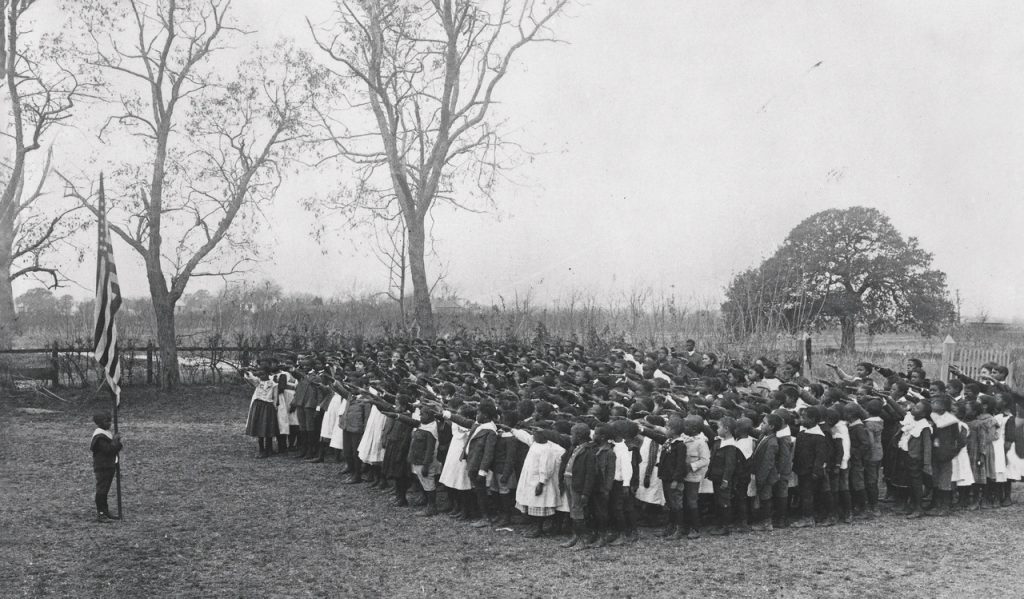
The reopening puts Arthur Jafa’s work at the center of the New Museum’s new exhibition program with I Am Tony, a survey the museum describes as the artist’s most comprehensive to date. Jafa’s work spans film, video, photography, painting, and sculpture, and the exhibition brings together pieces from nearly four decades of his practice. Rather than presenting his career as a simple timeline, the show brings different bodies of work into conversation, giving visitors a chance to see how recurring ideas and visual approaches have developed over time. The museum has also included new and recent works alongside earlier pieces, making the exhibition both a look back and a presentation of where Jafa’s practice stands now. I Am Tony opened September 25, 2026, and is scheduled to remain on view through January 4, 2027. Its scale reflects the additional exhibition capacity created by the museum’s expansion.
Diego Marcon Turns the Gallery Into a Different Kind of Experience
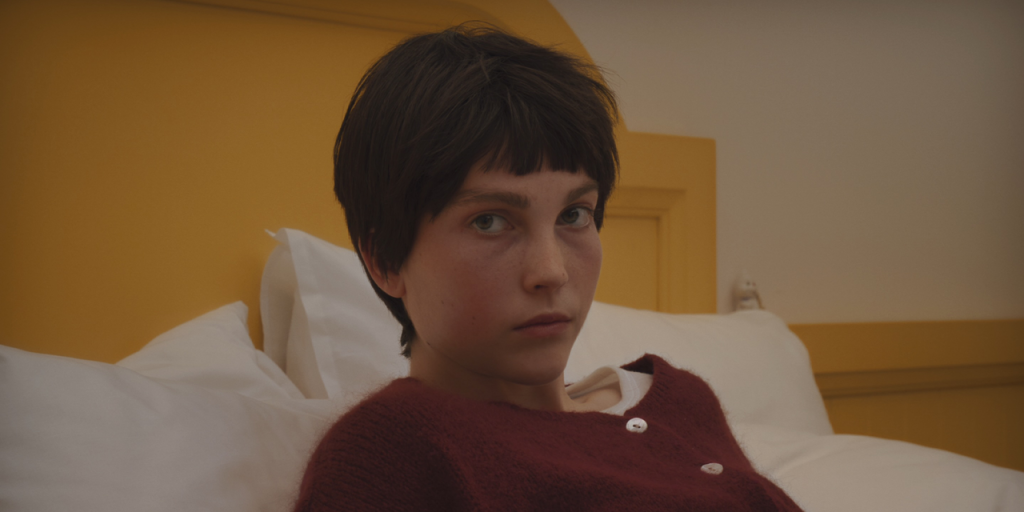
Diego Marcon’s Arrivederci, Piggies! gives the reopening a very different artistic voice from the Jafa survey. The exhibition is part of the New Museum’s opening group of major presentations in the expanded building and opened September 25, 2026. Marcon is known for working across moving images and other forms, creating carefully constructed environments that can blur the boundaries between cinema, animation, installation, and visual art. The title itself signals the playful and unsettling character associated with the project, while the presentation gives visitors another way to experience the expanded museum beyond a traditional collection-style display. The exhibition is scheduled to remain on view through January 31, 2027, placing it alongside the museum’s other major reopening exhibitions for the first months of the expanded building’s public program.
The Bowery Becomes Part of the Museum’s Story
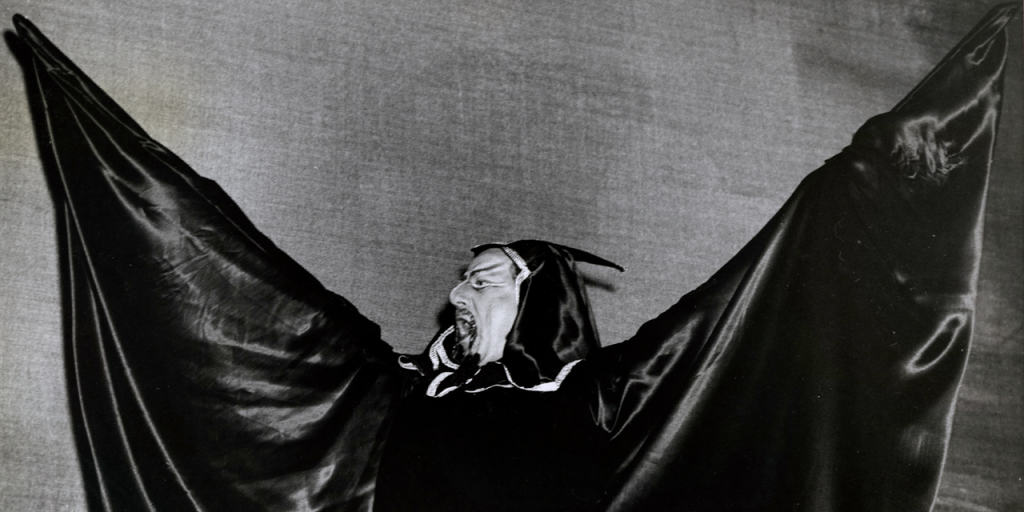
The New Museum does not treat its neighborhood as an incidental backdrop. The Bowery: Devil’s Mile makes the street that has surrounded the institution for years the subject of an exhibition in its own right. The presentation opened September 25, 2026, as part of the reopening program and remains scheduled through January 31, 2027. That focus is particularly fitting for a museum whose identity has long been tied to its Bowery location. By turning attention toward the street and its history, the exhibition connects the institution’s contemporary-art program with the physical and cultural setting around it. Visitors therefore encounter a show that is not simply about an individual artist but about a place that has played an important role in the museum’s story and in New York’s changing cultural landscape.
Ho Tzu Nyen Brings a Southeast Asian Perspective
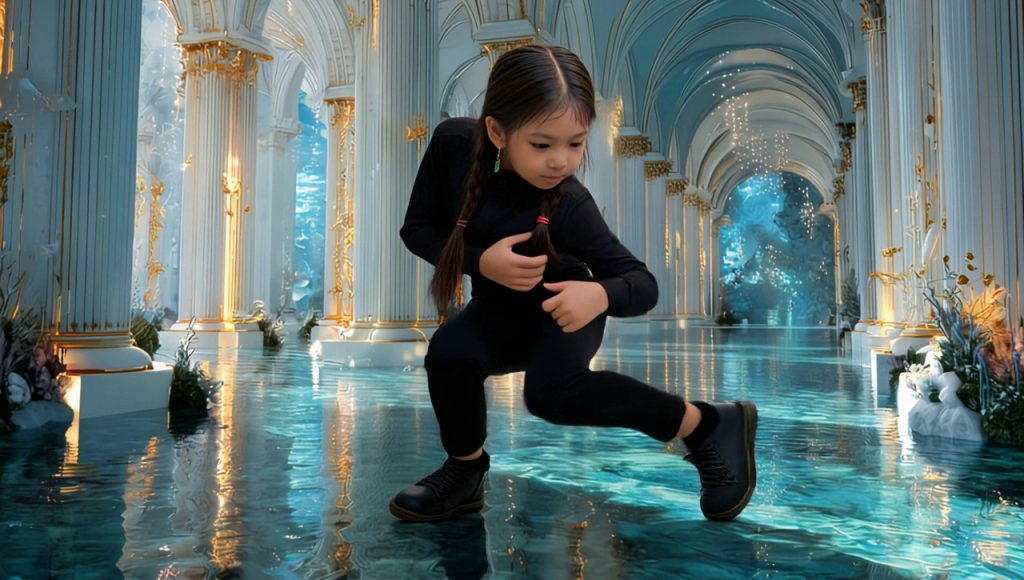
The fourth major exhibition broadens the reopening program internationally through the Hyundai Translocal Series presentation devoted to Singaporean artist Ho Tzu Nyen. The exhibition opened September 25, 2026, and is scheduled to continue through January 25, 2027. Its inclusion is significant within a reopening that brings together artists working across very different geographic and artistic contexts. Ho’s practice frequently draws on history, mythology, cinema, performance, and technology, allowing historical material to be reconsidered through contemporary forms. The Hyundai Translocal Series itself gives the New Museum a framework for presenting artists and ideas across borders, making this presentation part of a wider effort to connect contemporary art in New York with practices developing elsewhere. Alongside the Jafa, Marcon, and Bowery exhibitions, it completes the group of four major shows highlighted for the museum’s reopening.
Seven New Stories Worth of Museum Space
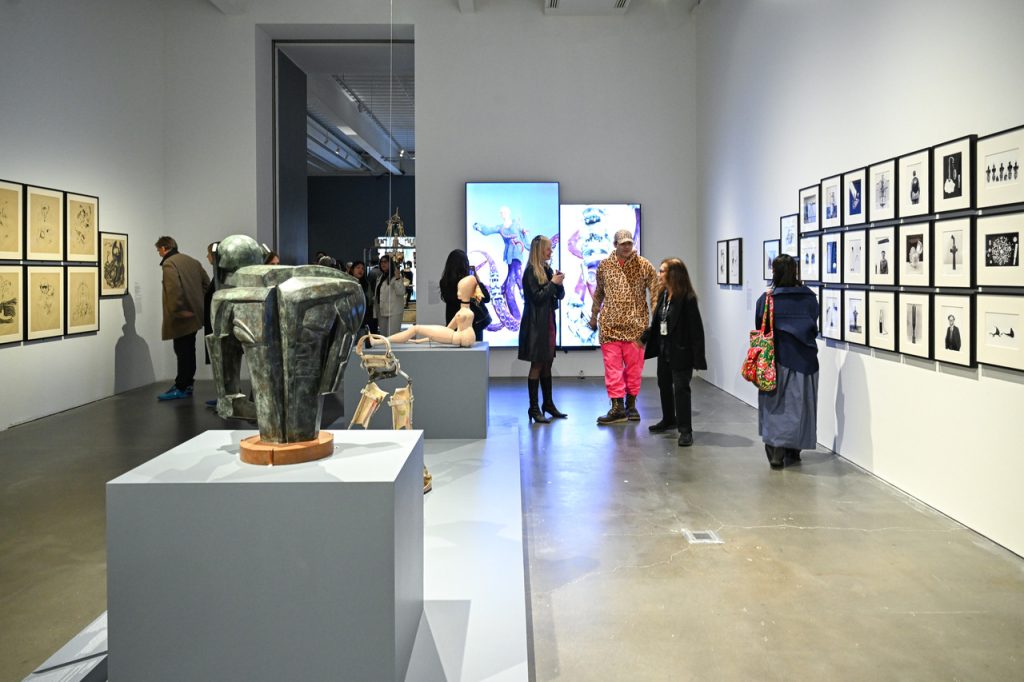
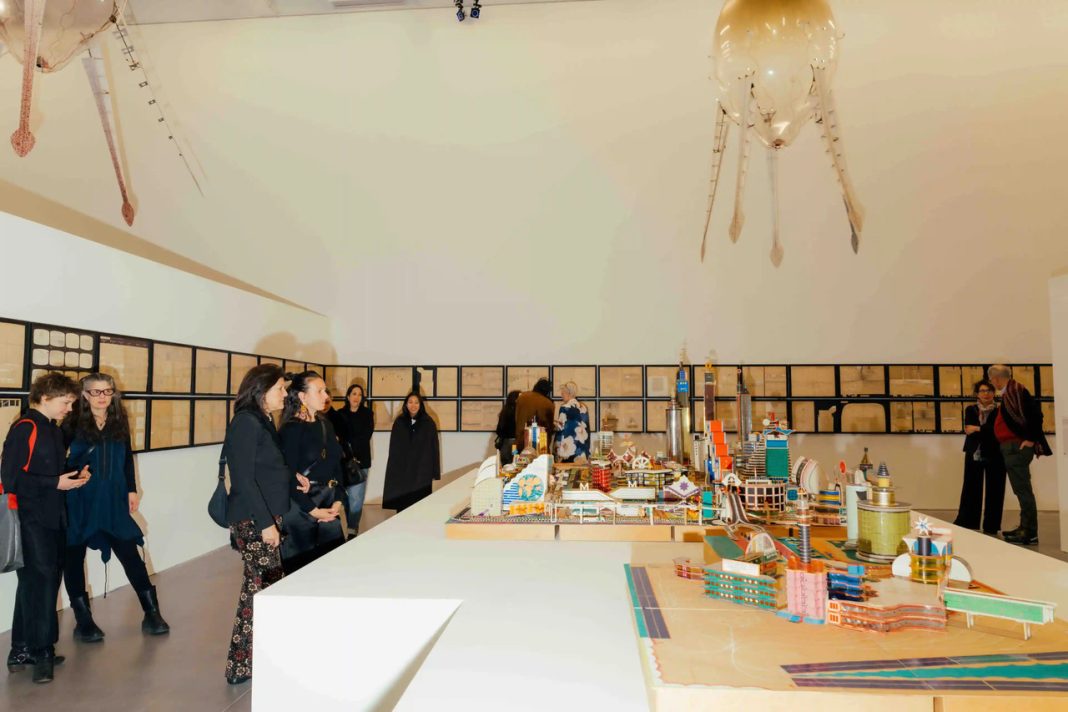
The physical change is almost as important as what is hanging inside the galleries. The New Museum completed a 60,000-square-foot, seven-story expansion, its first major expansion since the institution opened its flagship Bowery building in 2007. The addition doubles the museum’s exhibition space, giving it considerably more room to mount large-scale shows and develop broader programming. The project was designed by OMA and changes the scale of what the institution can present to the public. The expansion also includes a new public plaza intended for art installations, performances, and gatherings, so the additional space is not limited to conventional indoor galleries. The result is a museum with a significantly larger footprint and more opportunities to combine exhibitions with public activity. That extra capacity is especially visible in the reopening program, which brings four major exhibitions into the building at the same time.
The New Museum Adds Art, Dining, and Public Space
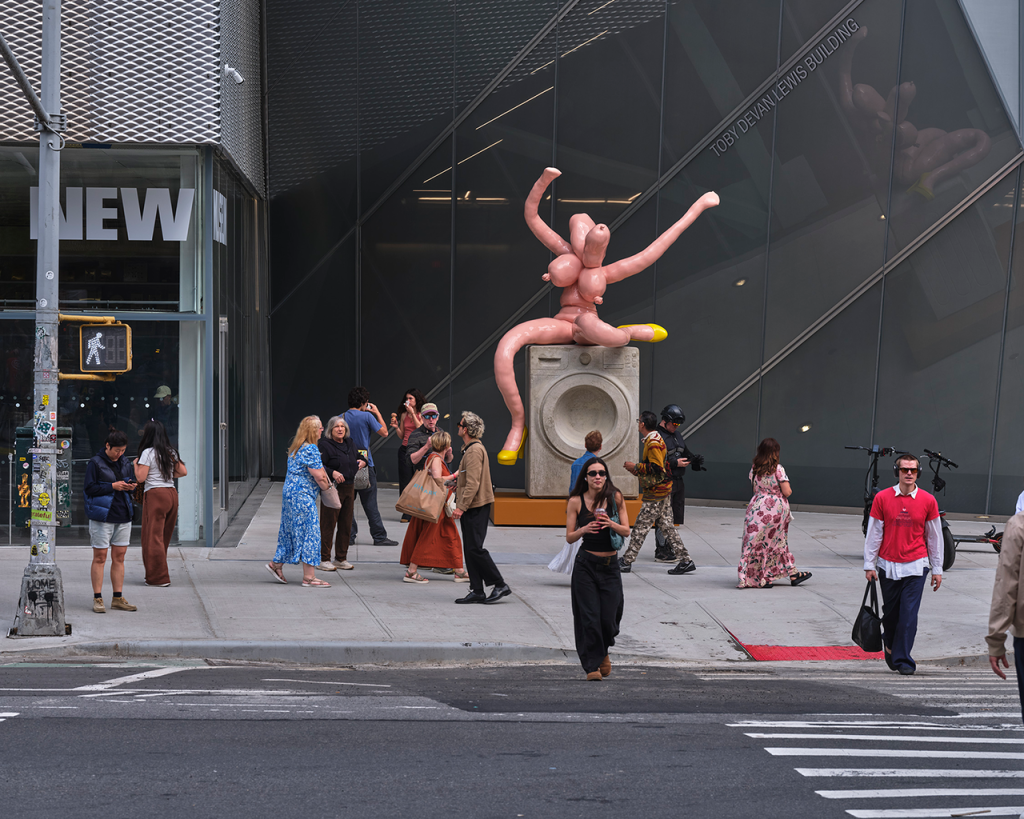
The reopening also extends beyond the galleries. The expanded building includes a new public plaza that can host installations, performances, and gatherings, with long-term commissions including Sarah Lucas’s VENUS VICTORIA, Tschabalala Self’s Art Lovers on the facade, and Klára Hosnedlová’s Shelter at the atrium stair. Inside the lobby, Oberon provides an all-day restaurant and bar, adding a dining component to the museum experience. The restaurant is part of the OMA-designed expansion and was introduced earlier in 2026 as a zero-waste restaurant. The museum has also expanded its retail space to more than twice its original size, with artist-driven collaborations and unusual design-focused products. Taken together, these additions show that the expansion was built to make the New Museum more than a larger set of galleries. It creates more places for visitors to encounter art, gather, eat, shop, and take part in public programs.