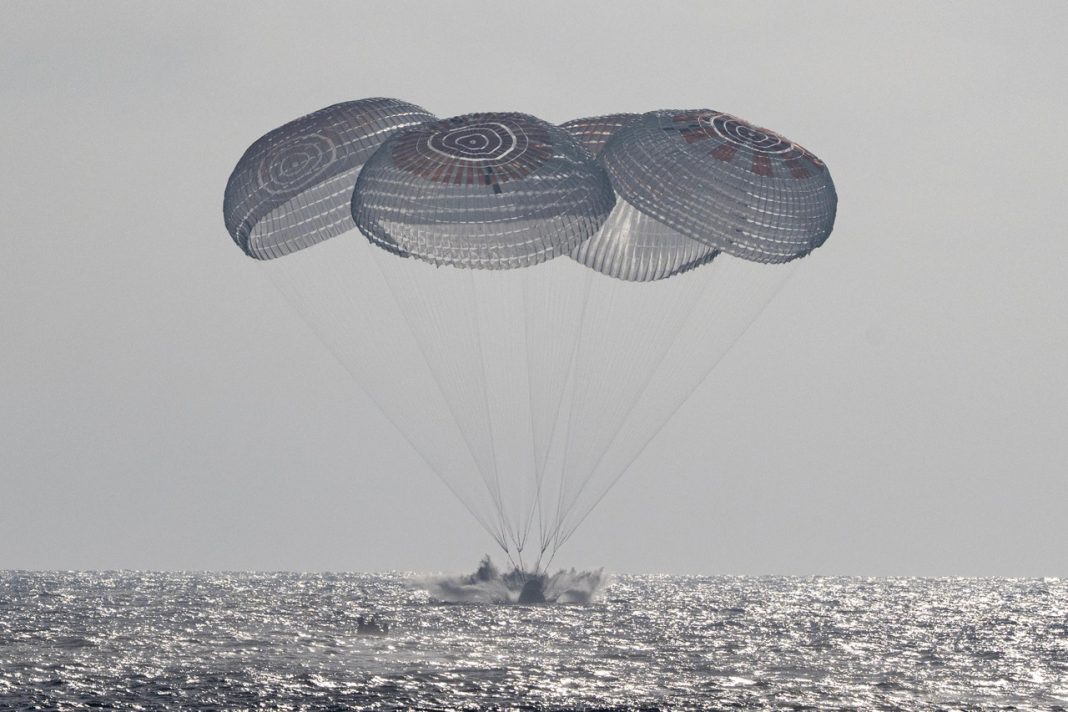

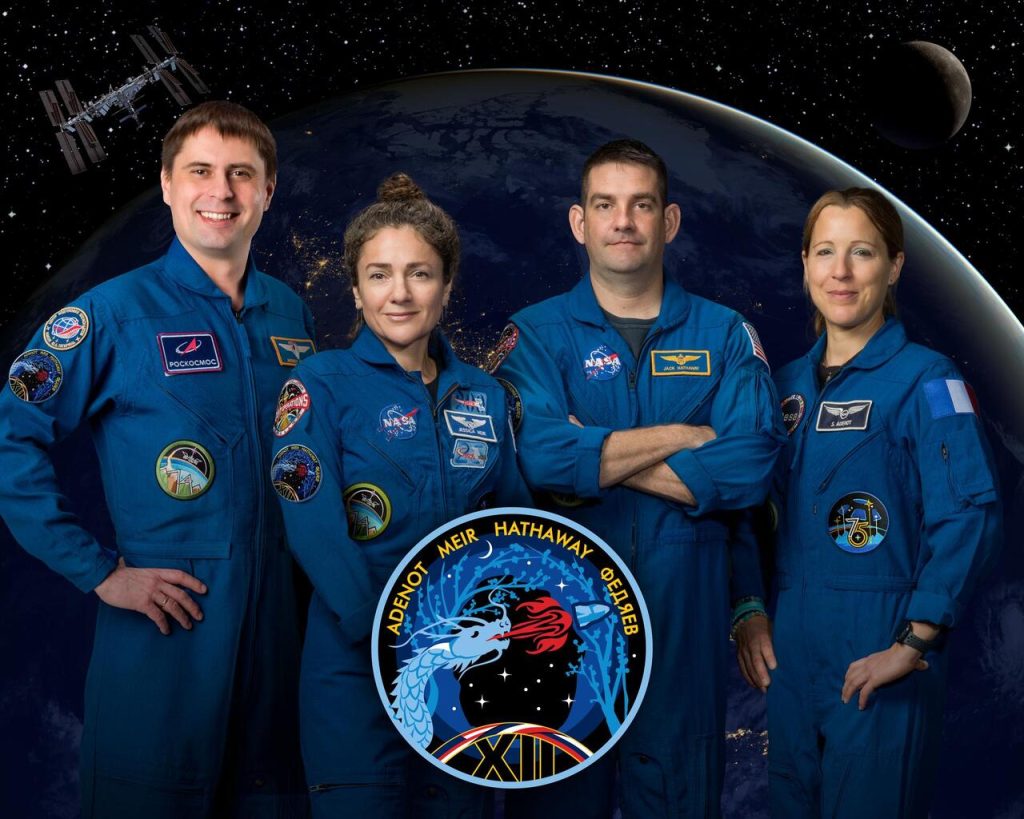
After spending 237 days aboard the International Space Station, four astronauts have returned to Earth with remarkable experiences and valuable scientific findings. NASA astronaut Jessica Meir, NASA astronaut Jack Hathaway, European Space Agency astronaut Sophie Adenot, and Roscosmos cosmonaut Andrey Fedyaev completed thousands of orbits while supporting research, maintaining station equipment, and testing technologies that could shape future space missions. From historic spacewalks to experiments involving stem cells and medical supplies, their mission highlighted how life in orbit continues to advance science on Earth. Here are six highlights from their extraordinary journey.
The Crew Traveled More Than 100 Million Miles in Space
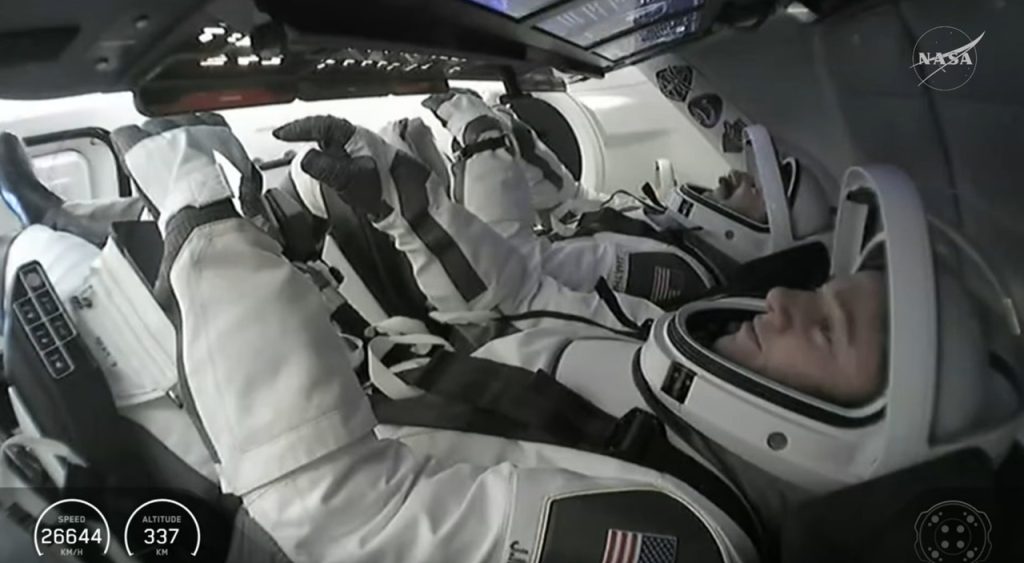
Spending 237 days away from Earth is an extraordinary feat, but the distance covered by NASA’s Crew-12 astronauts makes their journey even more remarkable. NASA astronauts Jessica Meir and Jack Hathaway, European Space Agency astronaut Sophie Adenot, and Roscosmos cosmonaut Andrey Fedyaev traveled more than 100 million miles while living and working aboard the International Space Station. Their mission began with a launch on February 13, 2026, and concluded with a splashdown in the Pacific Ocean off the coast of Los Angeles on October 8. During their stay, the crew conducted scientific research, maintained station equipment, and supported investigations into human health and space technology. The distance covered reflects the space station’s continuous movement around Earth, rather than a journey away from the planet into deep space. Their experience also provided valuable operational knowledge for future long-duration missions.
The Astronauts Completed More Than 3,792 Orbits Around Earth
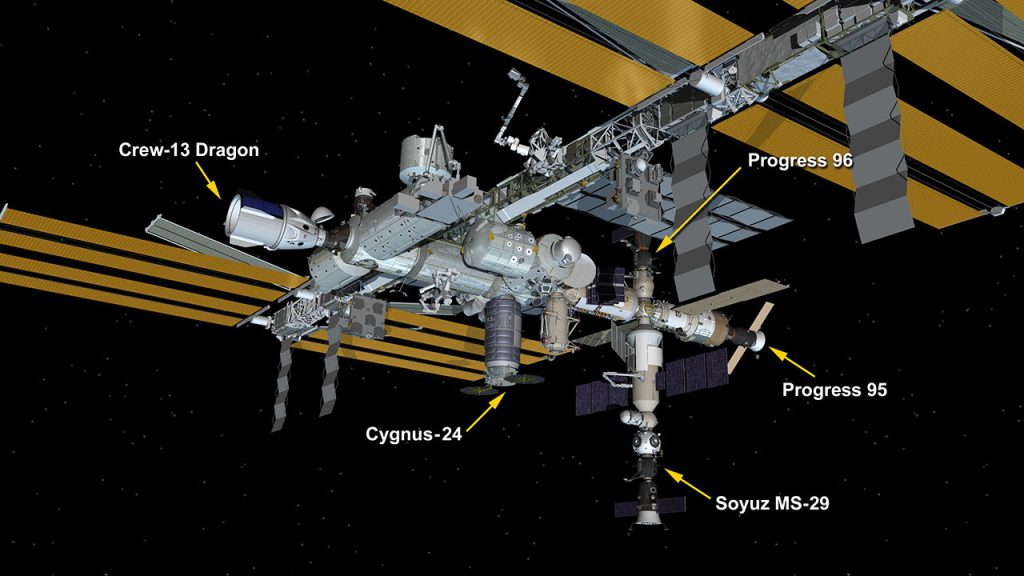
Imagine watching Earth pass beneath you thousands of times while living in a laboratory hundreds of miles above the surface. That was part of everyday life for Crew-12, whose members completed more than 3,792 orbits during their 237-day mission. The International Space Station travels at approximately 17,500 miles per hour, allowing it to circle Earth roughly every 90 minutes. This rapid movement gives astronauts repeated views of continents, oceans, weather systems, and the thin atmosphere that protects life on the planet. Each orbit also provides another opportunity to conduct research in microgravity, an environment where physical processes can behave differently from those on Earth. Crew-12 used its time aboard the station to investigate topics ranging from stem cell production to the effects of spaceflight on human health. Their orbital mileage illustrates both the scale of the mission and the demanding pace of life aboard the station.
Jessica Meir Completed Four Spacewalks During the Mission
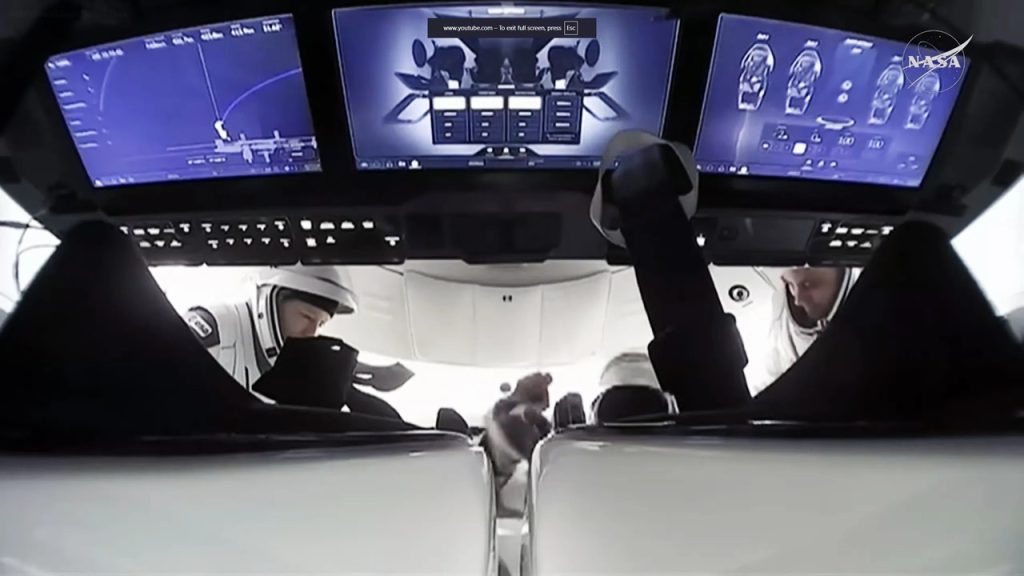
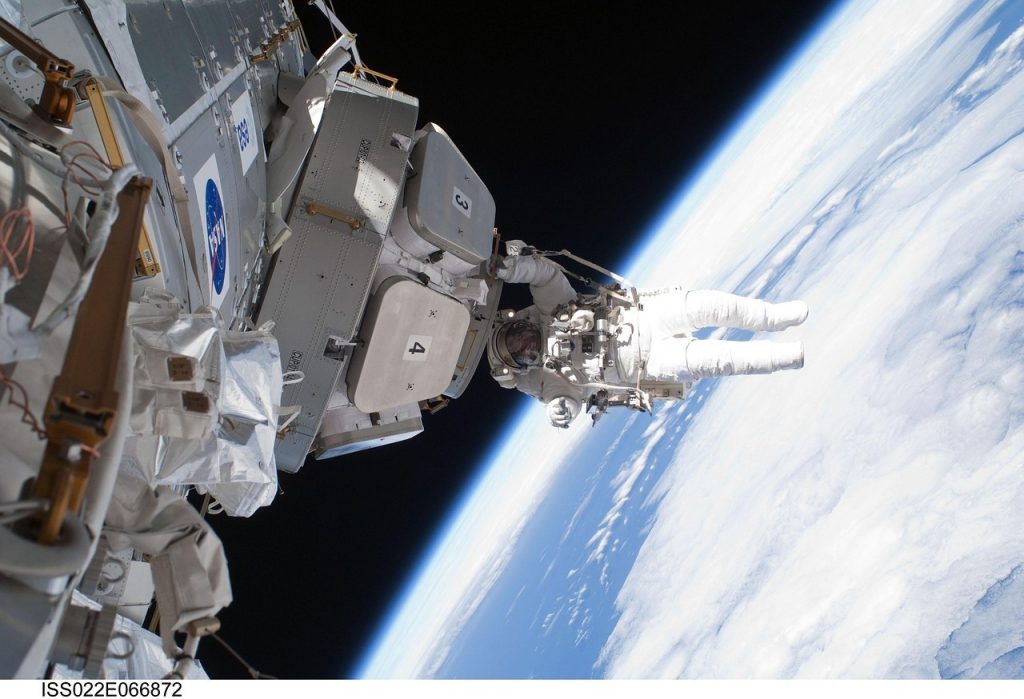
For an astronaut, leaving the protection of a spacecraft and working directly in the vacuum of space is among the most demanding tasks imaginable. NASA astronaut Jessica Meir completed four spacewalks during Crew-12, bringing her career total to seven and placing her third among women astronauts in NASA history for total spacewalks. During a spacewalk, astronauts wear specially designed suits that provide oxygen, maintain pressure, regulate temperature, and protect them from the harsh conditions outside the station. These excursions allow crews to install equipment, perform repairs, and maintain systems that cannot be serviced from inside the orbital laboratory. Every movement requires careful planning because astronauts must manage their tools, follow safety procedures, and remain connected to the station. Meir’s experience reflects the technical skill and preparation needed for work outside the spacecraft. Her accomplishments also build on her earlier mission, during which she participated in the first all-female spacewalk alongside fellow NASA astronaut Christina Koch.
Sophie Adenot Became the First French Woman to Perform a Spacewalk
Sophie Adenot made history during her first spaceflight by becoming the first French woman to venture outside the International Space Station on a spacewalk. The European Space Agency astronaut completed three spacewalks during Crew-12, marking a significant milestone for French participation in human space exploration. Spacewalks require extensive training because astronauts must operate in bulky pressure suits while managing complex equipment in an environment where even a small mistake can create serious risks. Preparations include practicing underwater in large training pools, learning emergency procedures, and rehearsing tasks that may take hours to complete in orbit. Adenot’s achievement demonstrated her ability to carry out this demanding work while contributing to the station’s maintenance and research activities. Her milestone also adds to the growing record of women taking on increasingly complex responsibilities in human spaceflight. As space agencies prepare for future lunar and deep-space missions, experience gained during these operations will remain important for astronaut training and mission planning.
The Crew Tested Stem Cell Production for Future Medical Treatments
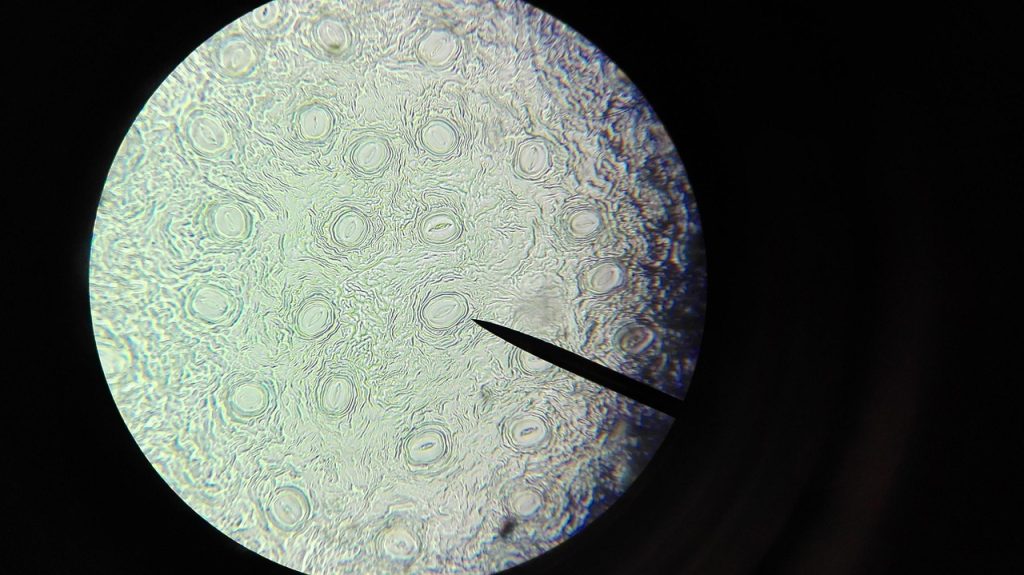
Research conducted hundreds of miles above Earth could eventually contribute to medical advances for patients who never travel to space. During Crew-12, astronauts investigated whether microgravity could help scientists expand hematopoietic stem cells, which are responsible for producing blood and immune cells. These cells are important in treatments such as bone marrow transplants, particularly for patients whose blood-forming systems have been damaged by diseases or intensive therapies. Producing sufficient numbers of suitable stem cells can be challenging, so researchers are exploring methods that could improve the process. Microgravity changes how cells settle, interact, and grow, potentially allowing scientists to produce larger quantities of clinical-grade cells while preserving their ability to develop into different cell types. The experiment remains part of ongoing research rather than an established treatment ready for routine medical use. However, its findings could help scientists understand whether space-based production offers practical advantages and whether those methods can eventually benefit patients on Earth.
The Astronauts Demonstrated On-Demand Production of Intravenous Fluids
Medical supplies become especially valuable when astronauts are hundreds of miles from Earth and cannot quickly obtain replacements. Crew-12 worked with technology designed to produce intravenous, or IV, fluid on demand in microgravity. IV fluids are commonly used in hospitals to deliver hydration and support patients who cannot take in enough fluids by mouth. On Earth, medical facilities generally rely on manufactured supplies with limited shelf lives, meaning stock must be monitored and replaced regularly. Carrying large quantities of these fluids on long-duration space missions adds weight and takes up valuable storage space. A system that can produce IV fluid when needed could help reduce dependence on resupply missions and strengthen medical preparedness during future journeys to the Moon or Mars. The investigation also has potential relevance for remote communities and emergency settings on Earth, where access to medical supplies may be limited. The technology still requires further development and validation, but demonstrating its operation in space represents a useful step toward more self-sufficient medical care during extended missions.